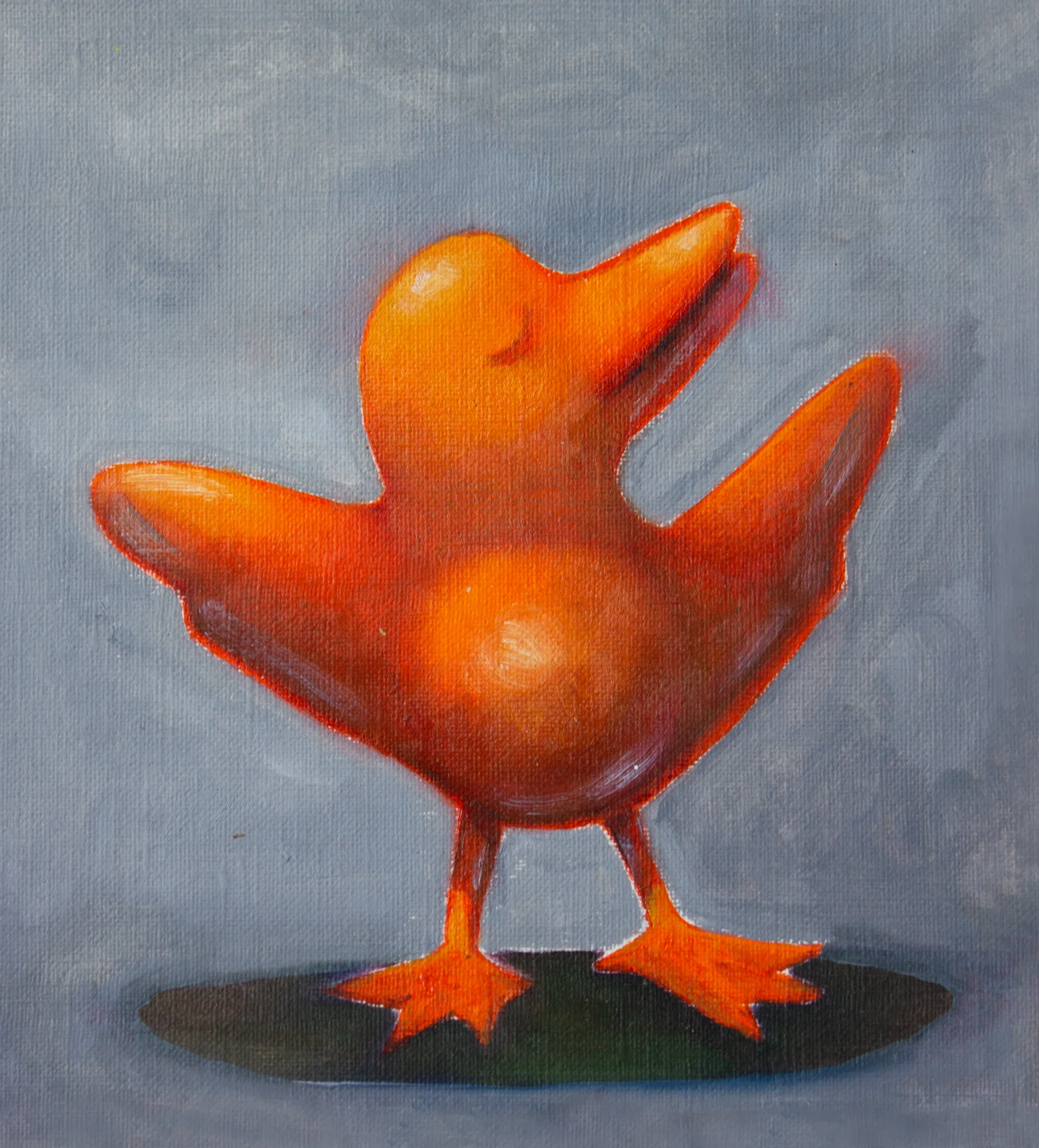
speeches for the future
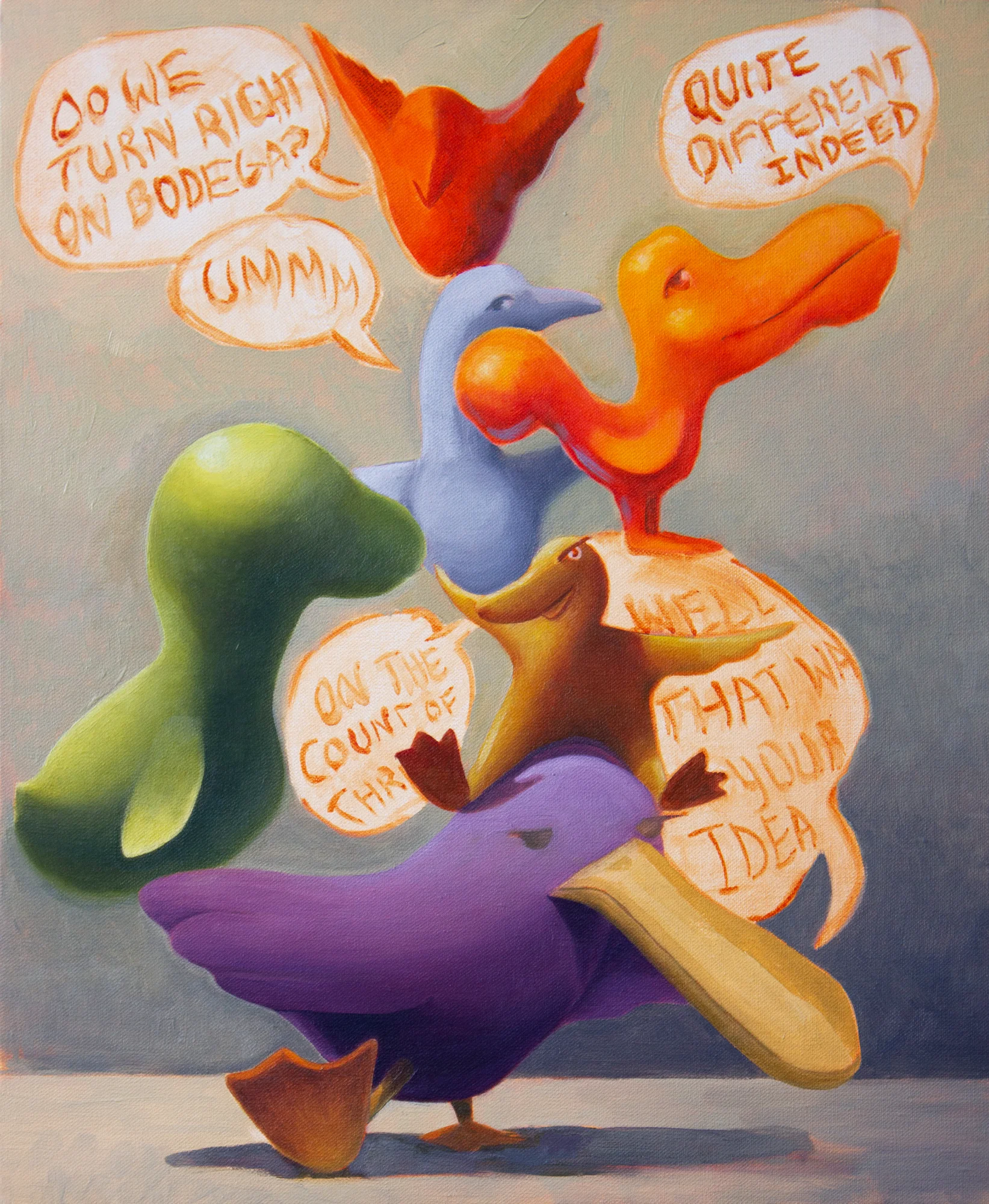
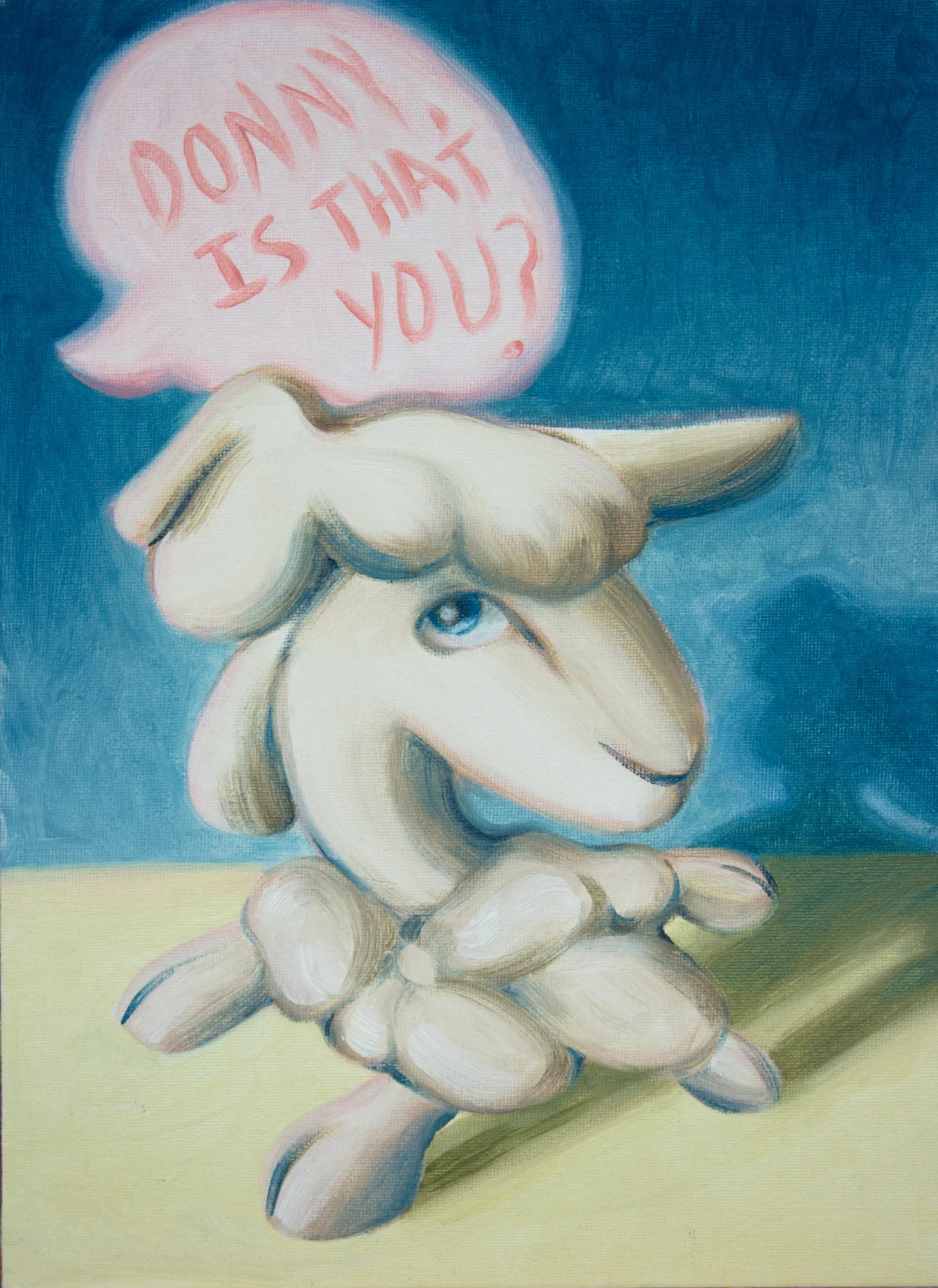
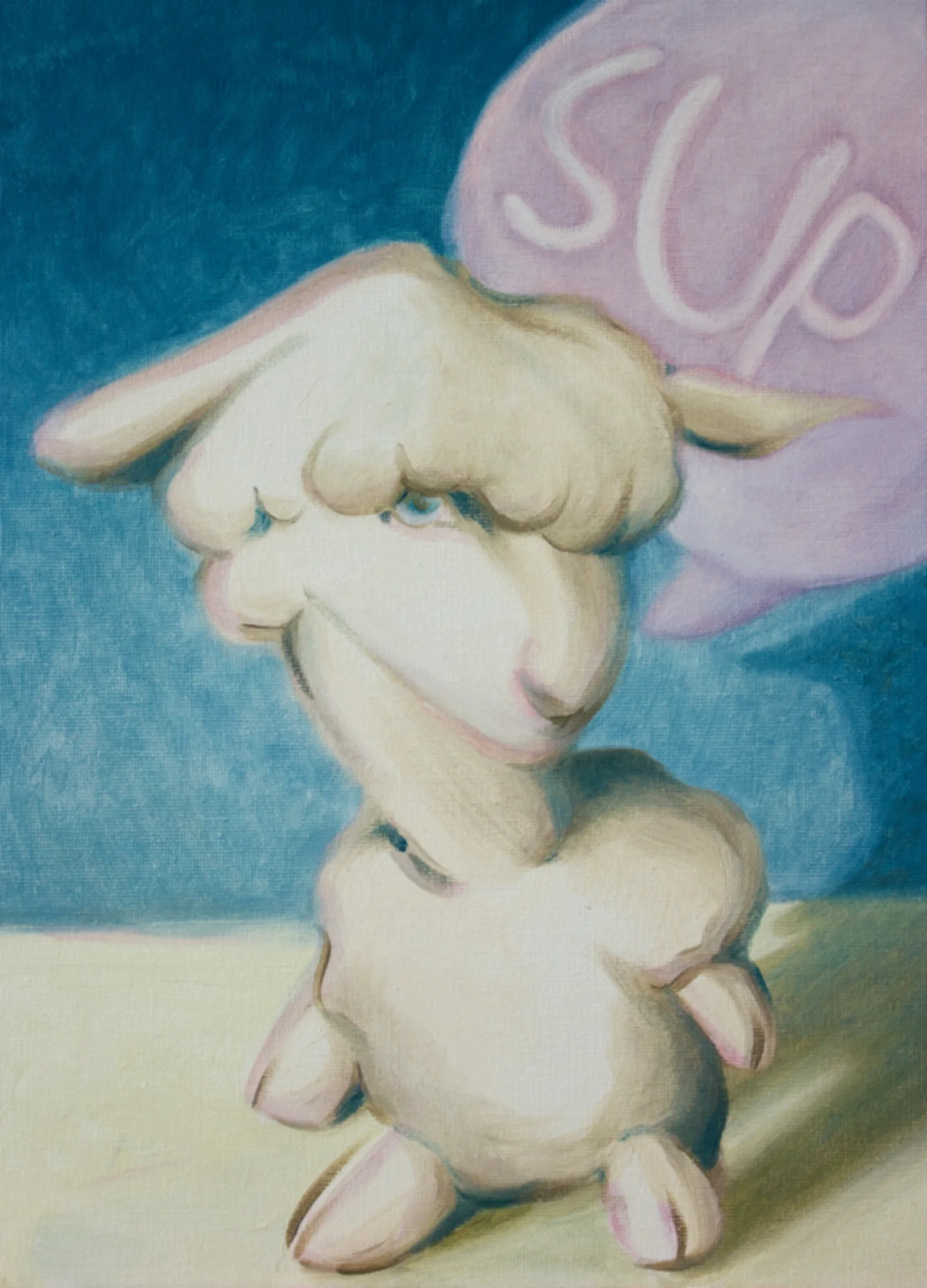
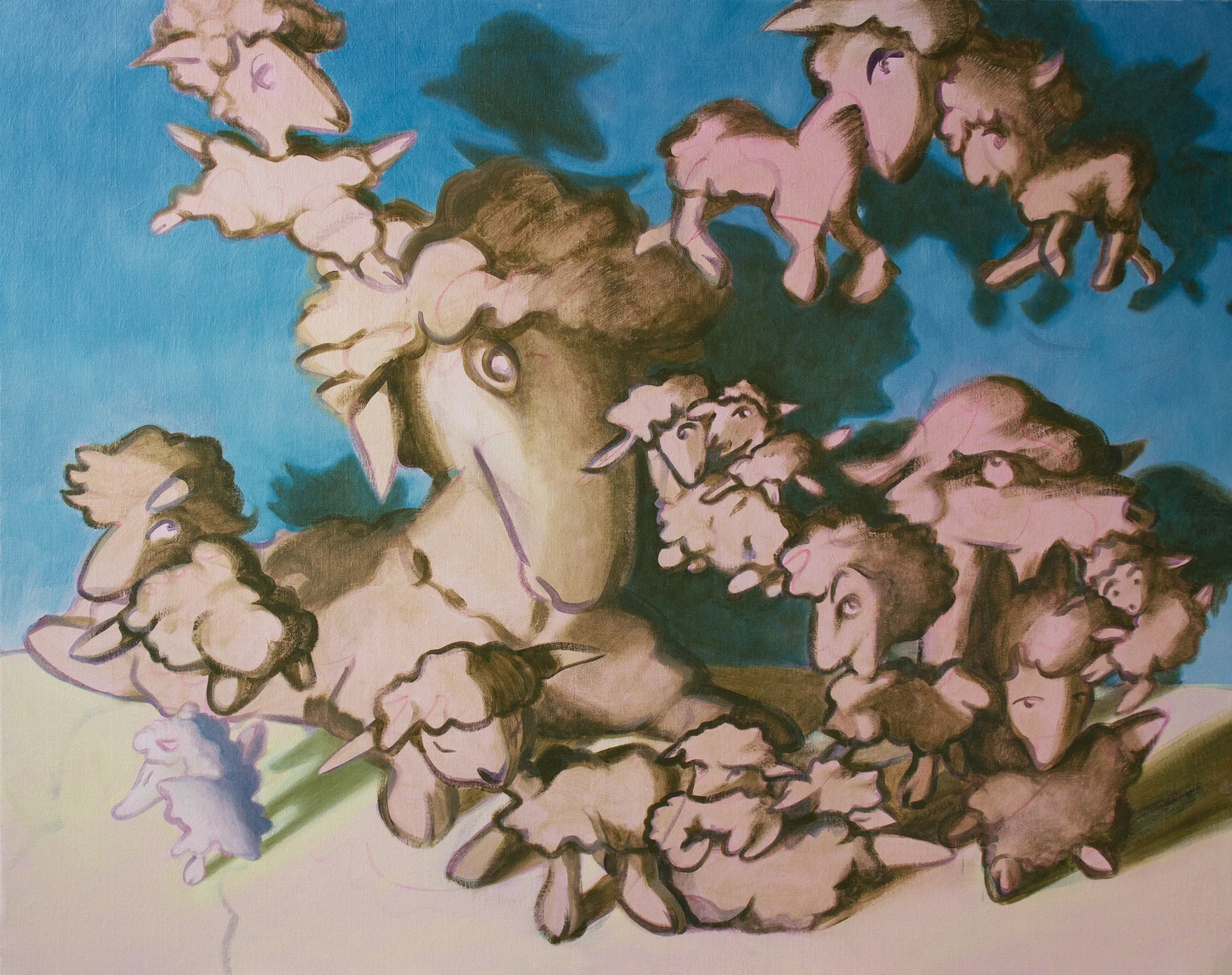
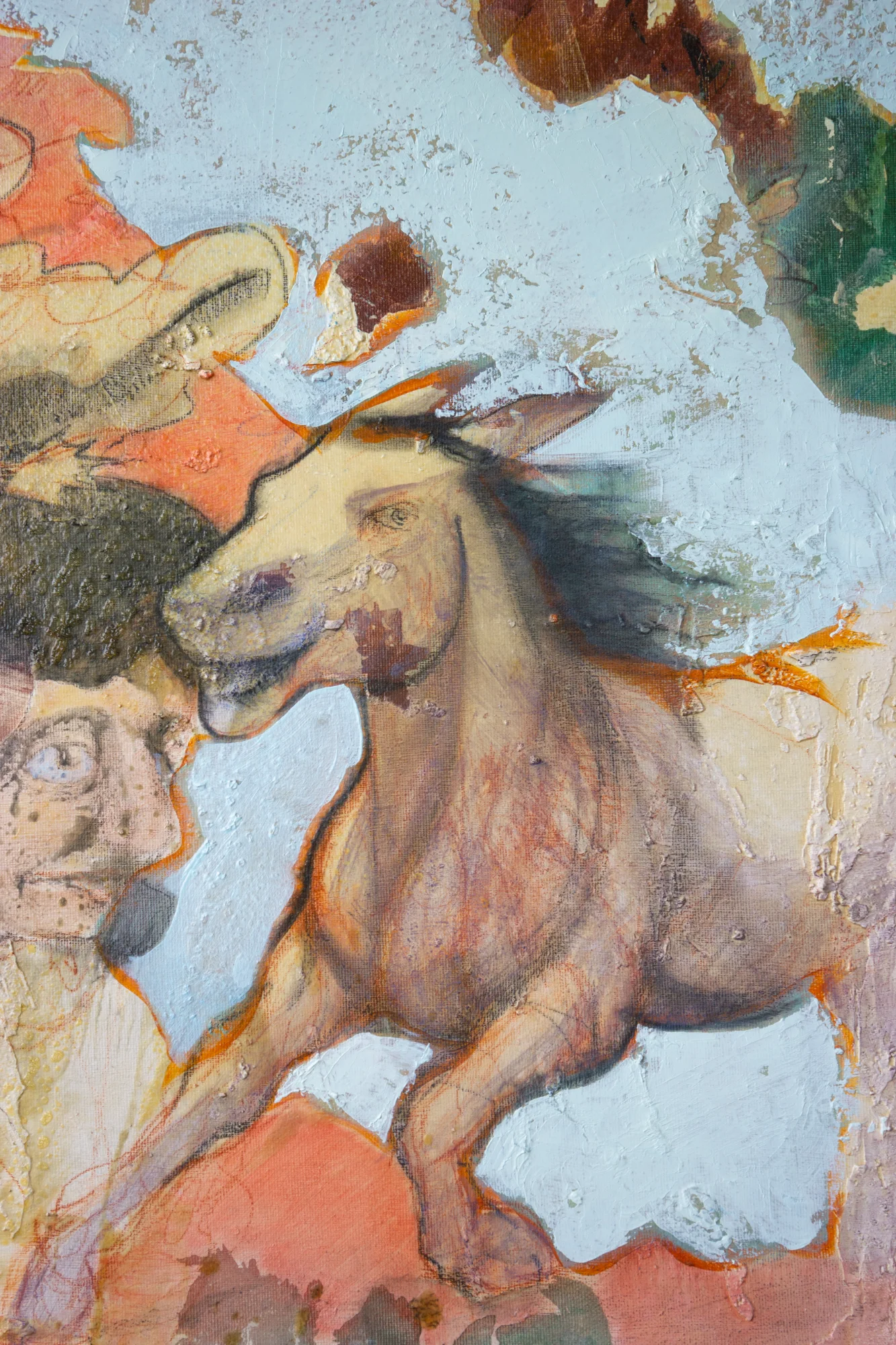
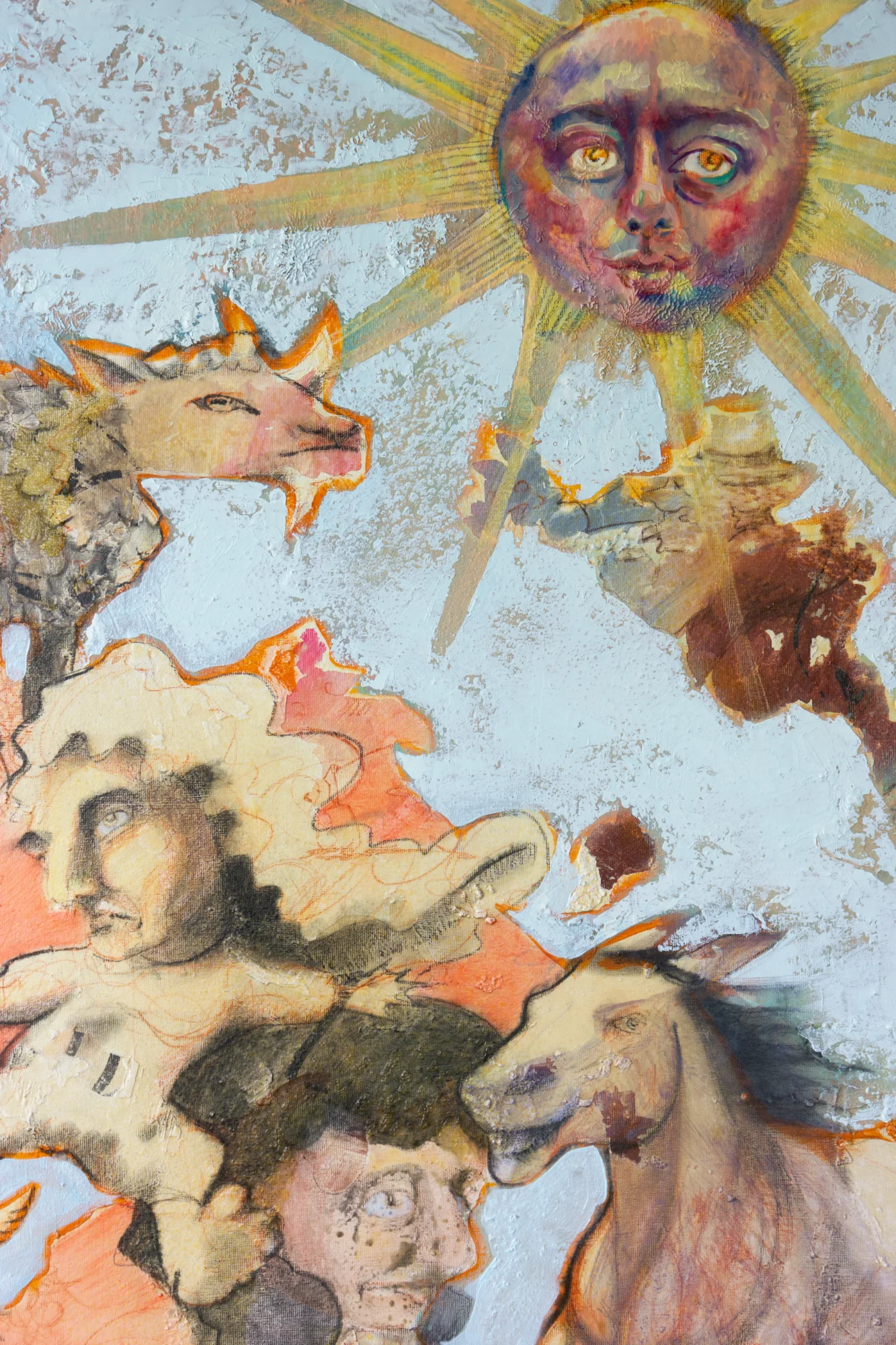
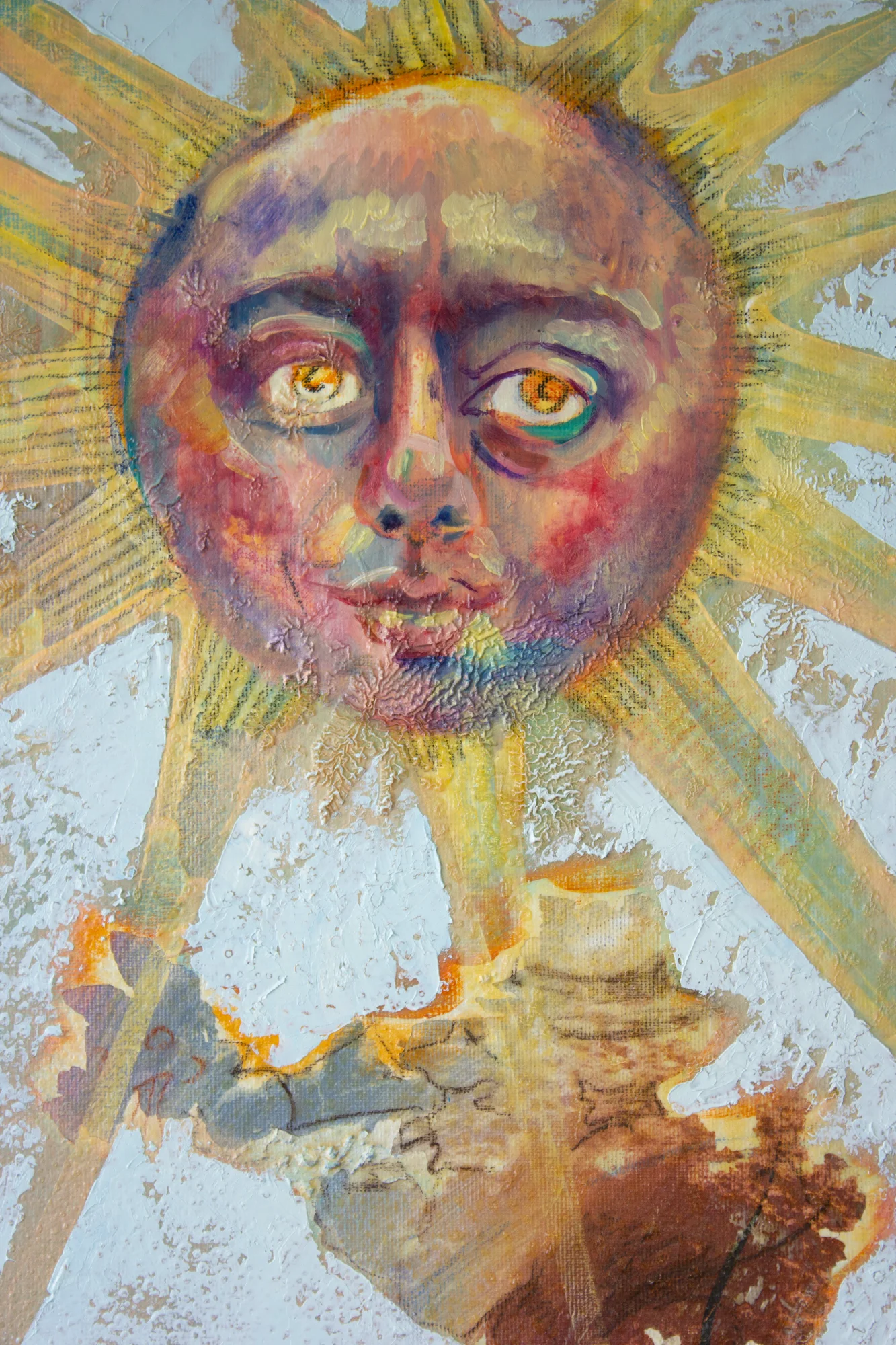
This series is situated at the intersection of posthumanist practices and ecofeminist sensibilities, questioning the centrality of the human in regimes of representation. Through compositions where human and animal figures coexist in ambiguous spaces, the works destabilize interspecies hierarchies and displace the anthropocentric gaze that has historically structured painting.
Through alterations of scale, agency, and relationship, the images activate a field of tensions in which the human ceases to operate as the sole measure. In this sense, the work engages with the notions of relationality and posthuman subjectivity developed by Donna Haraway and Rosi Braidotti, transferring these issues to the specific realm of painting practice.
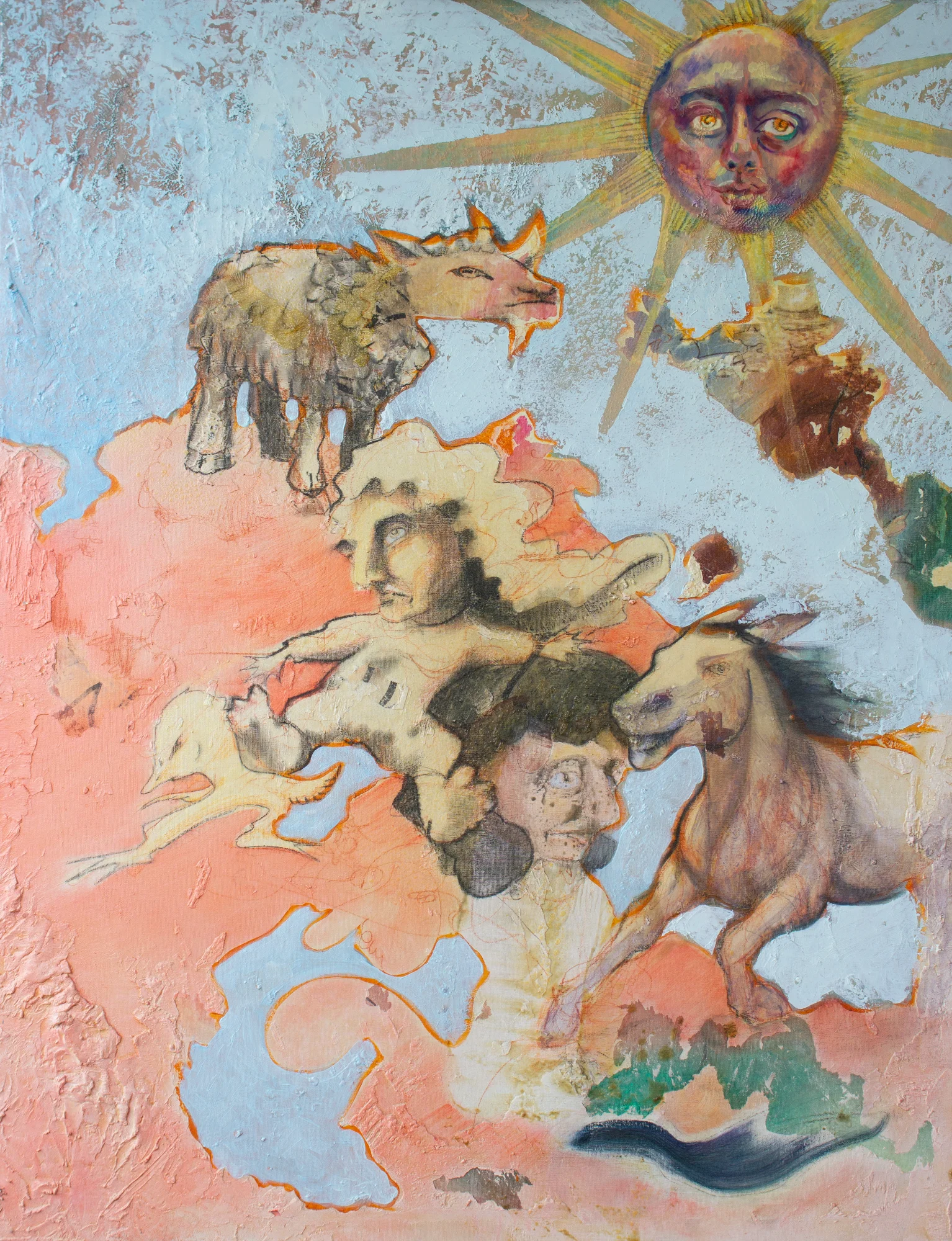
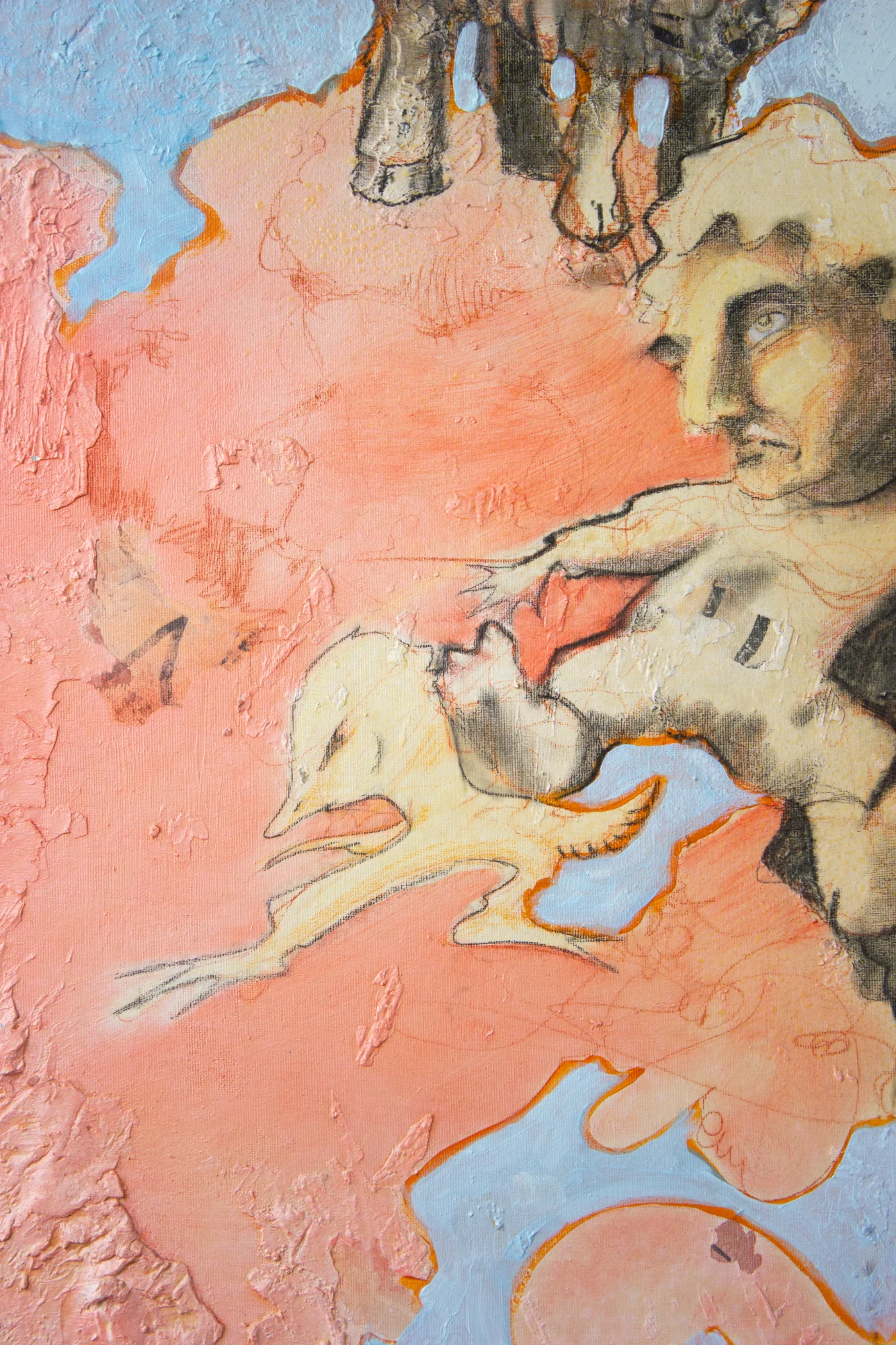
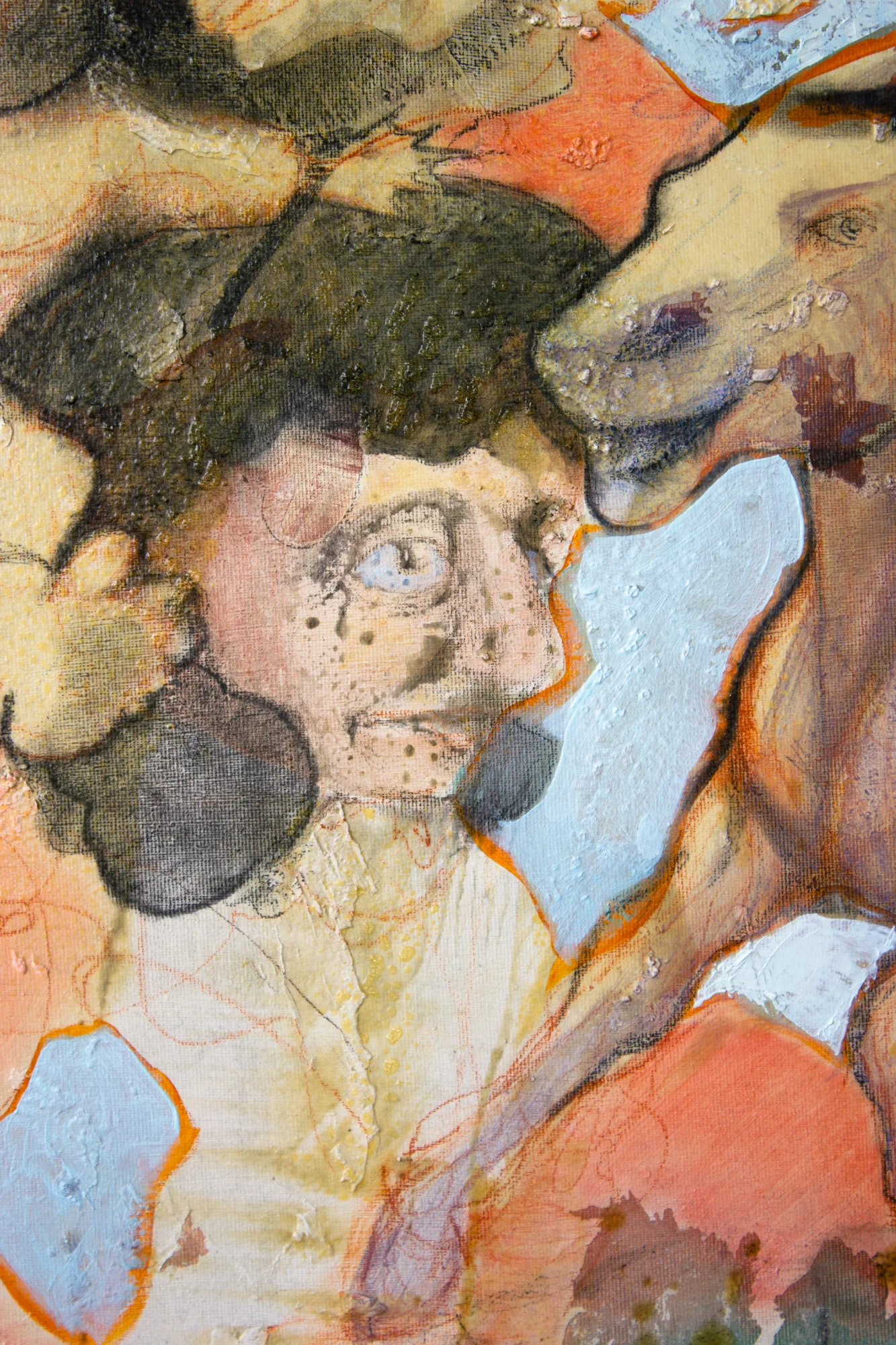
o sole mio
This proposal is conceived as a critical and speculative space from which to explore alternative ways of inhabiting the world, rather than simply representing it. In contrast to nostalgic or idealized views of nature, the project proposes an imaginary ecology based on interdependence and humor as tools for destabilization. In this shift, the images do not offer definitive answers, but rather open up a field of possibilities for rethinking relationships and ways of life.
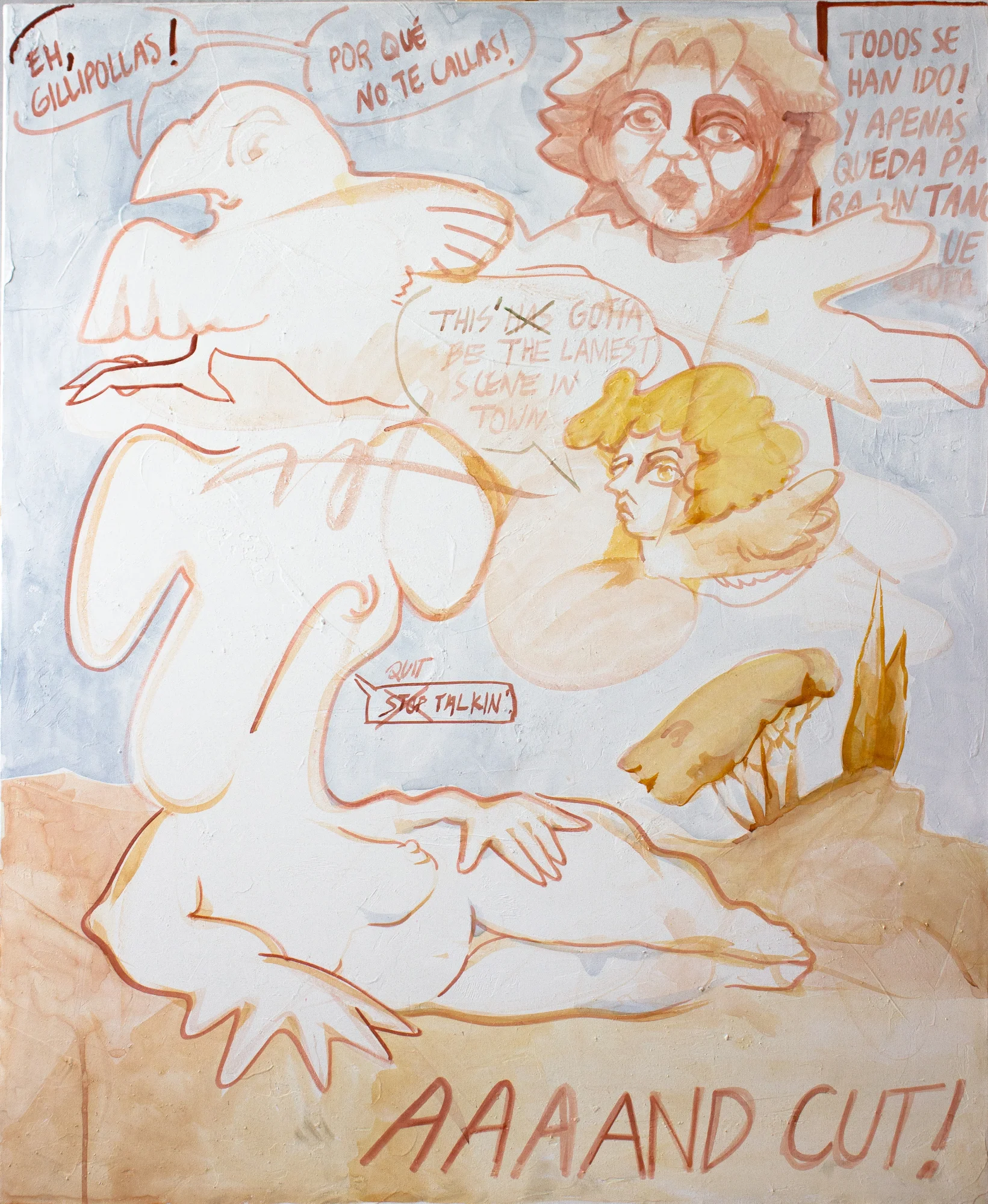
rupestres
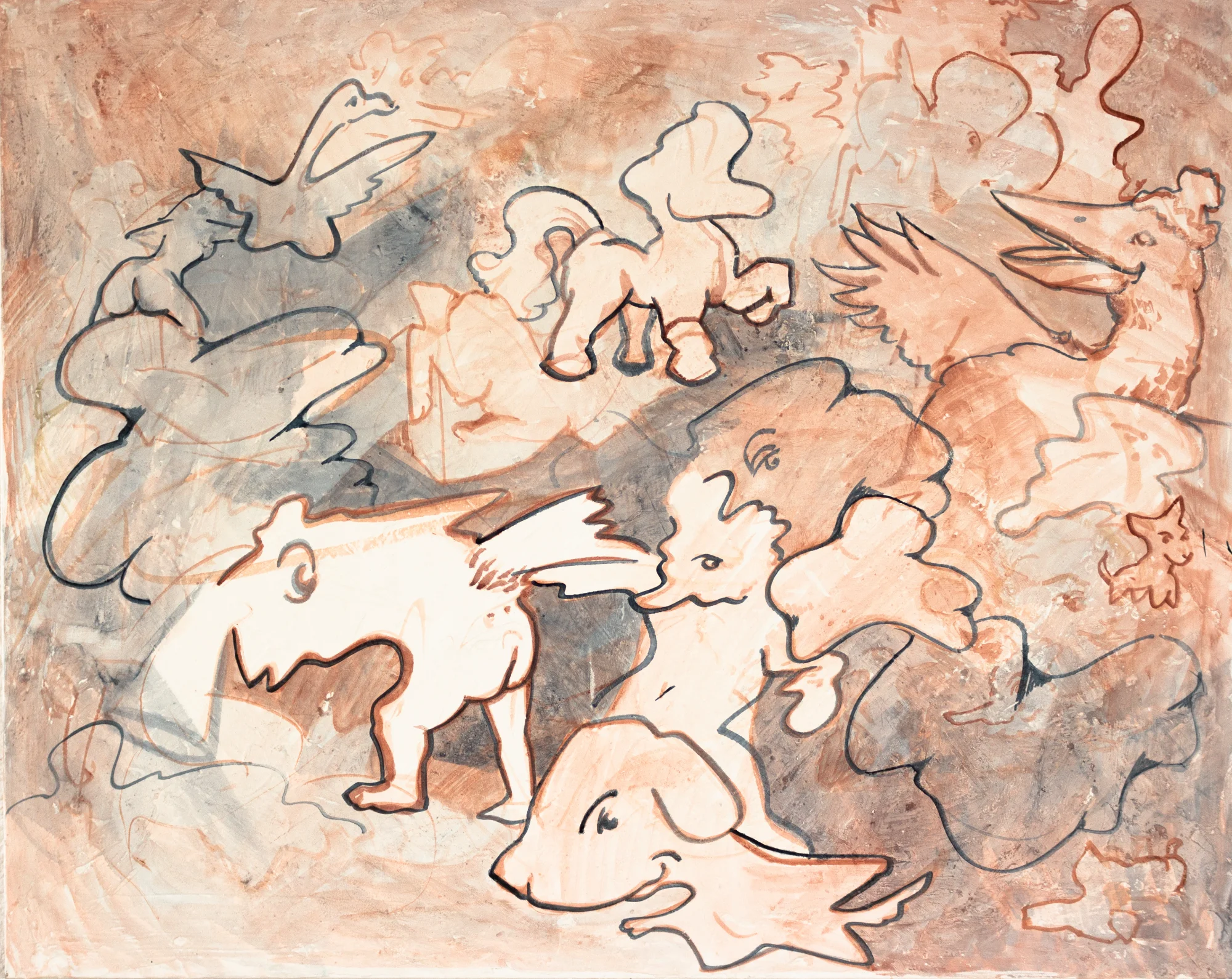
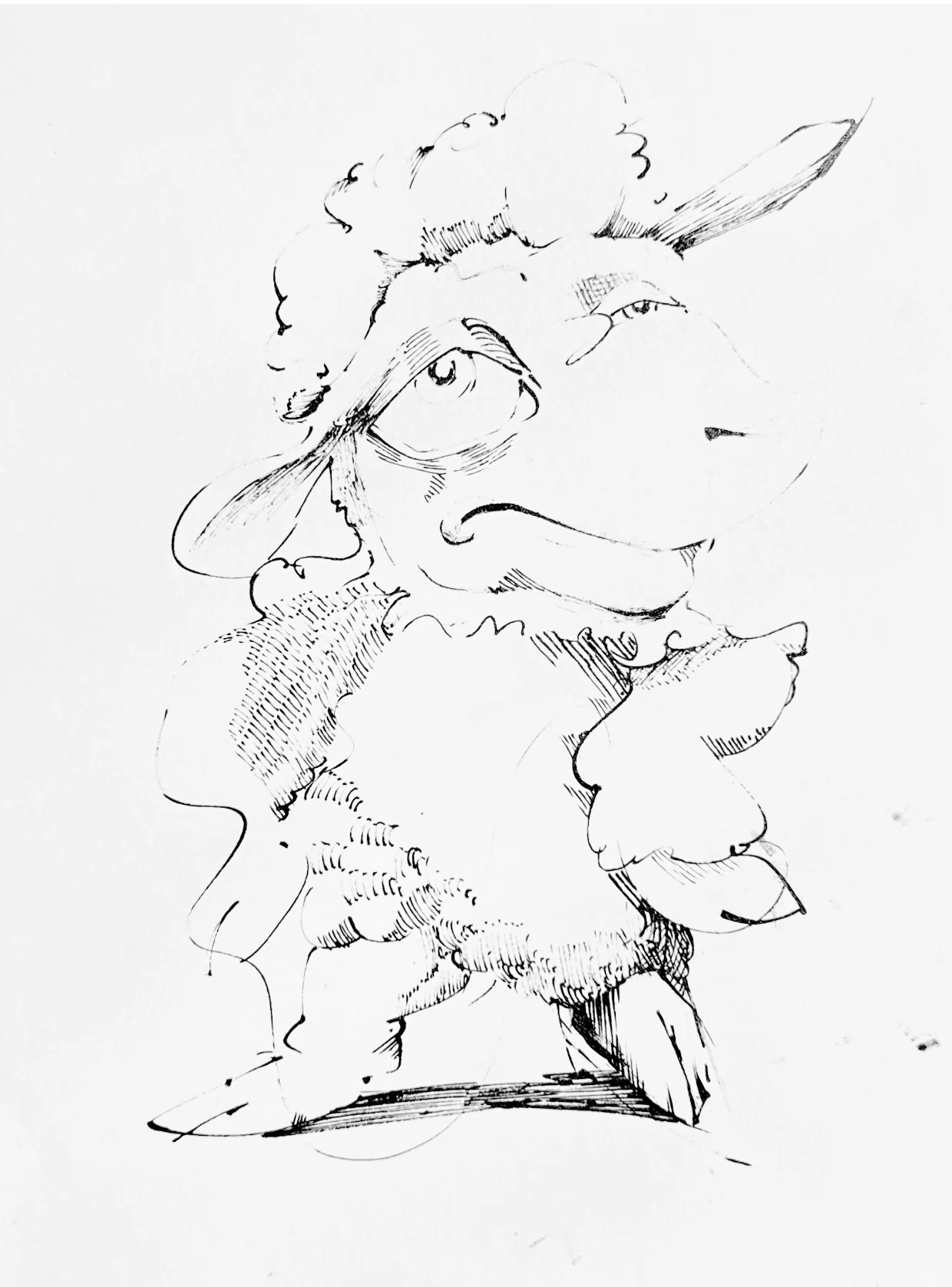
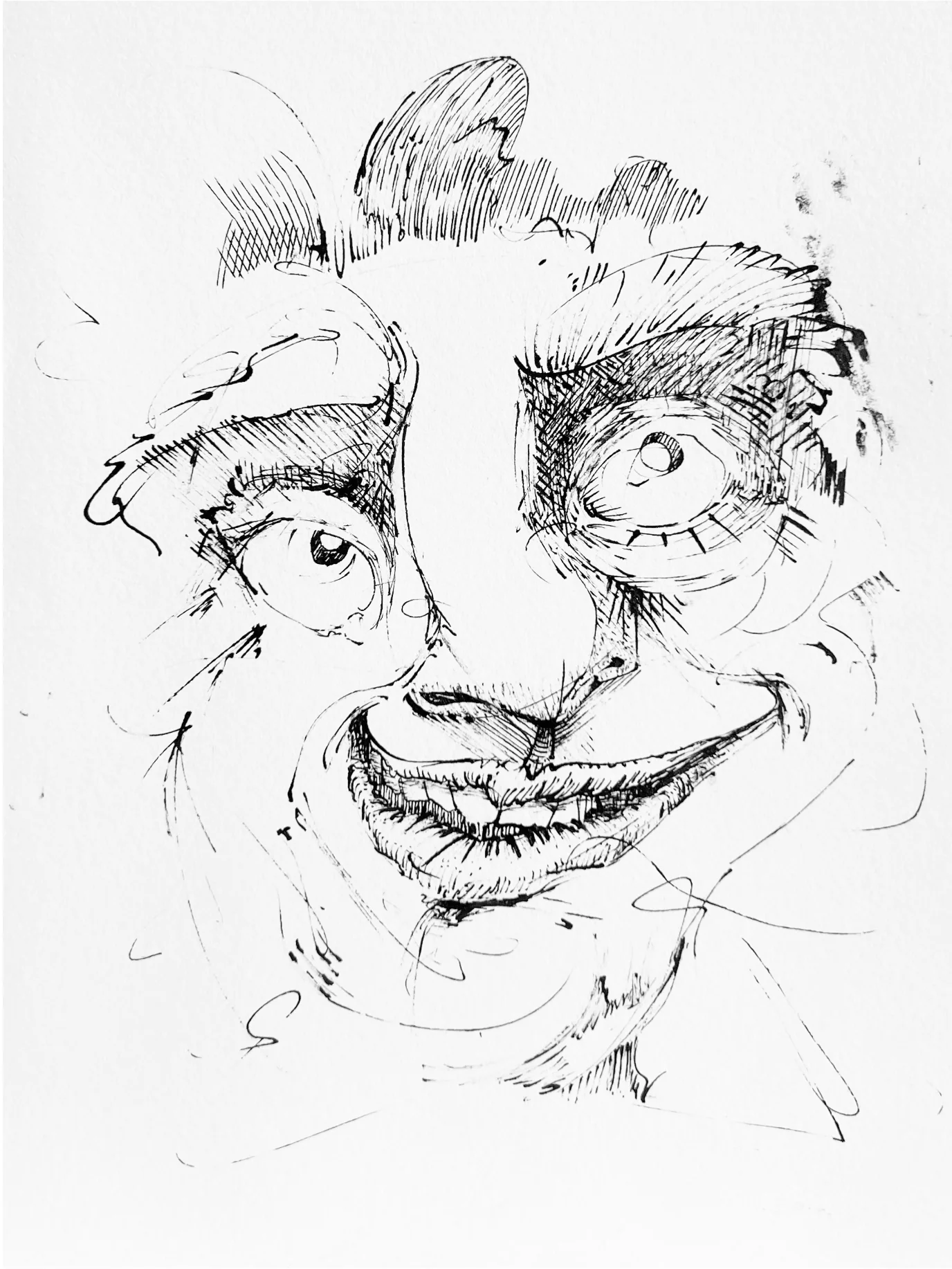
This project takes the surface as its starting point, as a territory for inscription. Irregular layers of gesso and plaster create a background that evokes the mineral dryness of rock, suggesting a direct connection to the logic of cave paintings. On this surface, the line emerges as a primary gesture: an initial, almost automatic stroke gives rise to human, animal, and hybrid figures that seem to be activated by the very act of marking the surface.
Ink, in its immediacy and capacity to fix the gesture, articulates a language based on the accumulation of marks, where drawing is understood as a trace and record rather than a closed representation.
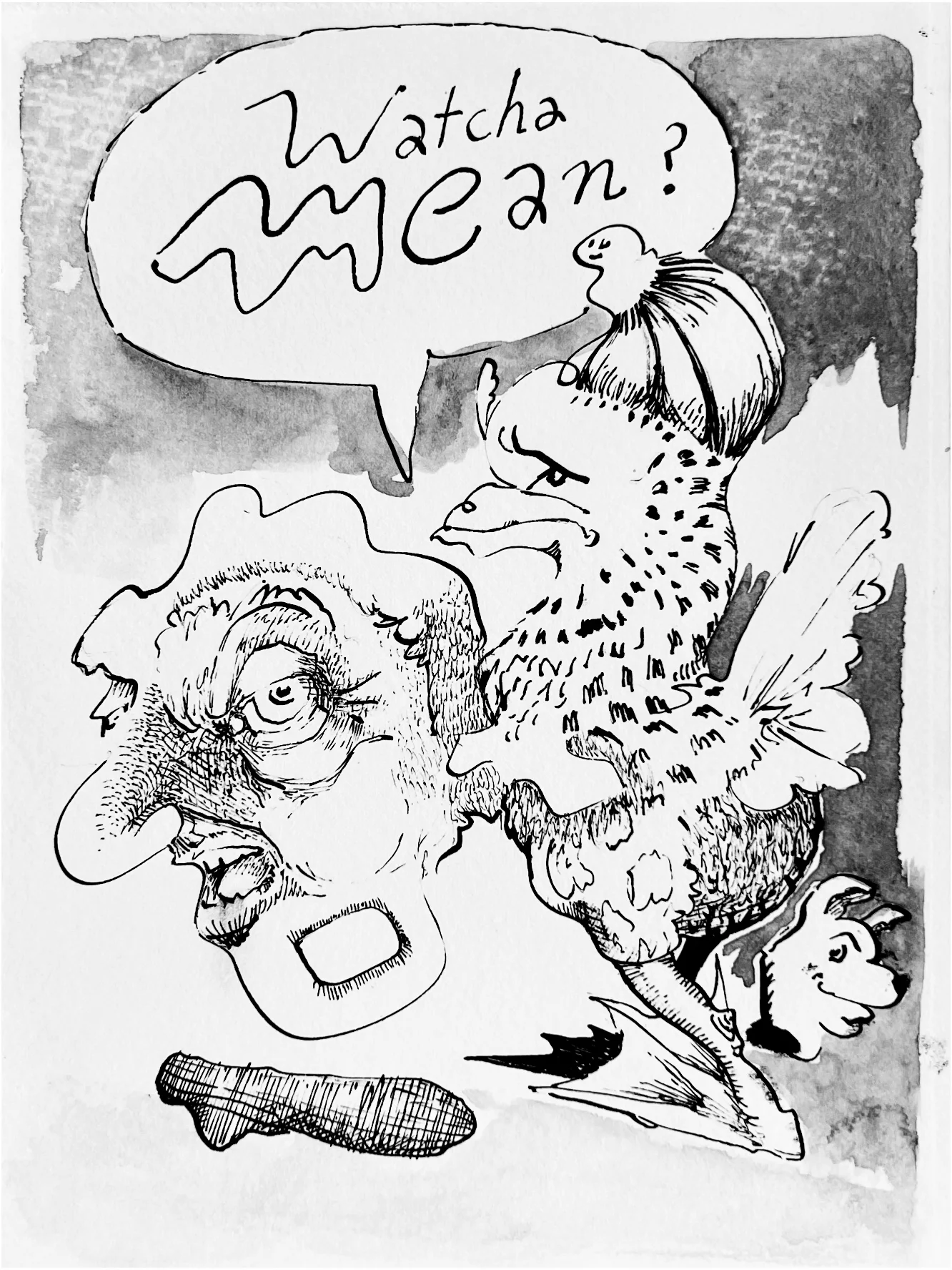
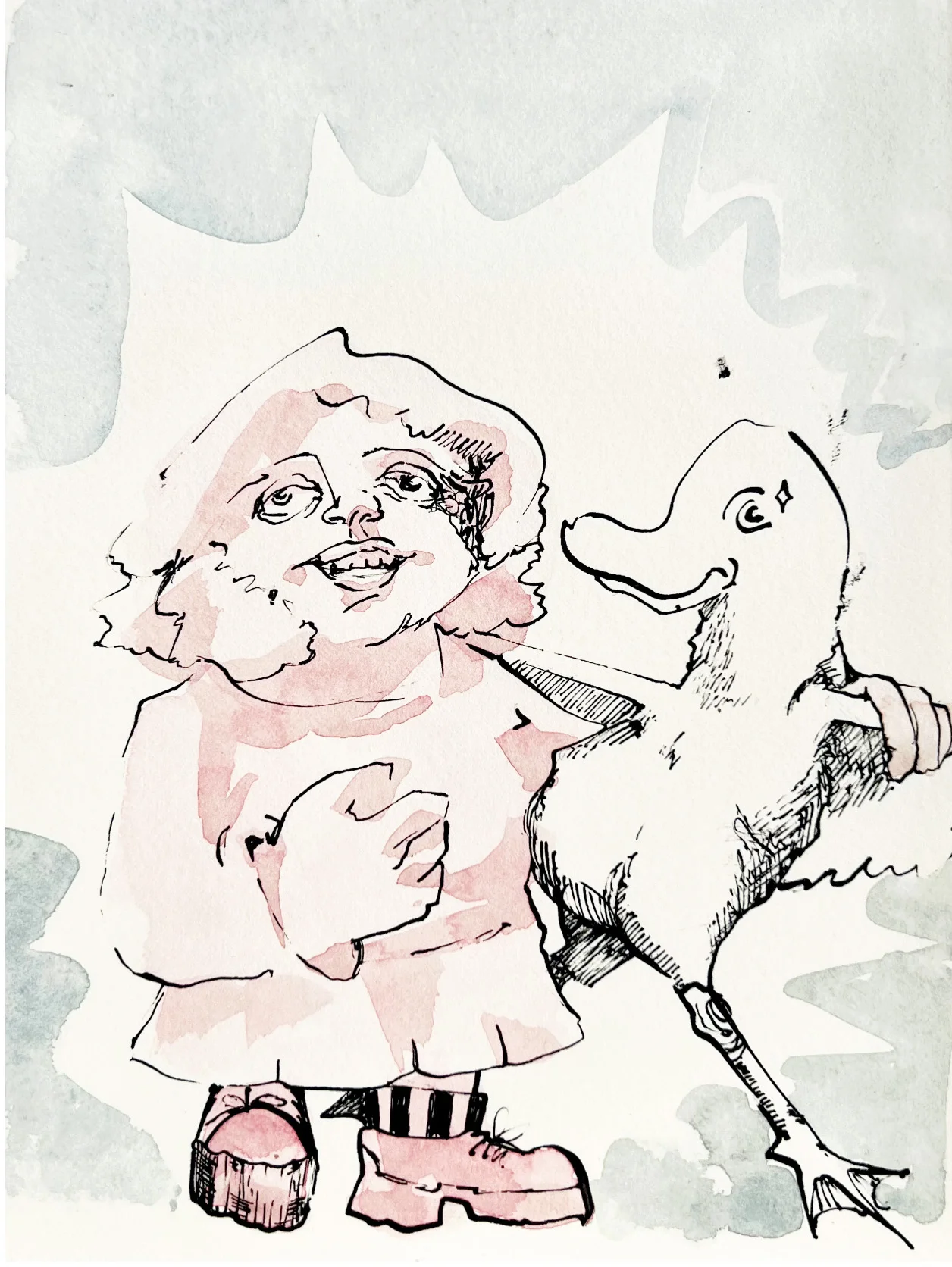
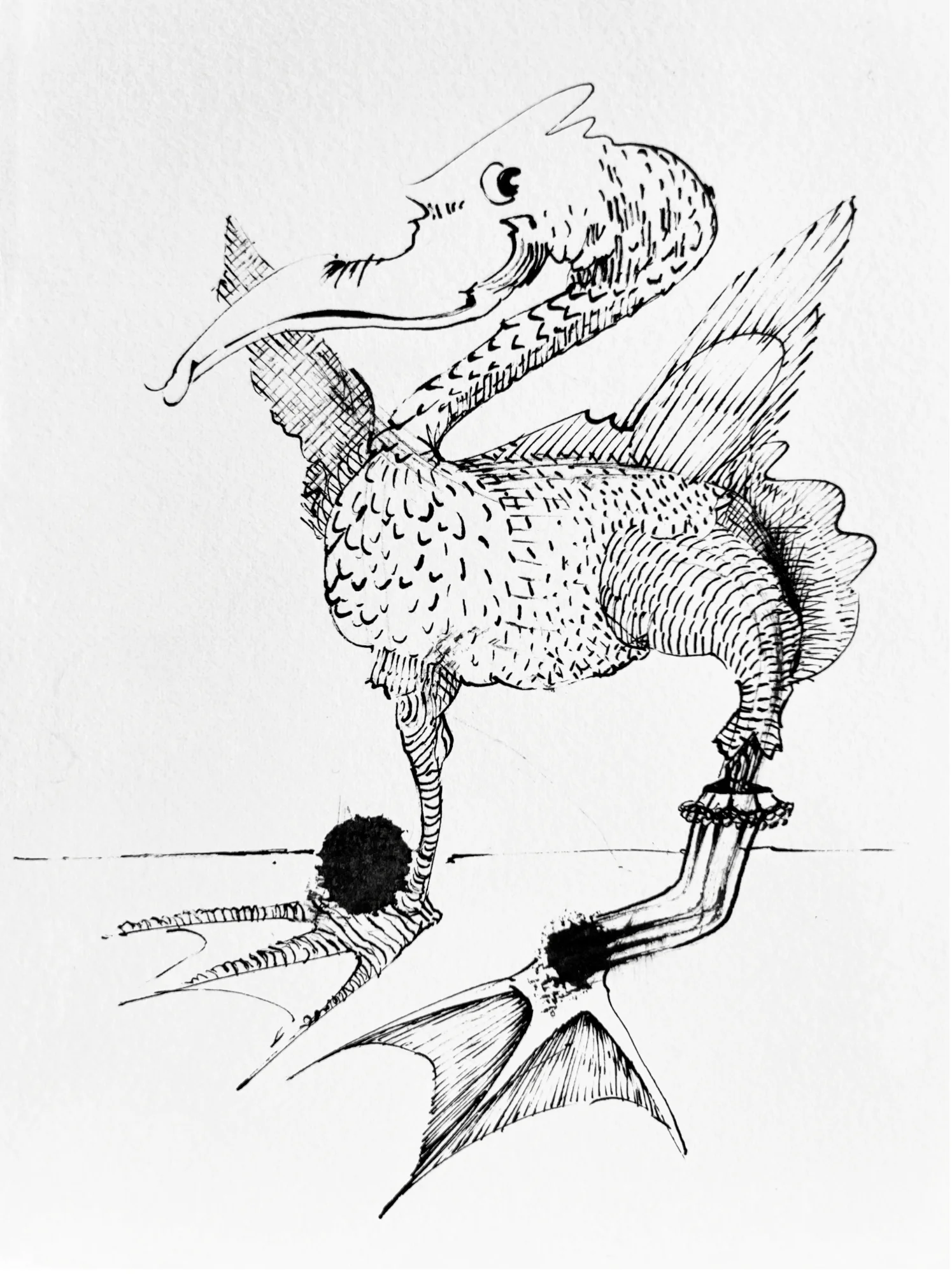
reach for the stars
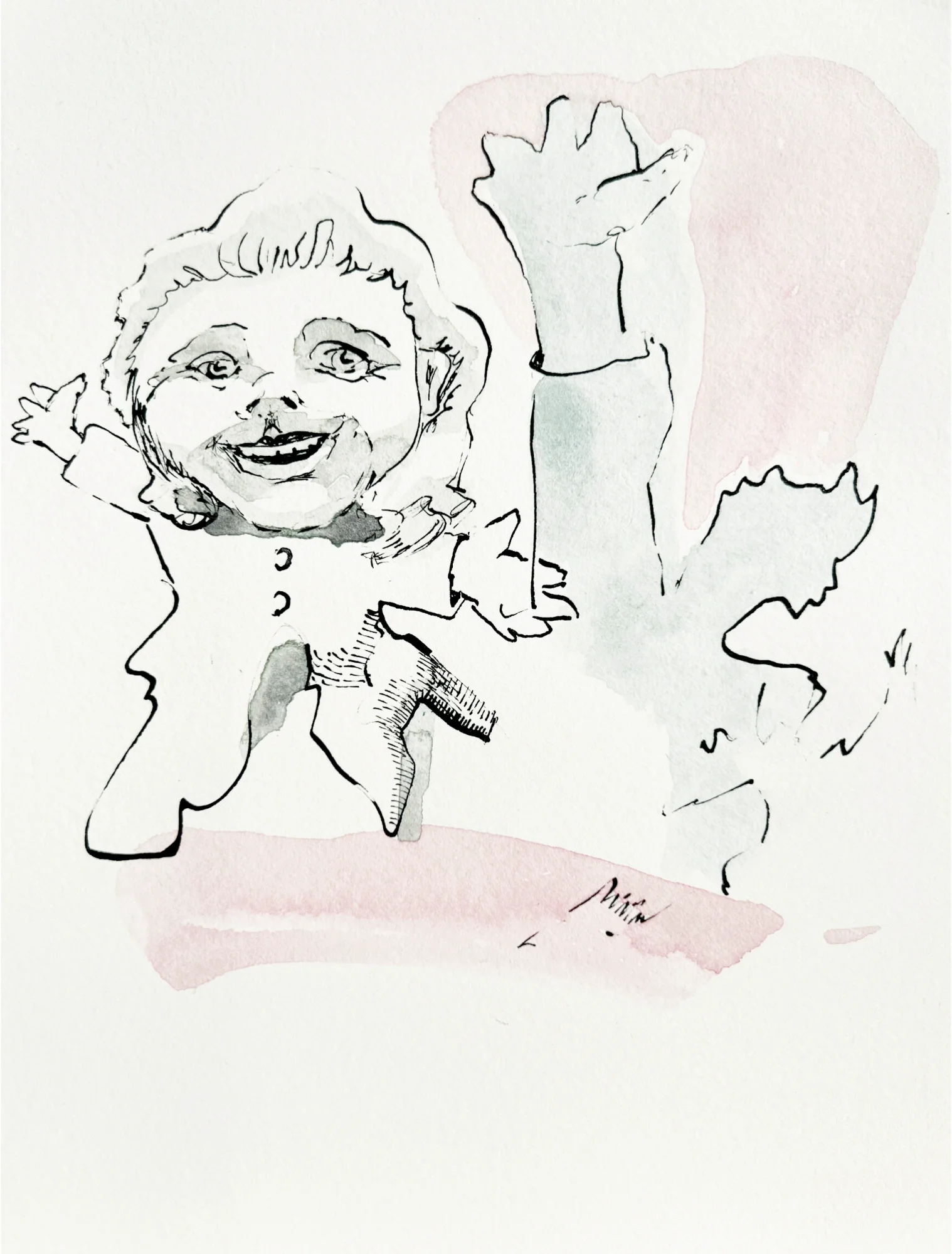
Reach for the stars is graphic narrative project that draws from family archives to reconstruct an affective genealogy. Through portraits, objects, and domestic spaces, the work traces the invisible lines that connect generations and reveals patterns that are inherited without being explicitly named. Ink and watercolor drawings are combined with fragments of autobiographical text, establishing a dialogue between image and word in which neither mode of expression fully resolves the other.
The title alludes to the repetition of roles and trajectories within a family, while also pointing to the possibility of interrupting such cycles. The project situates itself within this tension between inherited frameworks and the active construction of identity, proposing a space in which personal history can be both examined and reconfigured.
it takes a village
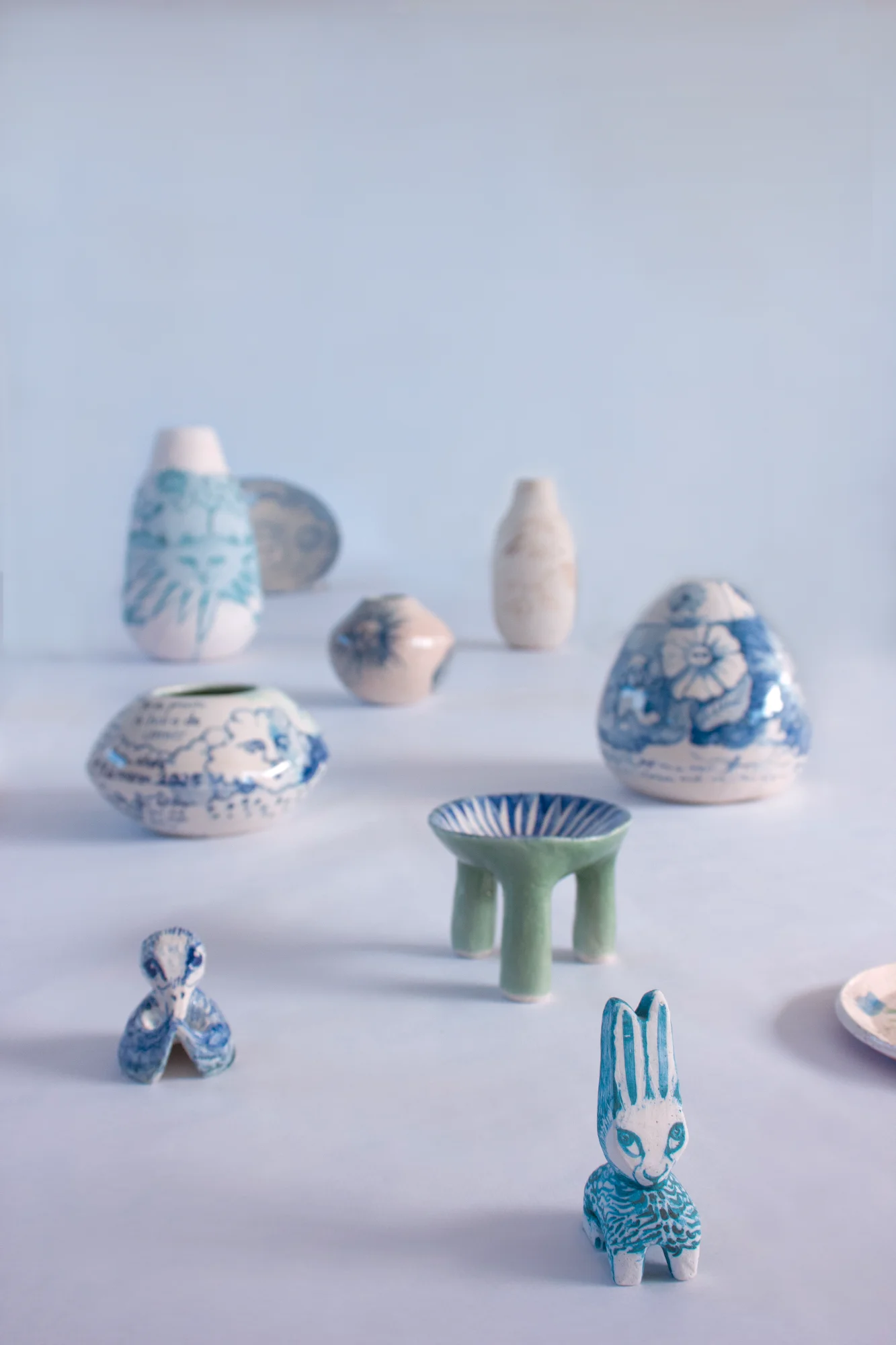
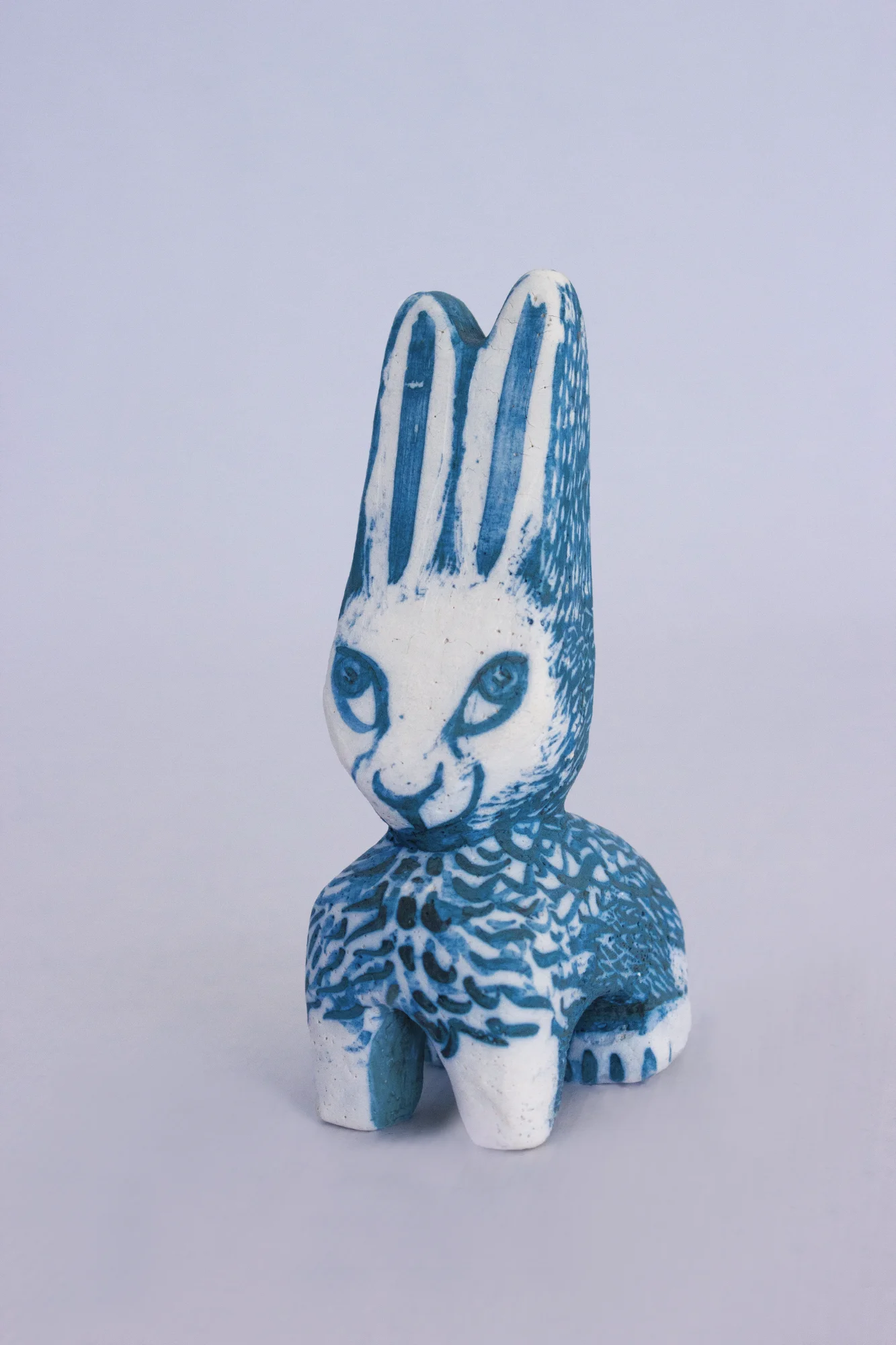
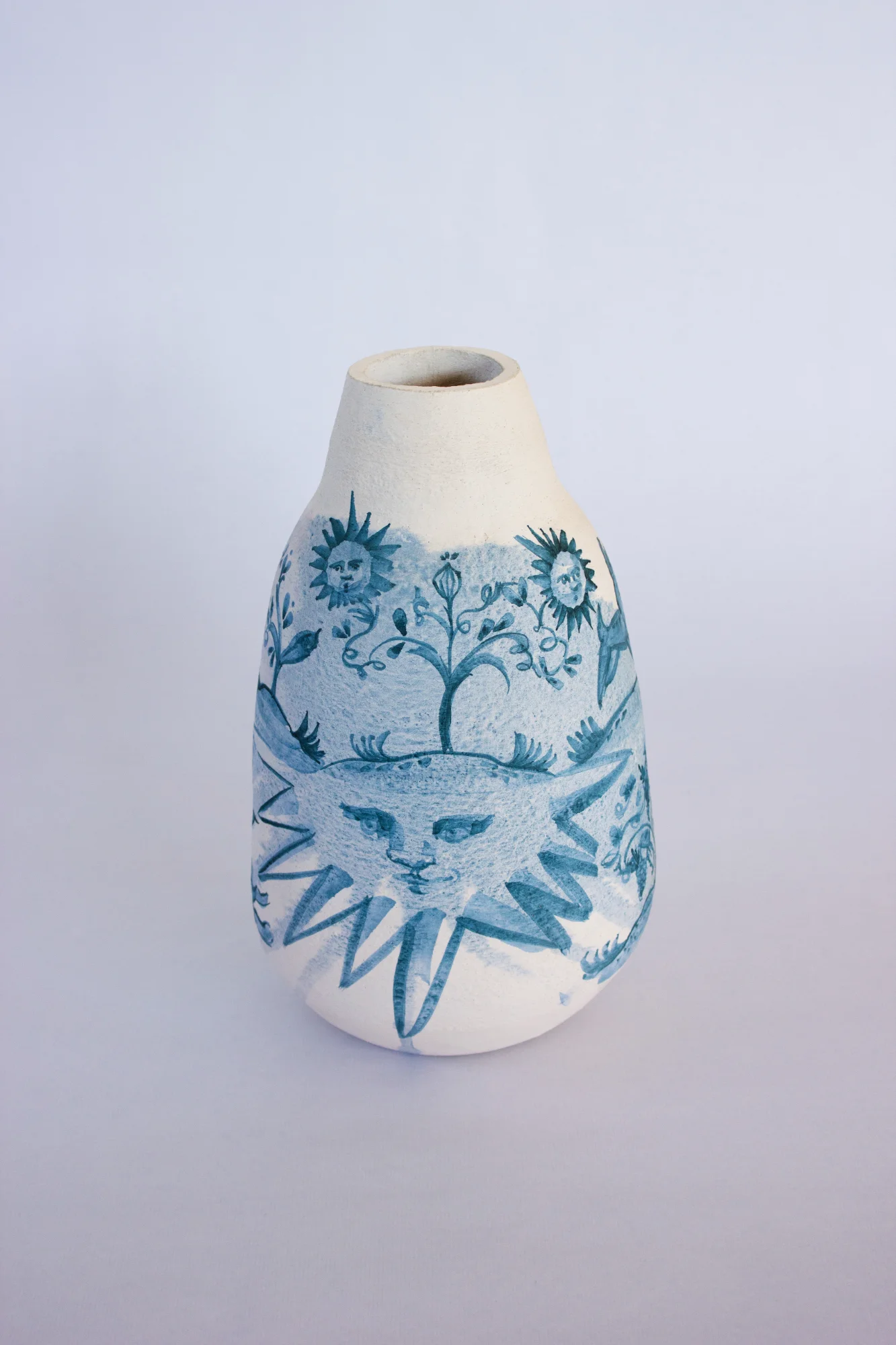
It takes a village emerges as a space for sculptural research that takes clay as its starting point, approaching ceramics not only as a technique but as a continuation of the graphic gesture. The pieces originate in drawing, but it is in the transition to volume that they acquire an unexpected autonomy: both stoneware and porcelain introduce their own rhythms, limits, and responses that reconfigure the initial form.
The project focuses on the expressive potential of the ceramic object as a carrier of open narratives. The sculptures—creatures, intermediate bodies, presences difficult to classify—operate as entities that suggest stories without the need for a text to fix them. In them, the playful and the unsettling coexist, generating a tension that unfolds on the surface and in the viewer's perception.
The practice combines different working methods, from direct modeling to the use of molds, along with an experimental approach to glazing. The firing process introduces a margin of unpredictability that is assumed to be a constitutive part of the process: cracks, chromatic displacements and formal alterations cease to be understood as failures and become active traces of the matter.
l'univers de la pomme de terre
We are born and grow with our eyes open; at first, in the first months in this world, we are nothing but images and sensations: among my earliest memories there is a thick textured pane of glass as yellow as a tiger's eyes. I know my mother is behind it, in the dining room, although I still don't know what a dining room is. I don't know how to speak. I am all huge eyes and winds of emotion. Symbols do not exist. Nothing refers to anything. The world appears in images that name themselves. They are only their own shape and color. Something I will recover later, when I know how to hold a brush, with abstract art.
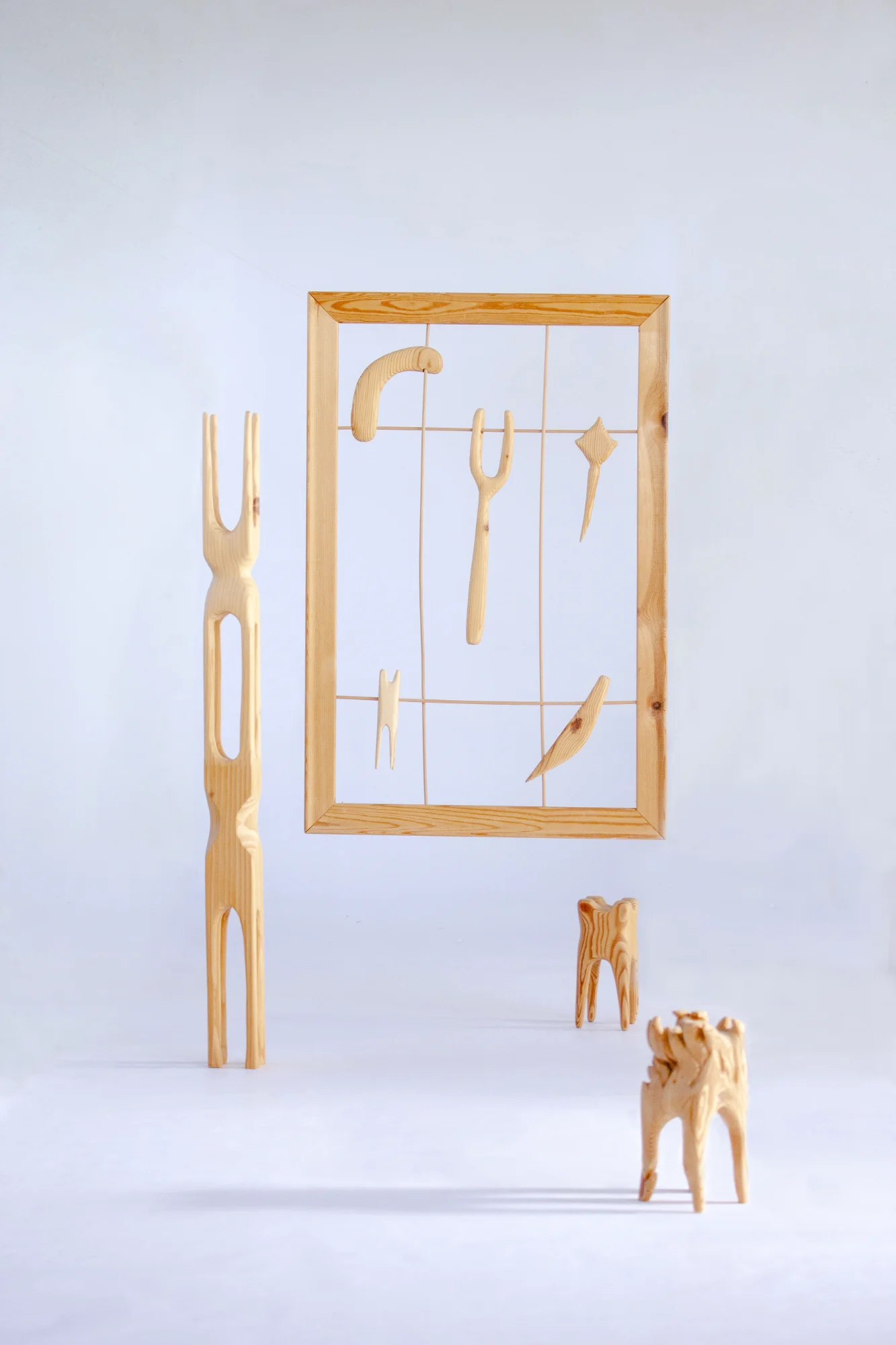
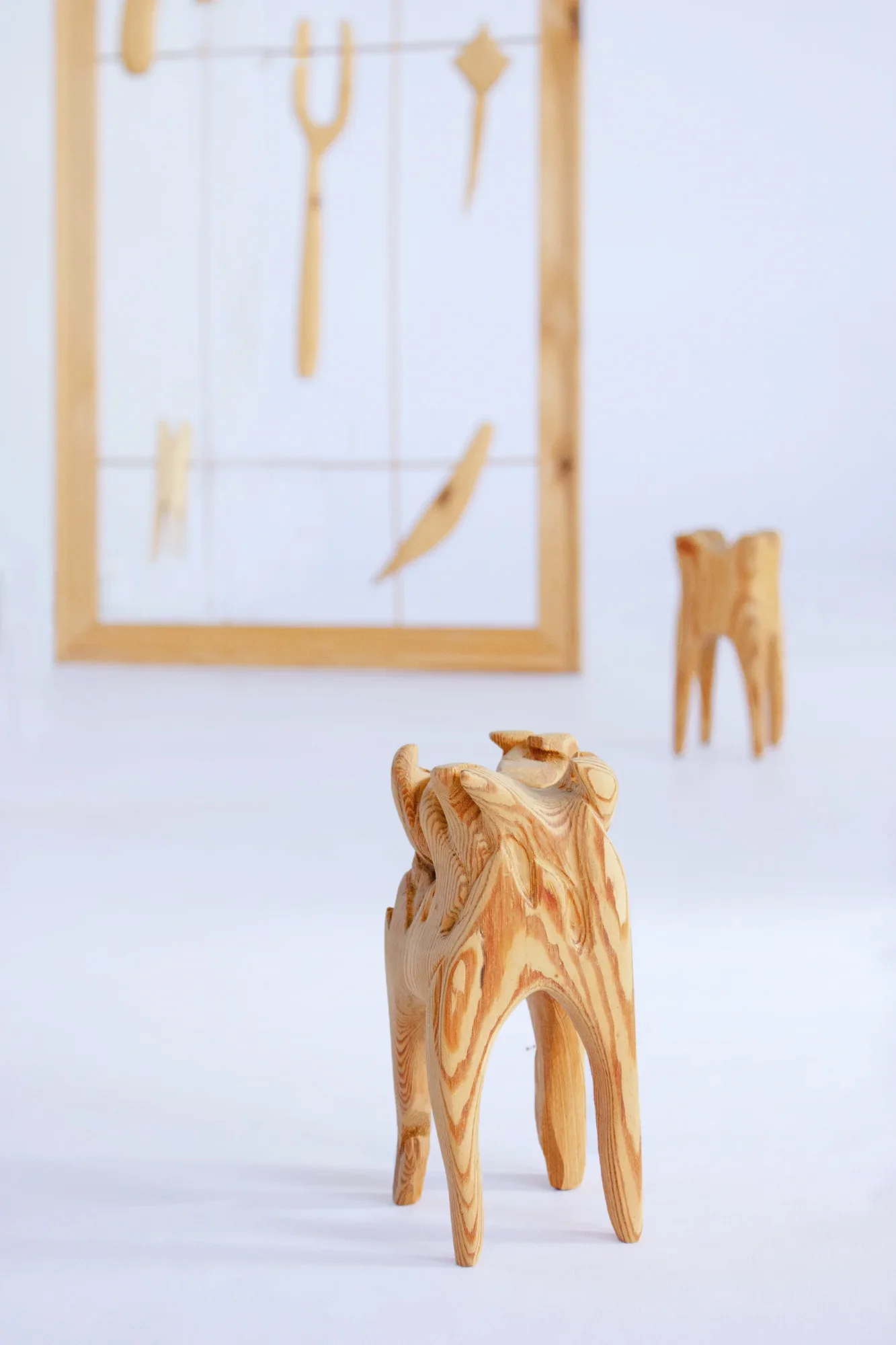
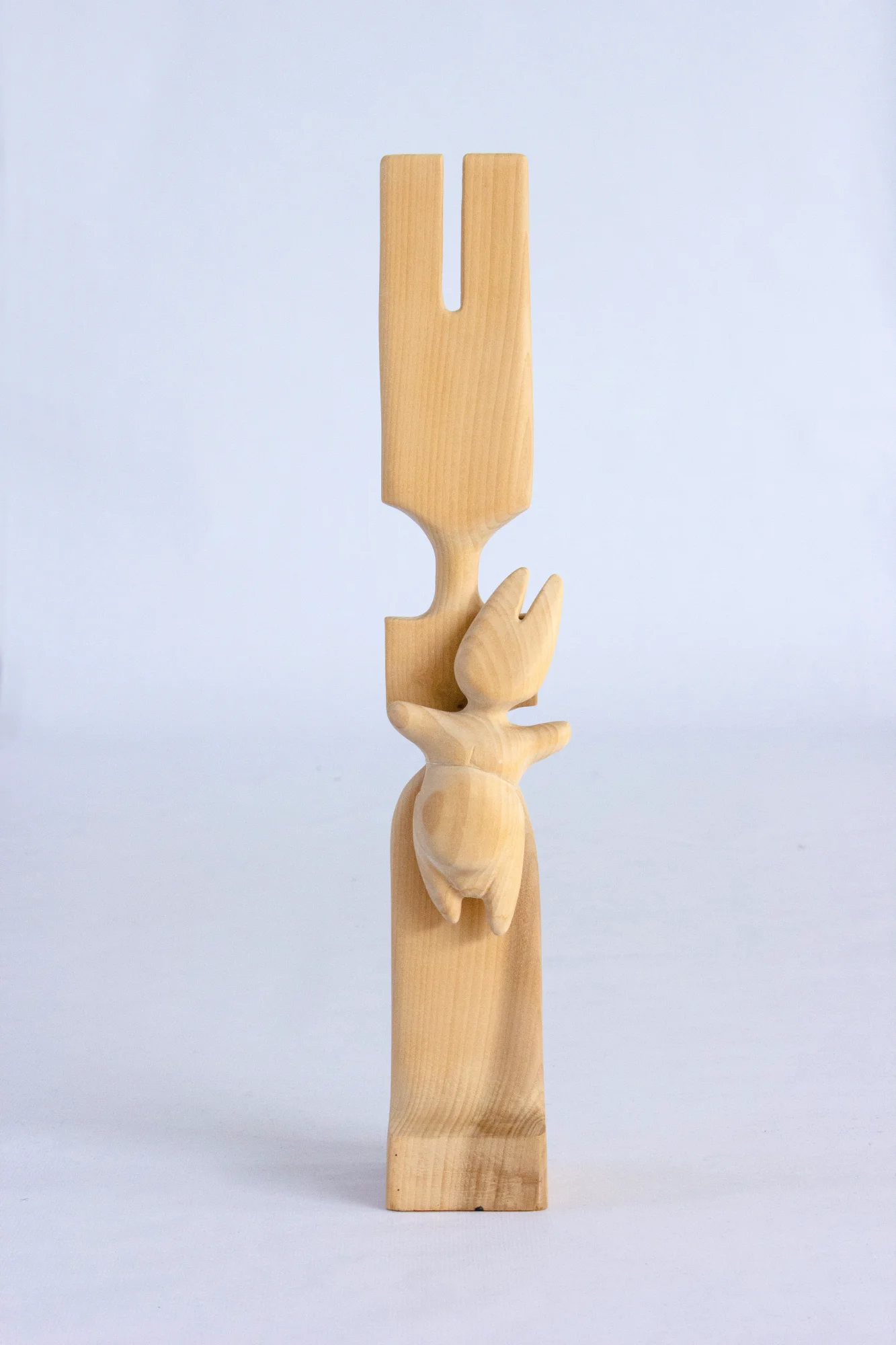
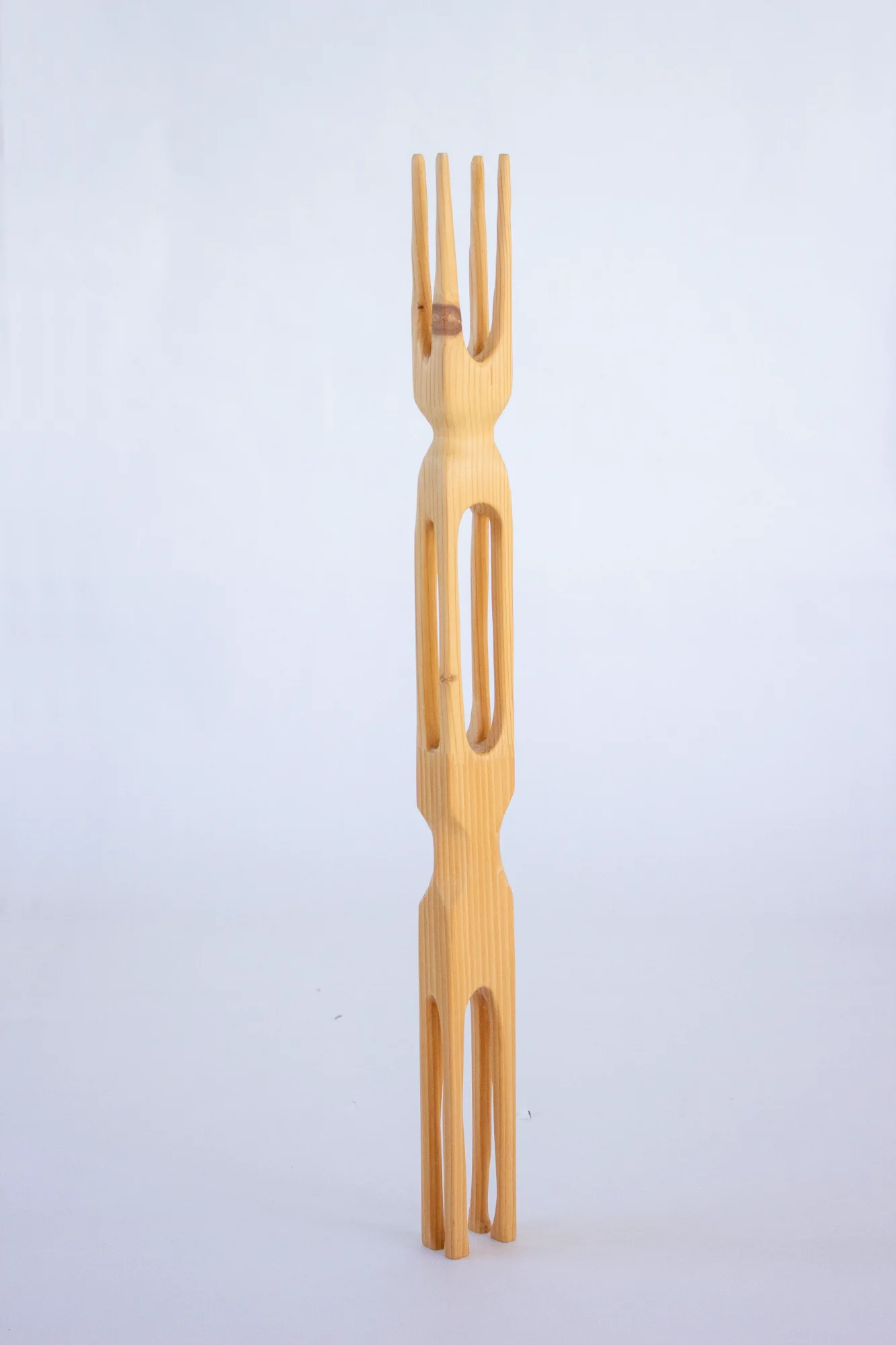
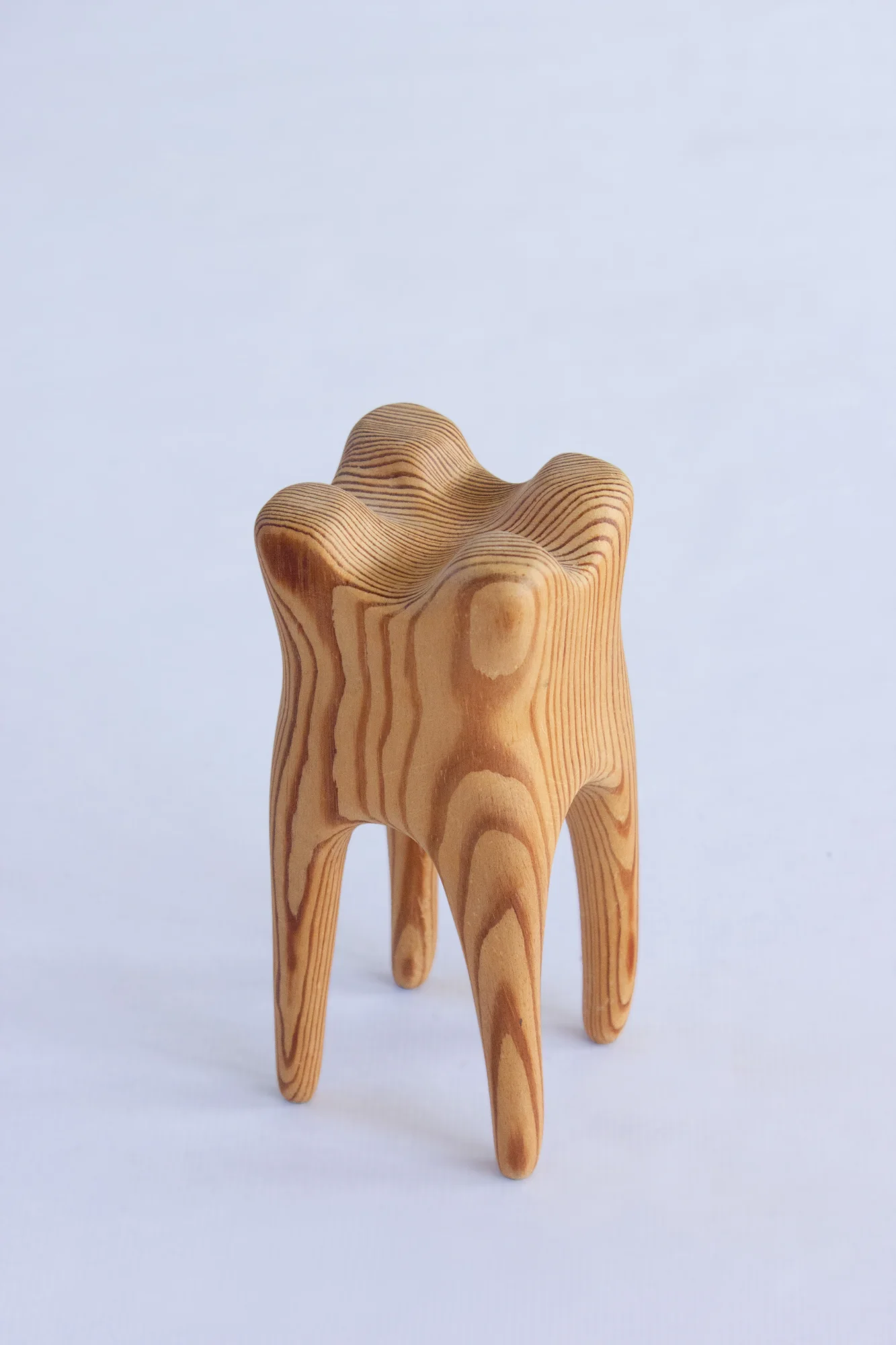
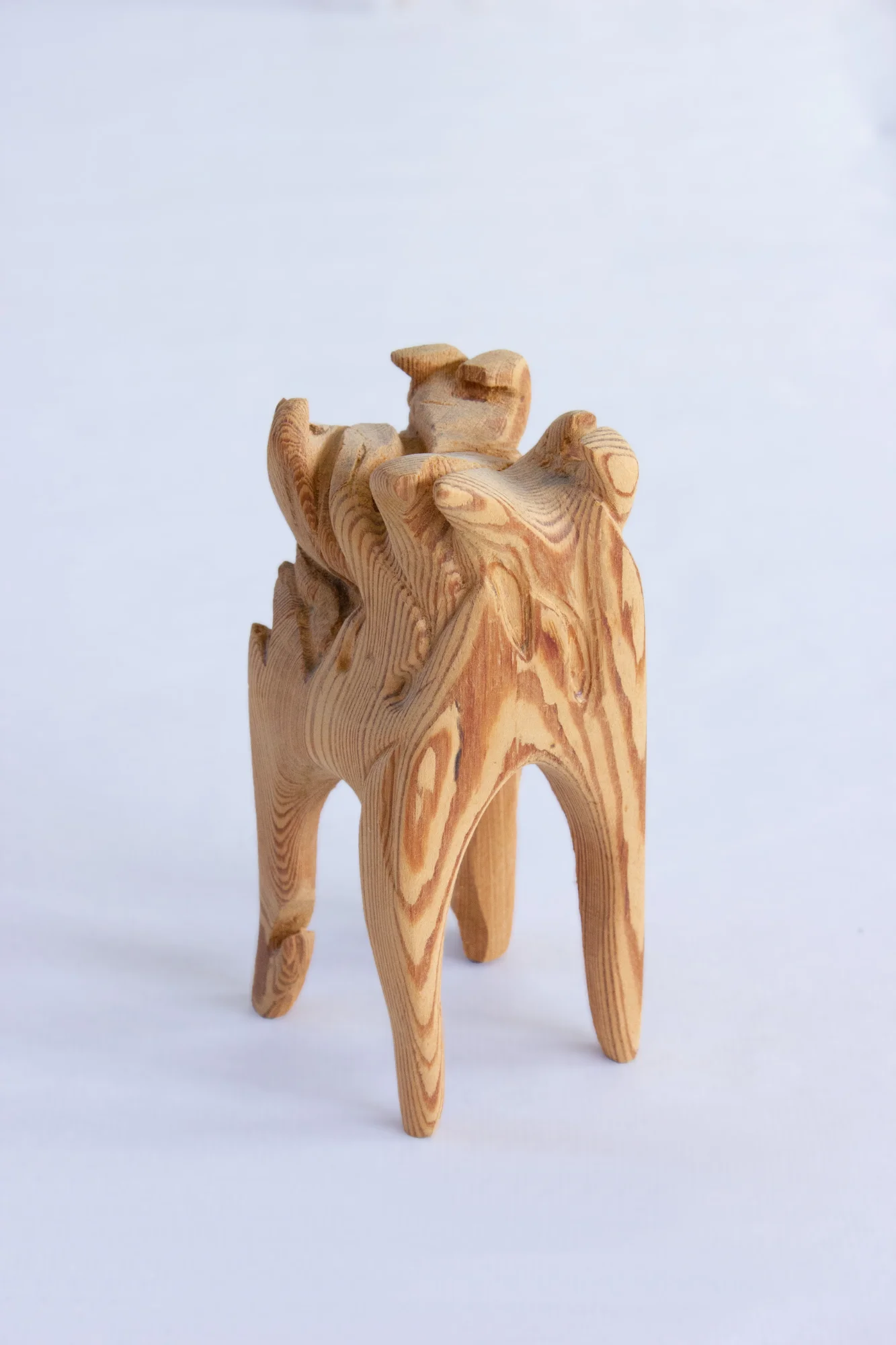
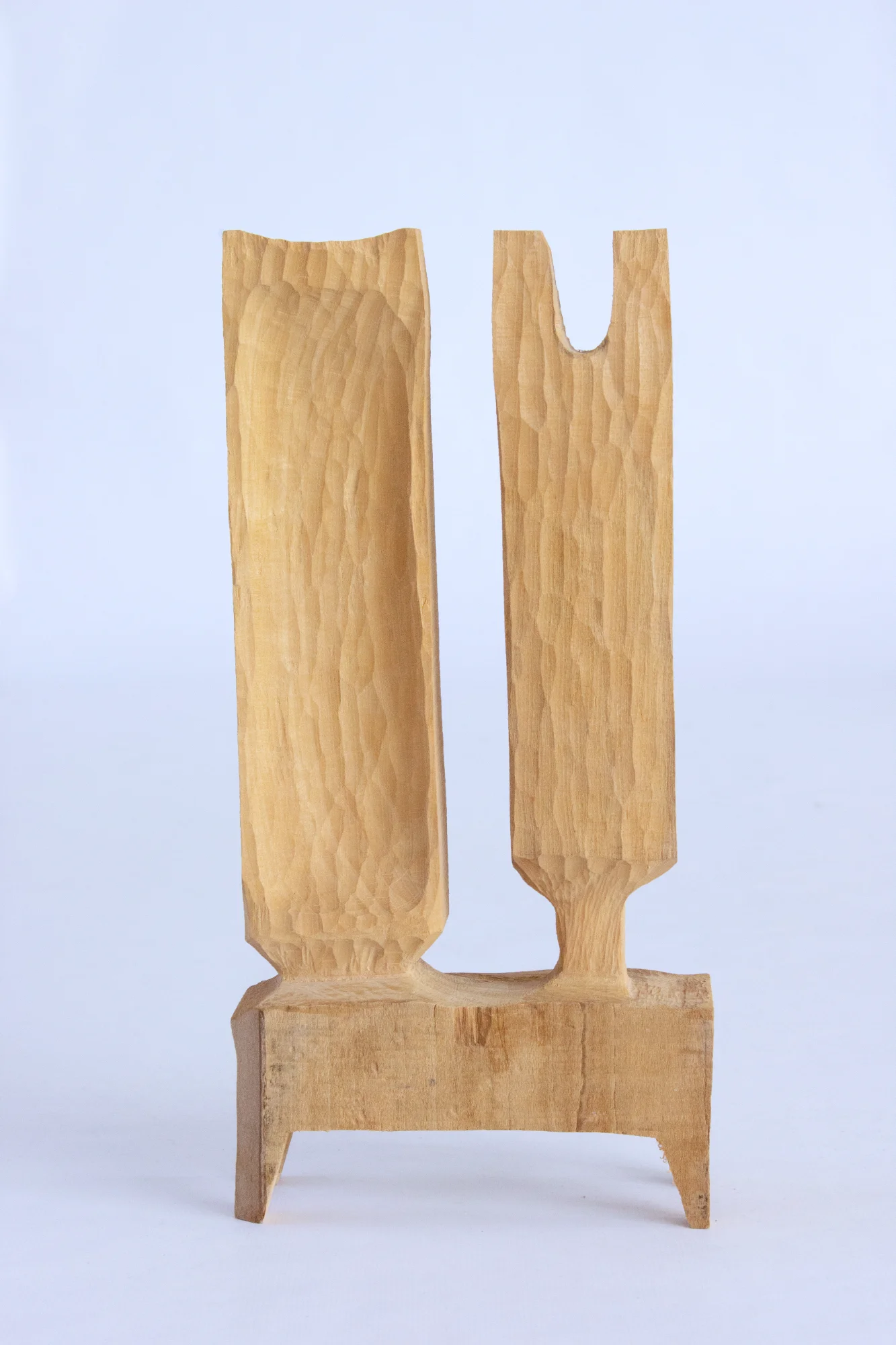
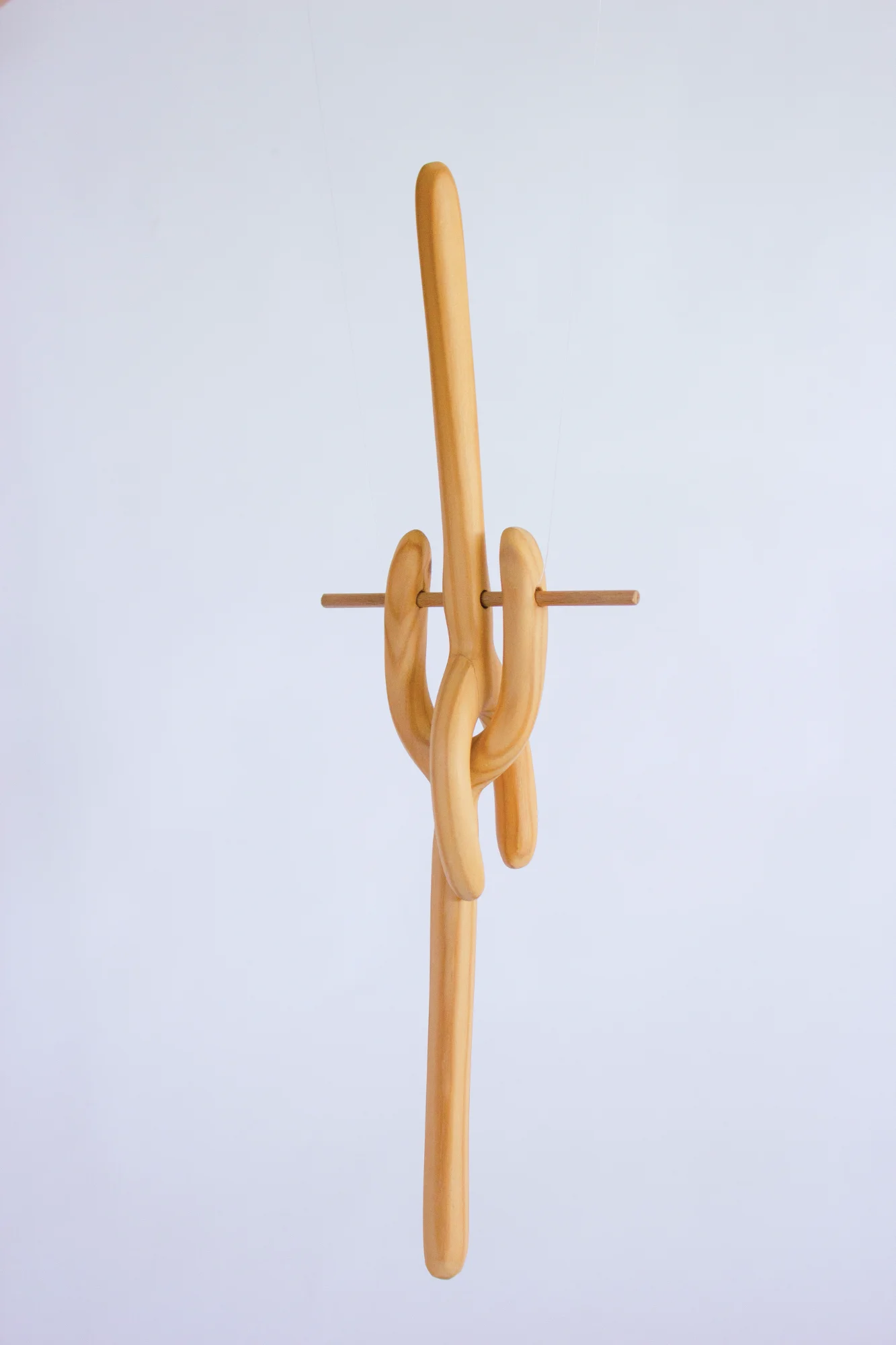
L’univers de le pomme de terre defines some of these essential forms: Baby tooth stands proudly on its soft legs, displaying all its innocence with its smooth skin of centuries-old pine. Its friends wait for it at the amusement park. It lives in a world drawn by bonds. Our world.
It knows that beneath its feet there is a chessboard as it walks through life, but it does not worry--there are several games. And they bend around the corners of the universe, generating new possibilities. However, in this world there are invisible threads, classifications, strata, and powers. They came to be perceived with open eyes while it played, with its calm simplicity of merely existing, one autumn afternoon on a bench. From the small to the global, L’univers de le pomme de terre investigates pure forms and brings them together, eventually transcending into transparent bonds and universal mechanisms.
pato ceramics
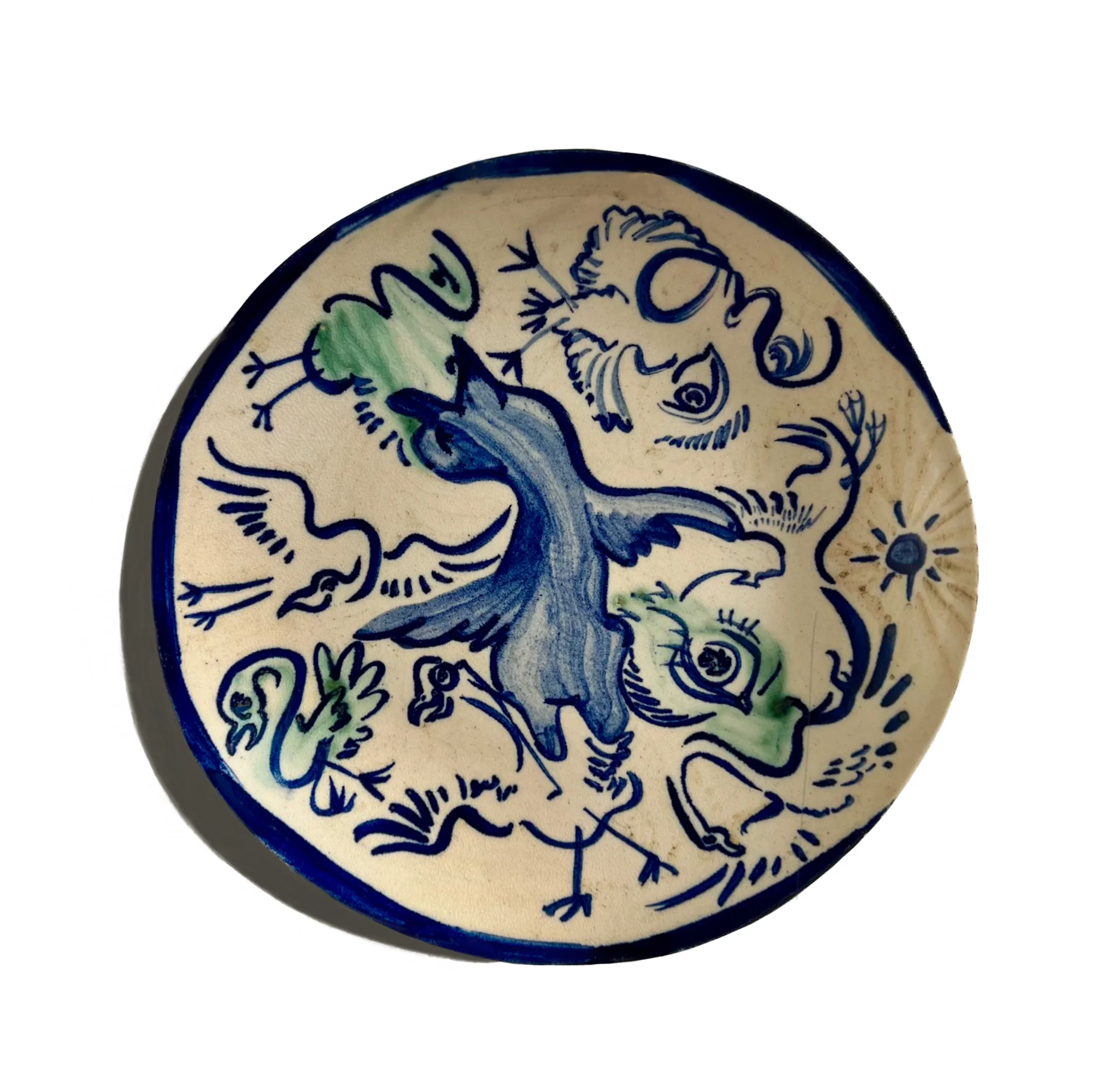
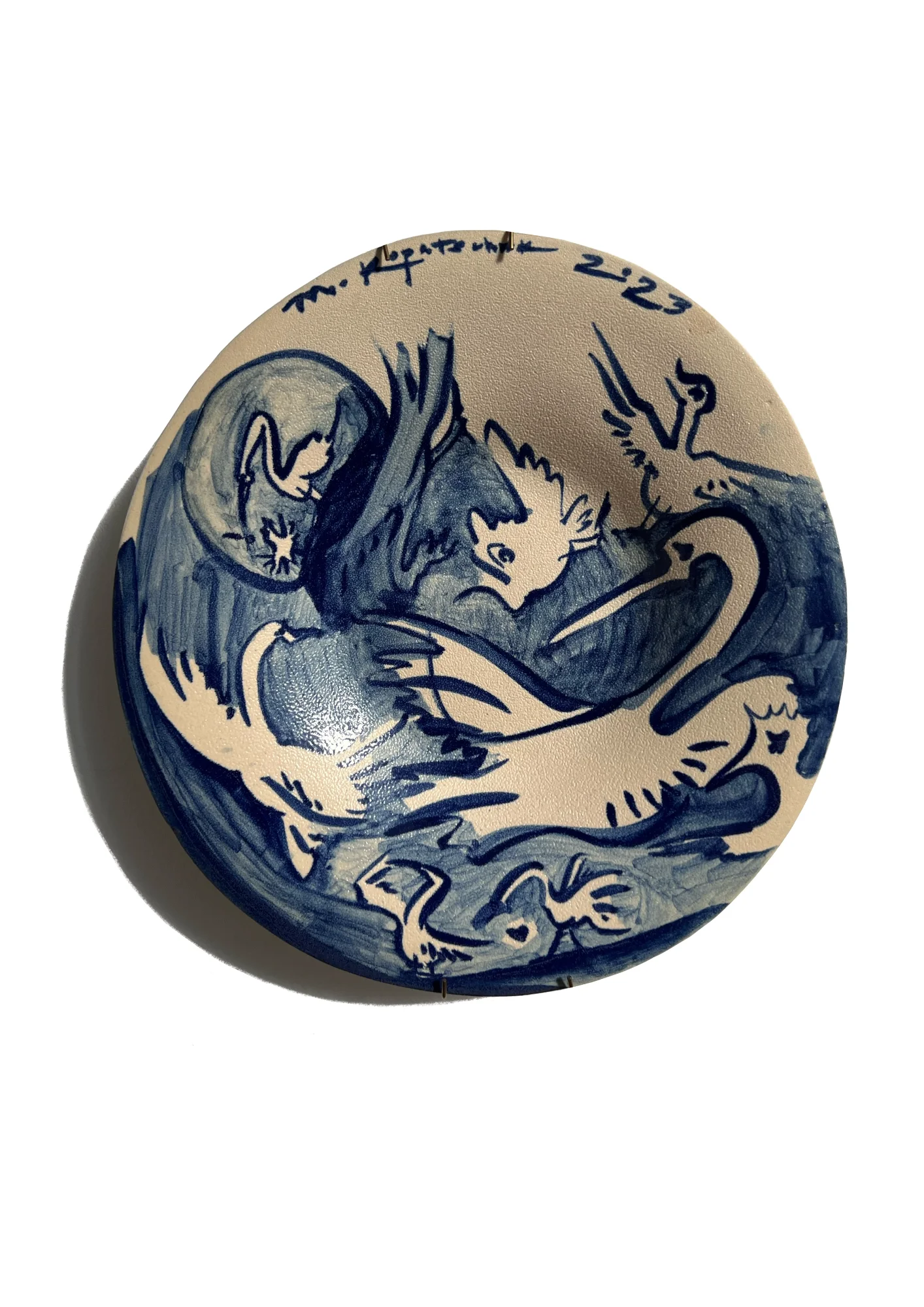
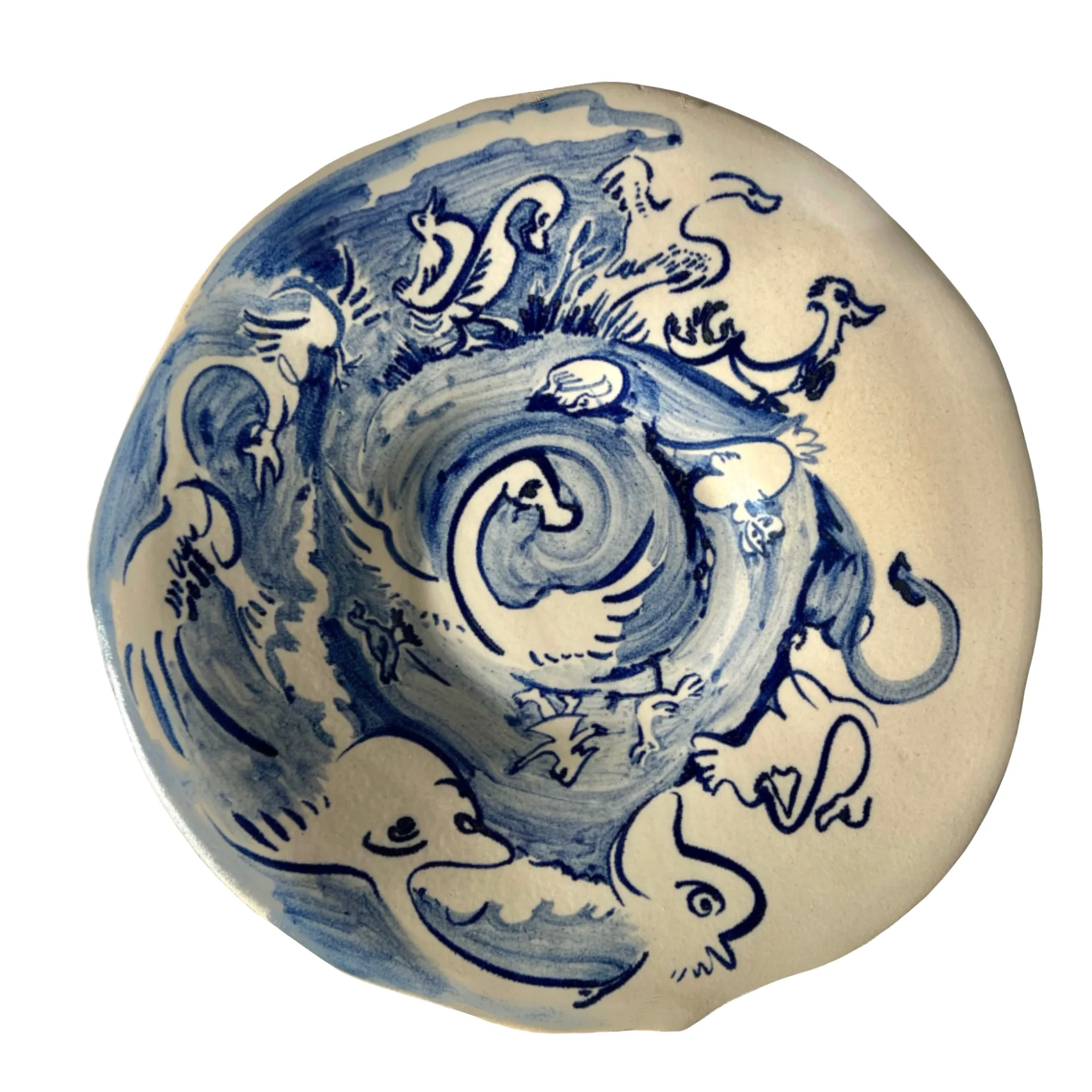
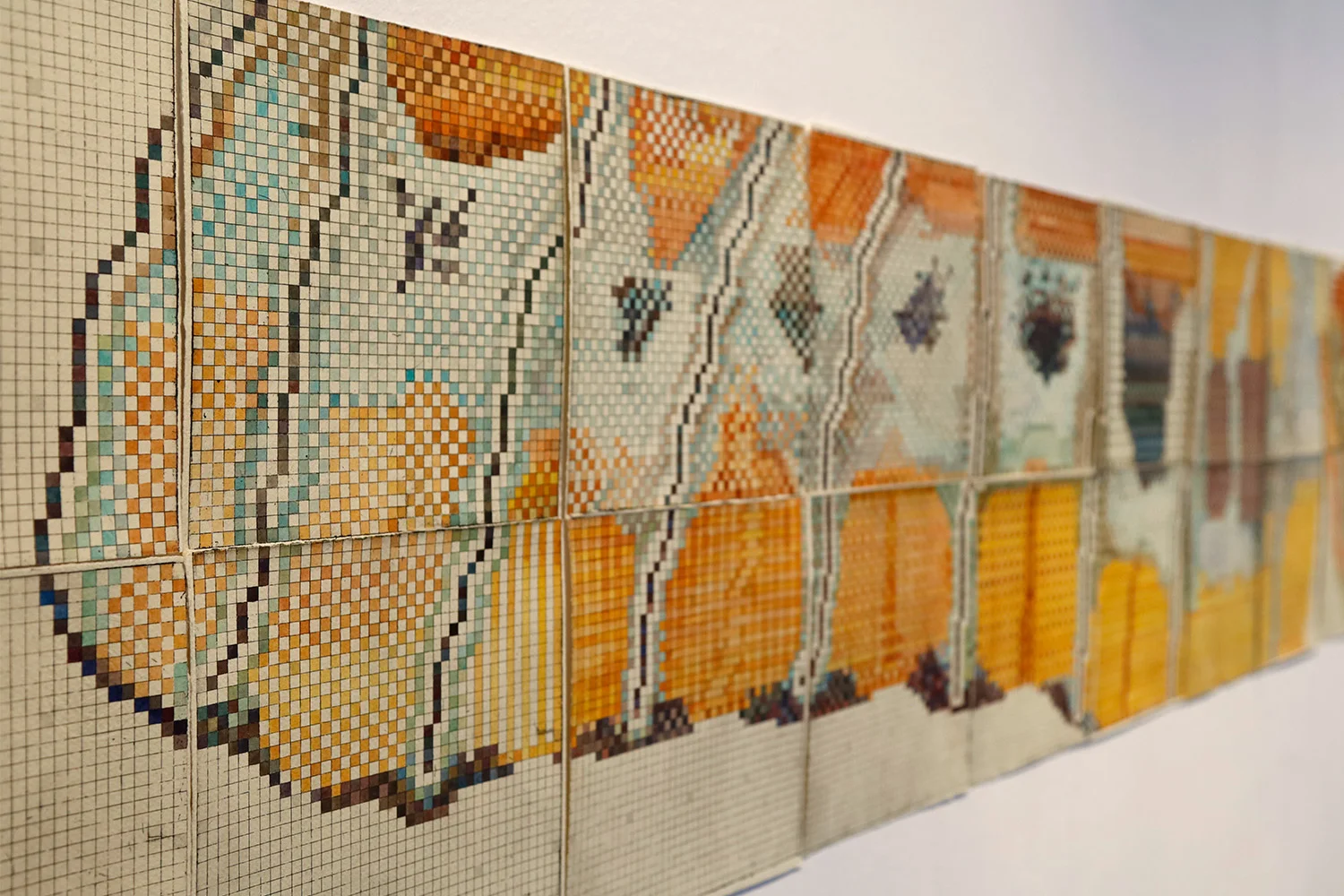
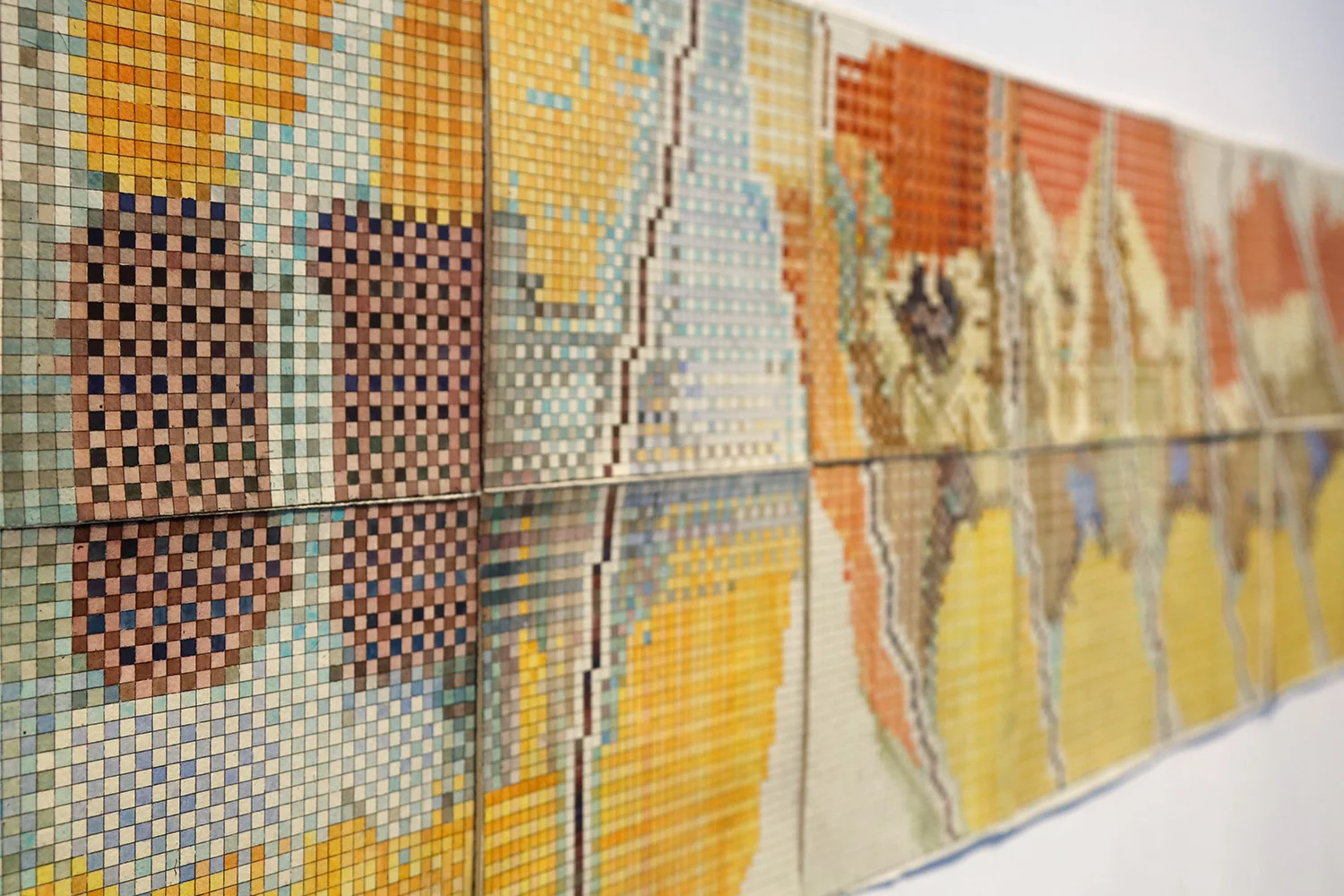
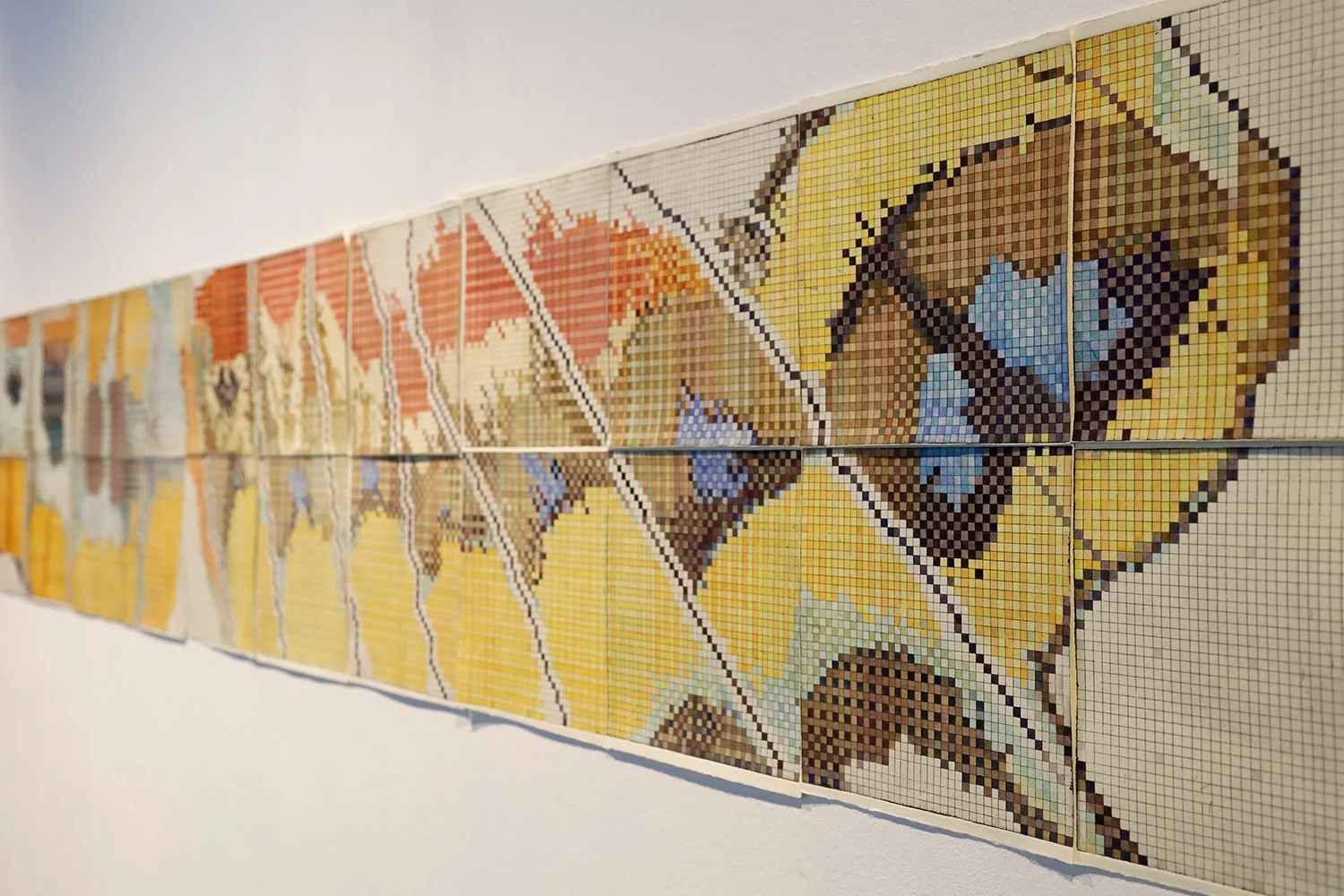
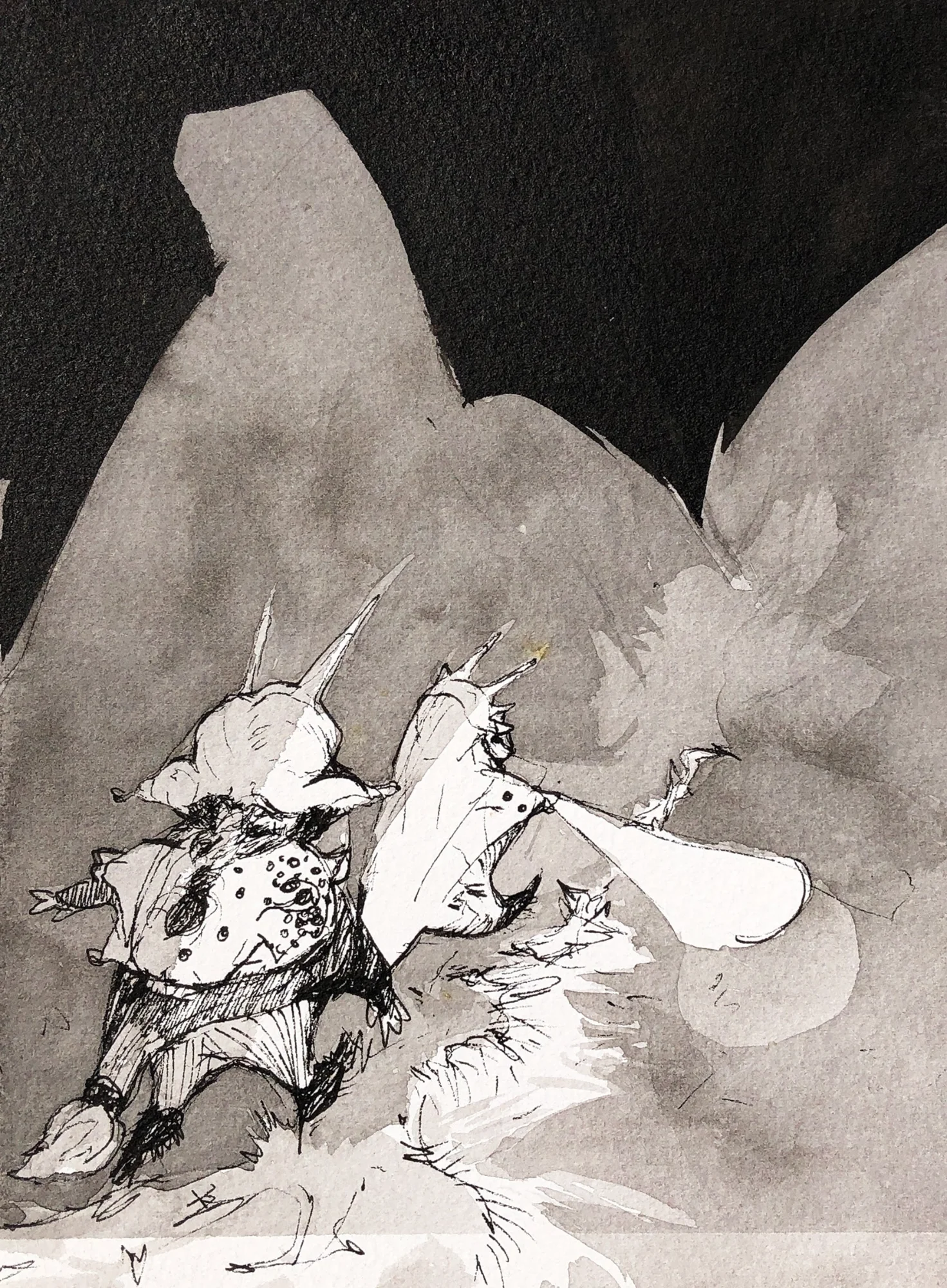
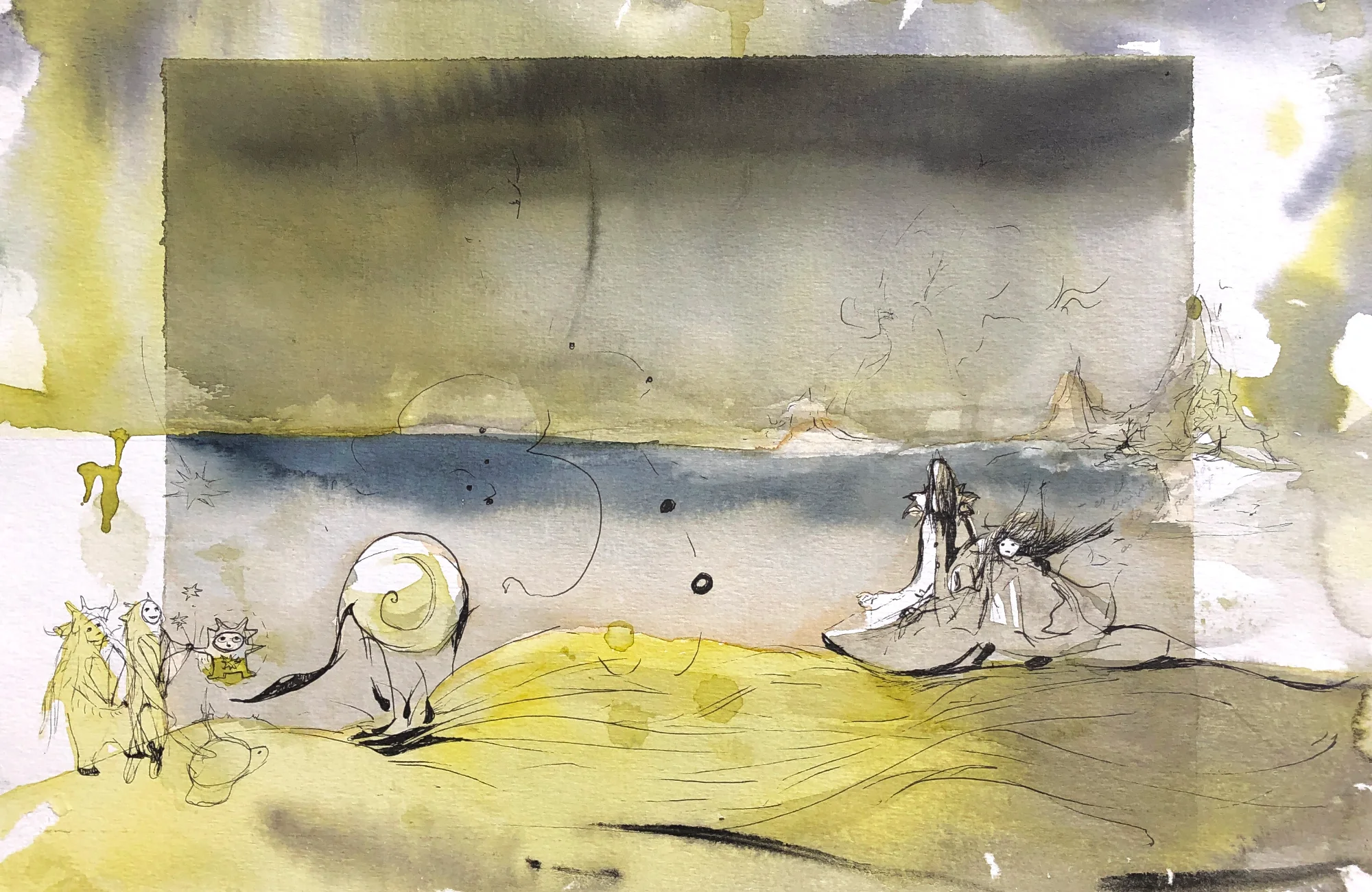
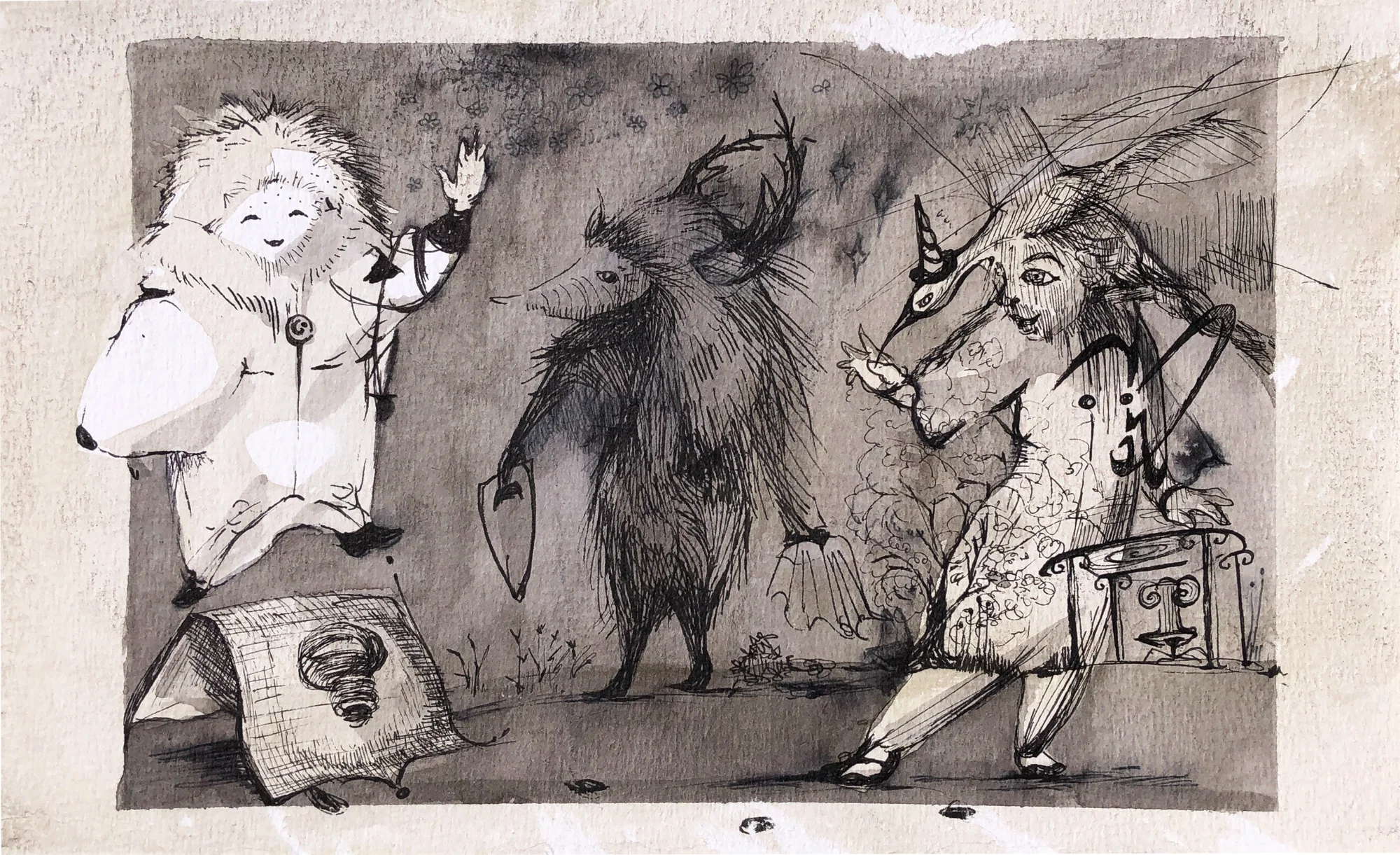
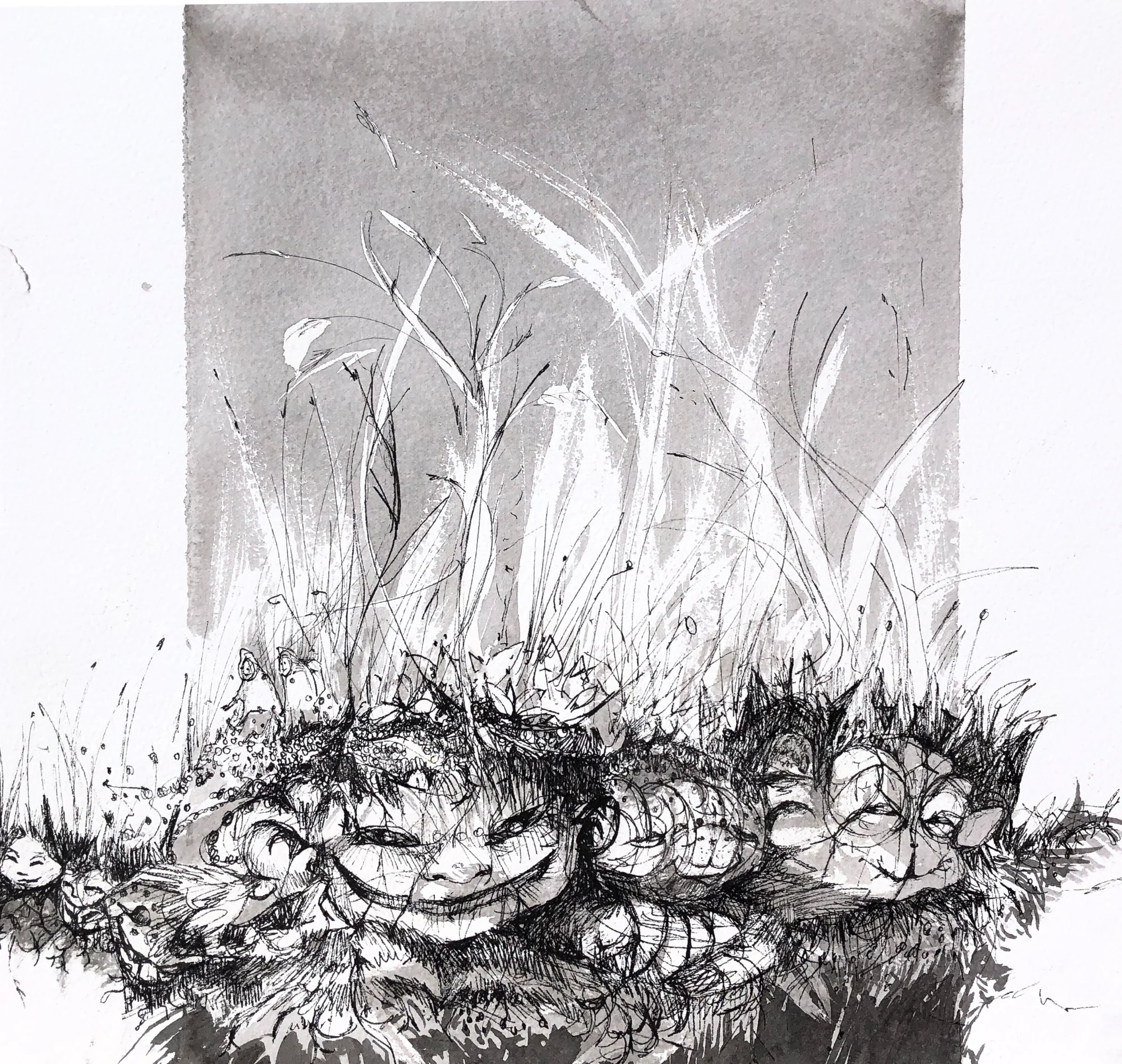
Pato ceramics was born from a desire to explore sculpture using clay, understanding ceramics as a natural extension of drawing. Each piece begins with a preliminary sketch that is transformed upon contact with the material: stoneware and porcelain impose their own rhythms and resistances.
The project investigates the narrative possibilities of the ceramic object. The figures—animals, hybrids, ambiguous forms—function as characters in a wordless story, where humor and the unsettling coexist on the same glazed surface.
The production process combines hand-modeling techniques, molds, and experimental glazing. The kiln introduces an element of chance that becomes part of the artistic language: cracks, color variations, and deformations are not errors but rather gestures of the material itself.
el teatro de las plantas
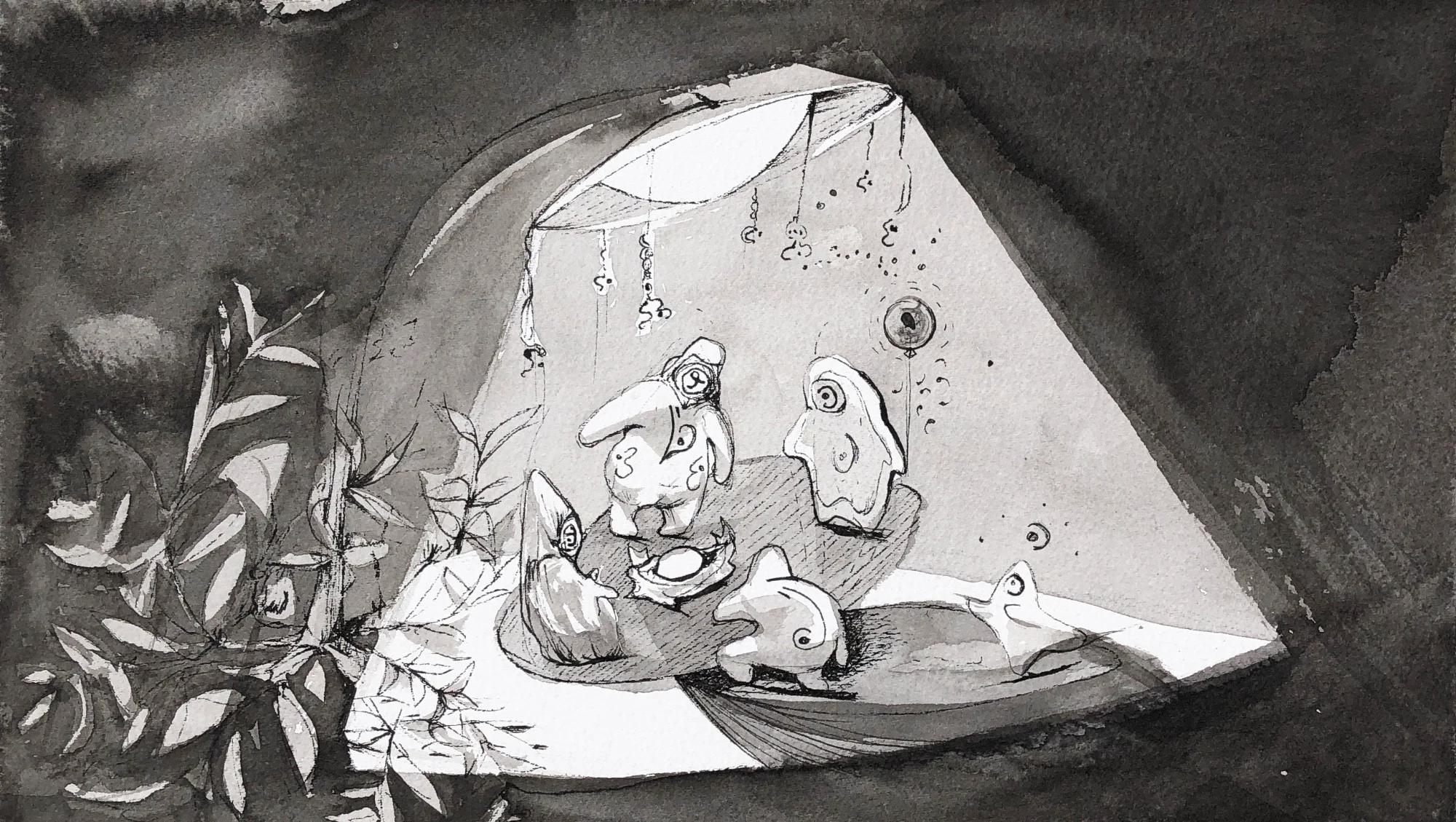
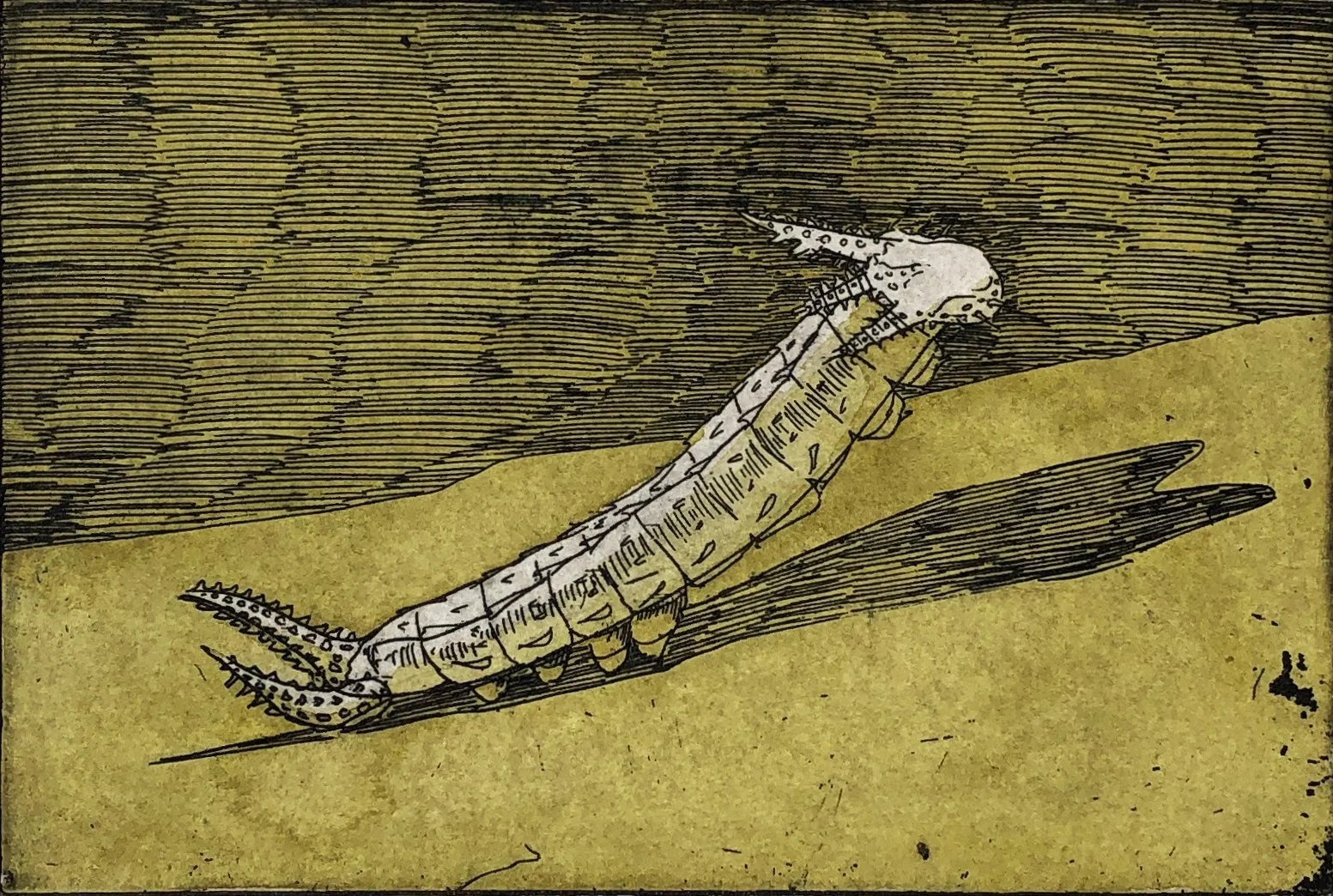
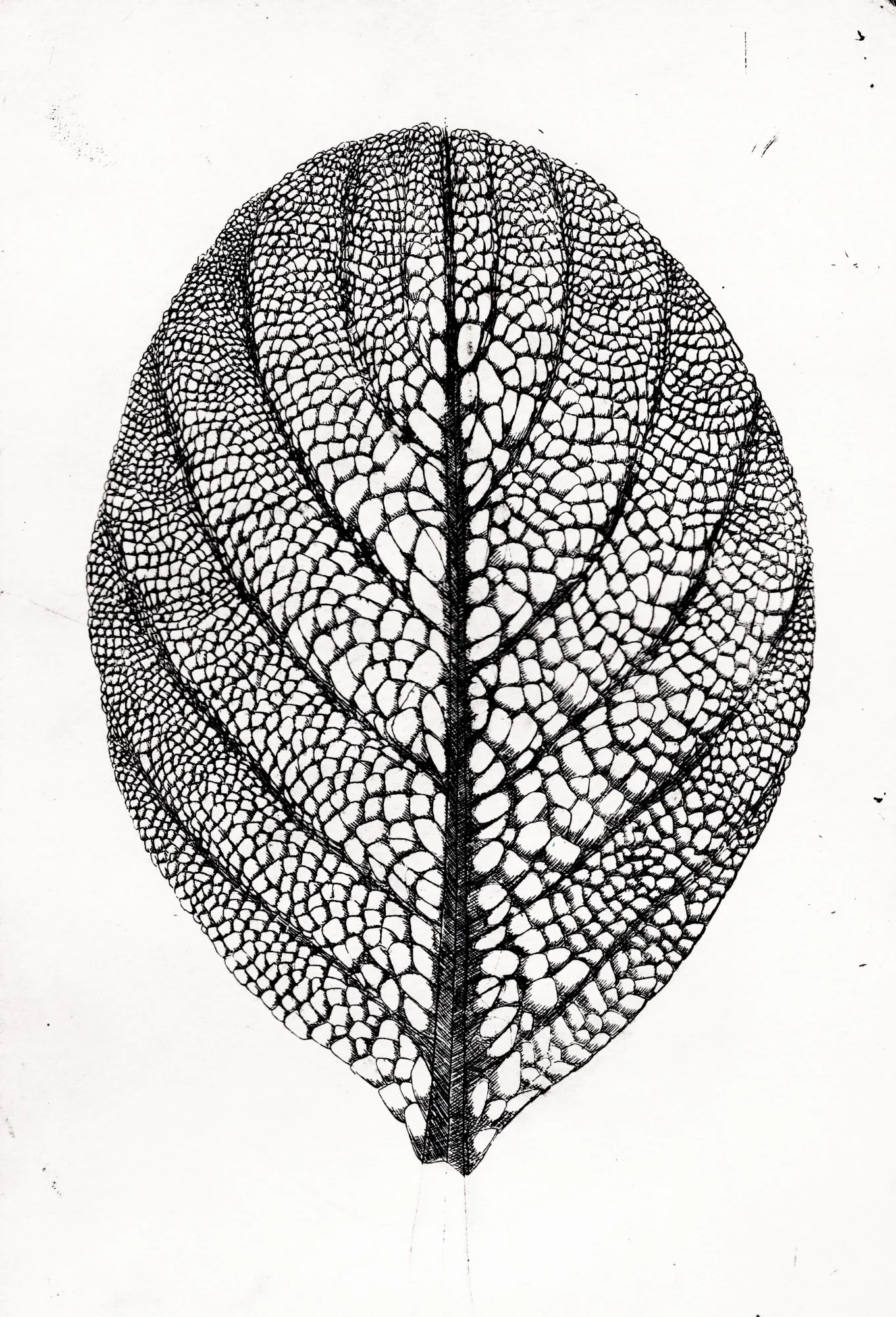
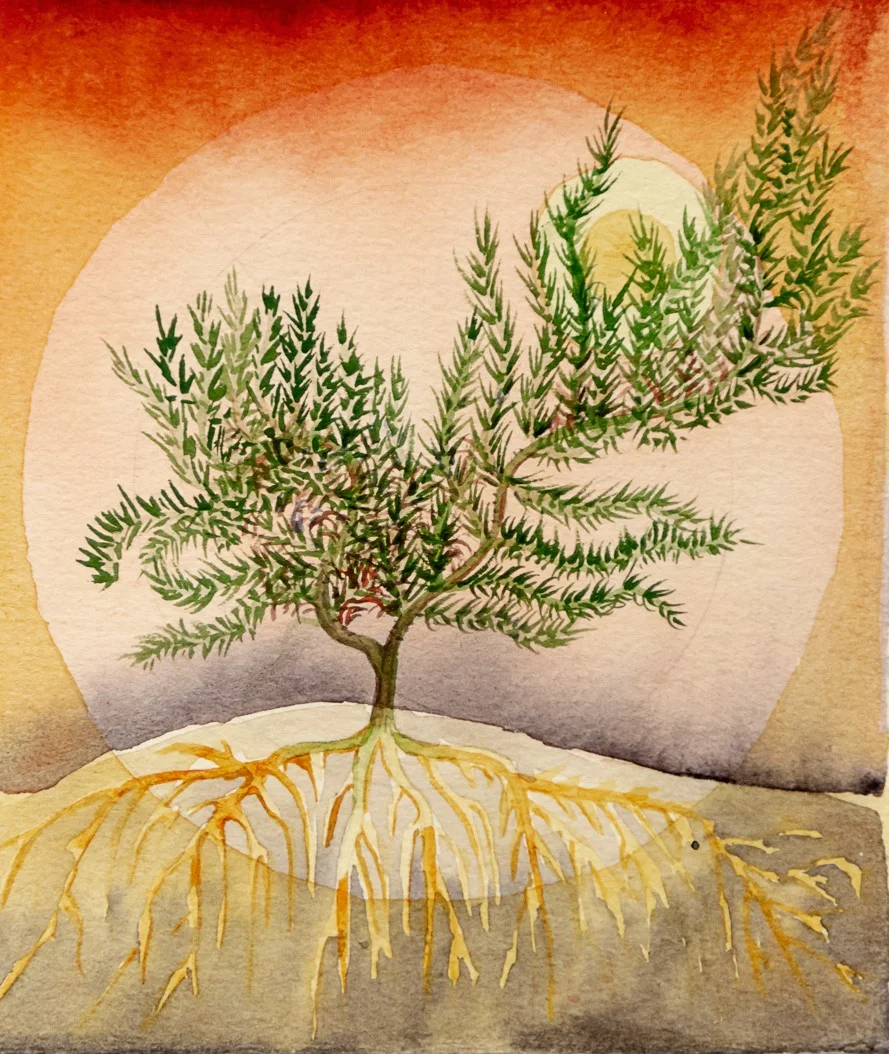
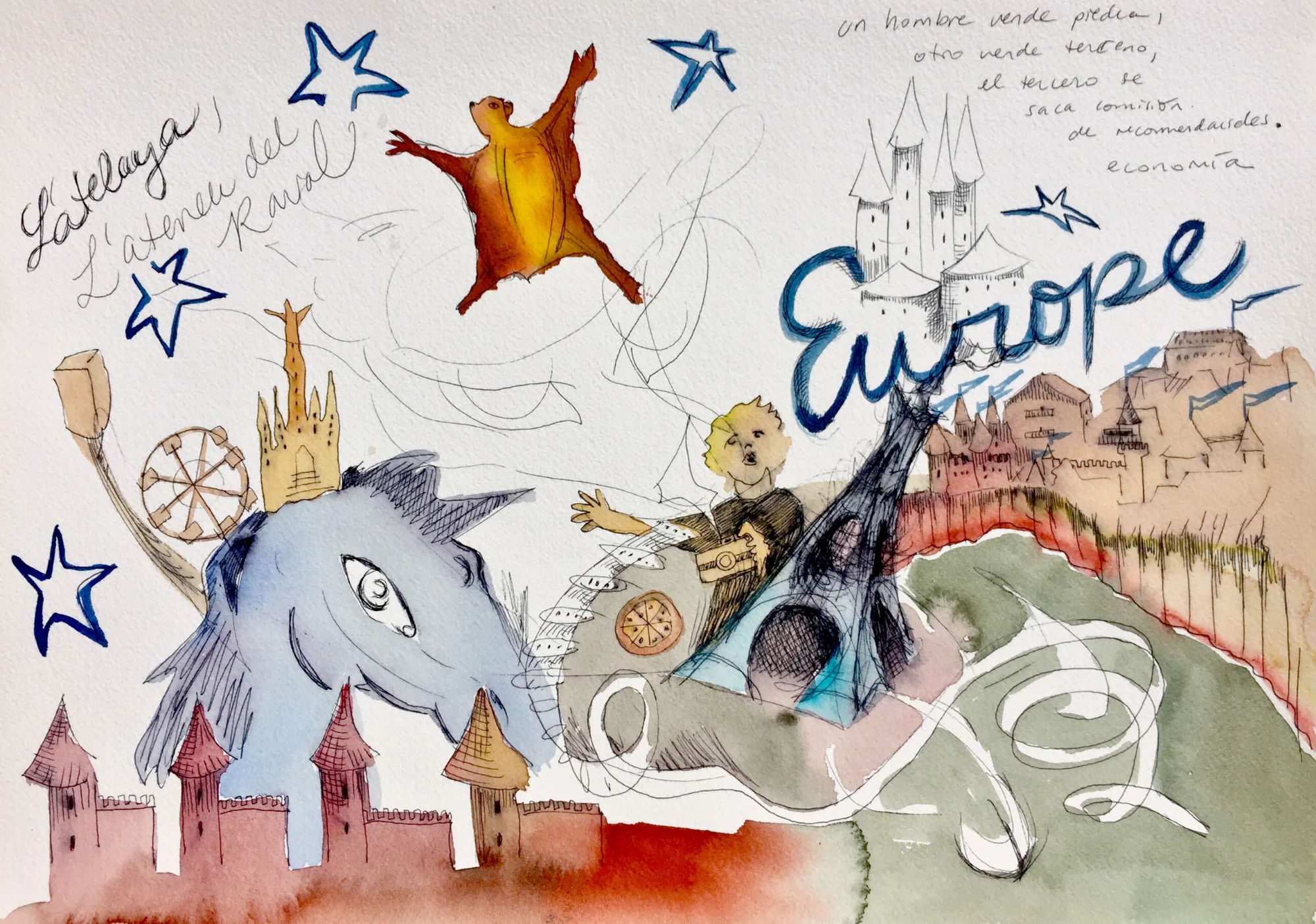
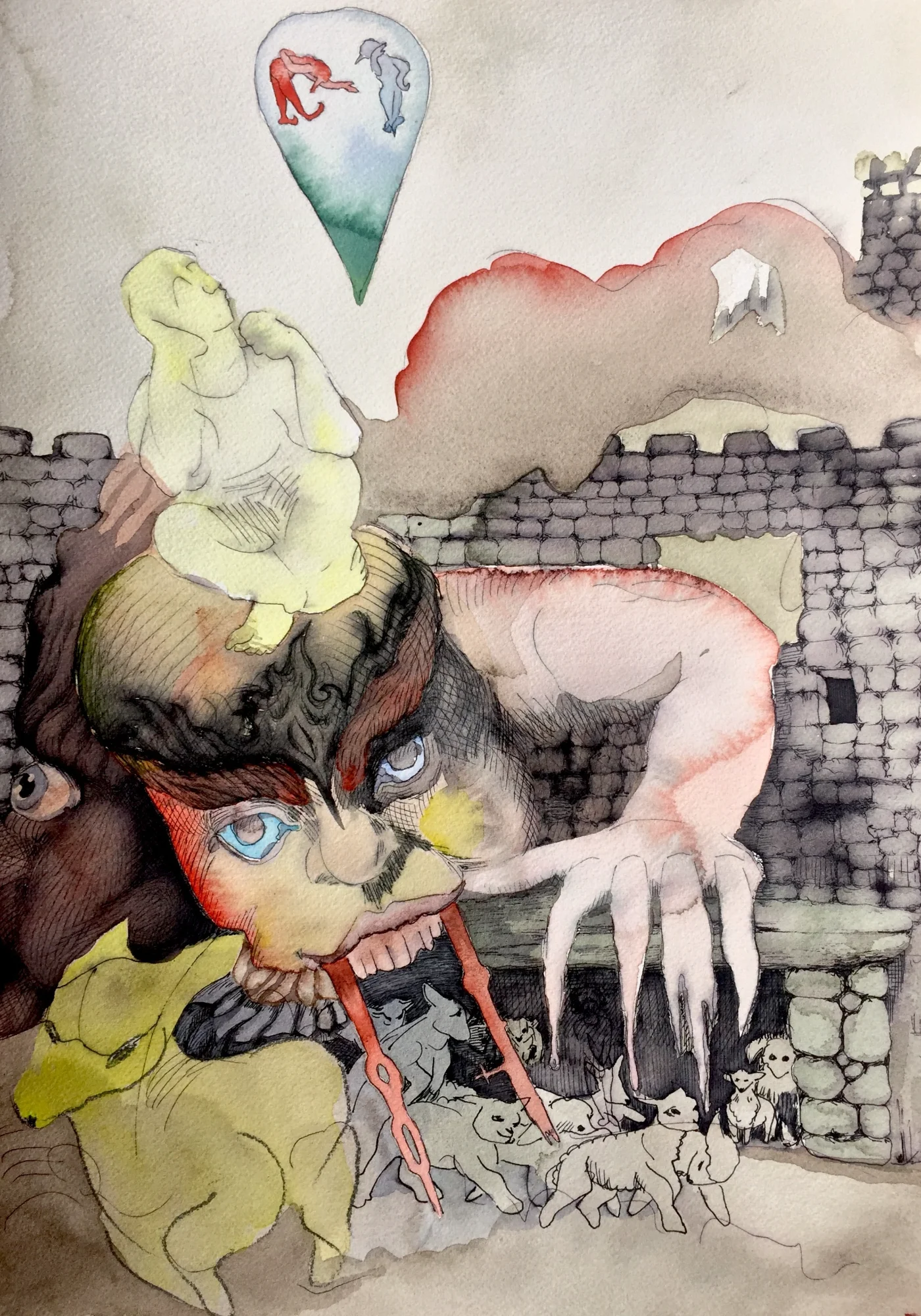
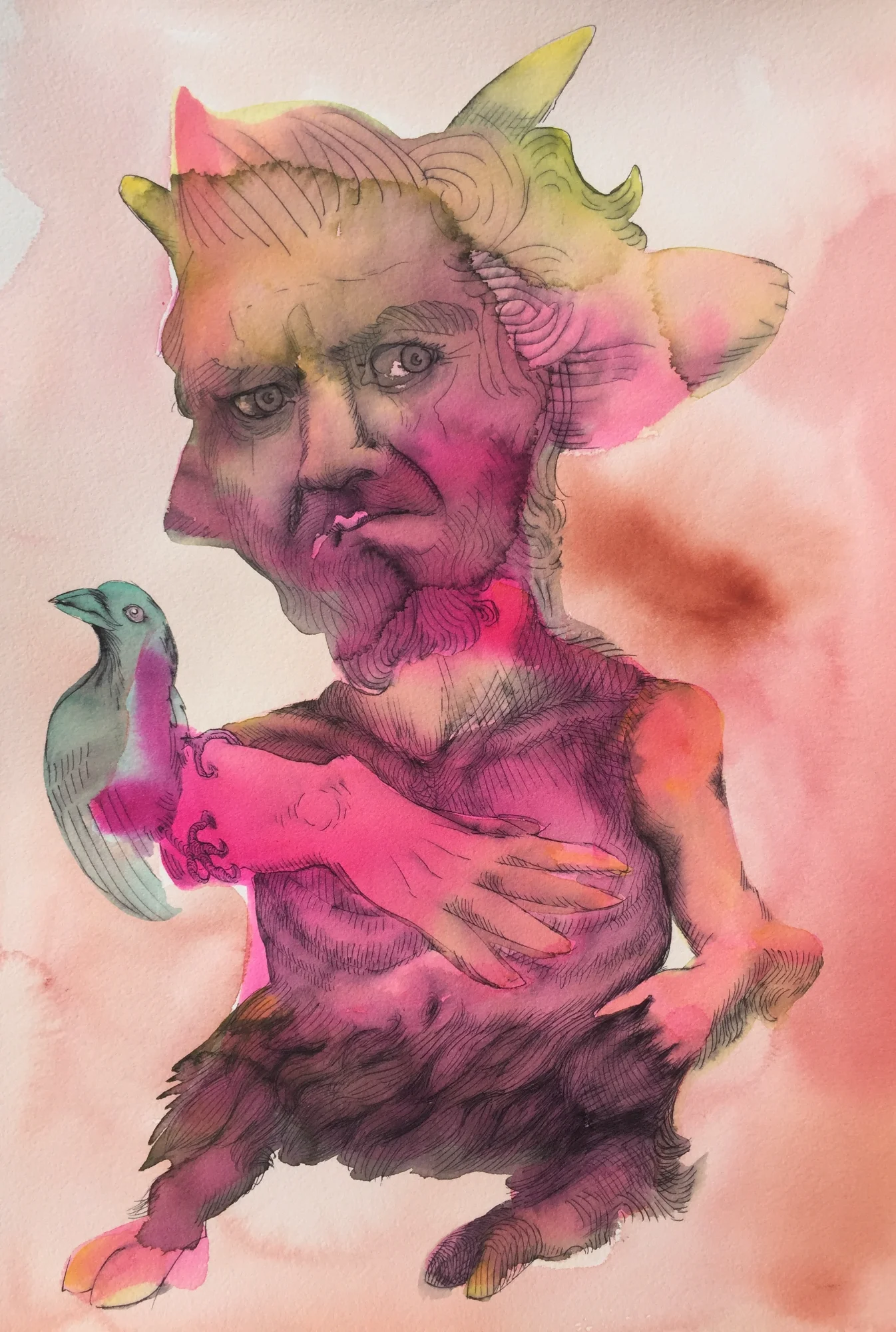
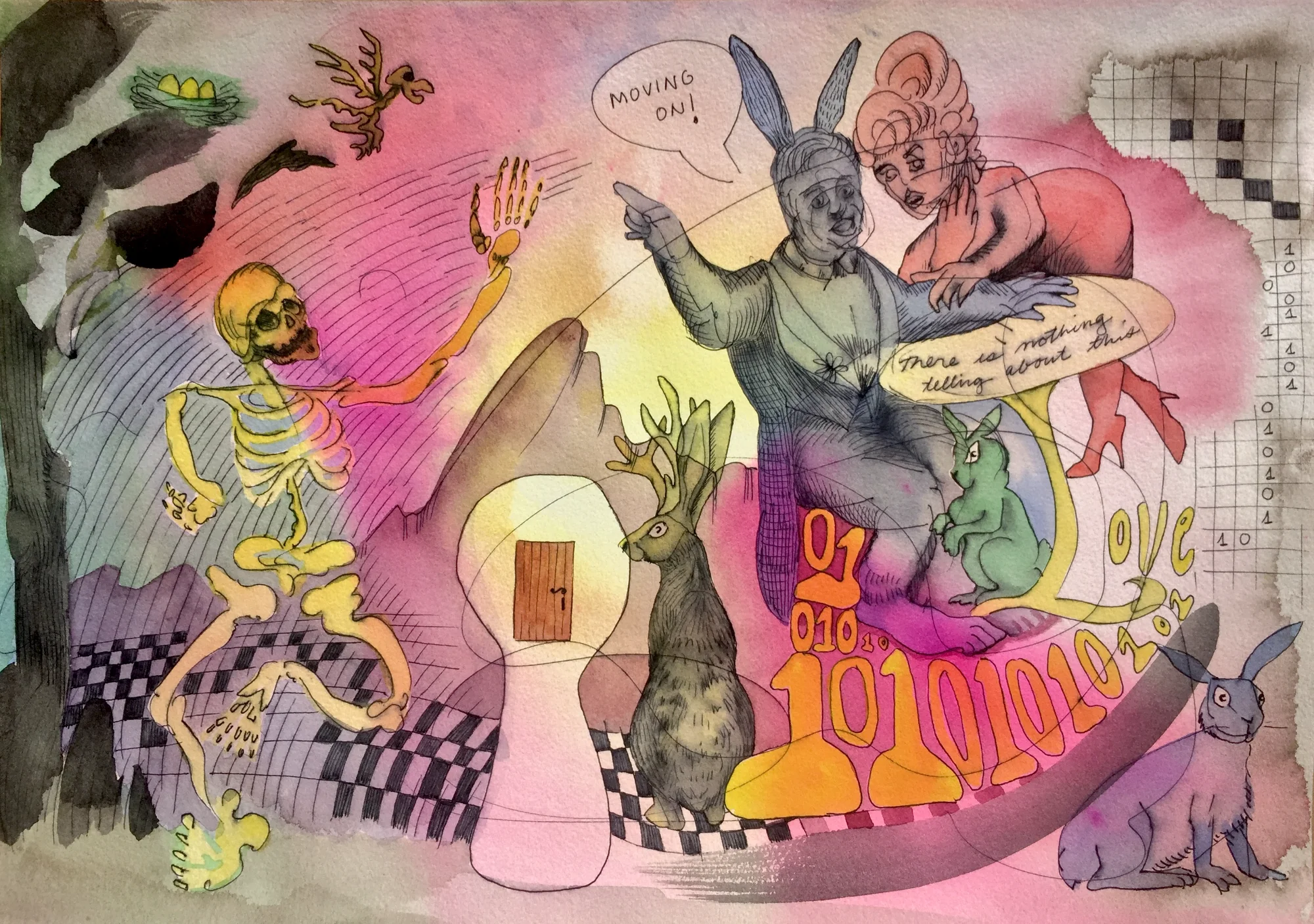
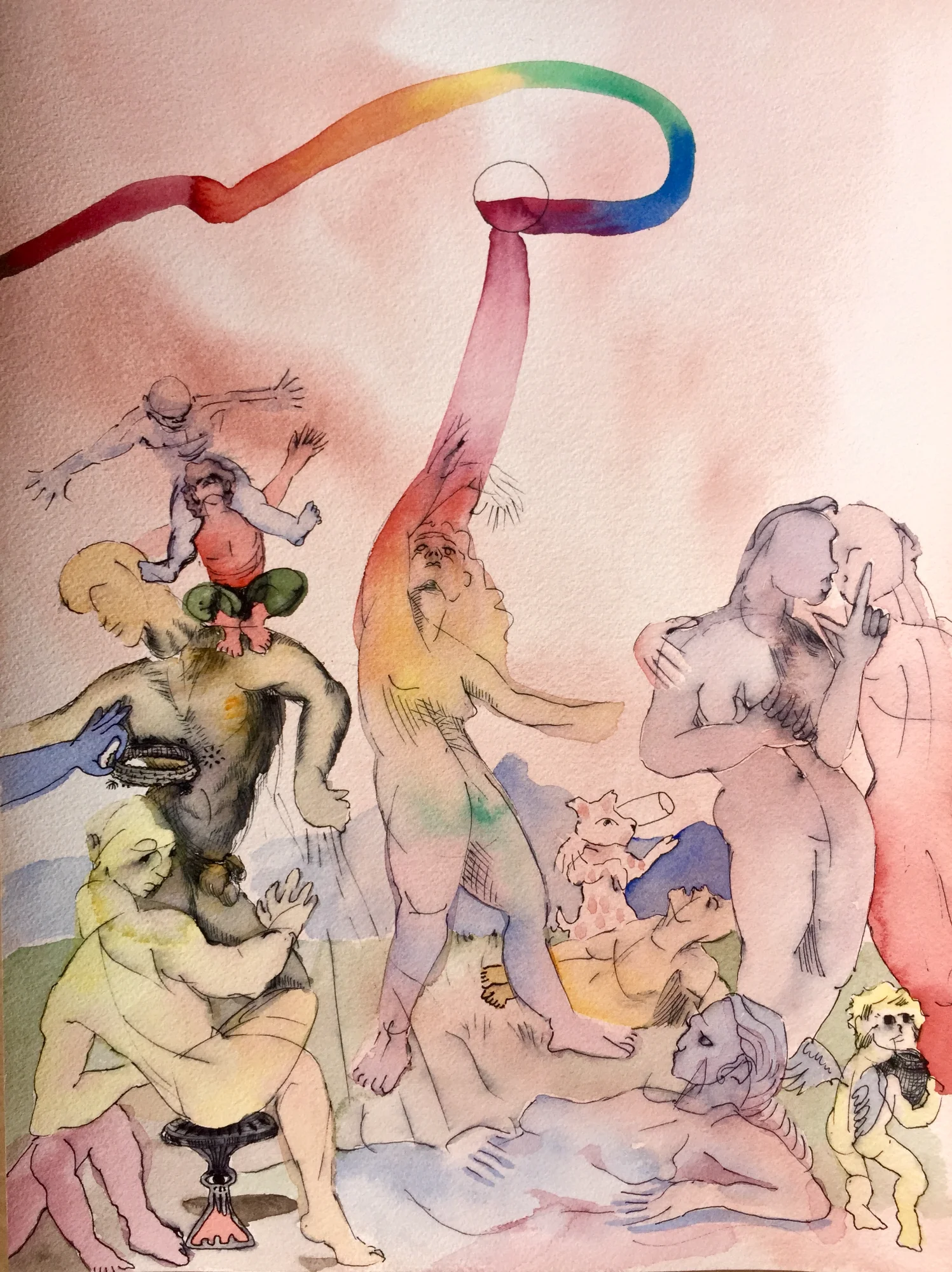
El teatro de las plantas is an ongoing work that investigates life in the ecosystems of Collserola through observation, drawing, and imagination. Initially selected for the Art i Ciutat Sant Cugat 2022 call, it was inspired by the revolutionary ideas through which various authors, from Demócrito, through Darwin, and arriving at current neurobiologists of the plant world such as Monica Gagliano or Stefano Mancuso, have expressed their conviction that plants are endowed with abilities and sensitivities far more refined than those commonly observed.
The project begins from the desire to explore narrative and poetic possibilities when we imagine existence from perceptions different from usual human temporality and movement. It begins by observing the nature of Collserola to culminate in drawings that express the growth patterns of plants and insects. The lines that shape them provide information about their ordered development over time. These patterns refer to ideas and symbols present in our subconscious and, therefore, in the art and literature of contemporary authors and those who came before us. Many pieces also experiment with narrative scenes and associations. Along this path, we find a repeated contemplation of the unknown through characters who discover tiny worlds of fantasy.
These scenes give off a nostalgic lyricism of childhood as a time of discovery and imagination. As El Teatro de las plantas advances, ideas related to lunar cycles arise, which are reflected in rhythmic and regular synchrony in the life of ecosystems, and also questions about the sun and seasonal cycles. Little by little, time fades and the only measure left is change. A complex and muted beat reproduces the celestial sphere in the movements of the forest.
This project had its second stage in 2024, being selected for the 'Convocatòria d'Exposicions 2024' of CC Pere Pruna.
The new edition seeks to reveal the invisible links between what eludes being seen, and to give material form to possible imaginaries arising from non-hierarchical relationships and human celebrations.
Its inspirations are as diverse as botanical engravings, science fiction novels, comics, animated cartoons, magic, Greek mythology, and popular folklore. El teatro de las plantas serves as a theoretical framework for the need for self-knowledge and reflection on the environment we inhabit.
se acabaron las bacanales
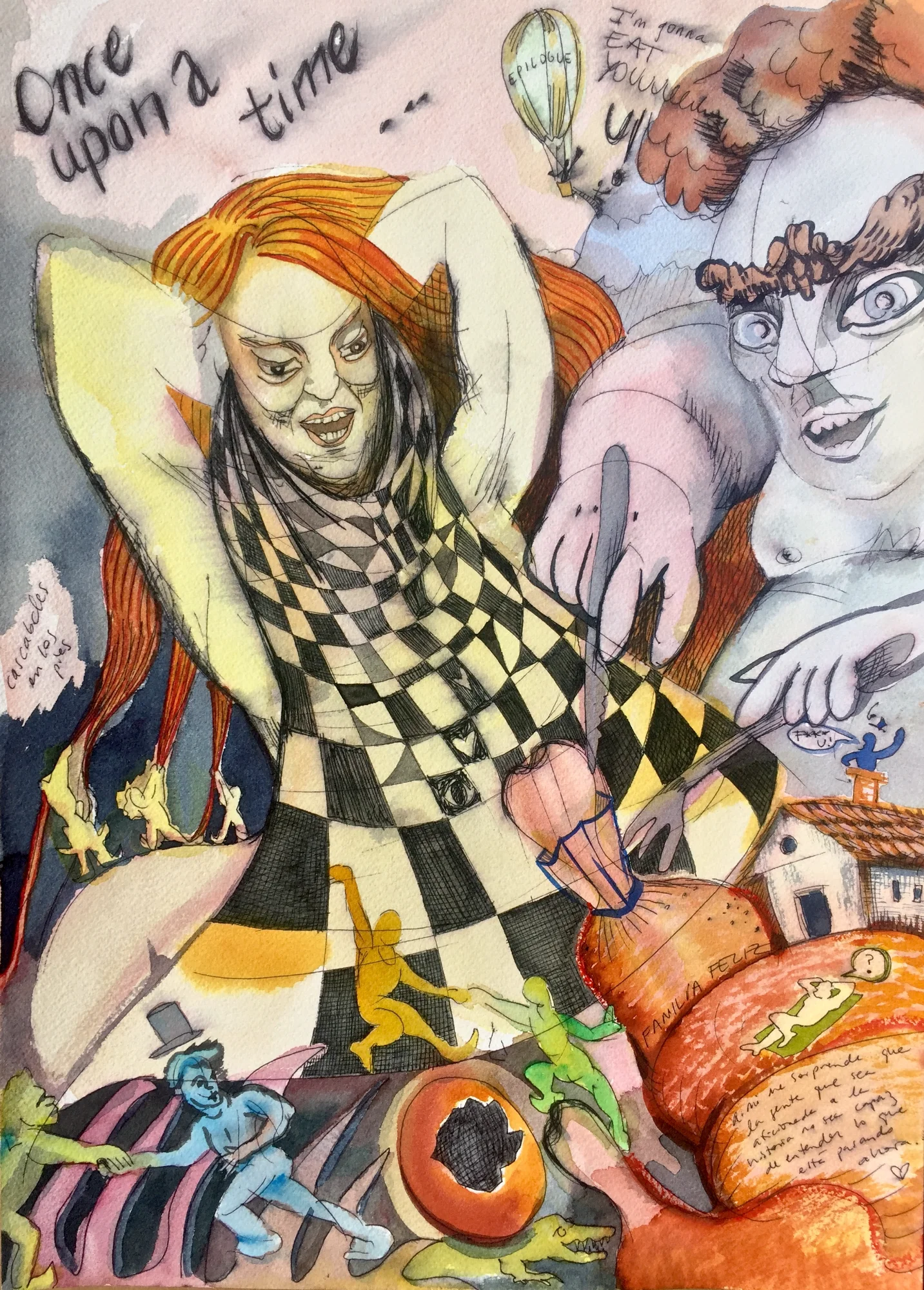
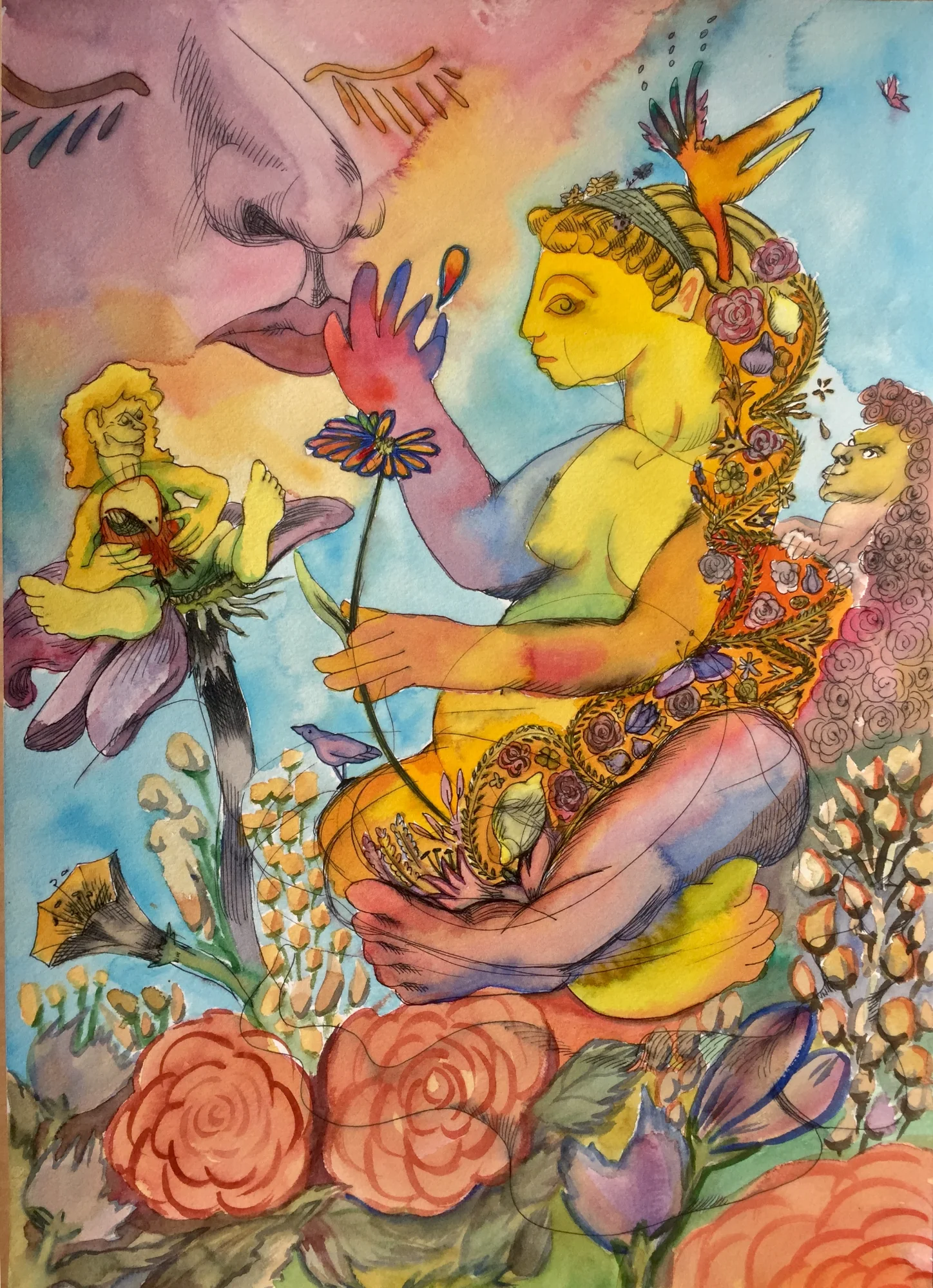
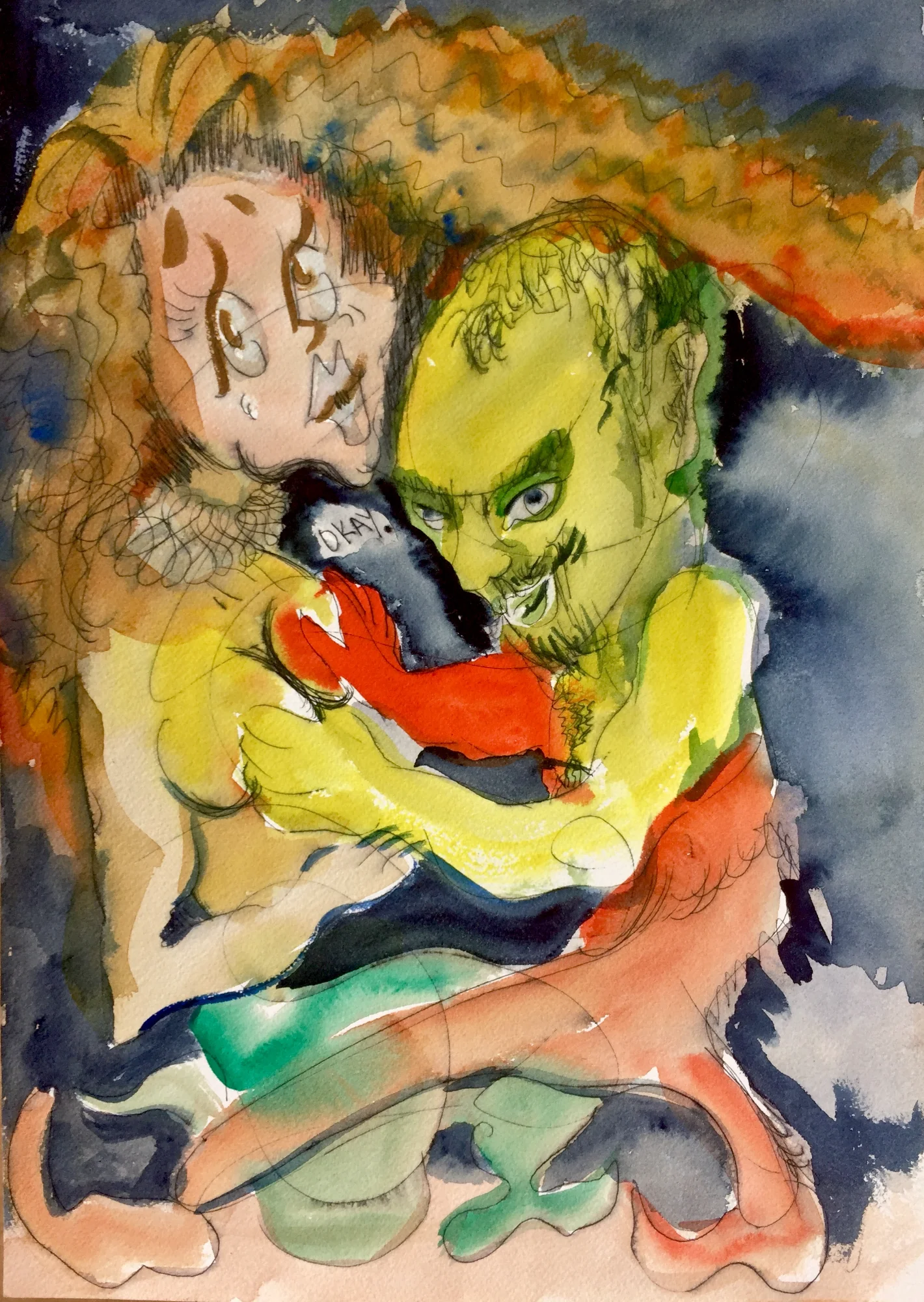
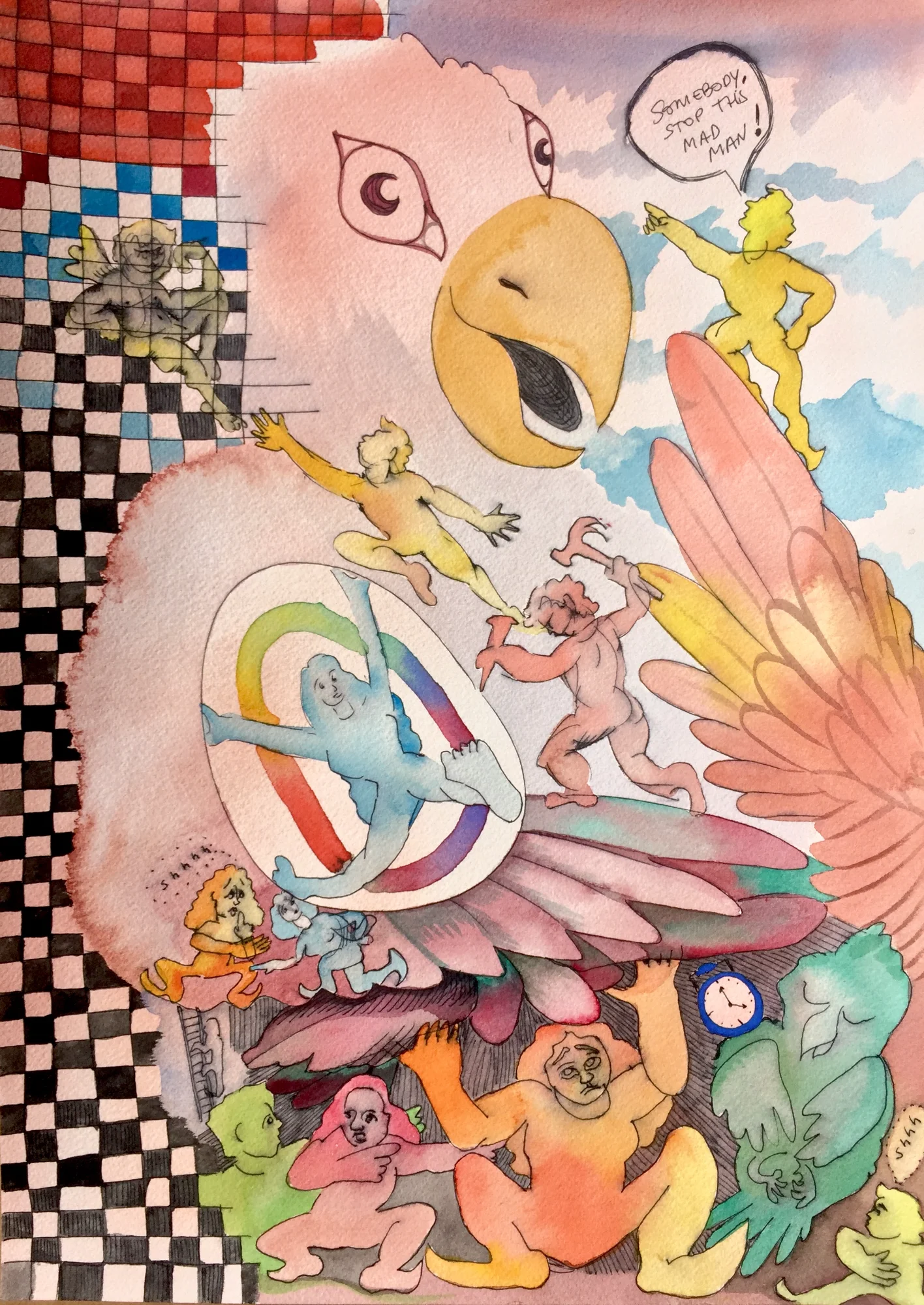
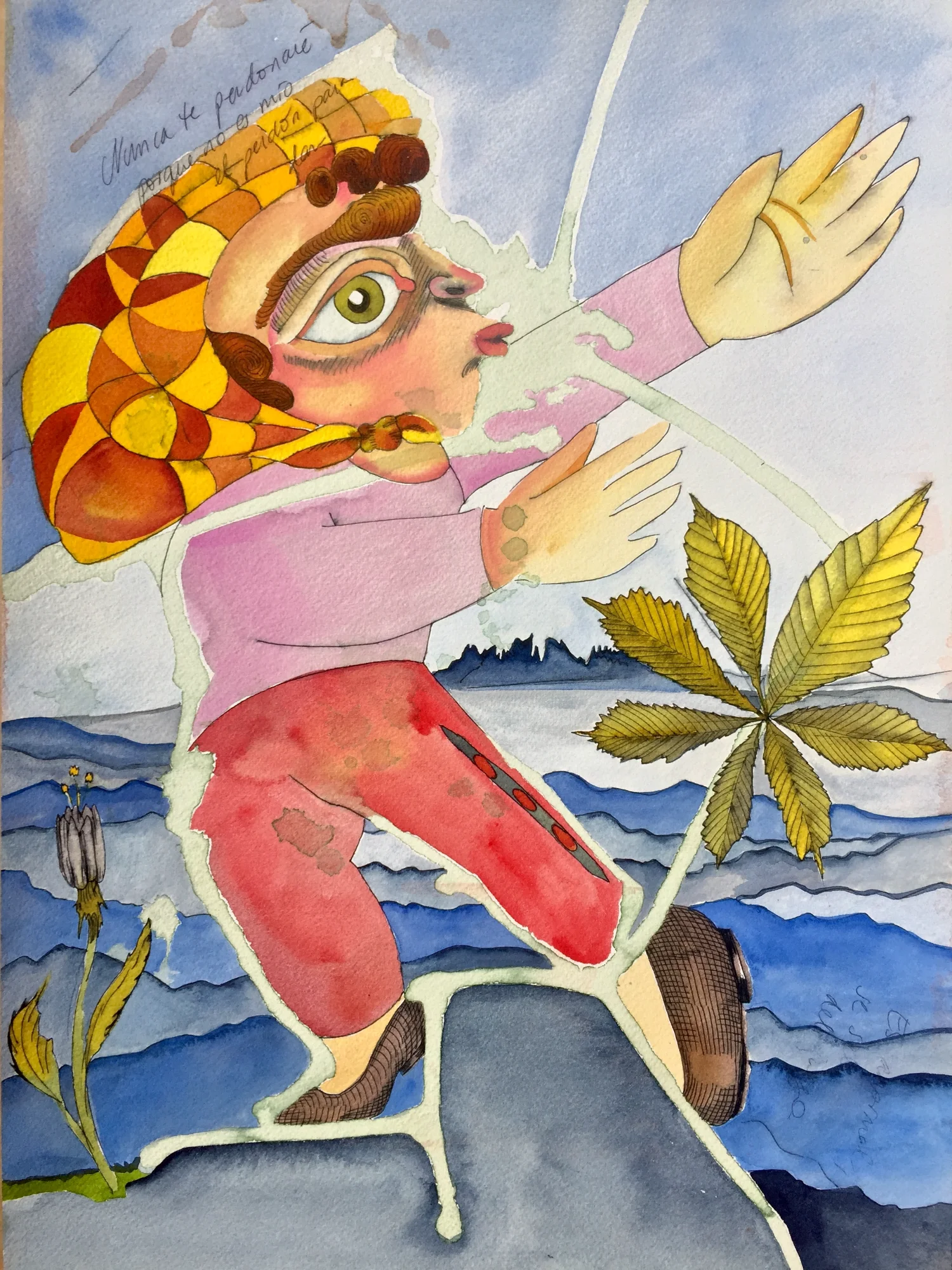
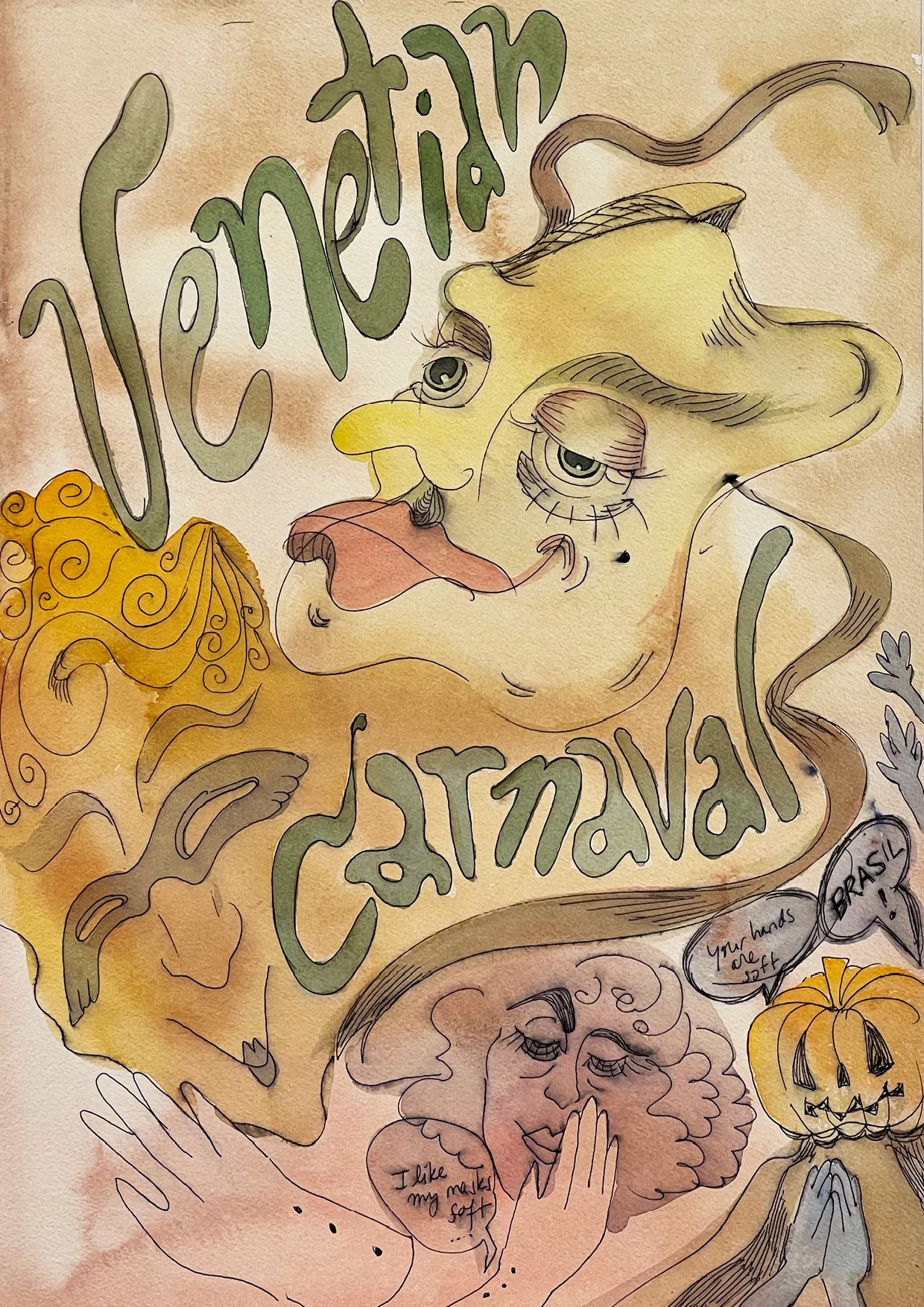
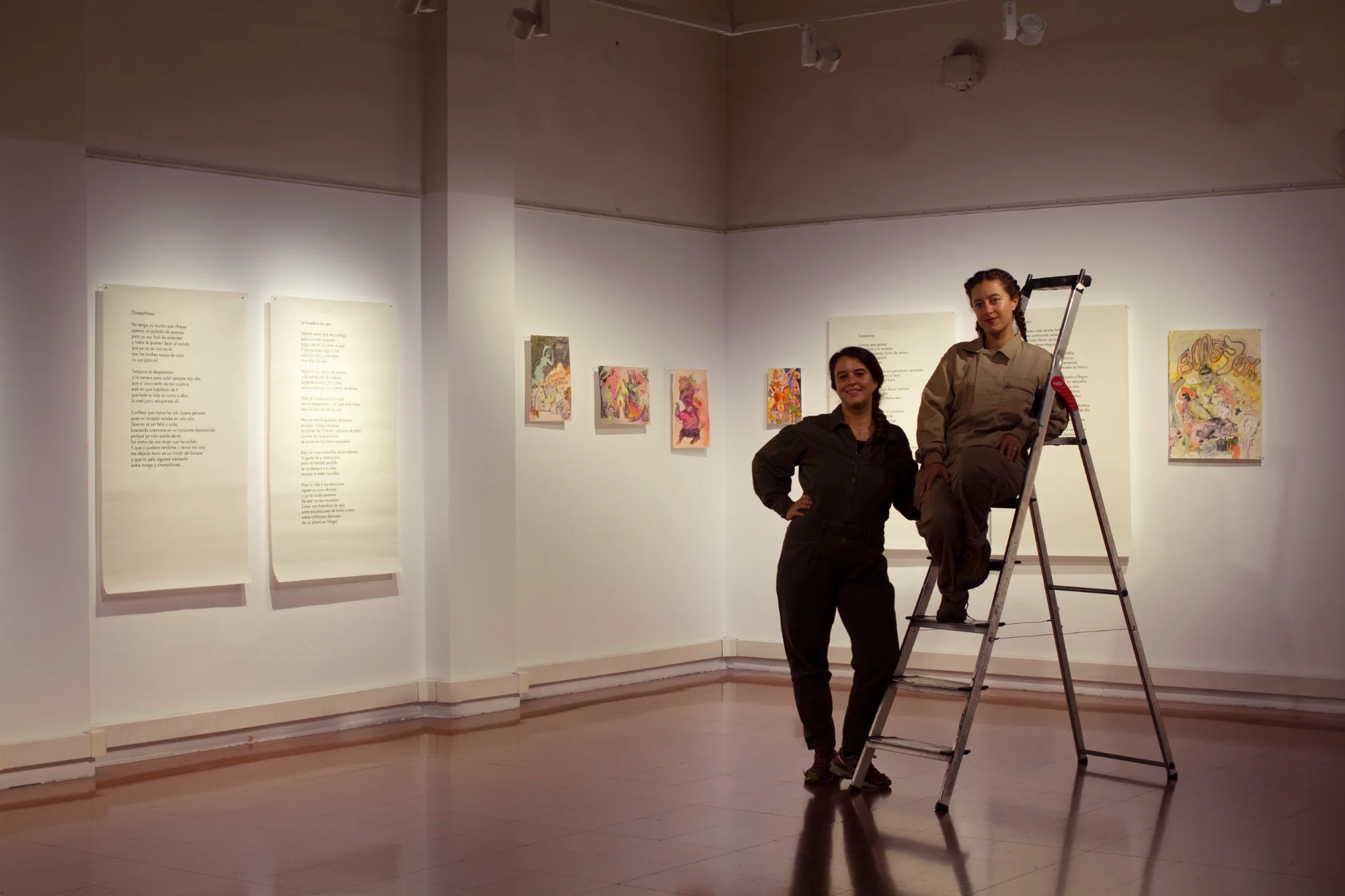
This project links the creations that took place between August and September of 2020, by two artists who share studio and environment: the medium-format watercolors of Monica Kopatschek and the poems of Ana López.
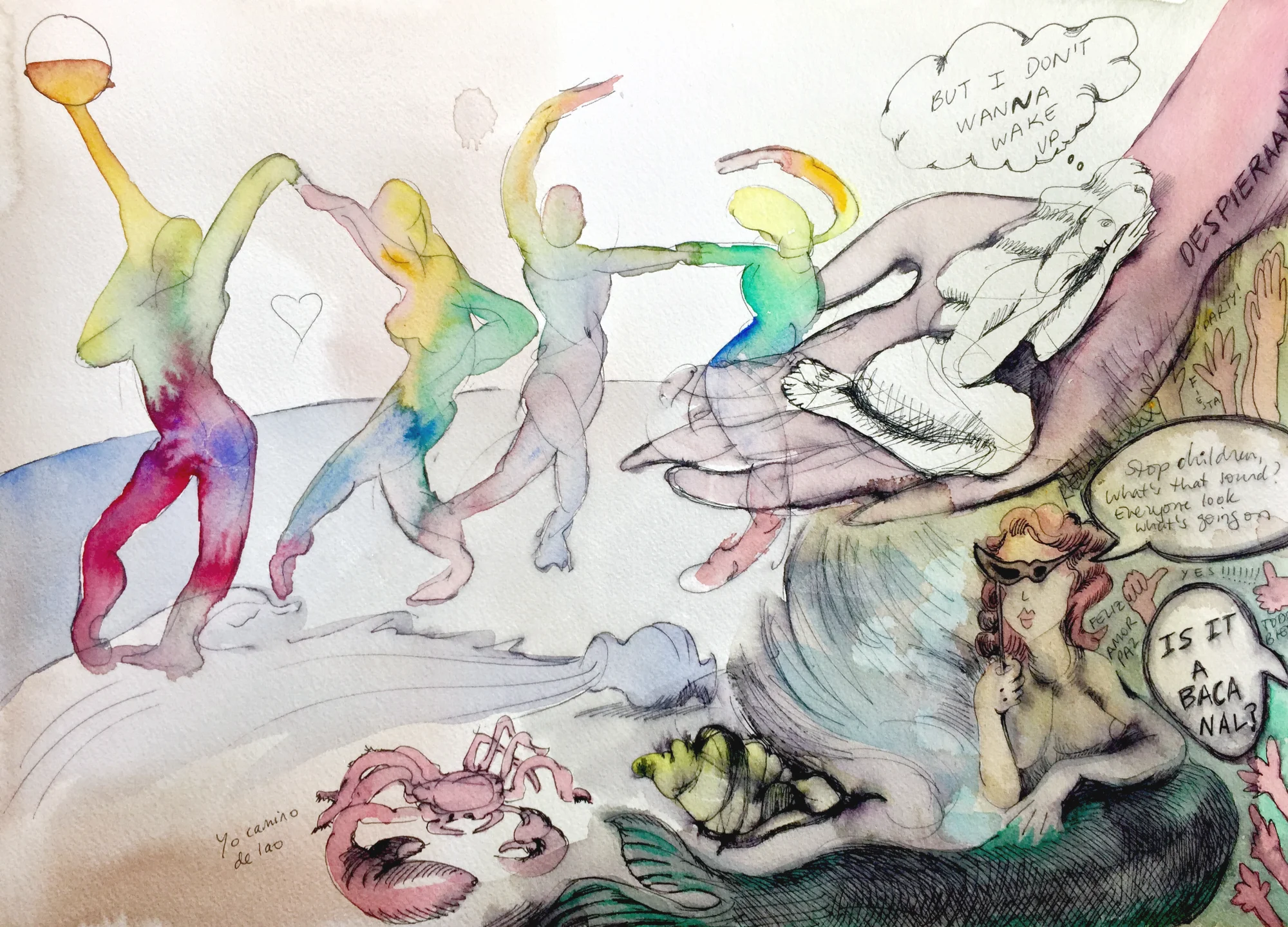
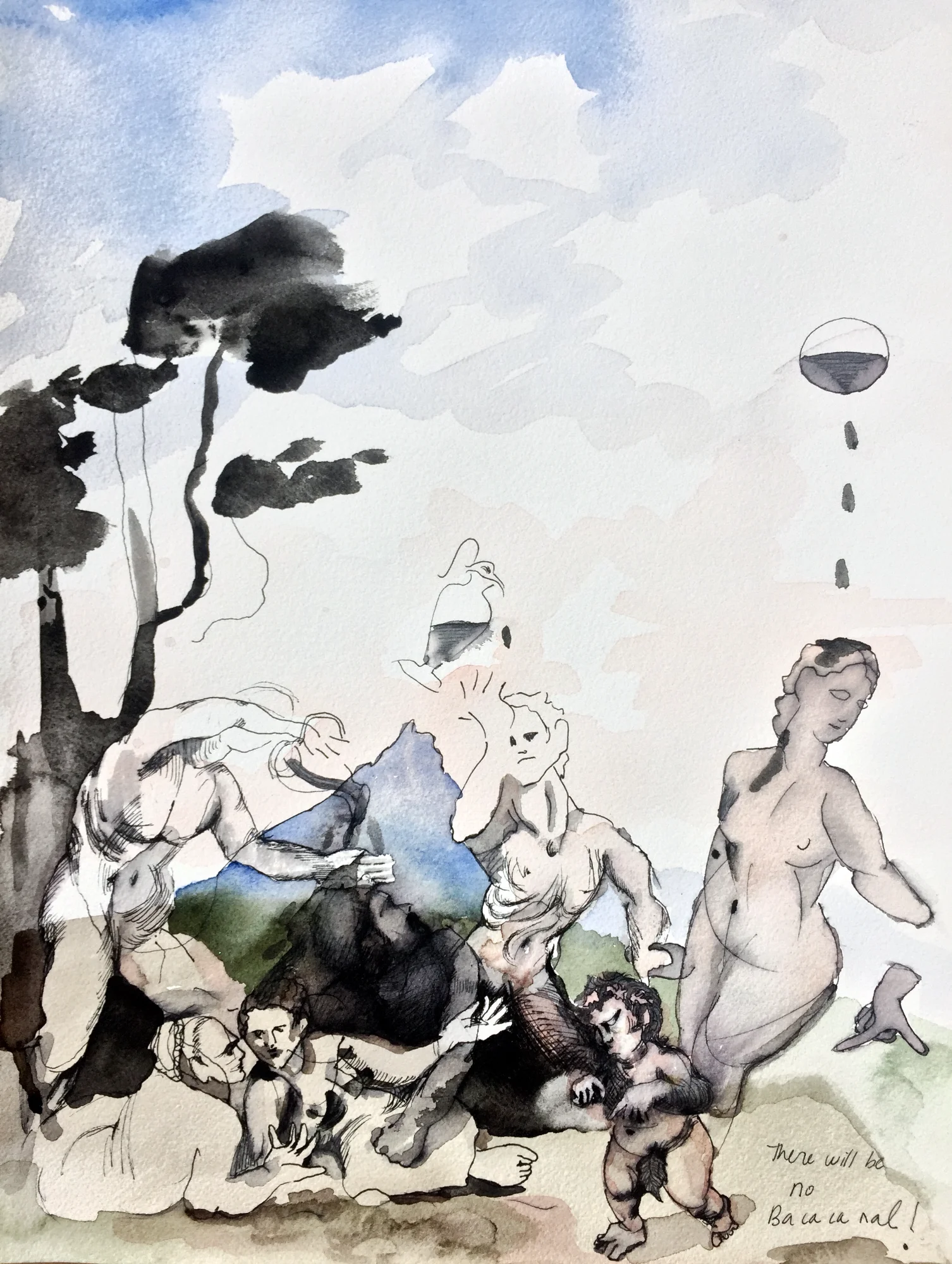
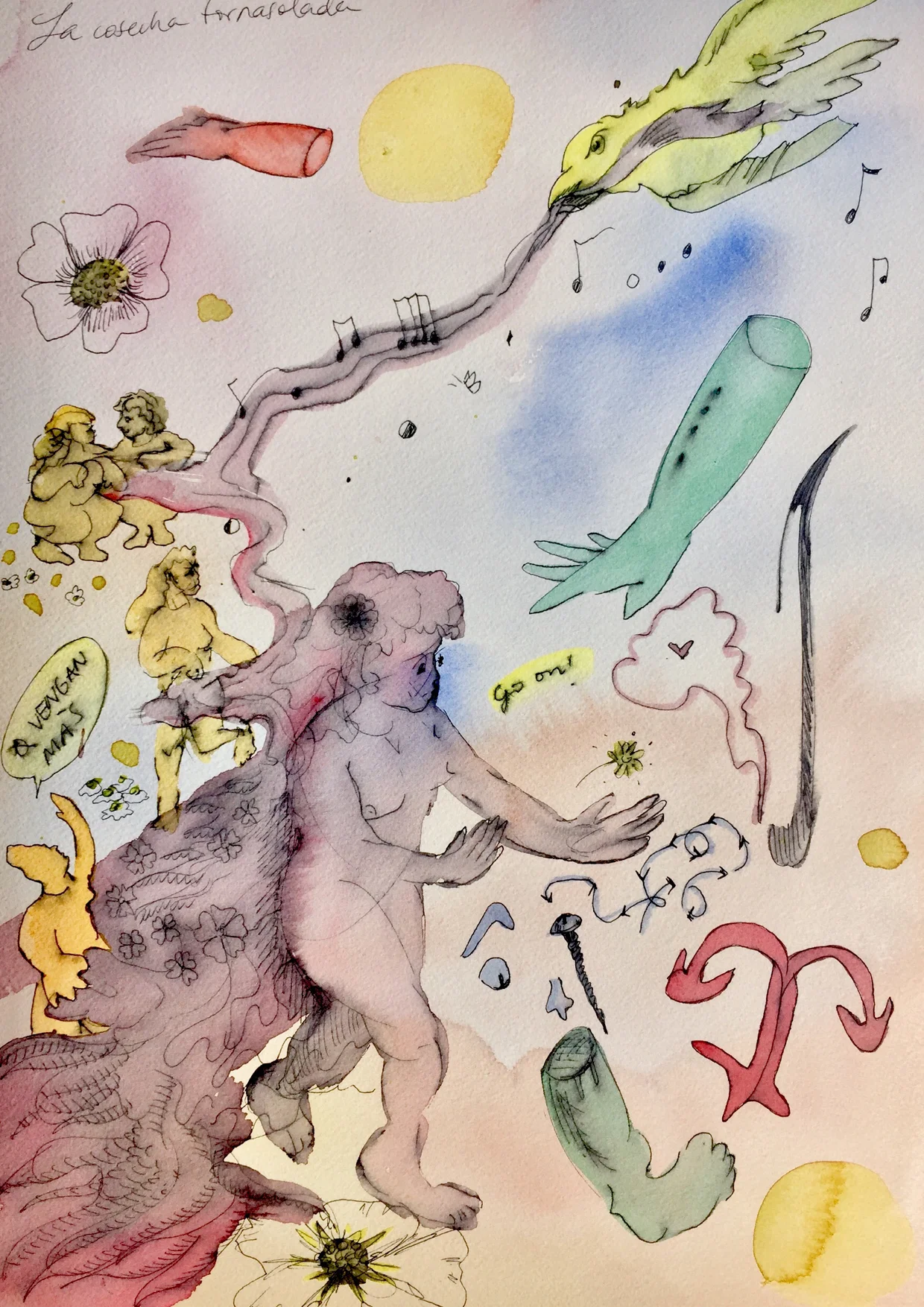
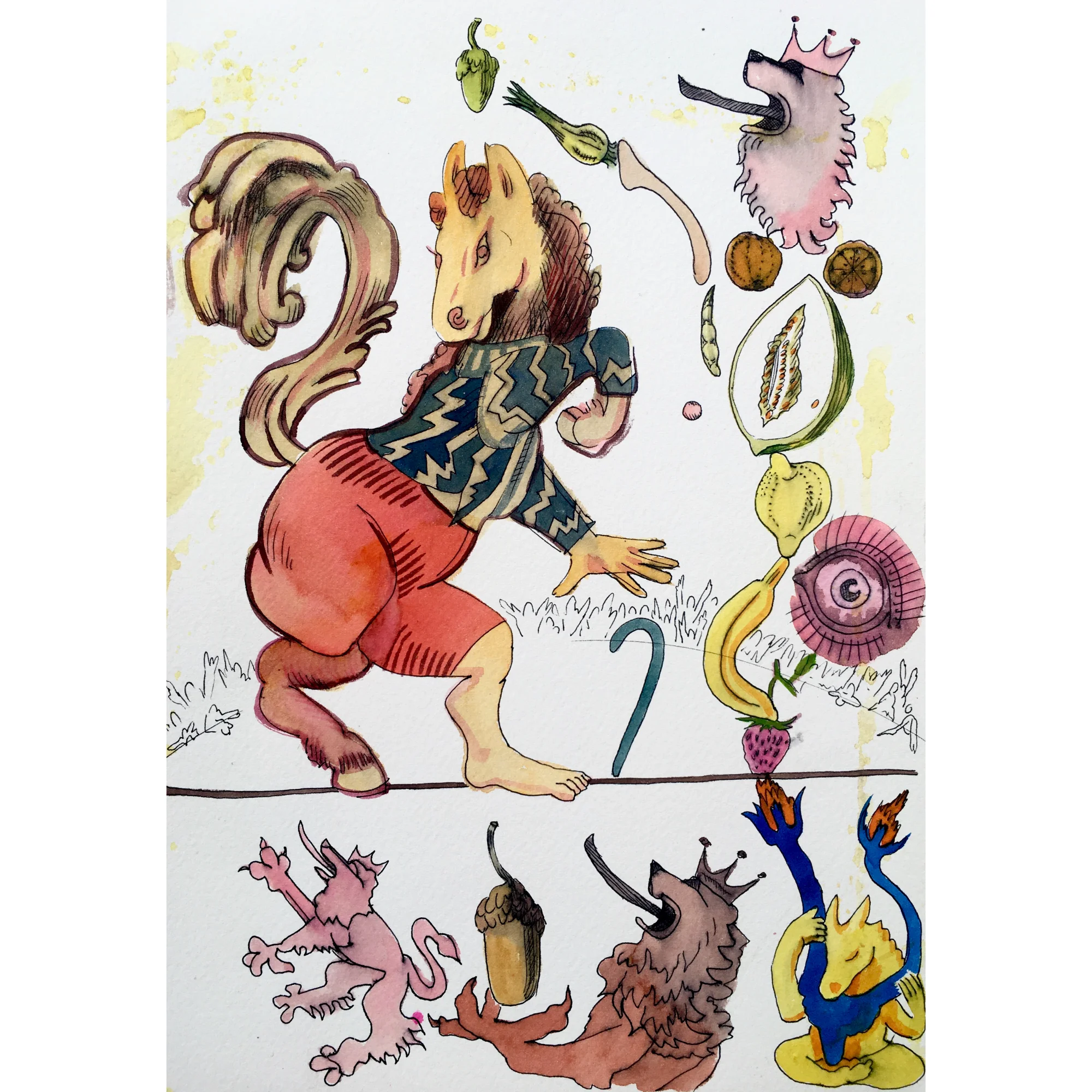
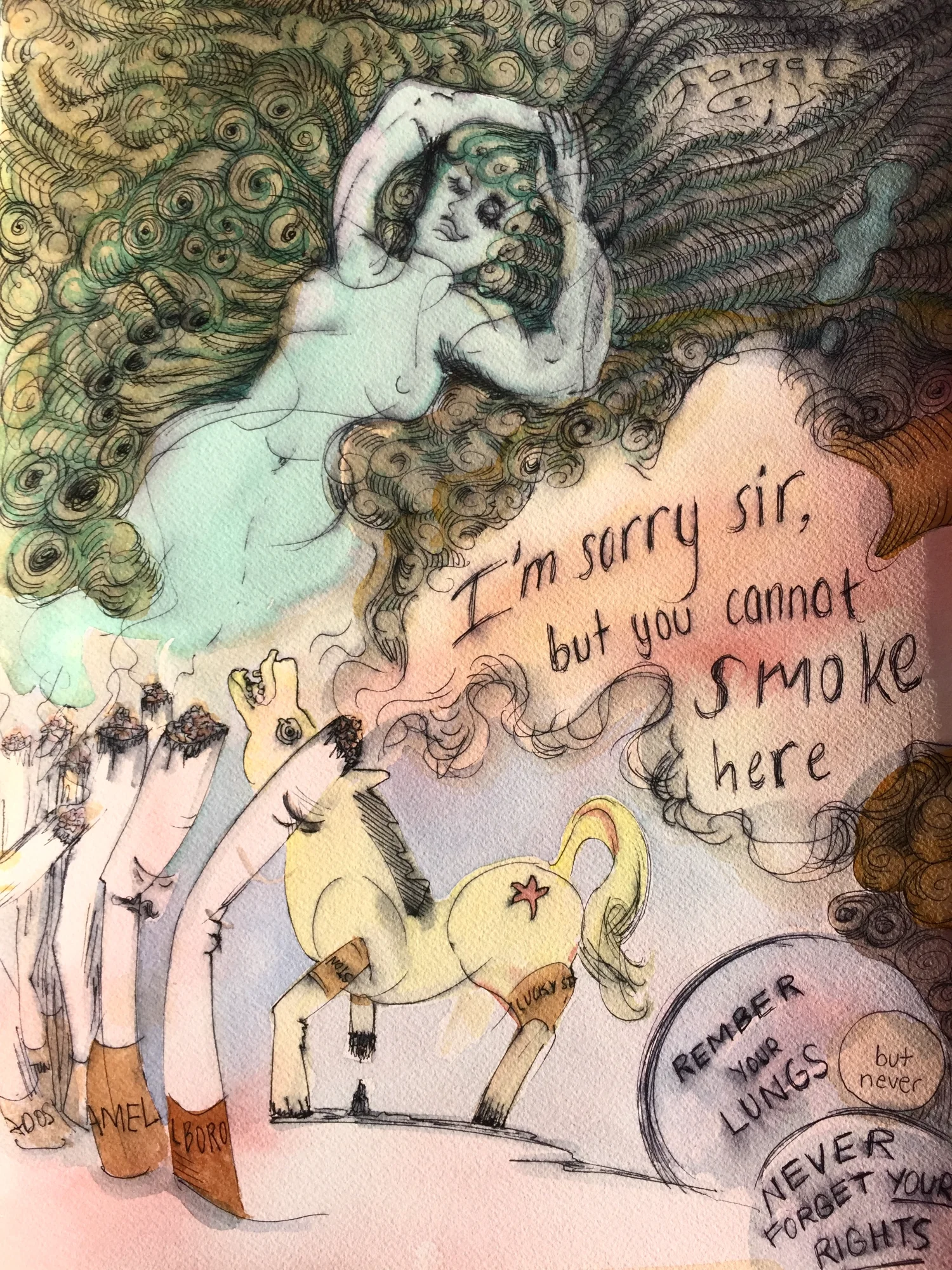
Se acabaron las bacanales springs from a fierce will to reclaim the past celebrations of people's lives, the relationships between them, gatherings, and, in short, everything that the measures against the 2020 global crisis took away. The first summer in these circumstances, in what in Mediterranean culture used to be a time of exploding joy, sun, and endless sunsets, was born in half tones and under the strict control of anti-contact measures. In this exhibition we review how, during that late summer, we also contemplated what the end of social life as we had known it had been, and the beginning of an autumn that started with new measures. Anger, disappointment, and deep reflection pushed those creations that we now bring together with a view to a new summer after the crisis. The watercolor scenes unfold in complex compositions of people who laugh and rejoice on the grass without wanting to wake up. But it is already late: the bacchanals are over and all that remains is a nostalgic critique full of memories of when one lived, breathed, and danced in freedom.
Among bright colors diluted in washes of sea and sky, dancing characters, talking animals and heraldic lions, the messages emerge again and again: 'Remember your lungs but never forget your rights', says a horse whose legs turn into giant cigarettes.
A narrative unfolds in parallel in the form of verses. The poems of Ana López transcribe the moments and experiences that resulted from this temporal and spatial framework as influential as the last and nostalgic days of that golden late summer of 2020. Both artists show two visions closely related in many senses, from their creative process to the attempt to fictionalize and give form, through scenes and stories, to the vindication of the collective human expressions that any society so much needs.
Publications- Press
playing
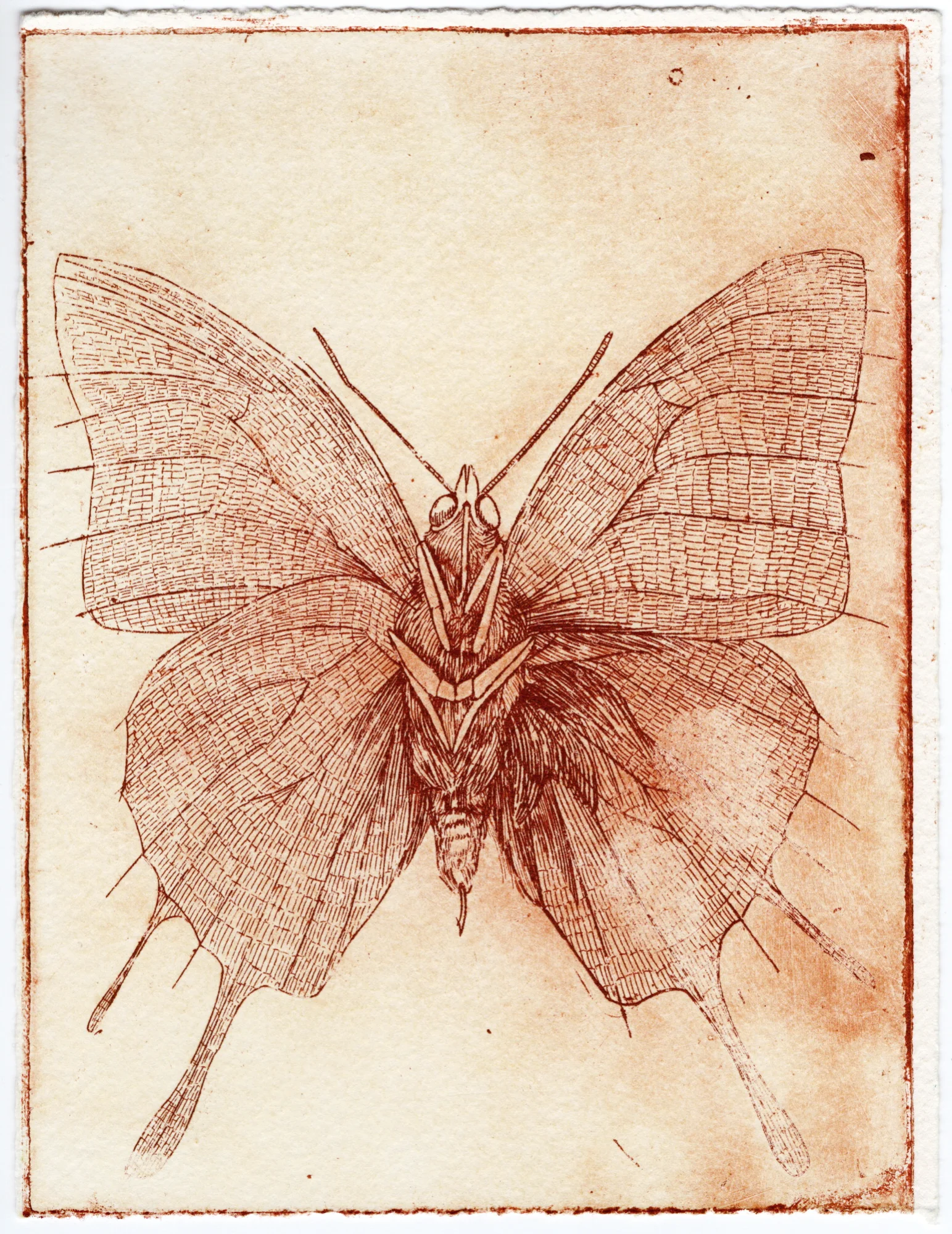
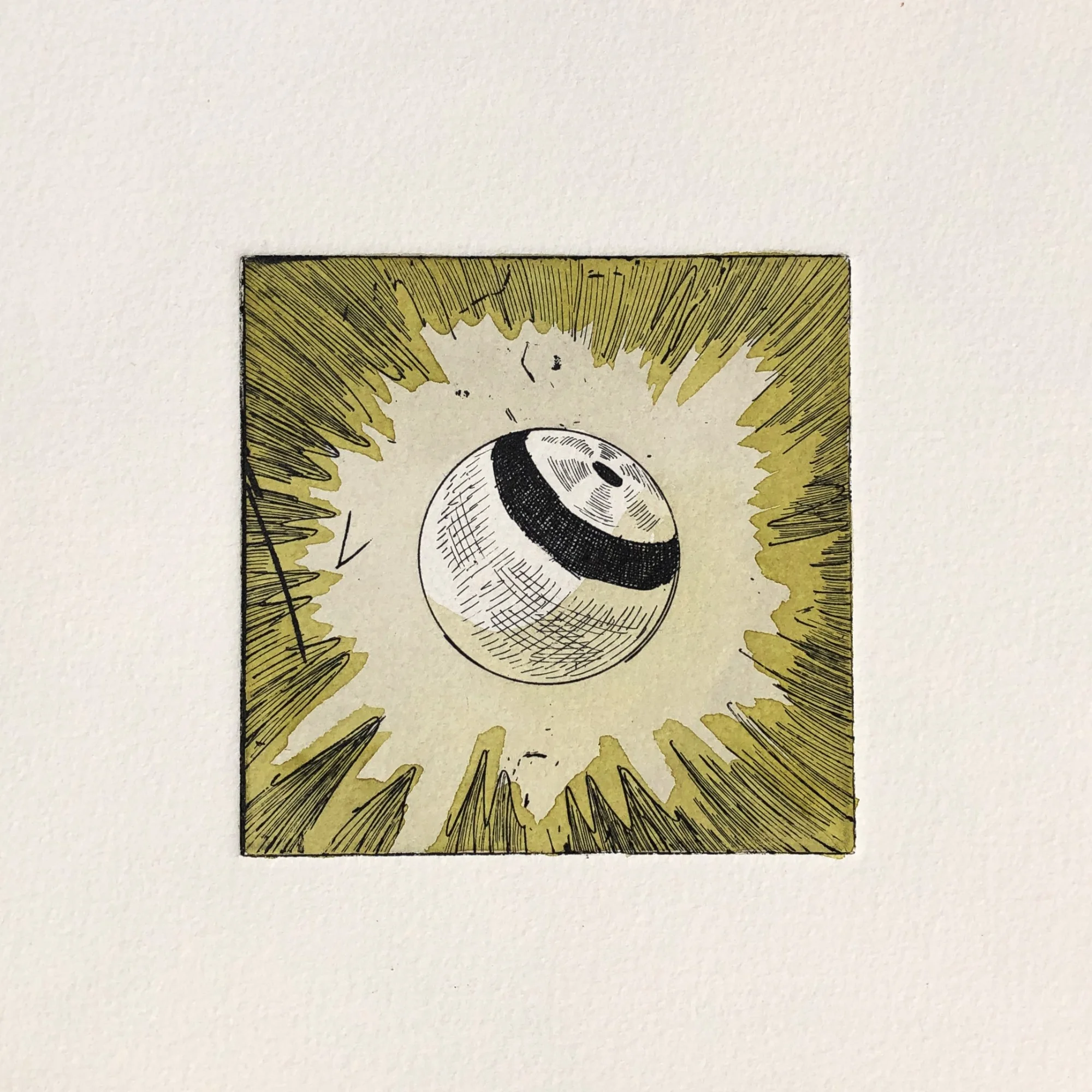
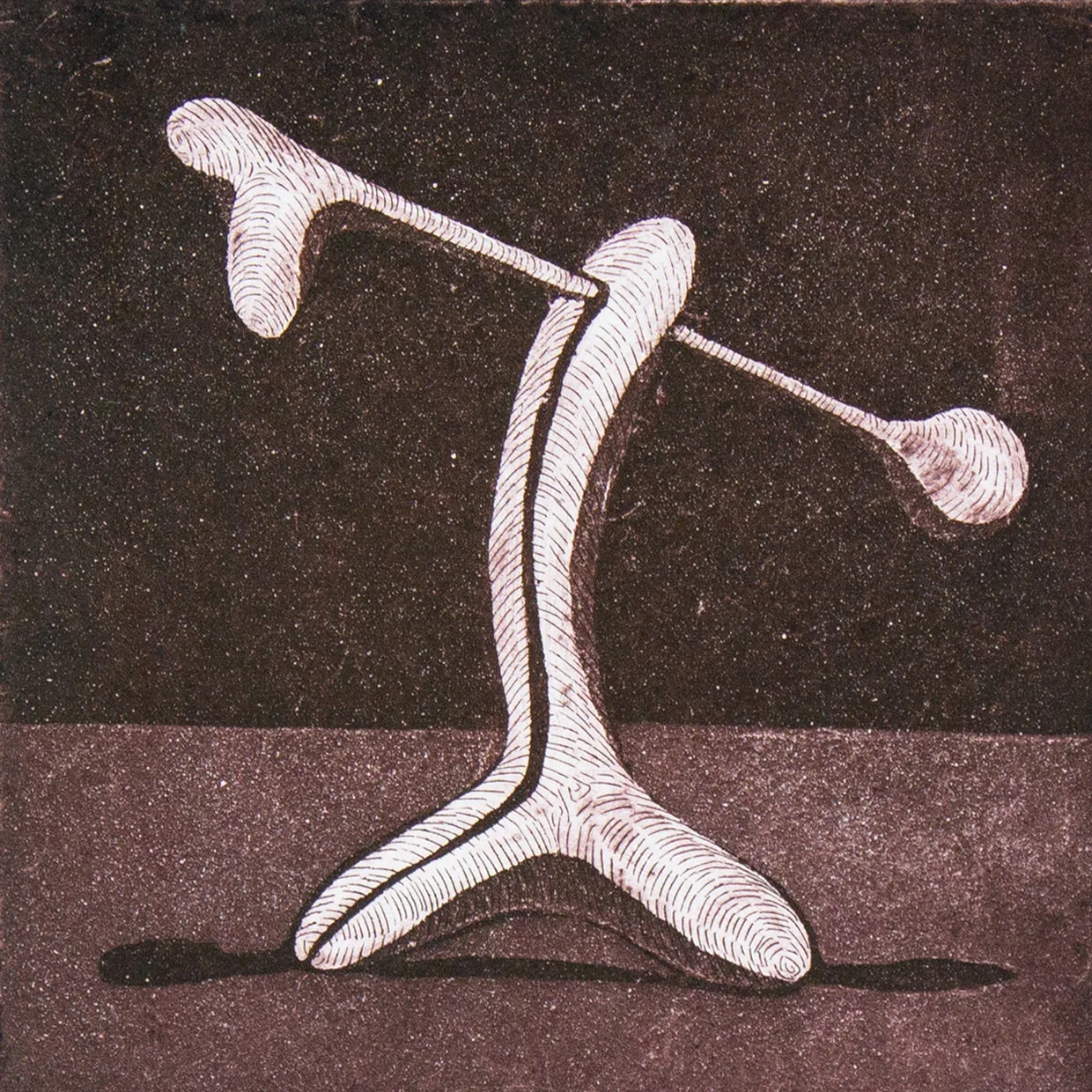
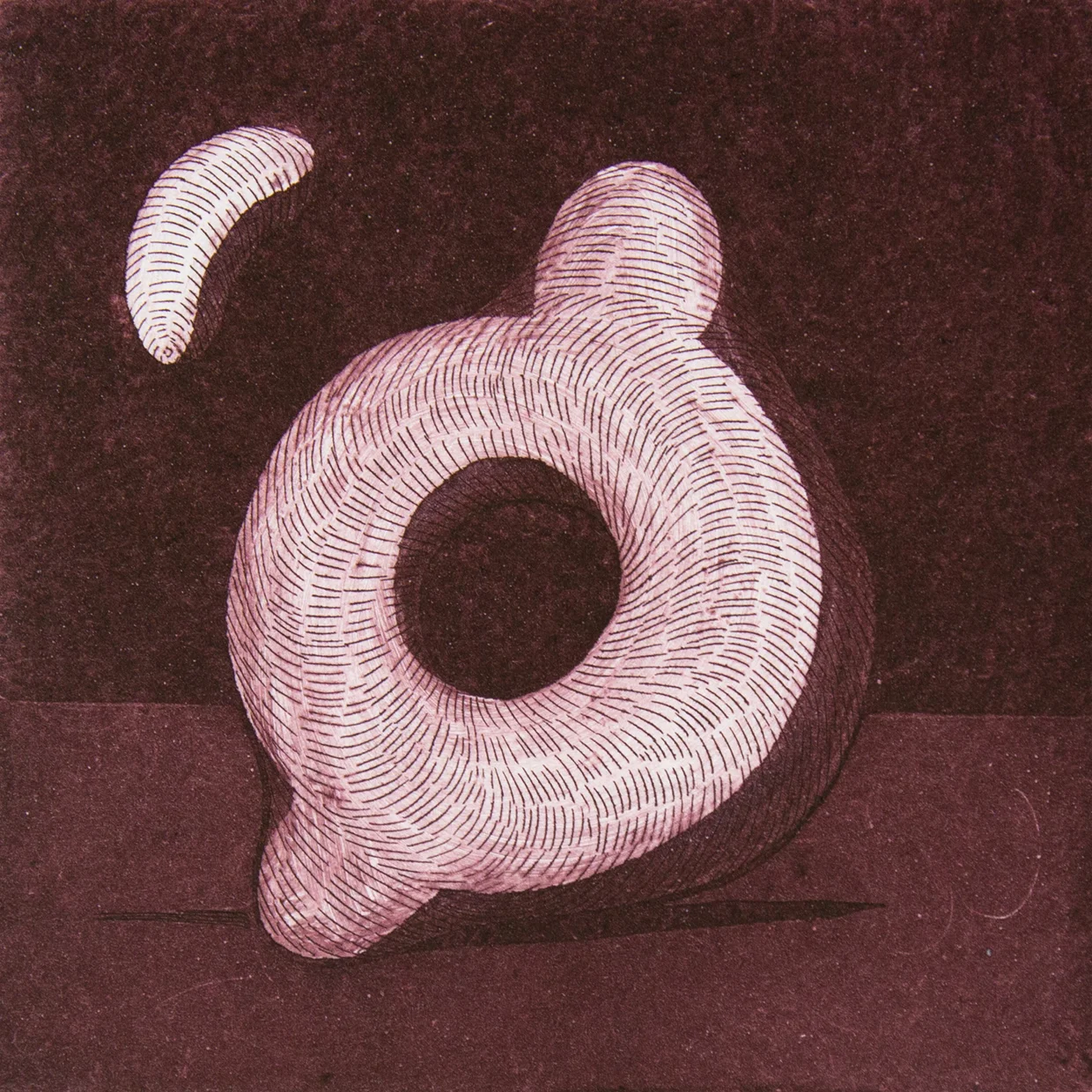
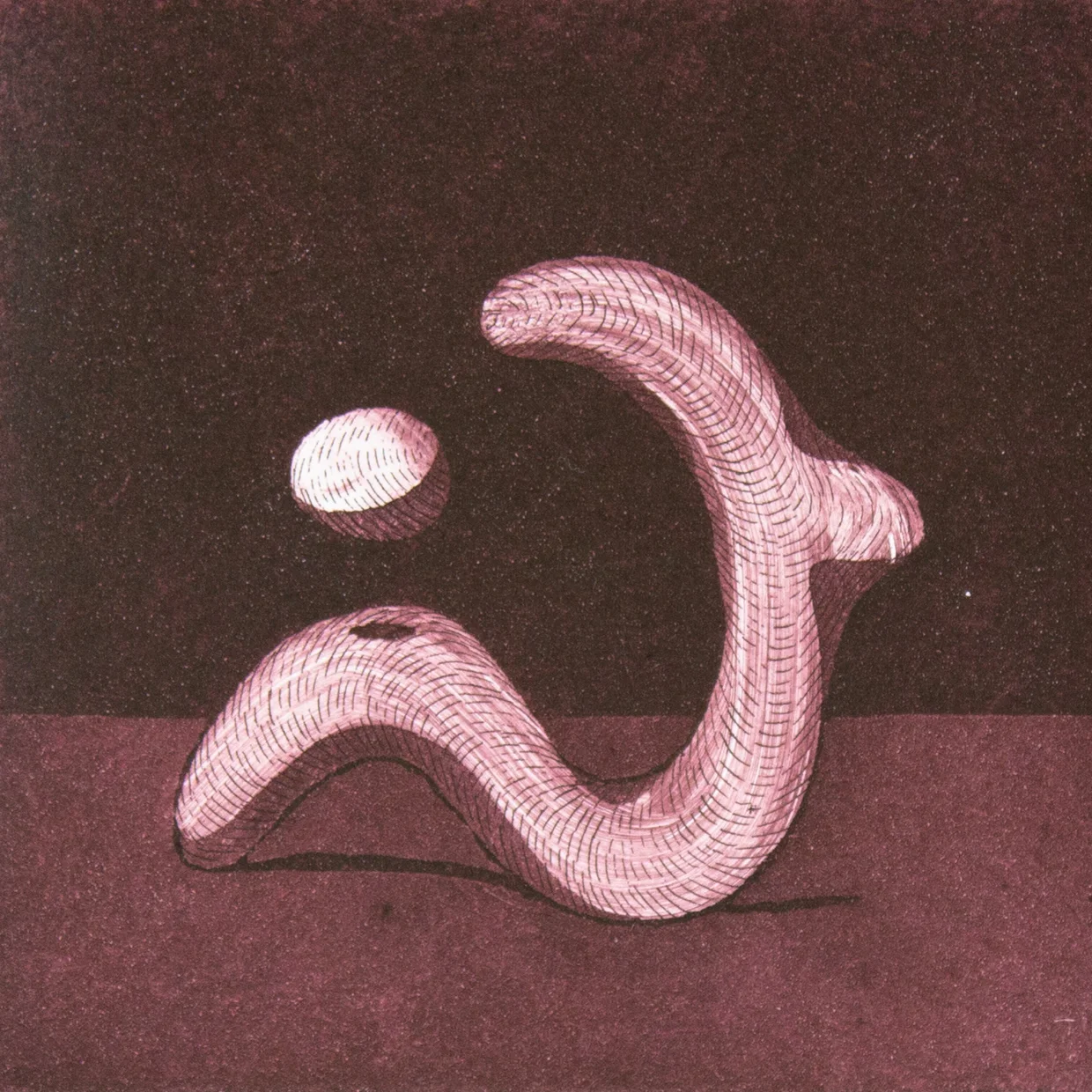
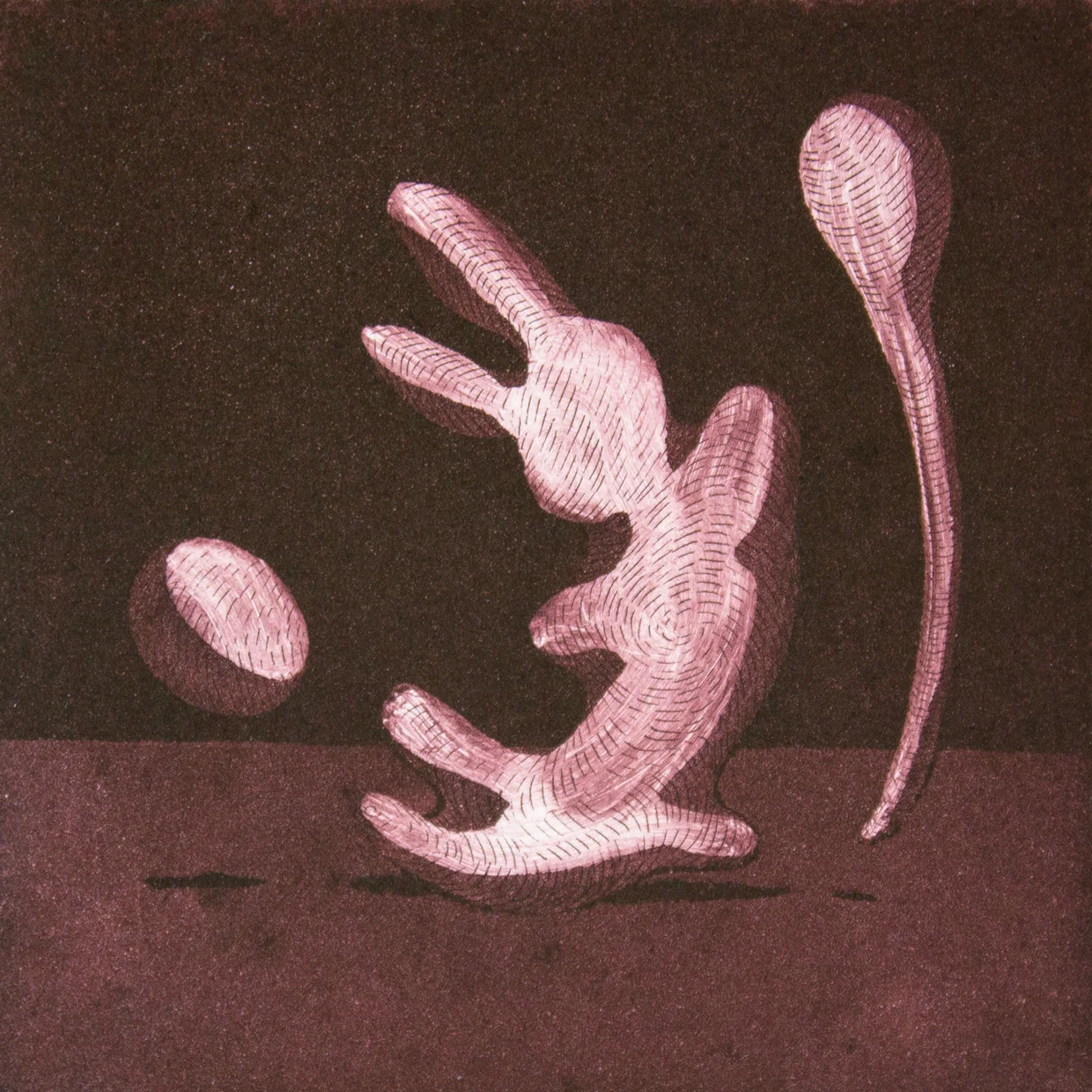
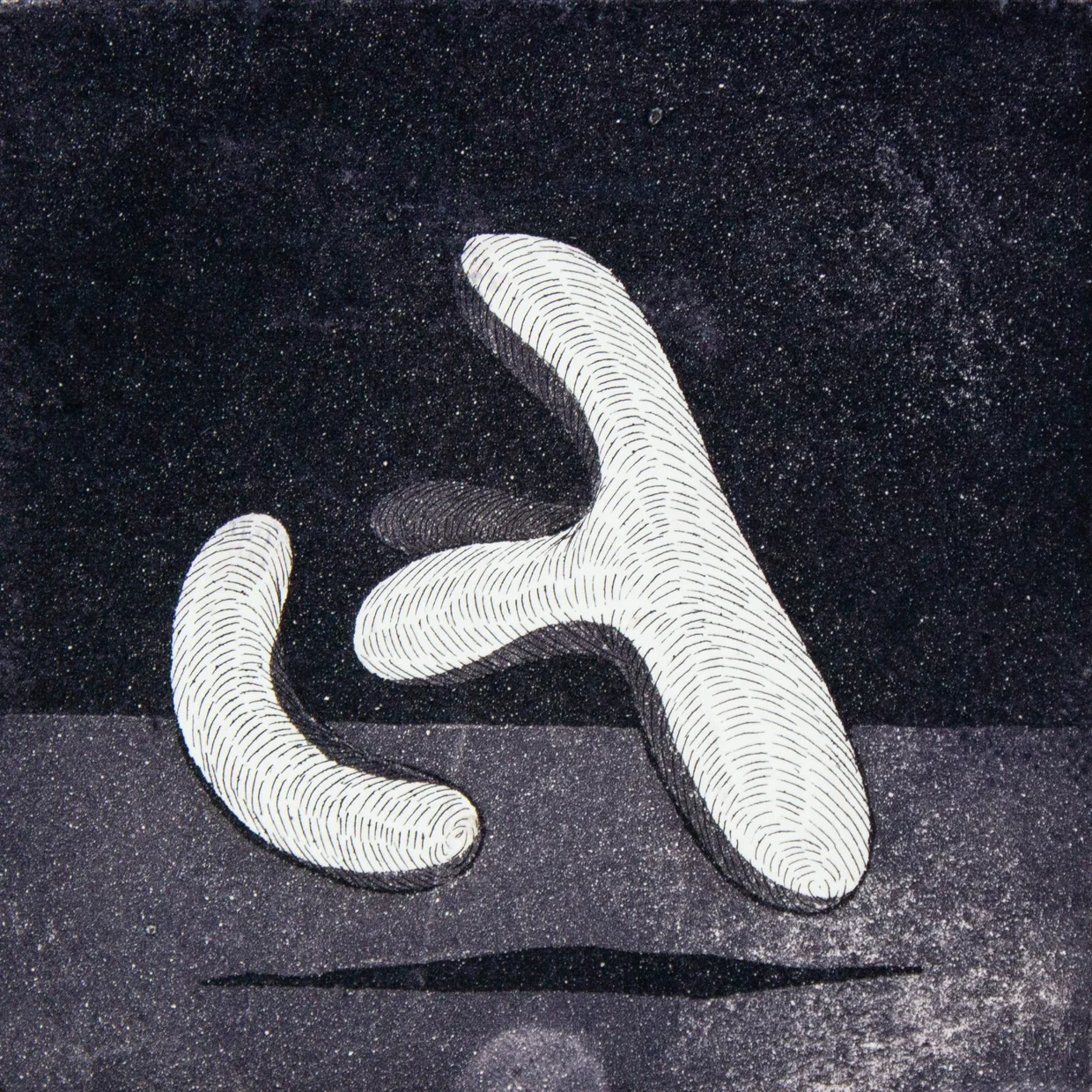
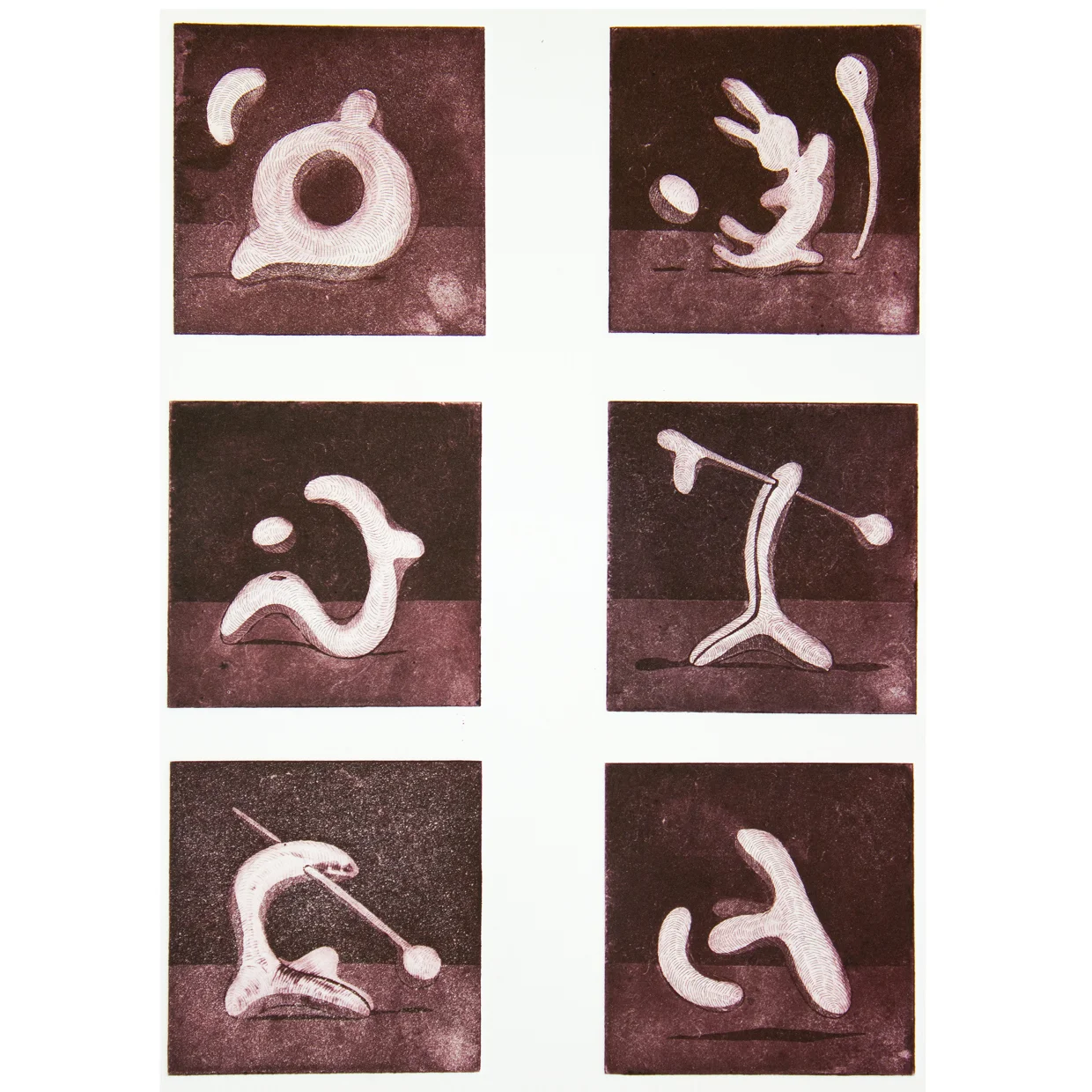
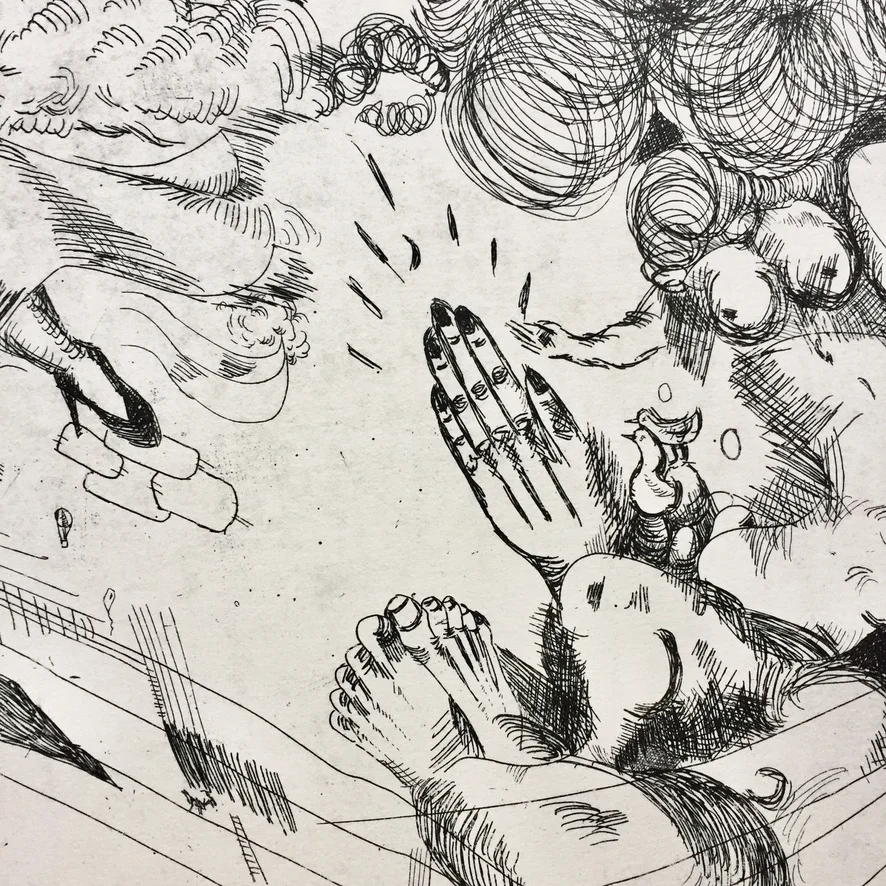
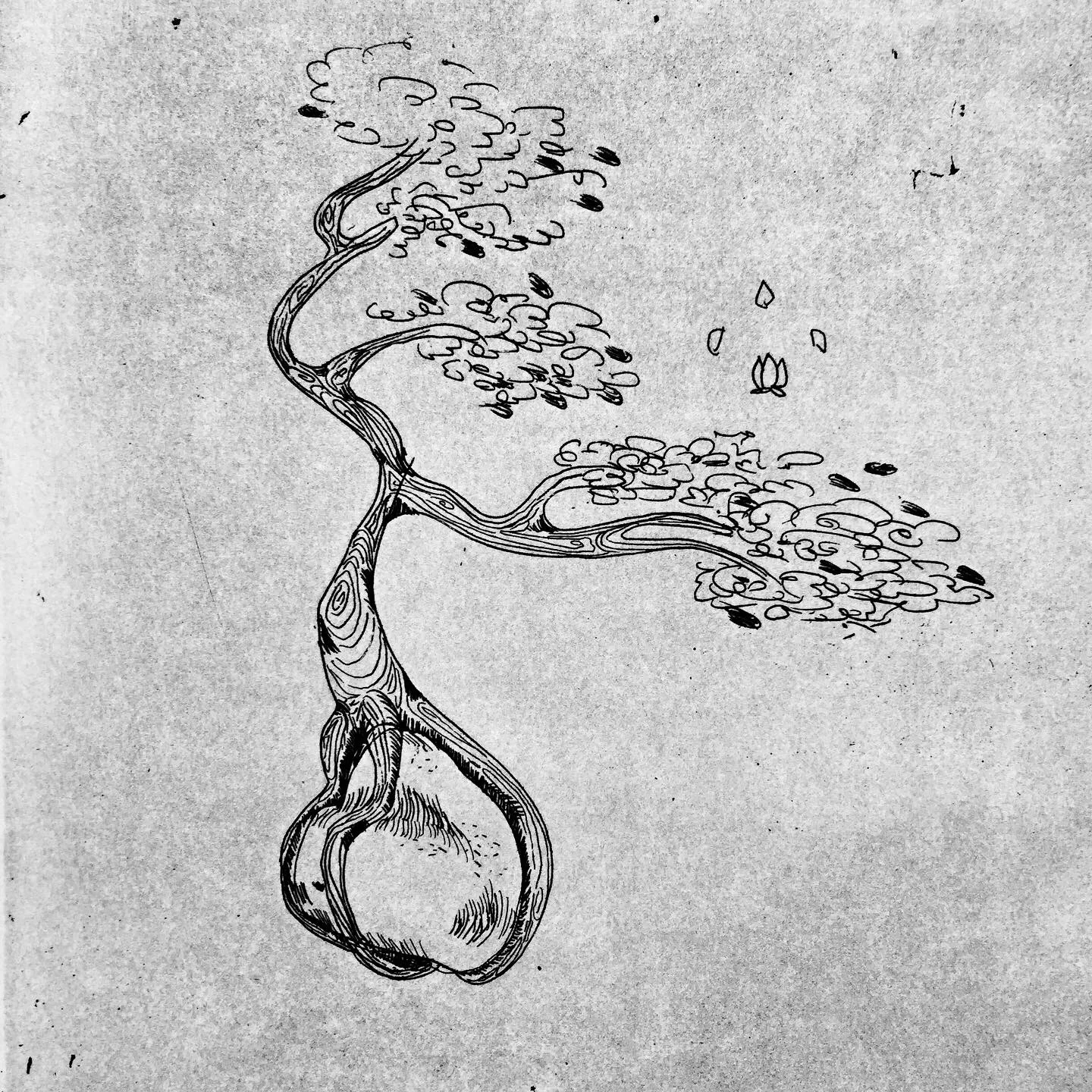
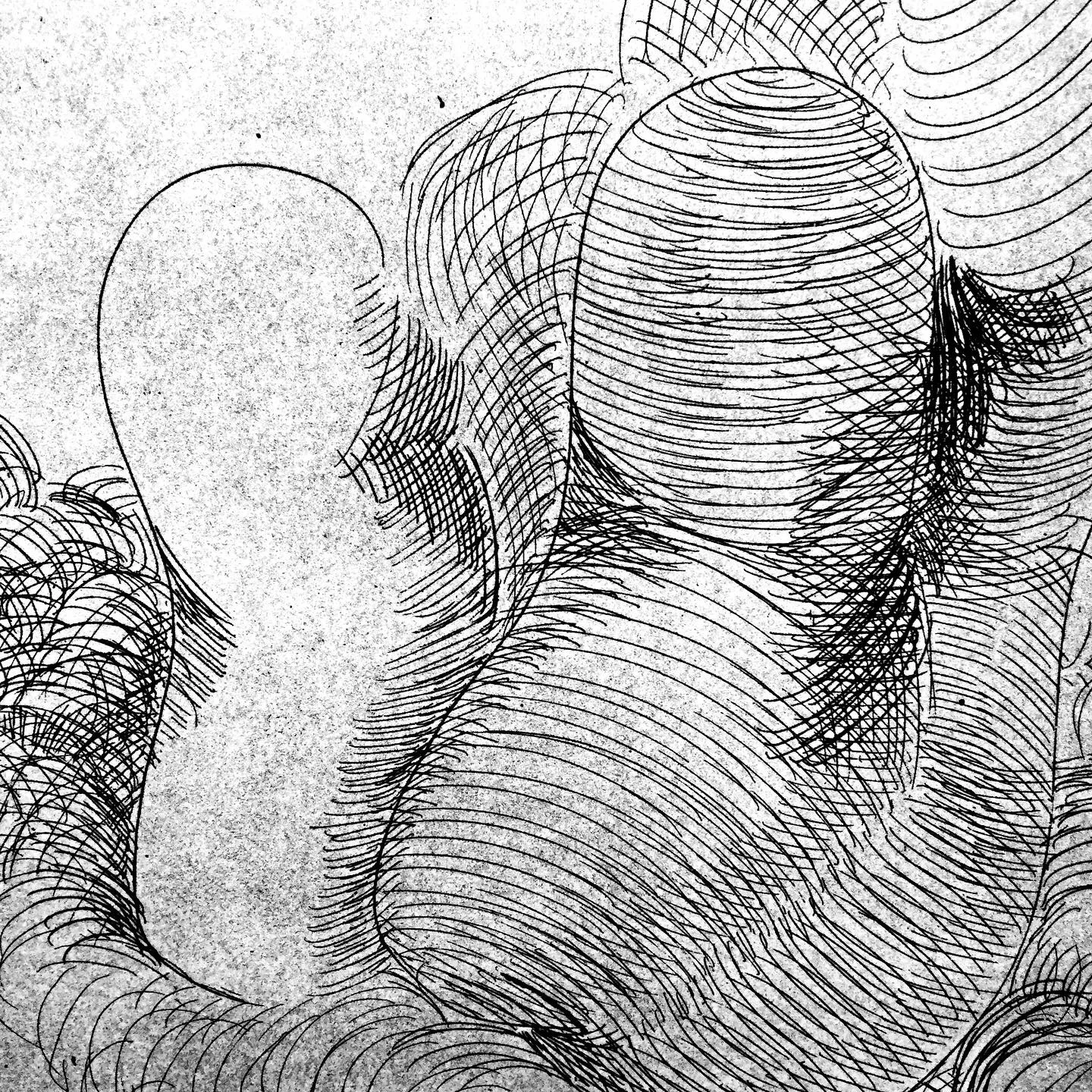
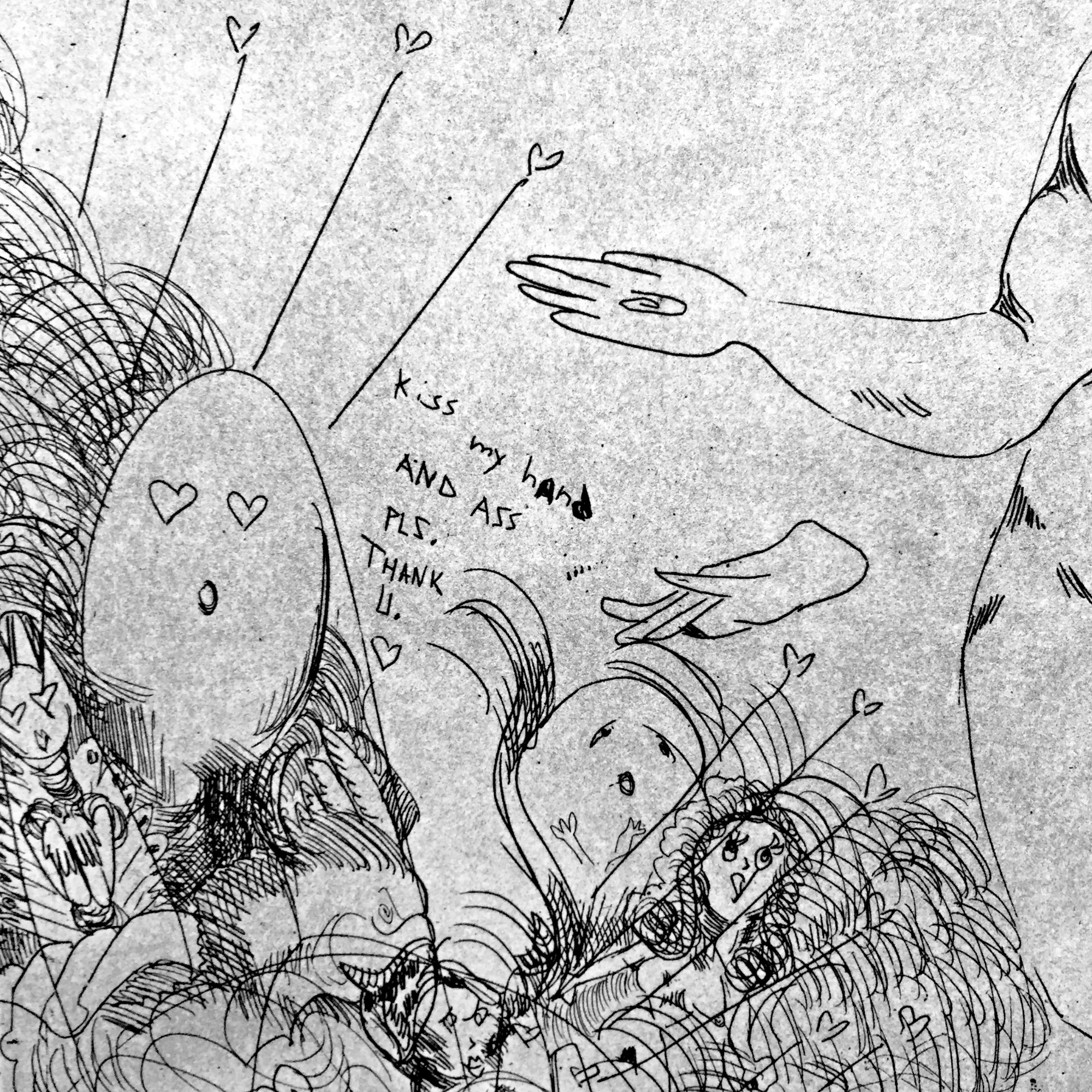
Playing is a graphic art project that employs etching and aquatint techniques, understanding the matrix as a space of incision and accumulation. The metallic surface, worked through successive bites, constructs fields of varying density where the image is not merely drawn, but inscribed and eroded.
The combination of line and stain, characteristic of these techniques, gives rise to compositions that oscillate between the defined and the diffuse. The etching line delineates unstable contours, while the aquatint introduces areas of shadow and granular atmospheres that expand the image into the indeterminate. The figures are not presented as closed forms, but as apparitions in transit, traversed by textures and gradations that suggest states of constant transformation. The repetition and variation inherent in the graphic process reinforce this condition, generating images that never fully settle.
The project occupies a space where the organic intertwines with the technical, and where the image emerges from the dialogue between control and unpredictability. Within this tension, biomorphic forms function as vehicles for exploring alternative logics of embodiment and growth, far removed from stable or hierarchical structures. Rather than representing recognizable organisms, the series proposes an imaginary world in which life manifests as flow, as a proliferation of forms that overflow their own boundaries and open a space for the uncertain and the ever-changing.
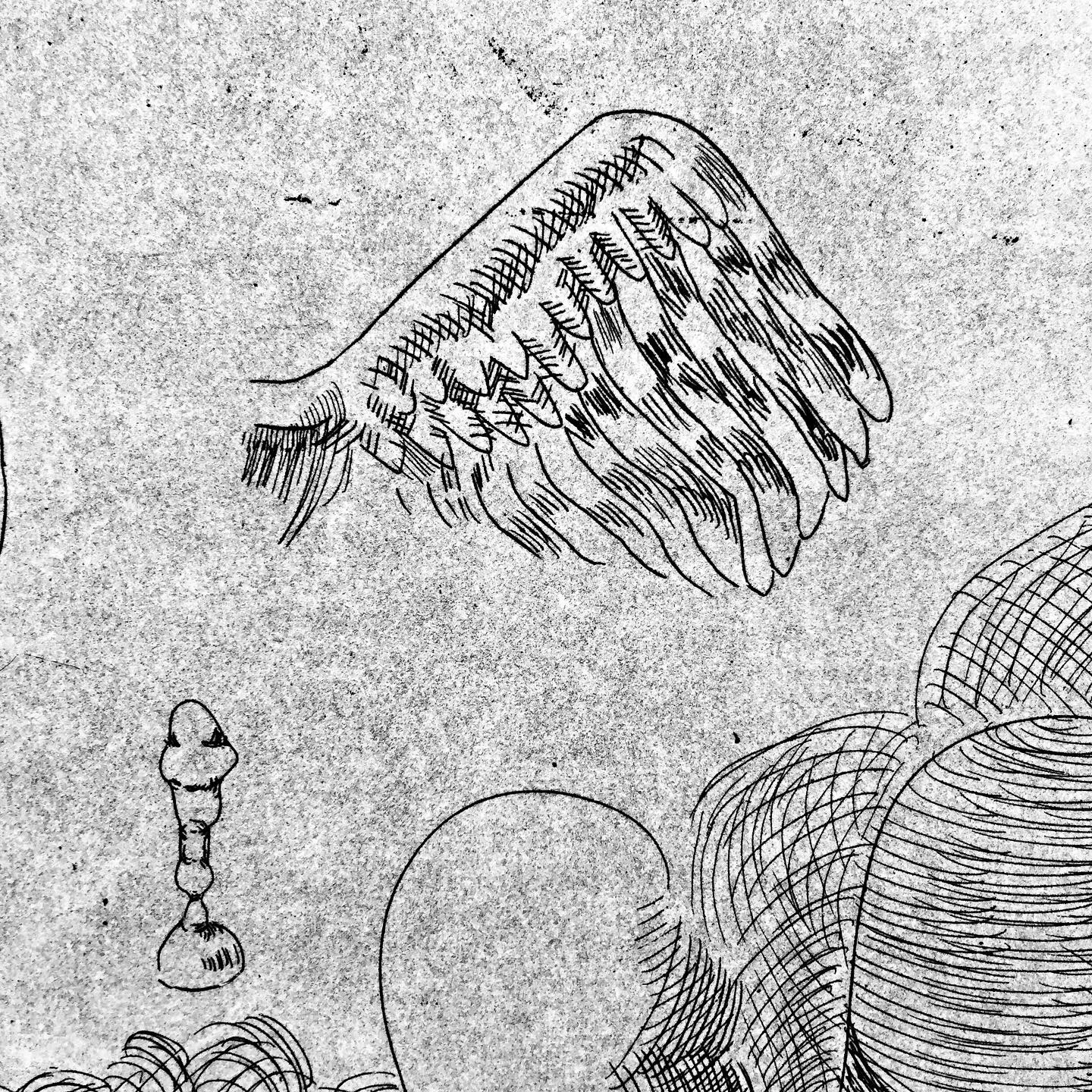
y otros cuentos
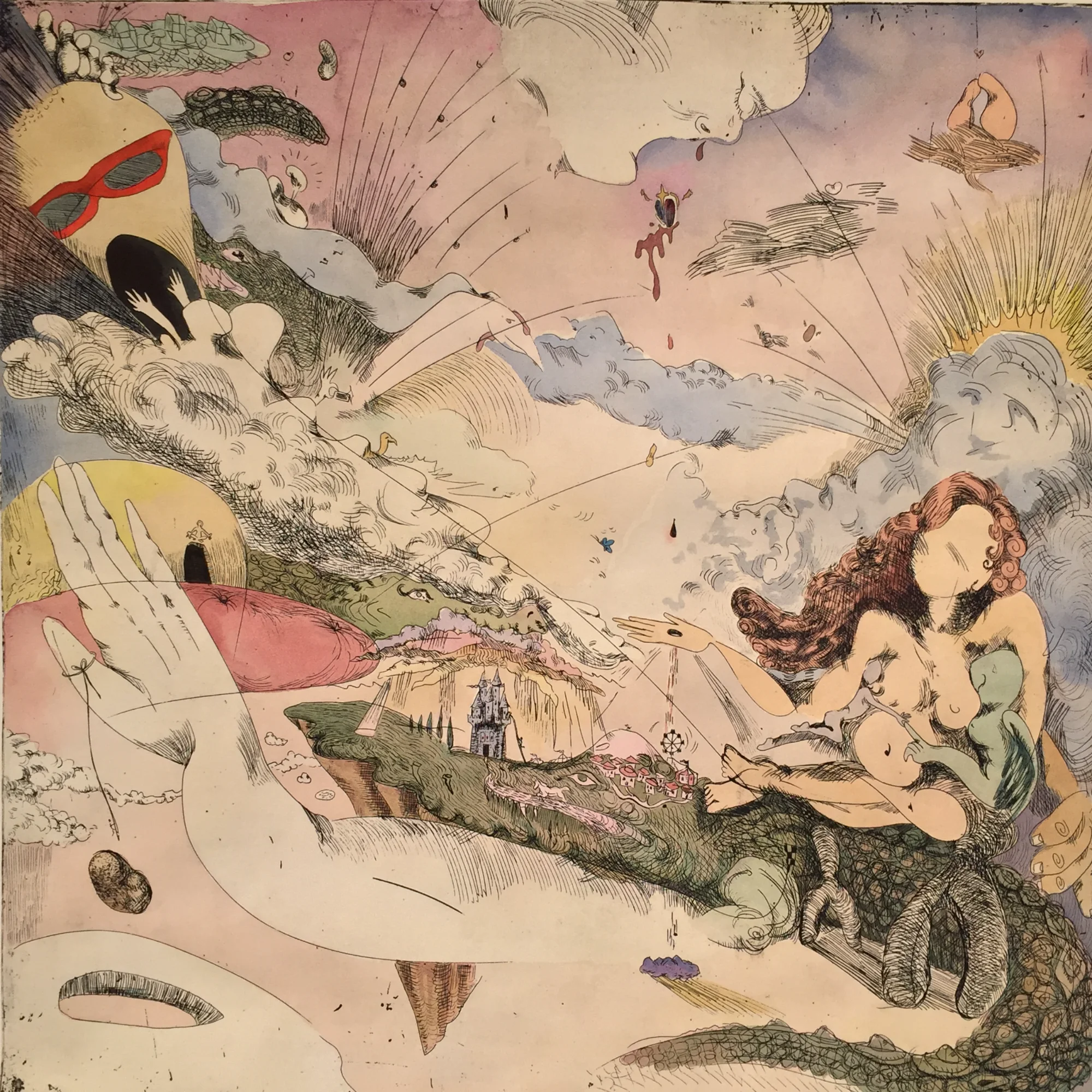
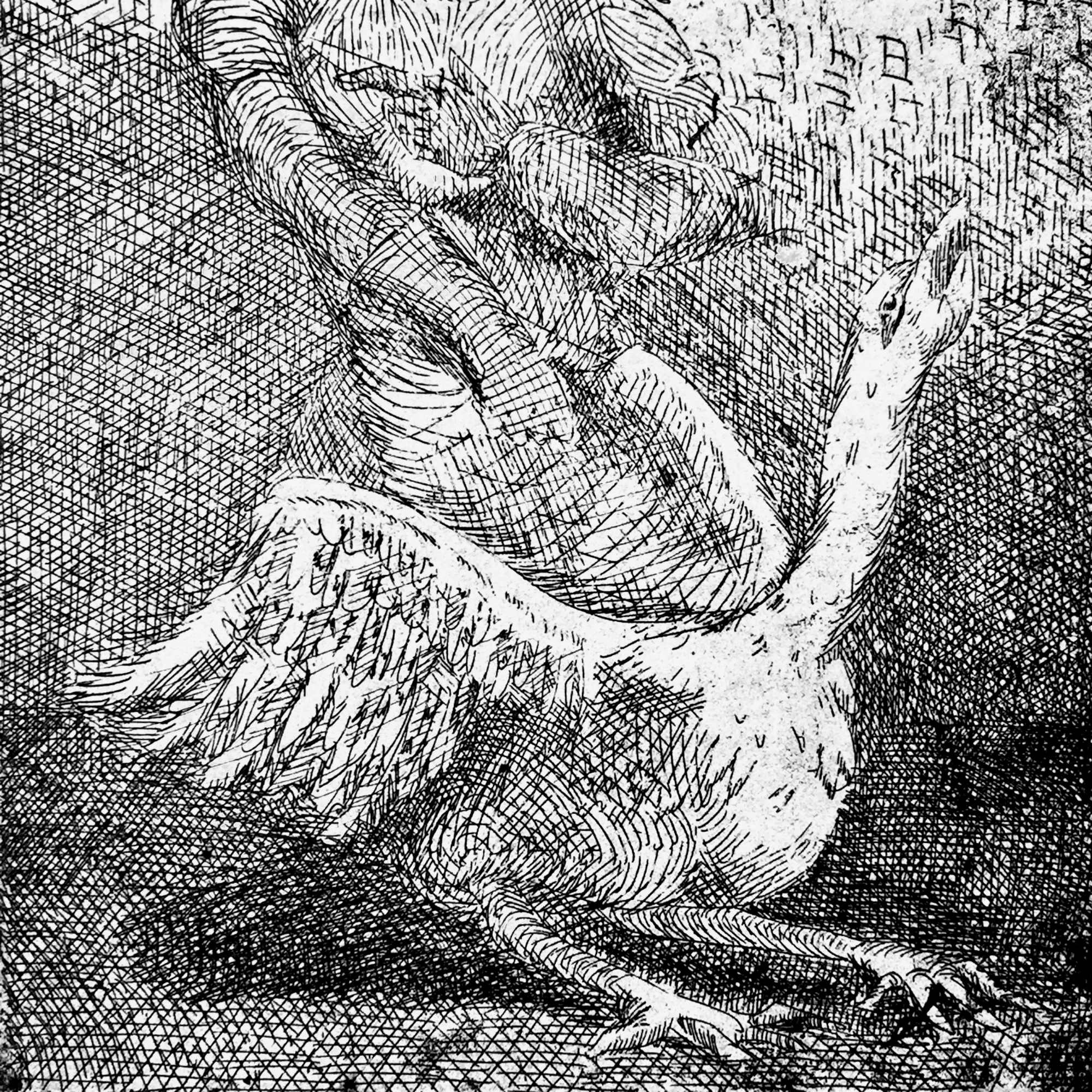
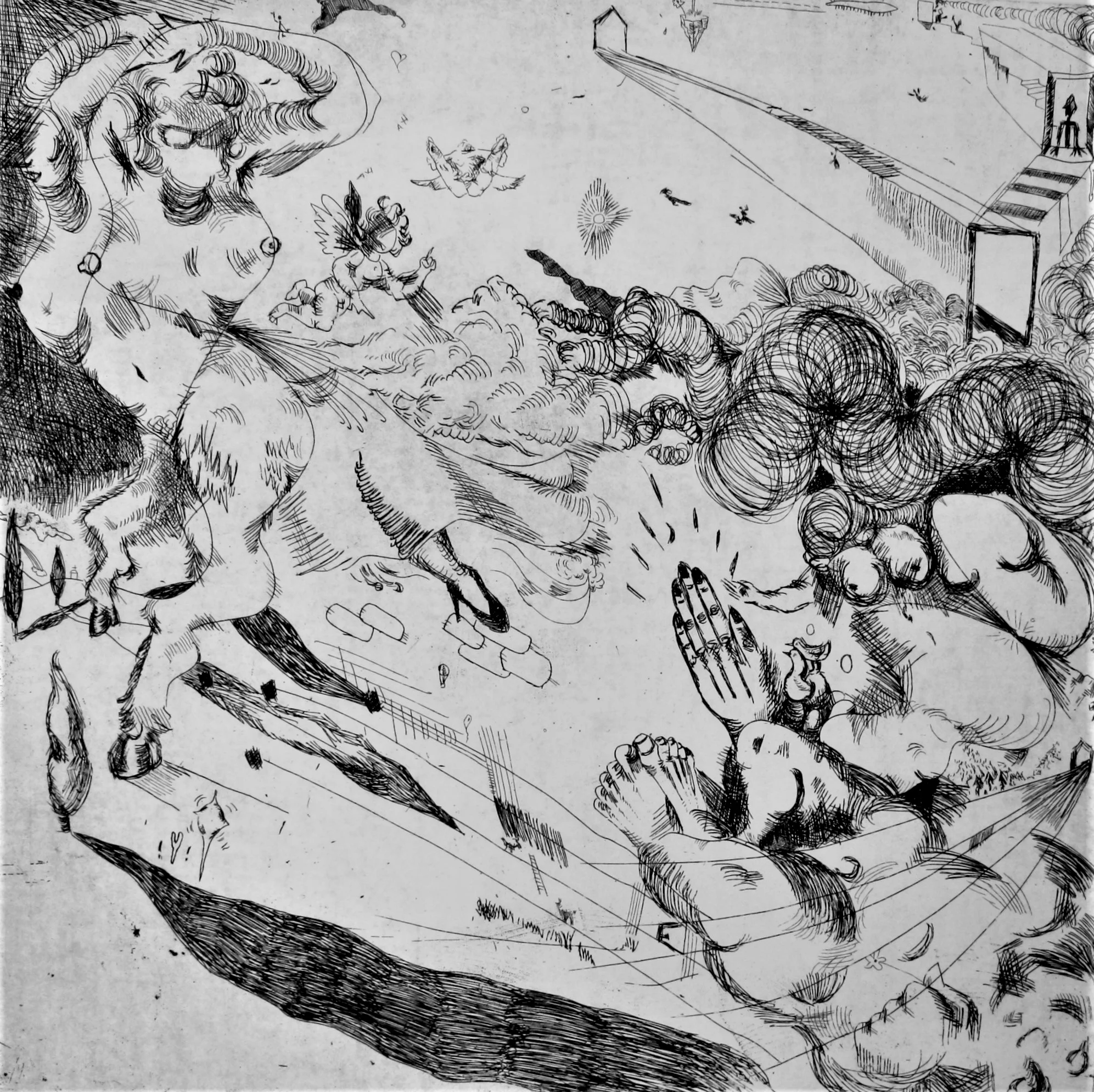
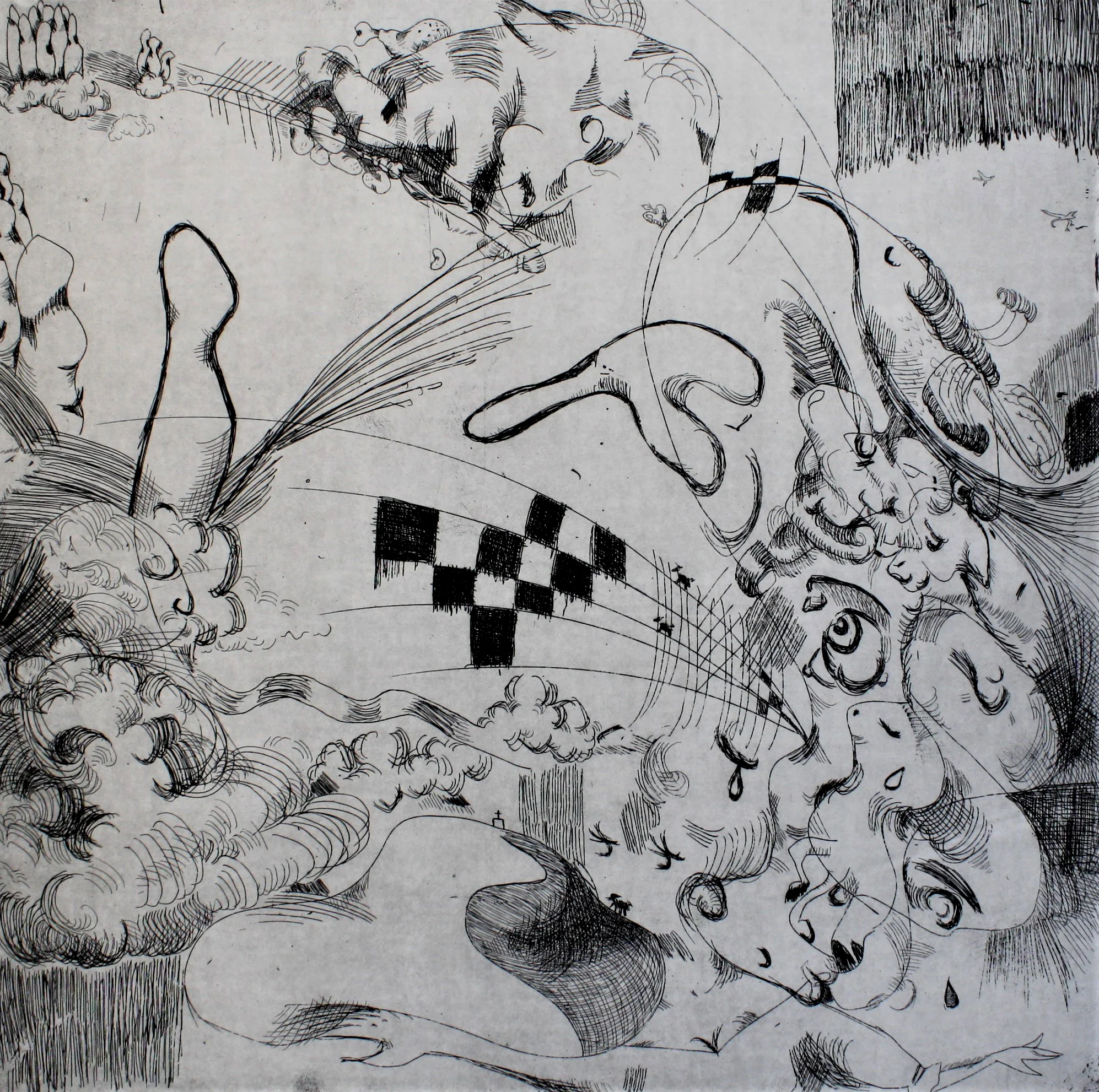
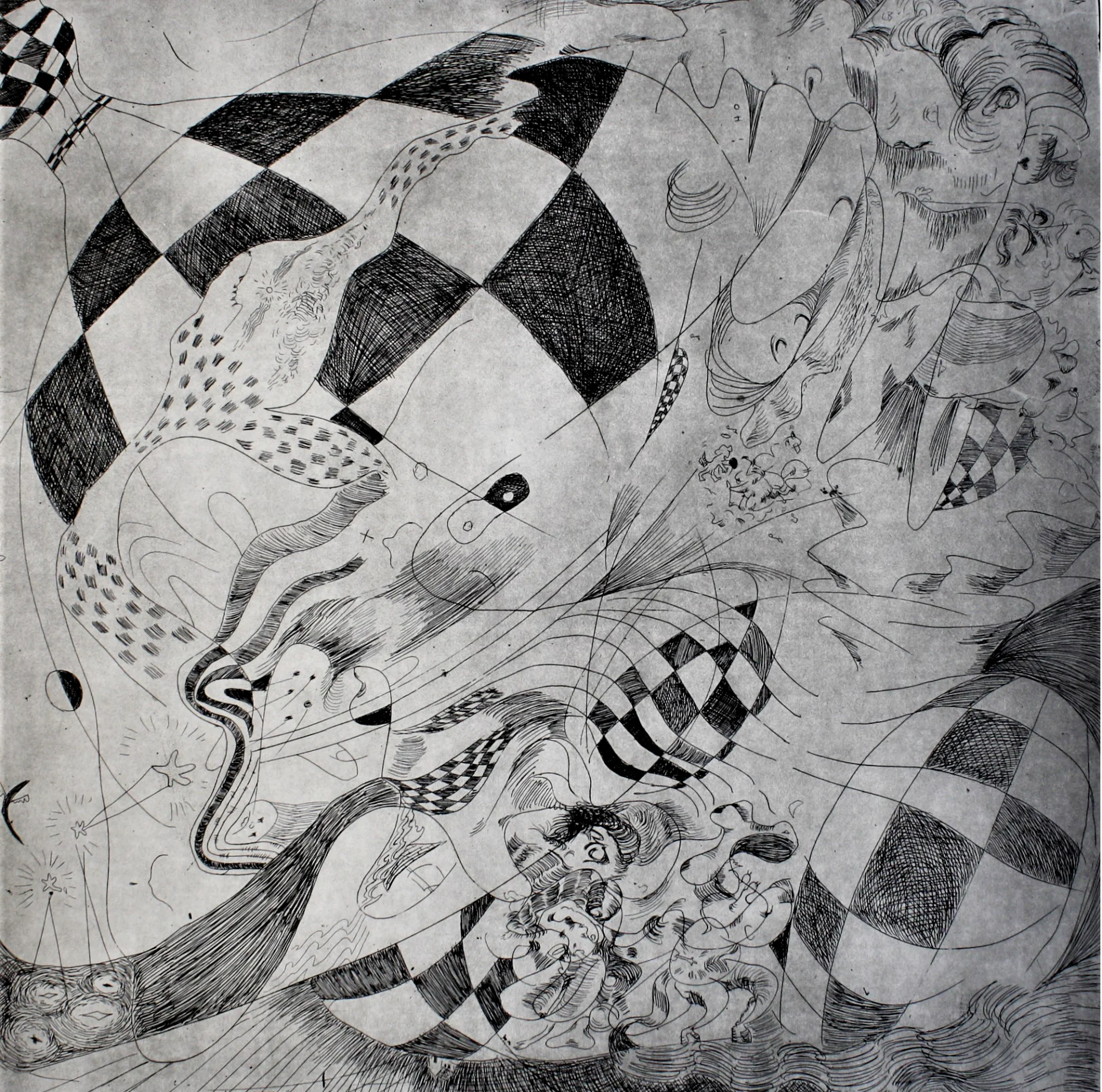
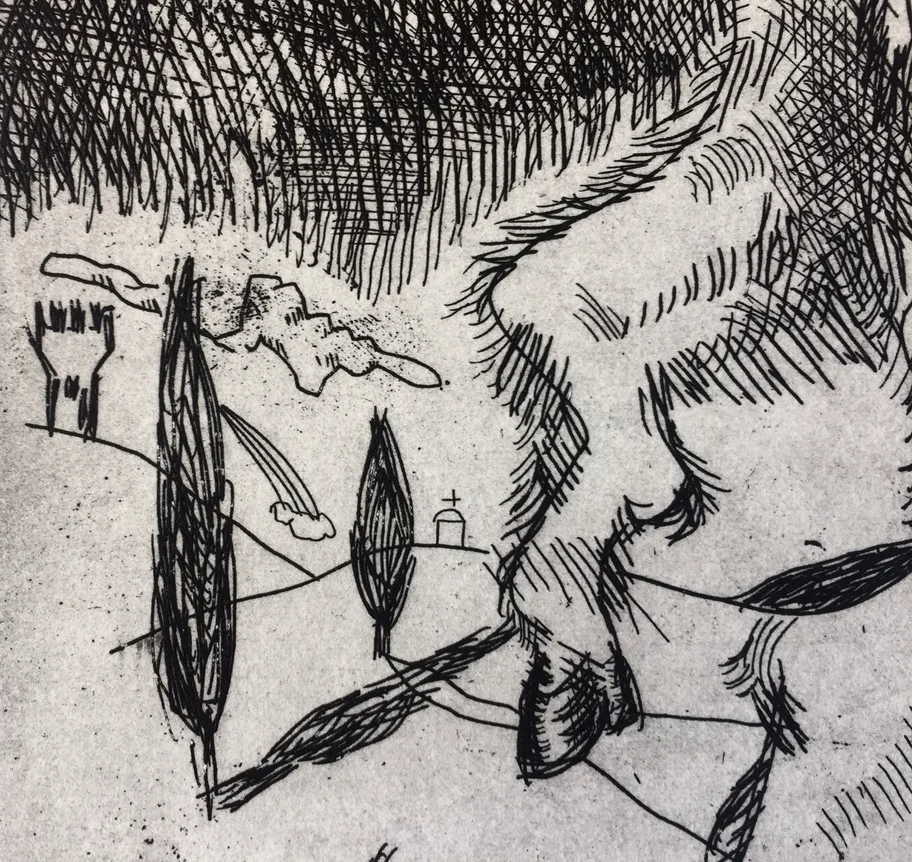
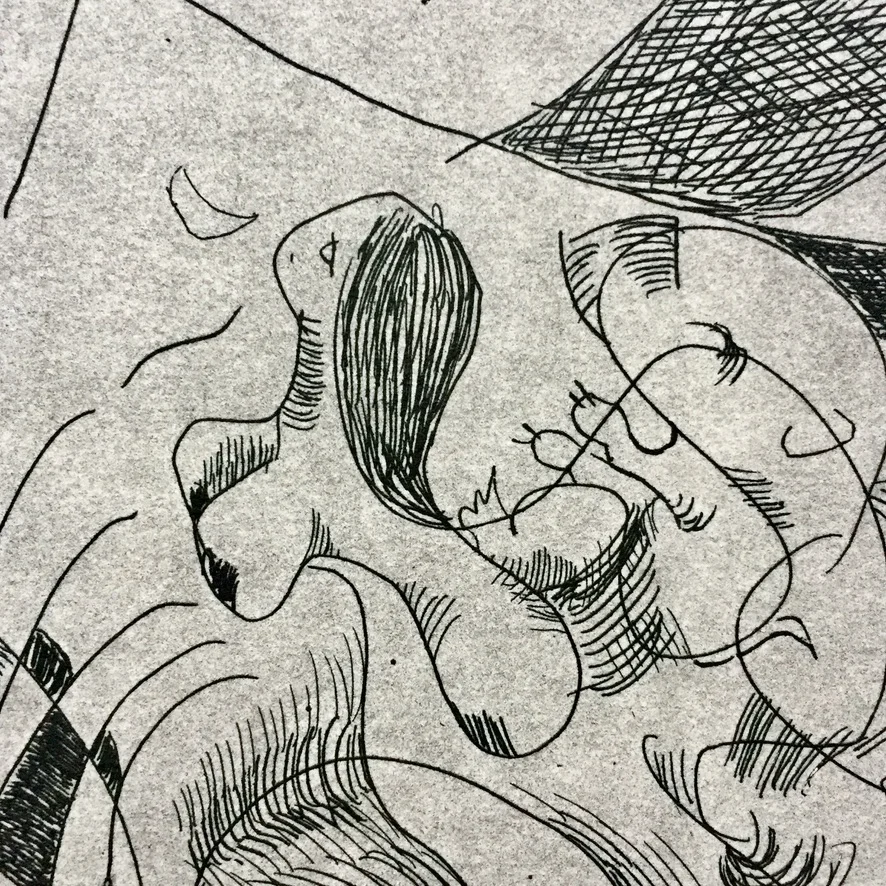
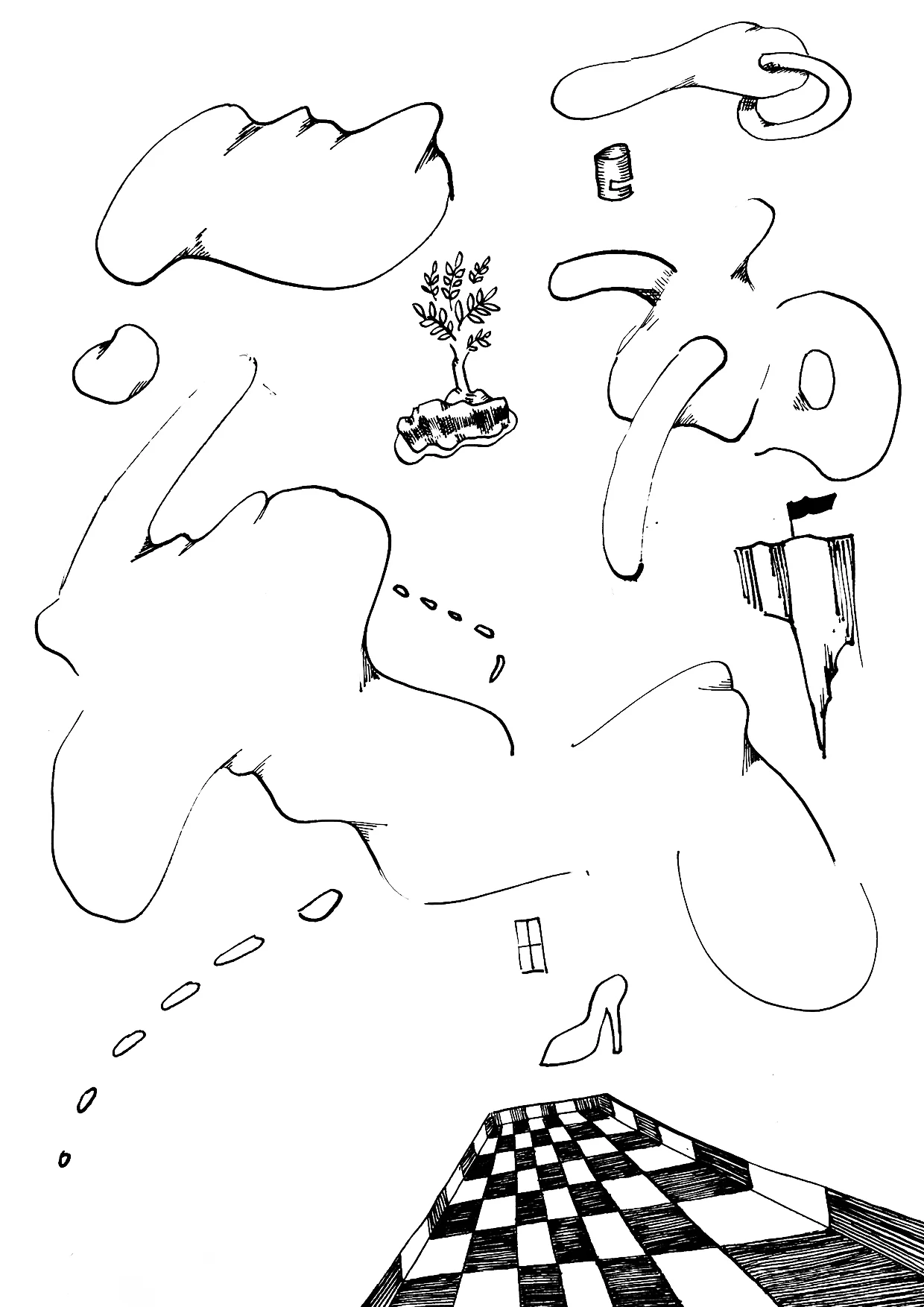
The search into the depths of the subconscious is an opaque and mysterious journey that brings hidden stories to light. Y otros cuentos is born at the margins of palpable reality. Created from the paranoid-critical method invented by Salvador Dalí, it bases its entire composition and overall appearance on strokes born from unconscious automatism.
Drawings that can be read right side up and upside down, small forms that become components of large figures, secondary characters, and animal and human symbols mix in this dynamic succession of fantastic events.
Across the eight iron plates, an infinity of tales flooded with satyrs, hills, floating islands, and storm clouds form the foundations of an entire inner world that clamors to come to light and give an emotional explanation to the vicissitudes of daily life.
The subconscious is a dark whirlpool that swallows and spits, and in the case of Y otros cuentos it springs from an abyss of memories and longings to explode into a whole personal mythology that narrates the past and predicts the future.
The faun women with sunglasses revel, immune to the long shadow of the cypresses, before a giant divine hand that forgives them. Curved dimensions follow one another on chessboards, we are saved from the apocalypse thanks to a door between the clouds, and a dancer in the upper corner of an etching is our only hope. These tales, and many more, form the transformed narrative spiral that, emerging from the depths, becomes an incredible way of understanding other lived stories.
diálogos viscerales
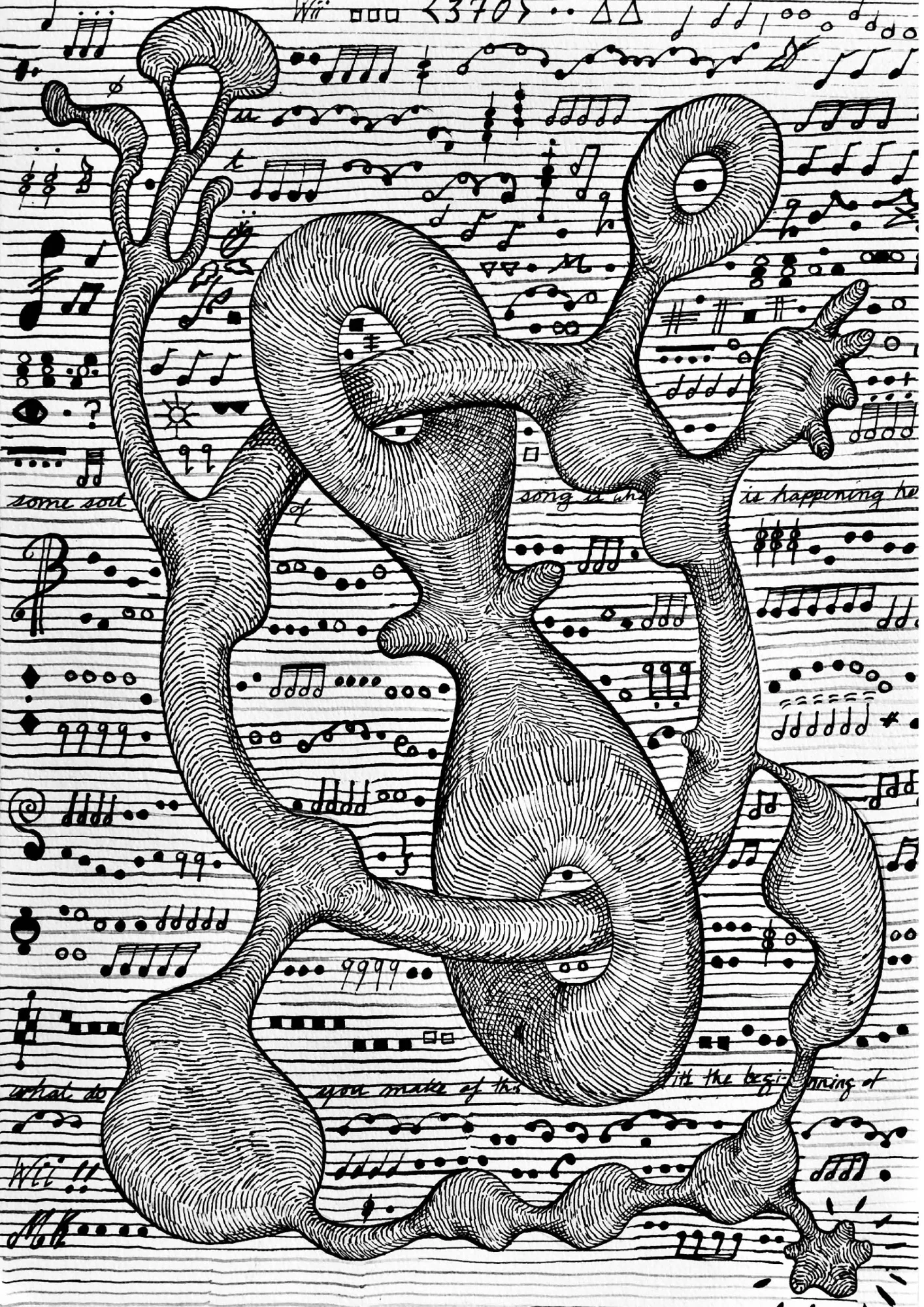
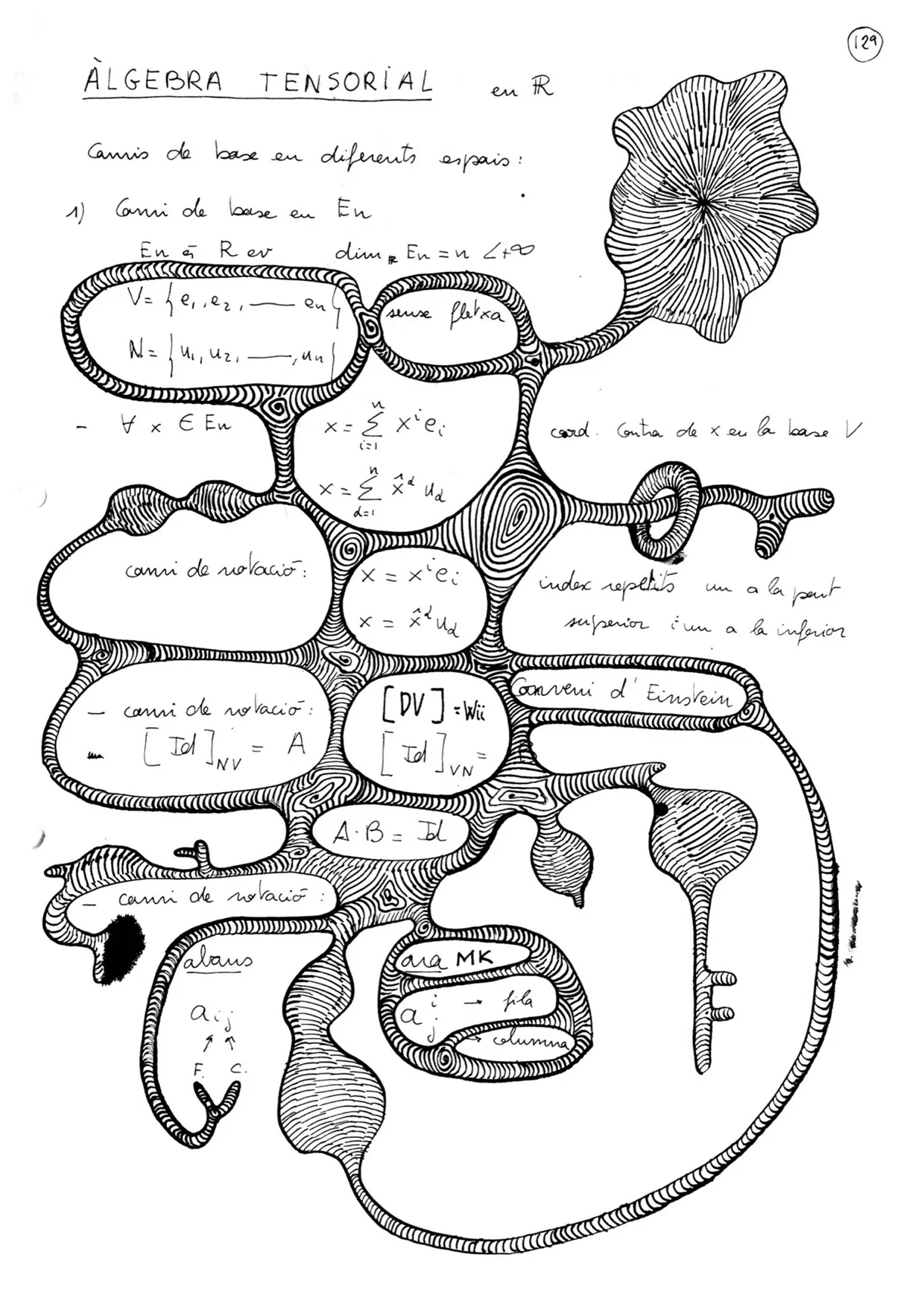
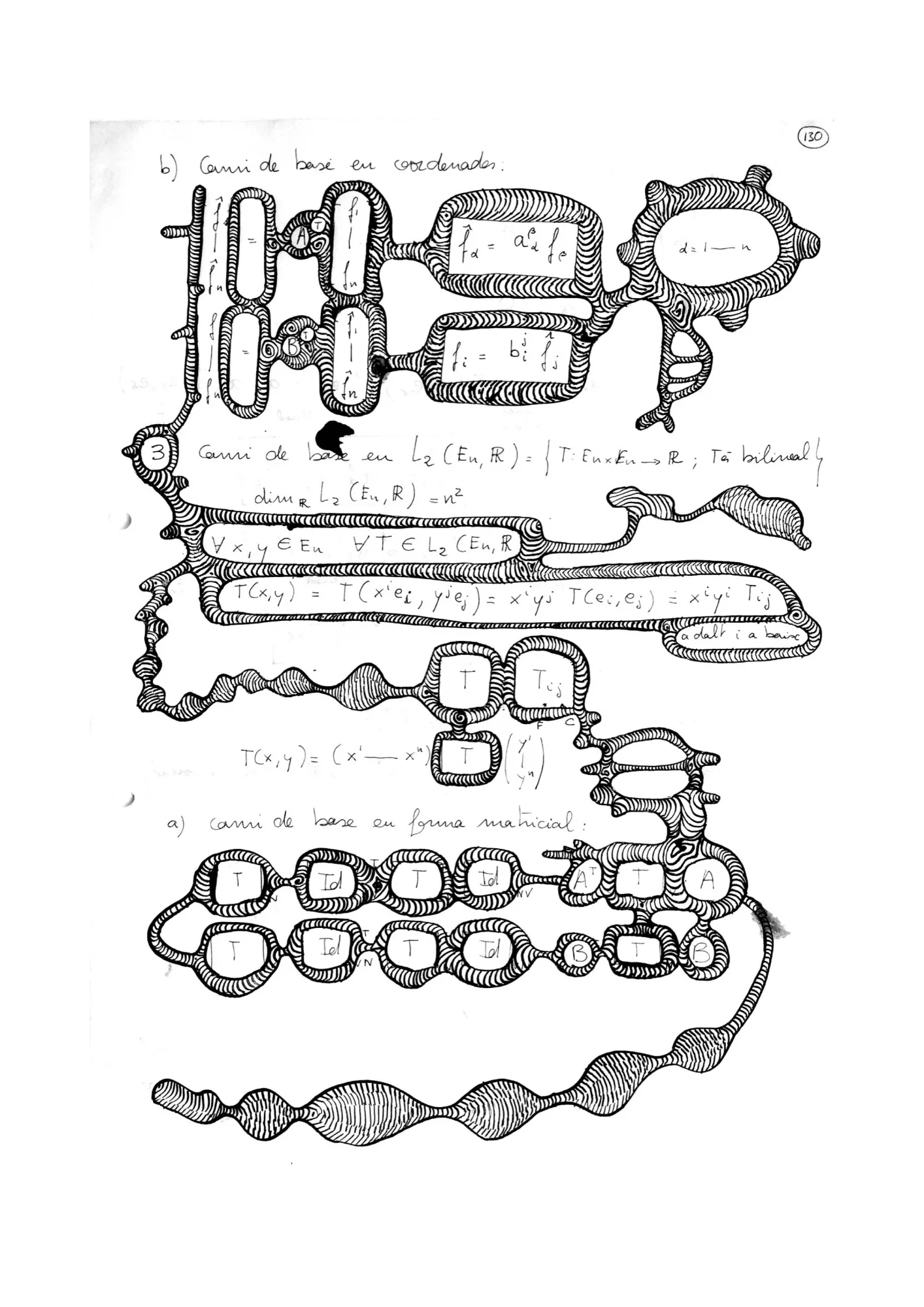
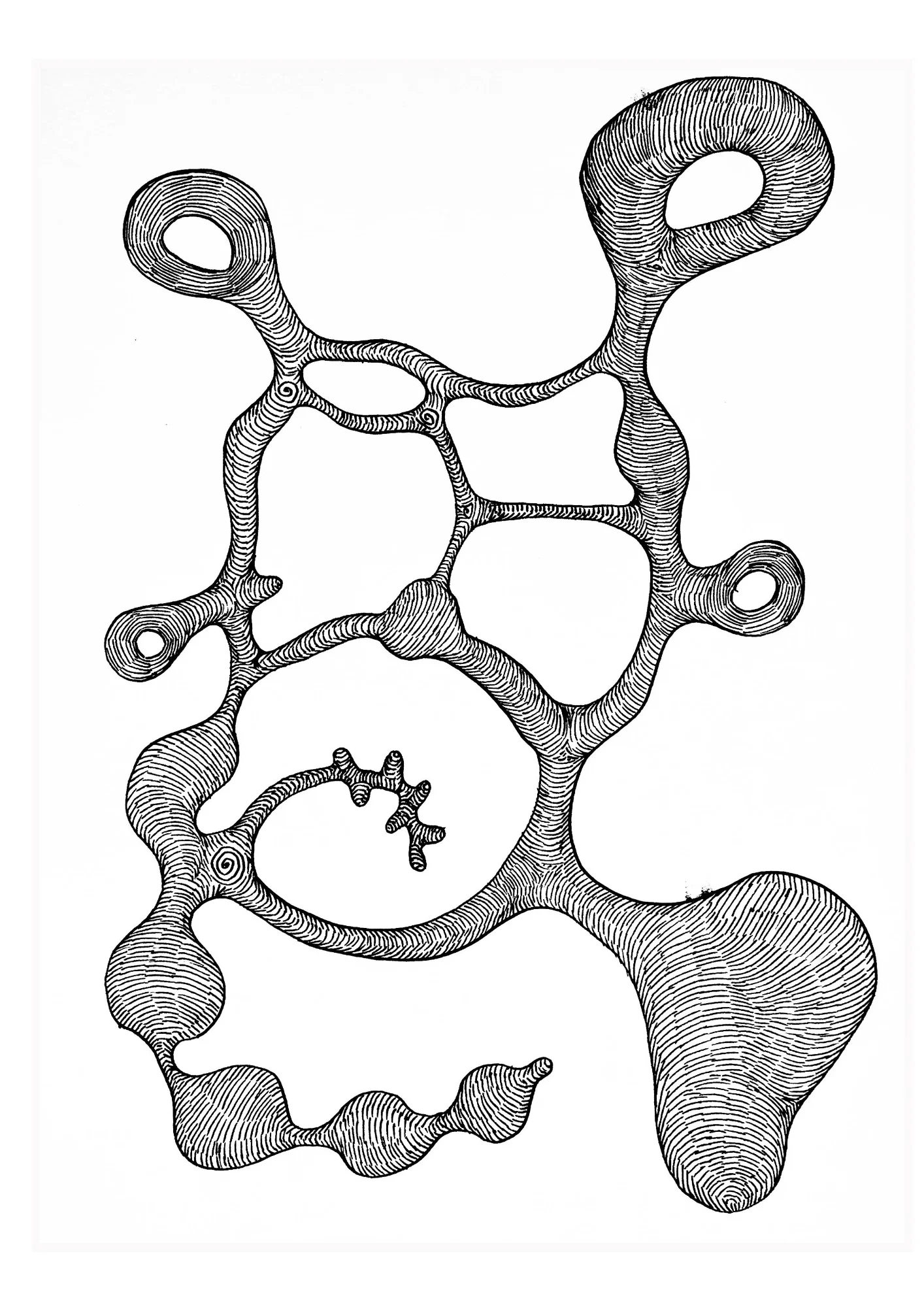
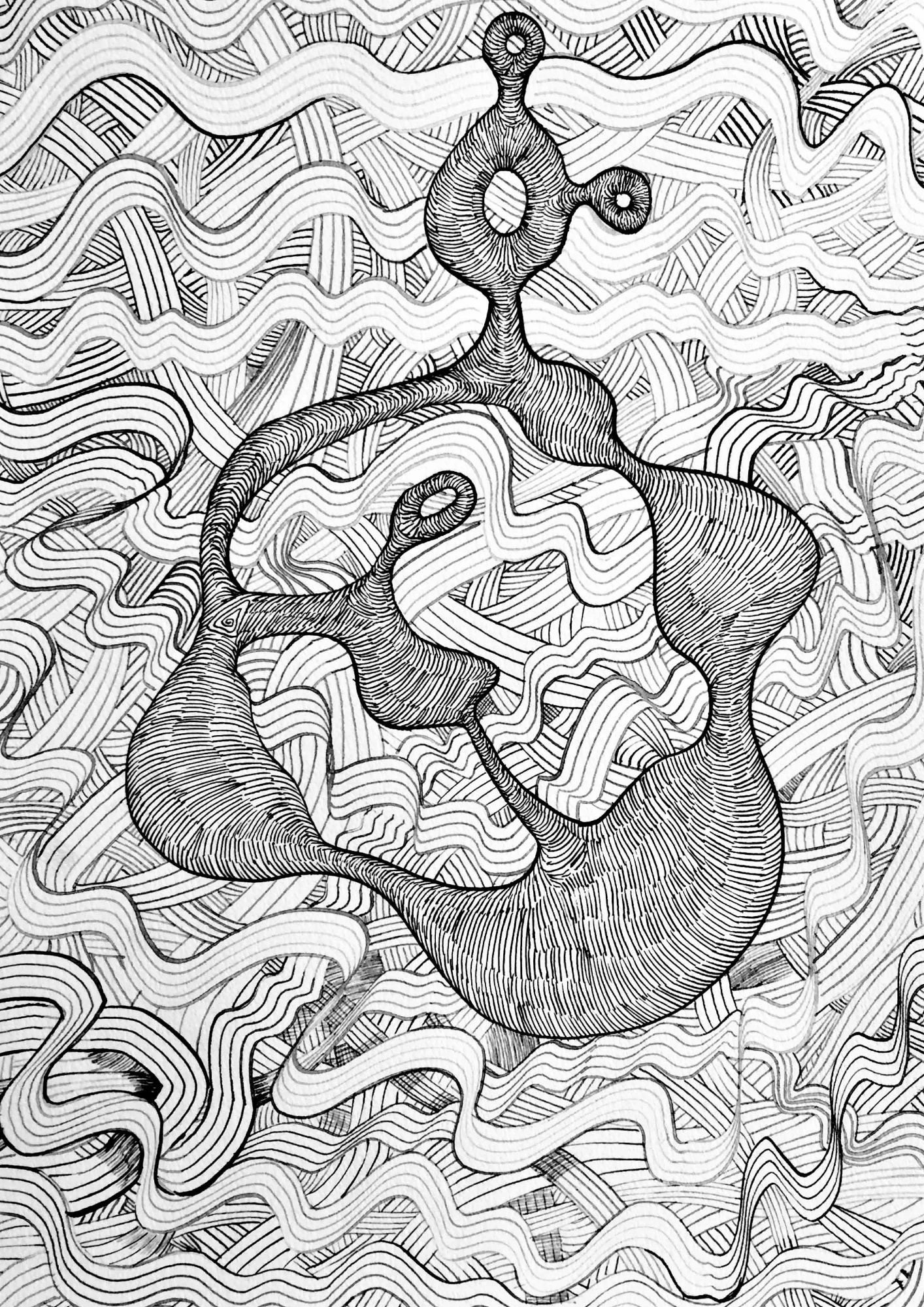
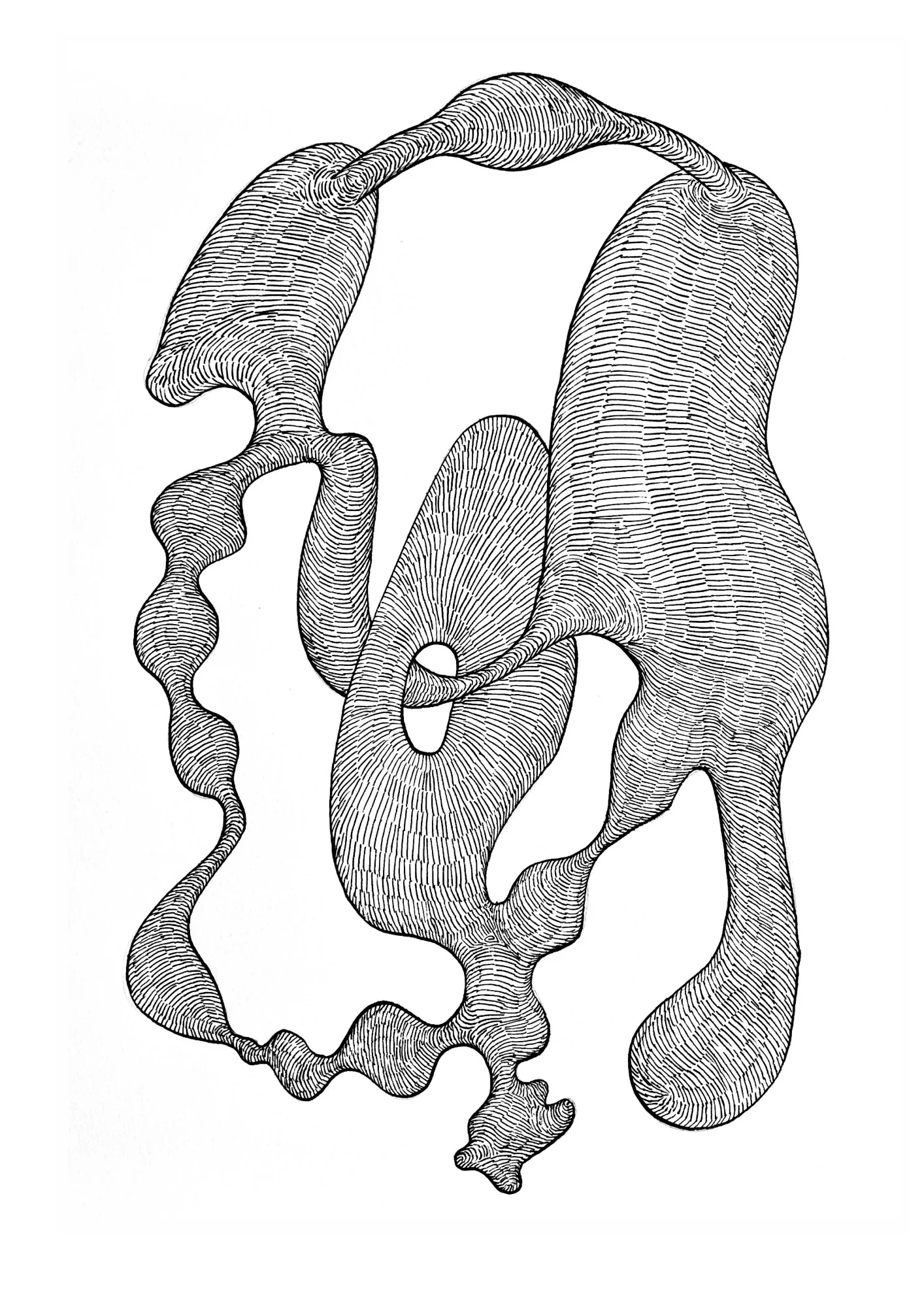
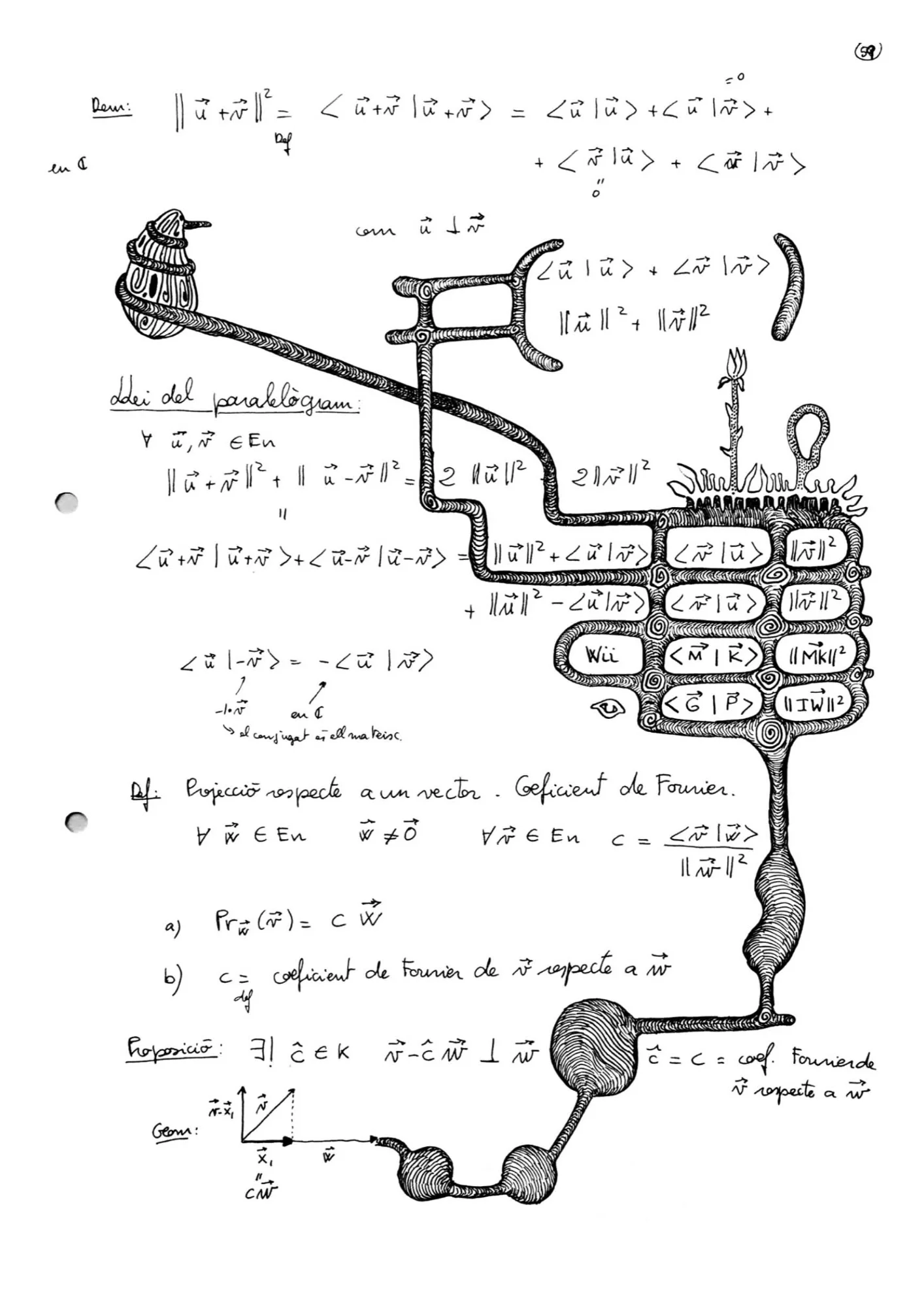
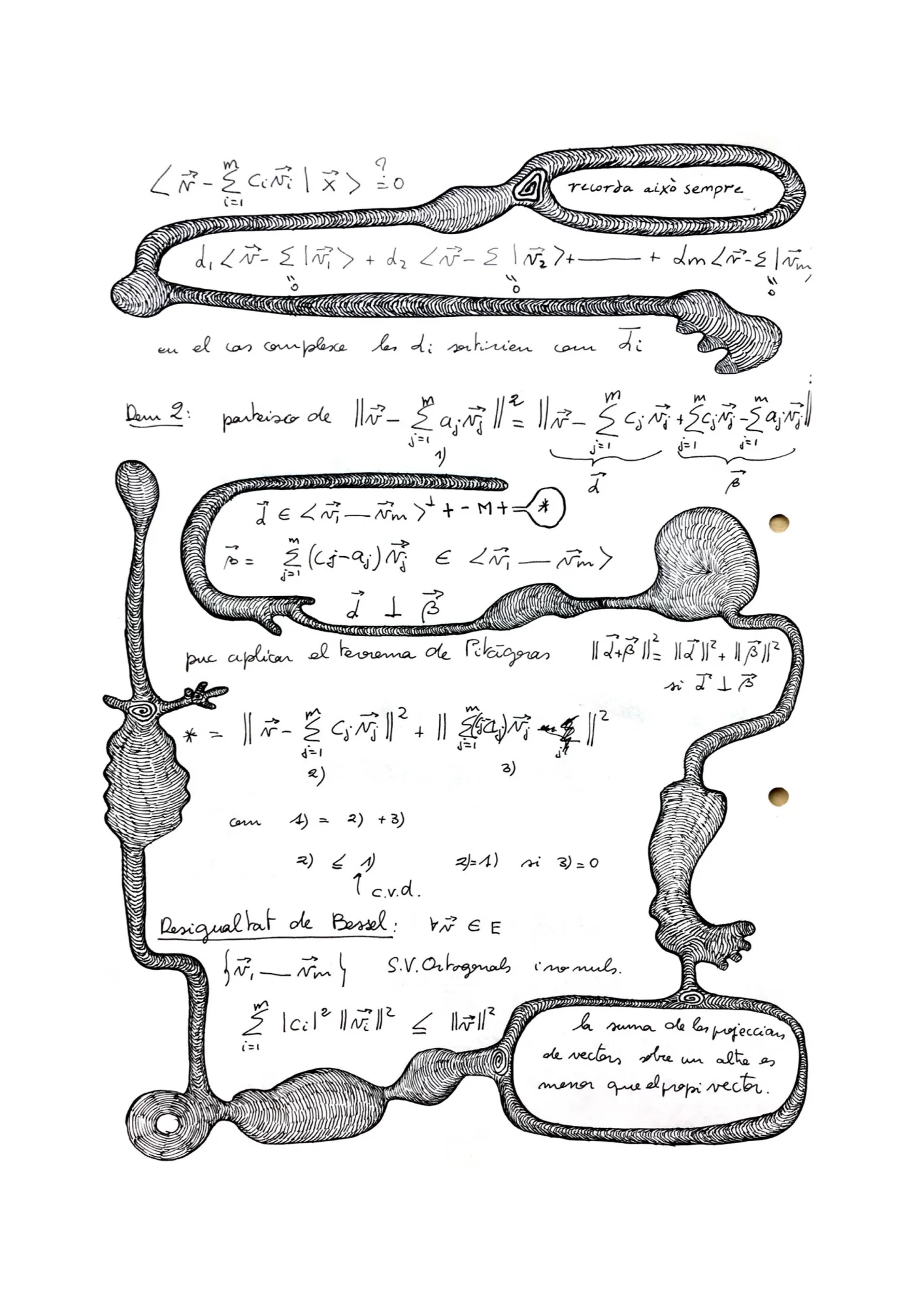
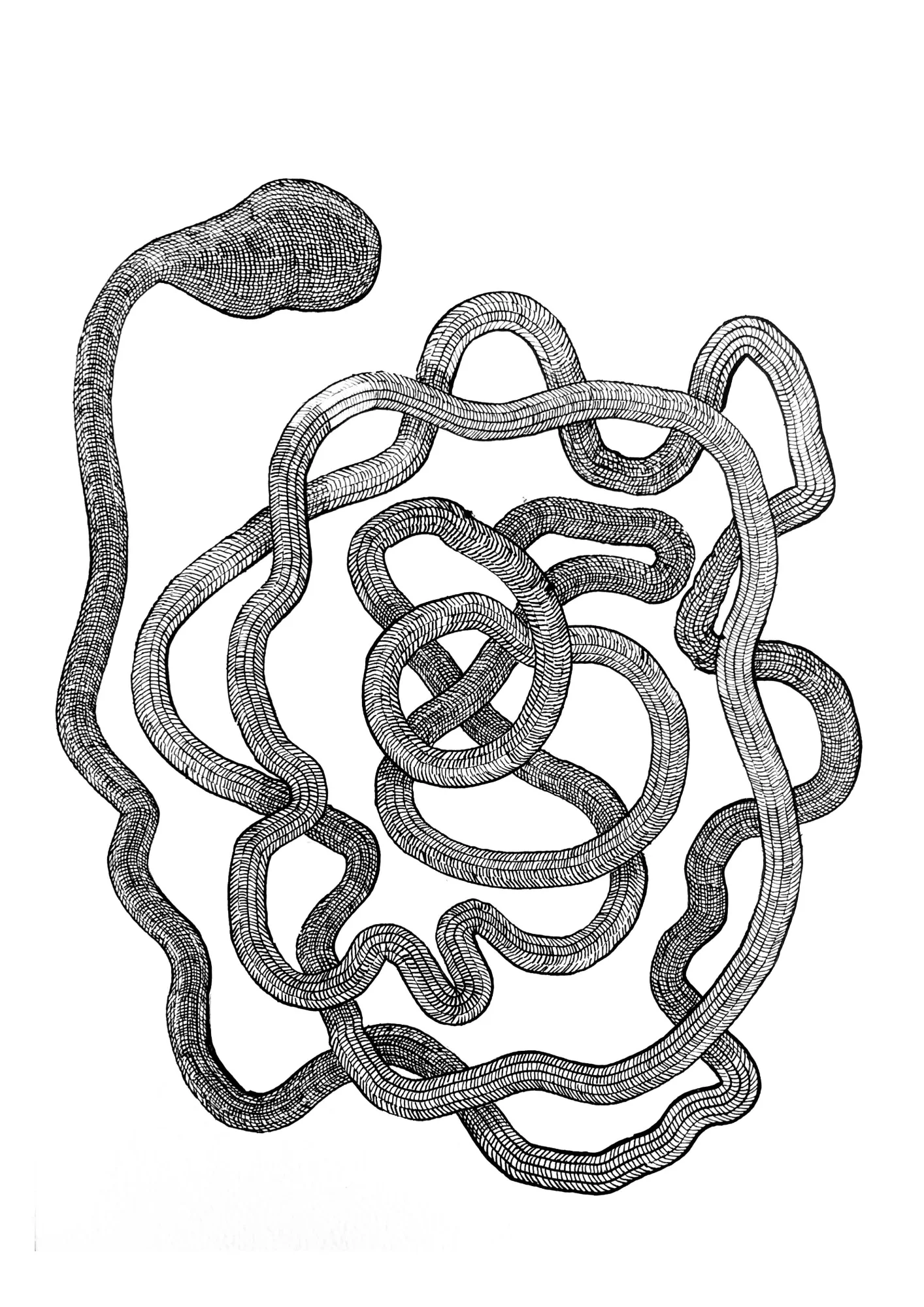
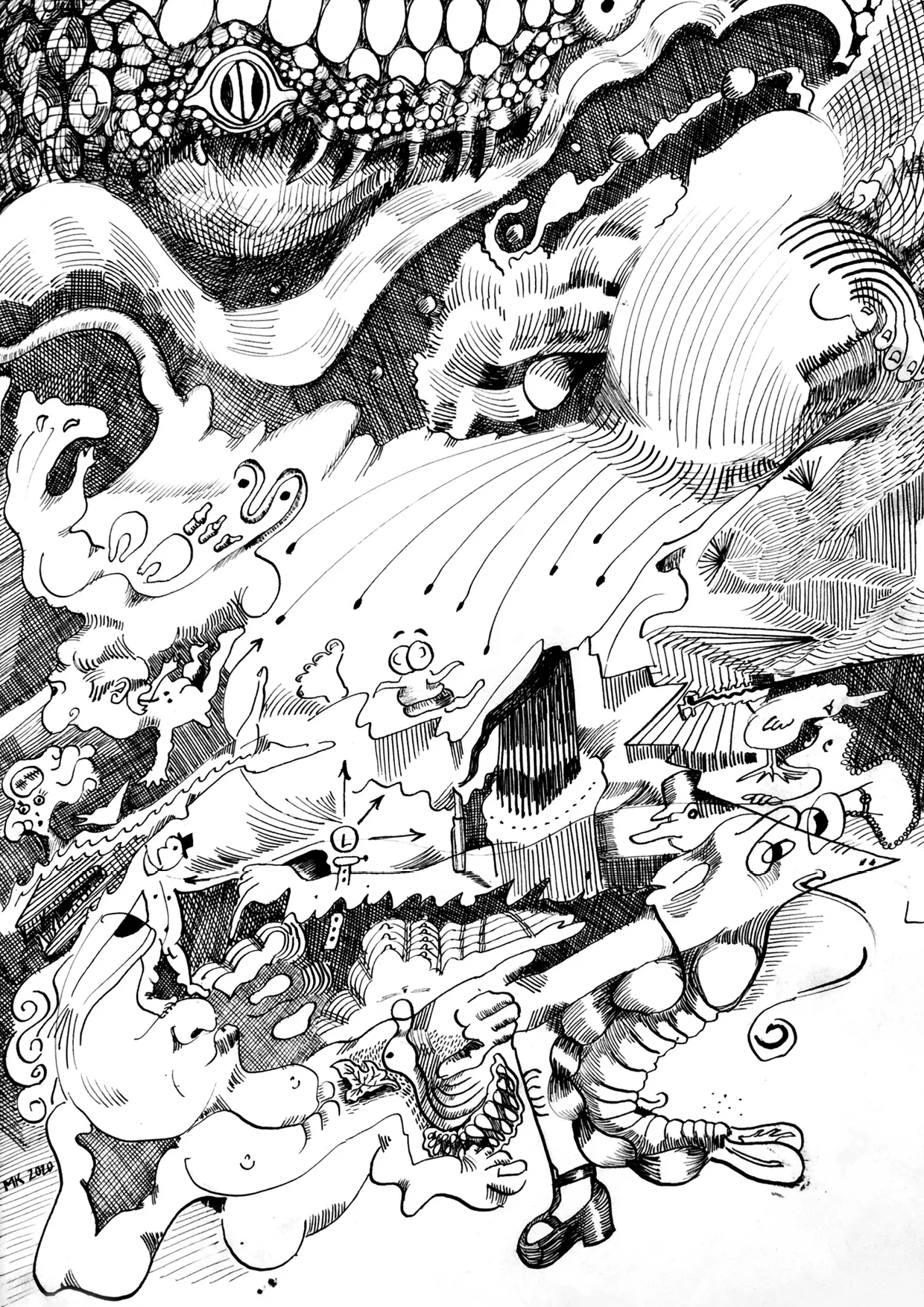
Visceral Dialogues is a series of pen and ink drawings that stems from encountering found algebraic notes, treated as objets trouvés, to shift mathematical language toward a sensory and organic realm. The formulas, originally conceived as closed, abstract structures, are recontextualized within a visual system that overflows them, proposing an interpretation where the rational is interwoven with the corporeal. The use of the pen, with its capacity to modulate the line between precision and accident, articulates a graphic language that oscillates between controlled strokes and their free-flowing nature.
The algebraic expressions coexist with soft, expansive, and difficult-to-contain forms: visceral figures—folds, membranes, growing masses—envelop, invade, and at times seem to devour the mathematical symbols, generating a constant tension between order and decomposition. The India ink, with its dense blacks and tonal variations, intensifies this relationship, transforming the surface into a field of absorption and resistance. The project is situated at the intersection of seemingly opposing systems of knowledge: the precision of calculation and the indeterminacy of life. In this superimposition, the images suggest a reversal of roles where that which should structure the world is absorbed by dynamics beyond its control, suggesting a form of thought that expands beyond the logical into the visceral and the intuitive.
el último amanecer
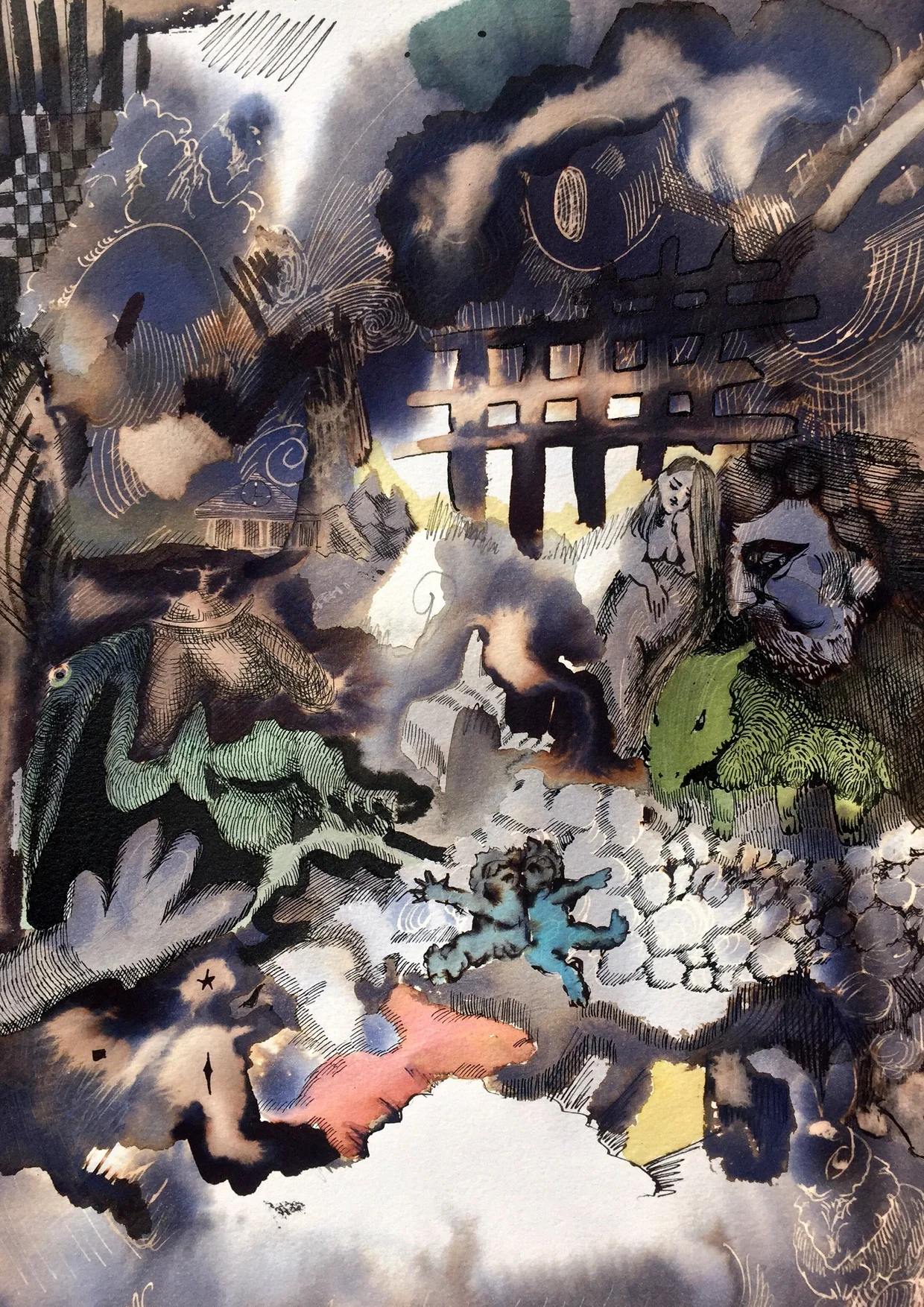
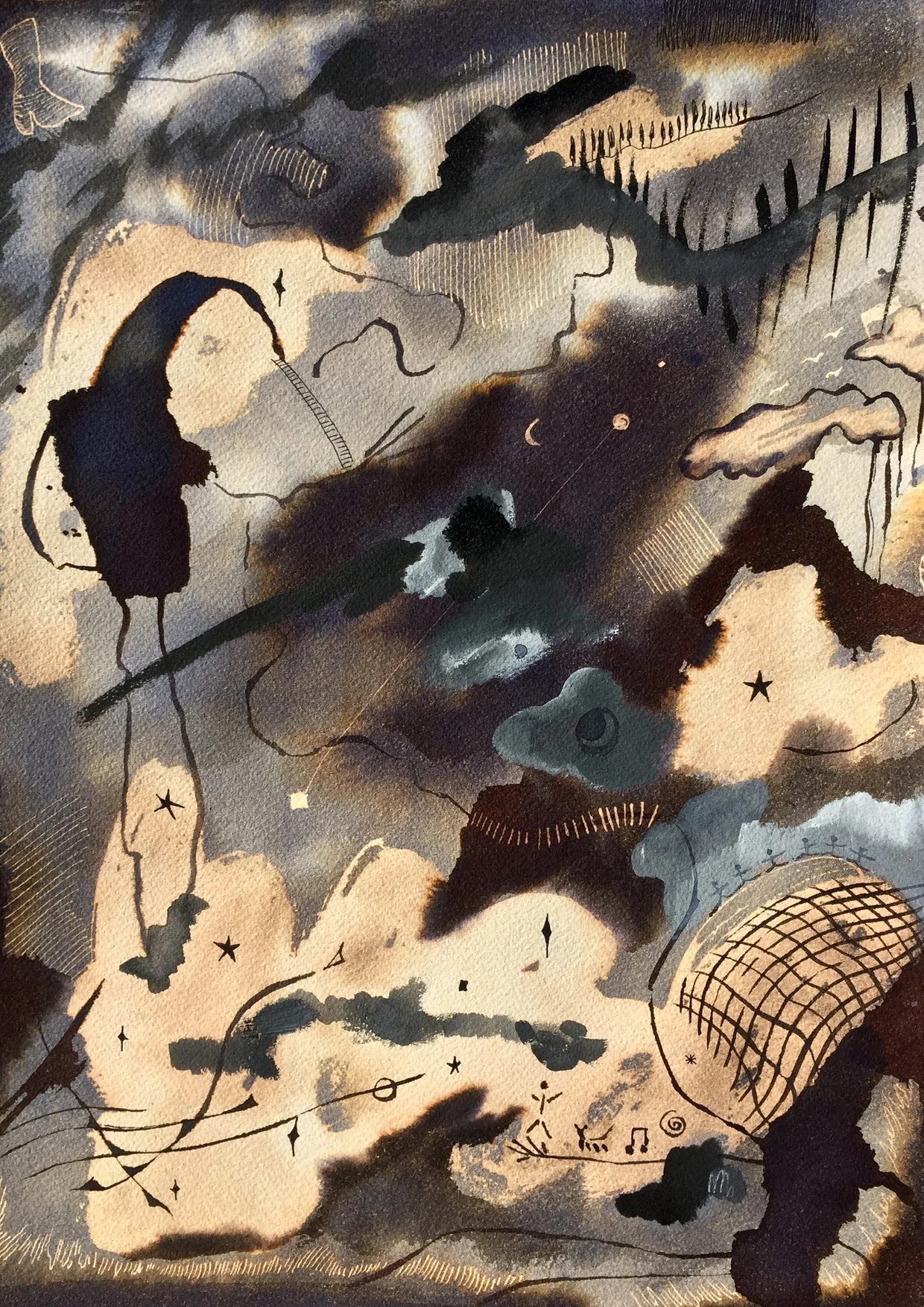
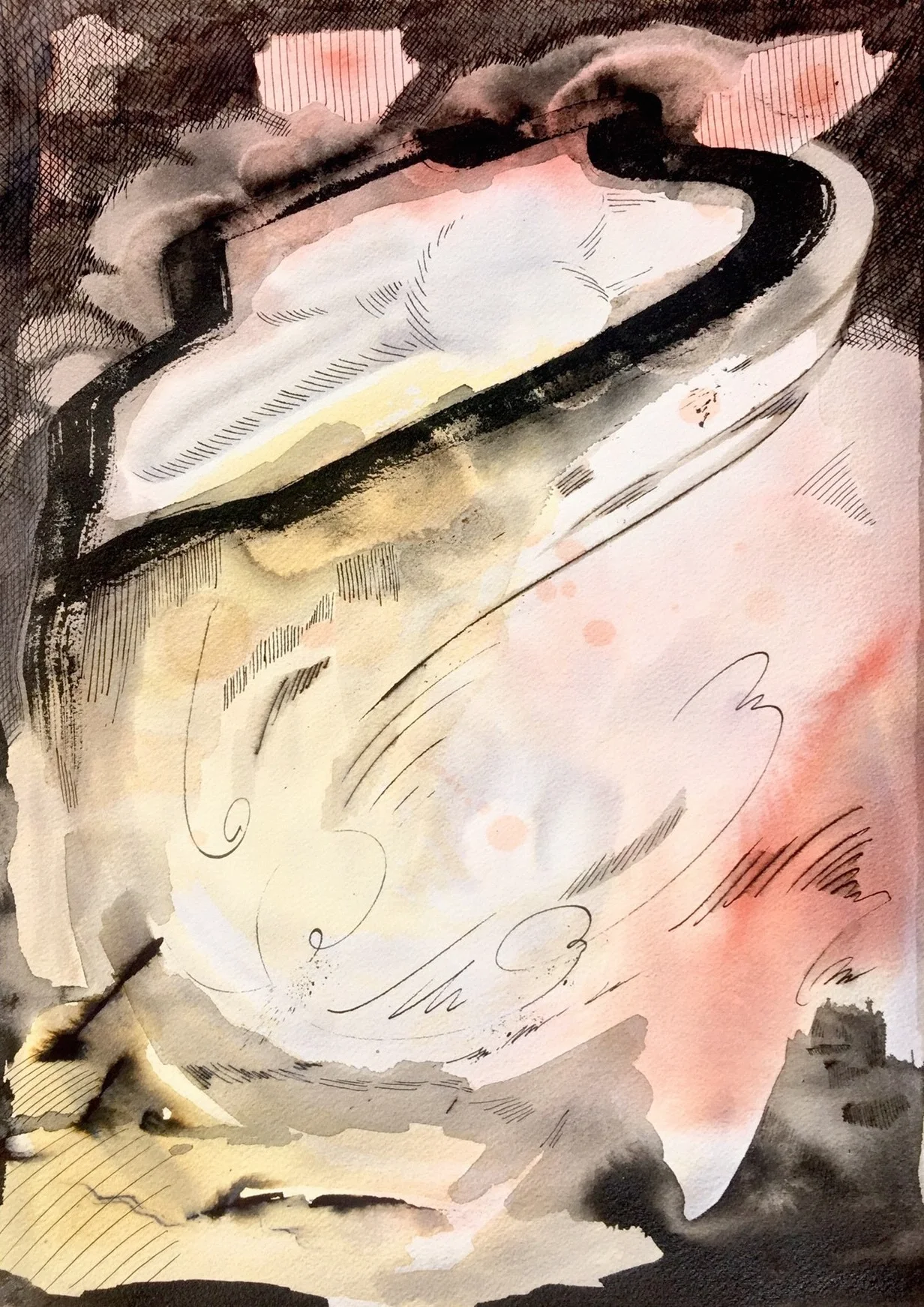
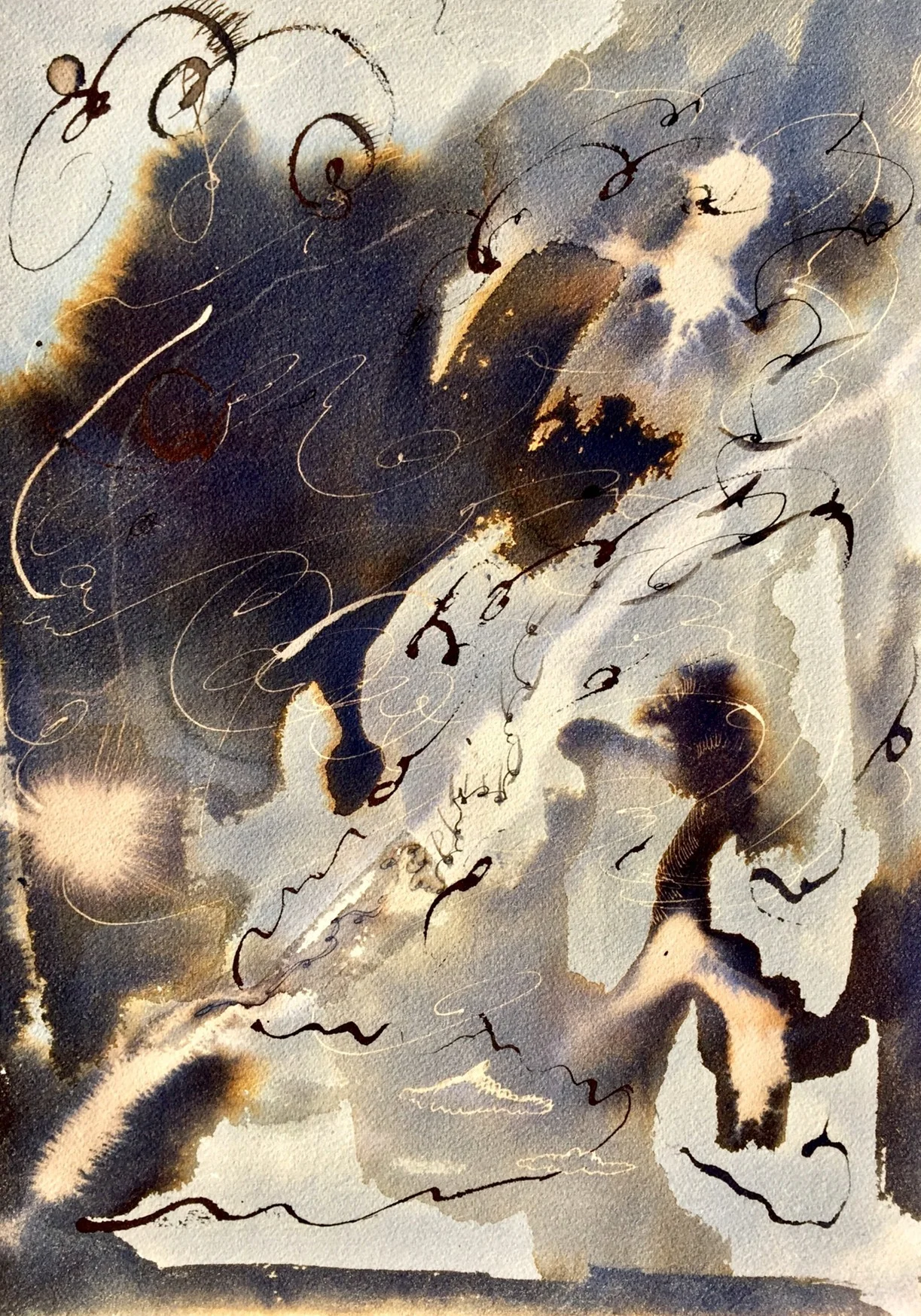
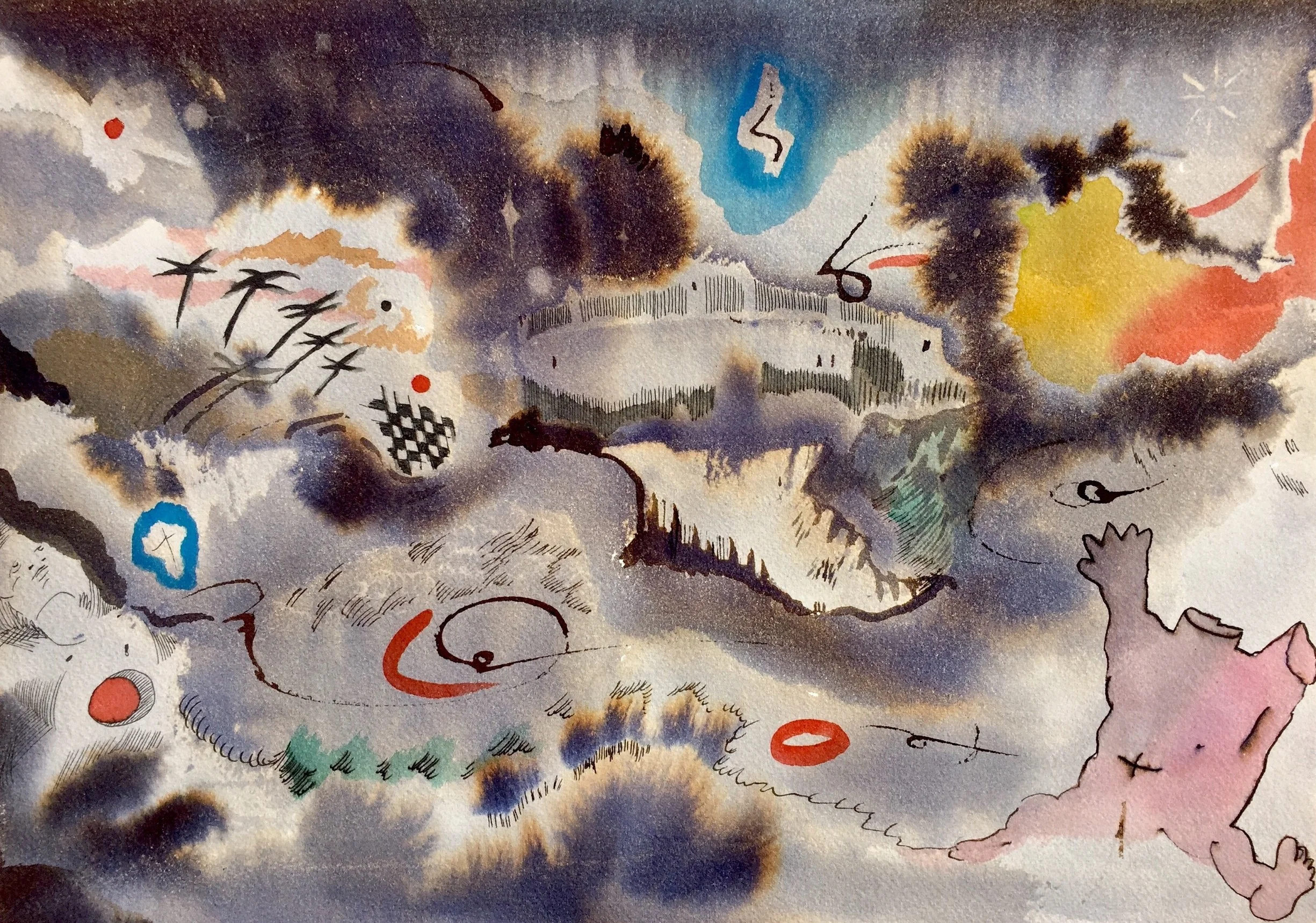
Speeches for the future is an illustration and graphic narrative project that draws from family archives to reconstruct an affective genealogy. Through portraits, objects, and domestic spaces, the work traces the invisible lines connecting generations and reveals patterns inherited without being named.
Ink and watercolor drawing is combined with fragments of autobiographical text, creating a dialogue between image and word where neither language completes the other. Gaps and silences are as much a part of the narrative as what is shown.
The title alludes to the repetition of roles and destinies within a family, but also to the possibility of interrupting that chain. The work situates itself at the point of tension between inherited legacy and the identity one chooses to build.
por siglos en eros
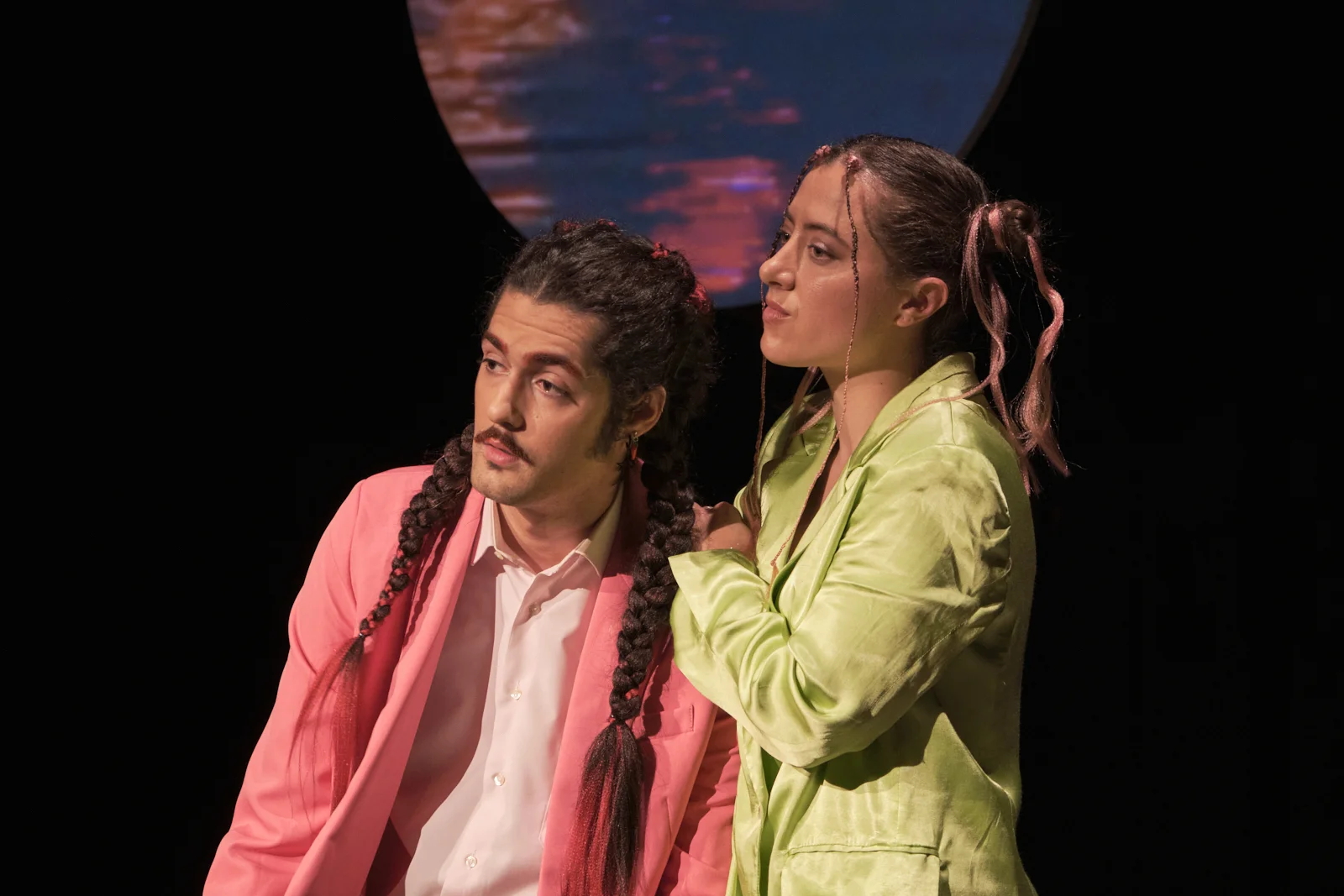
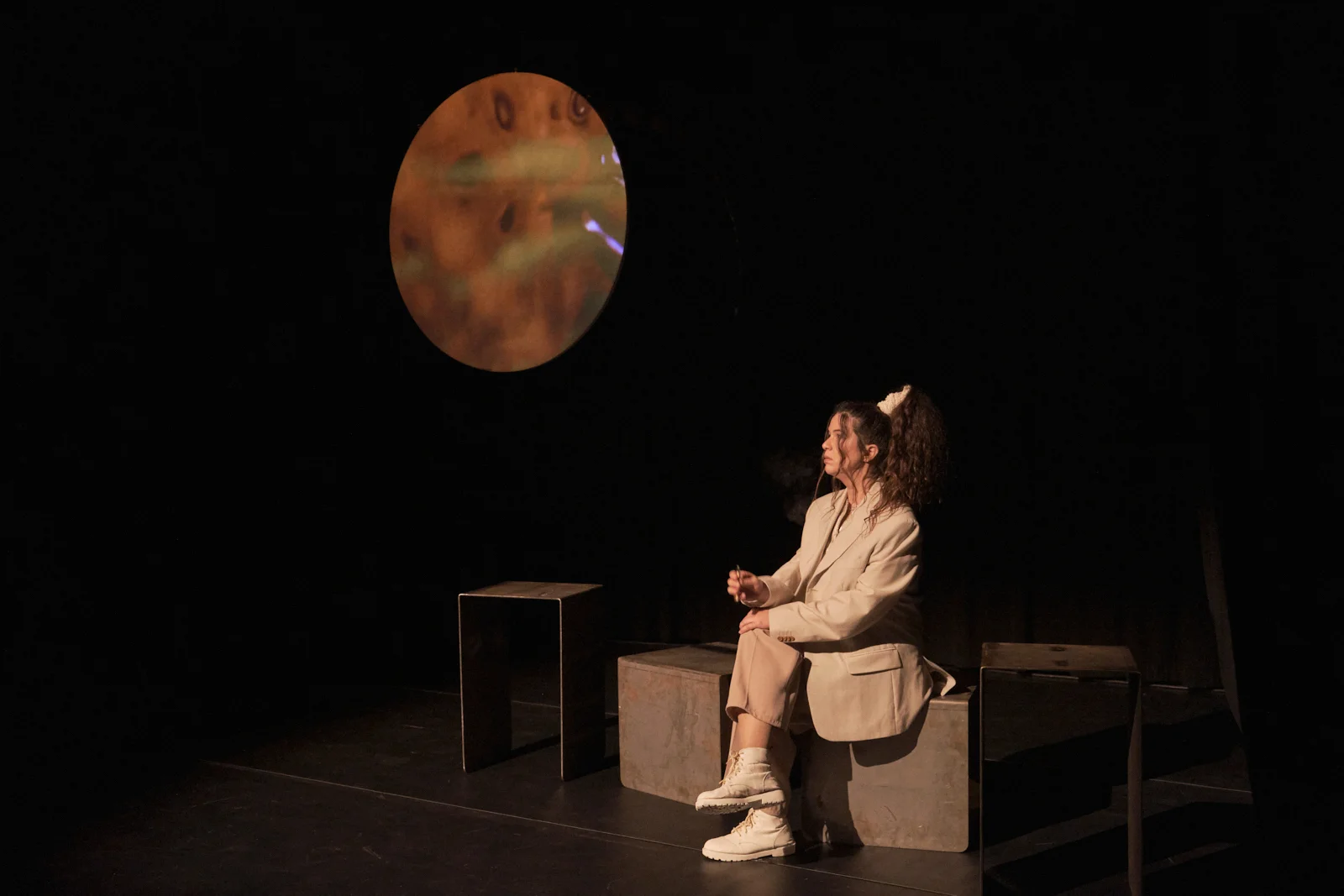
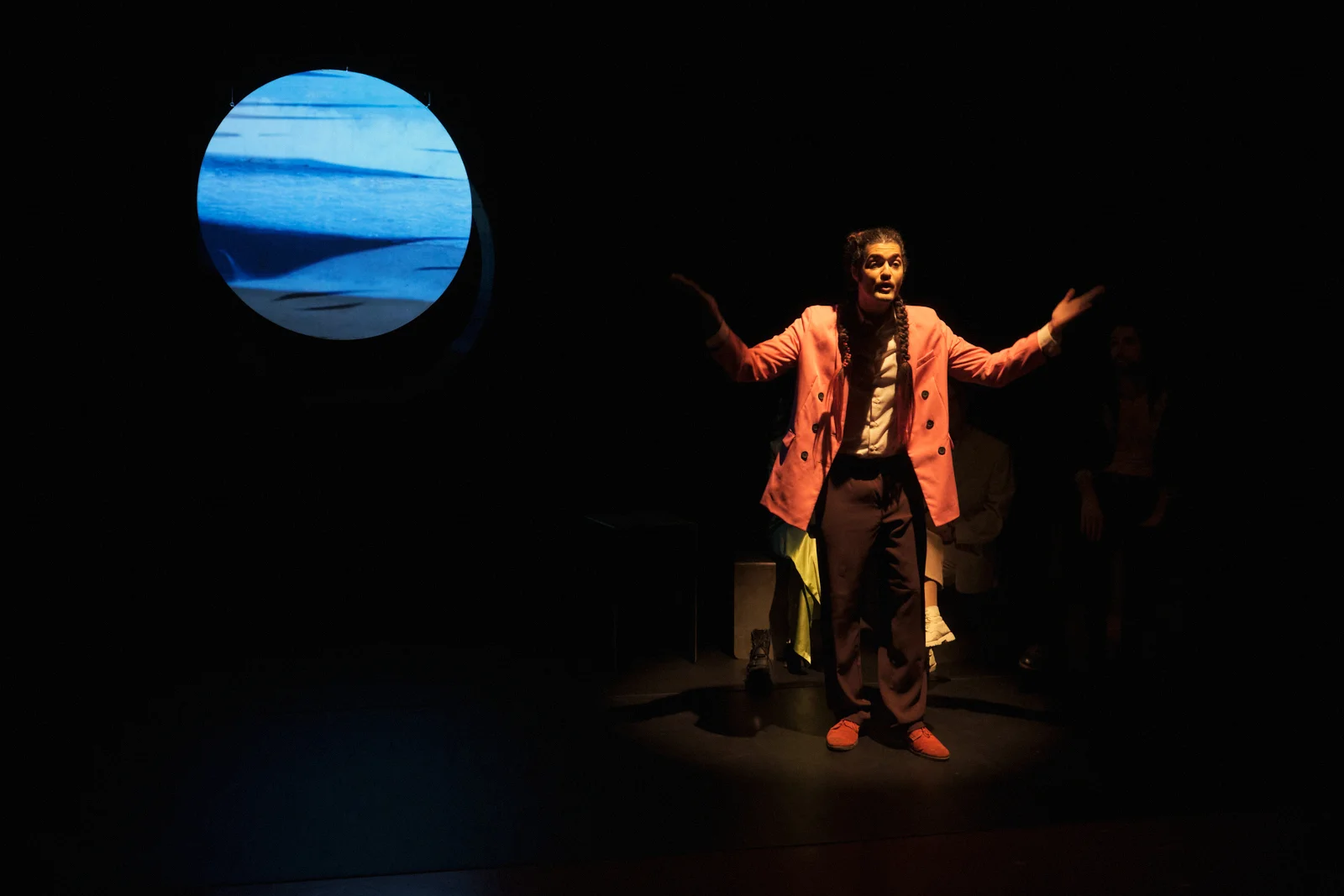
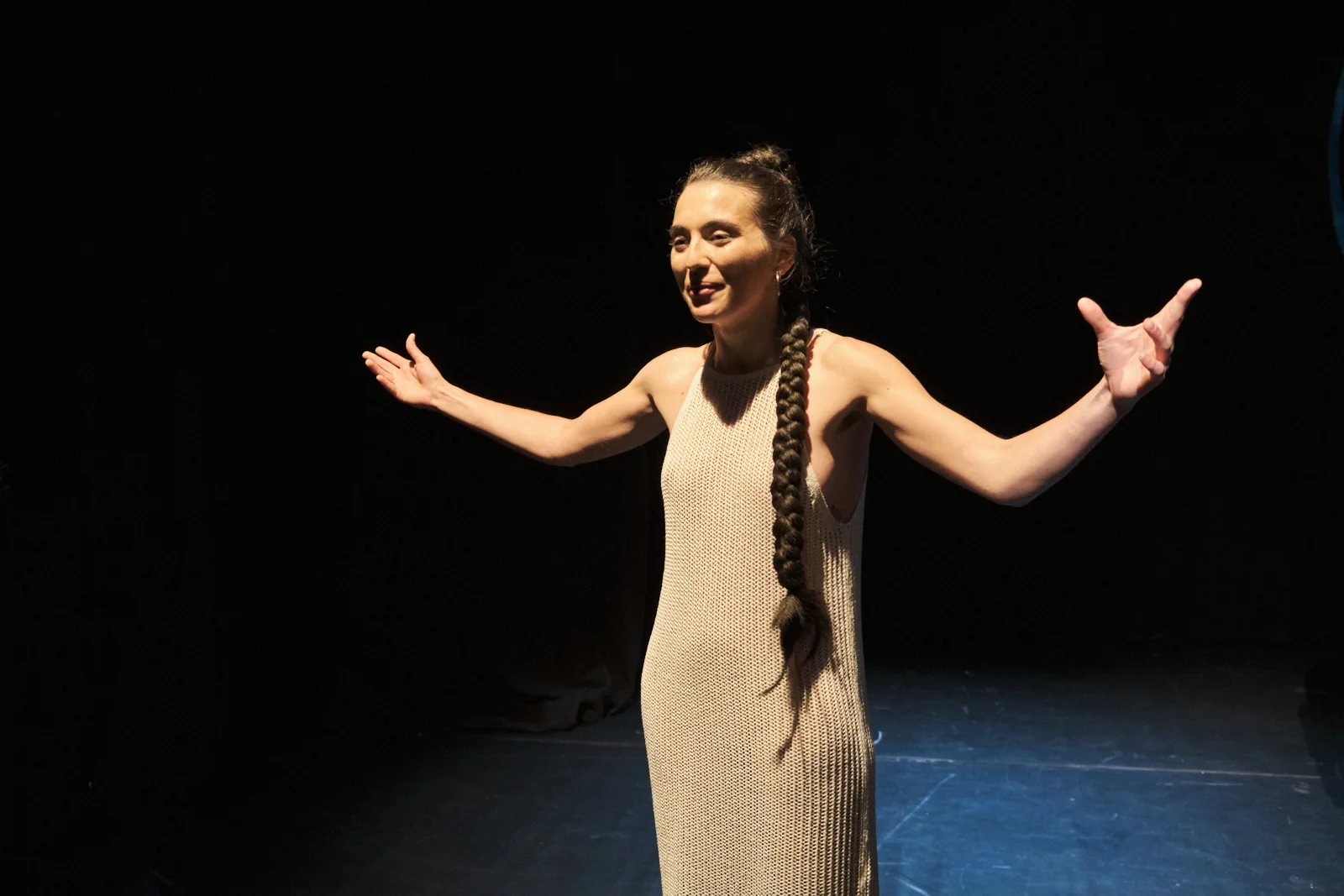
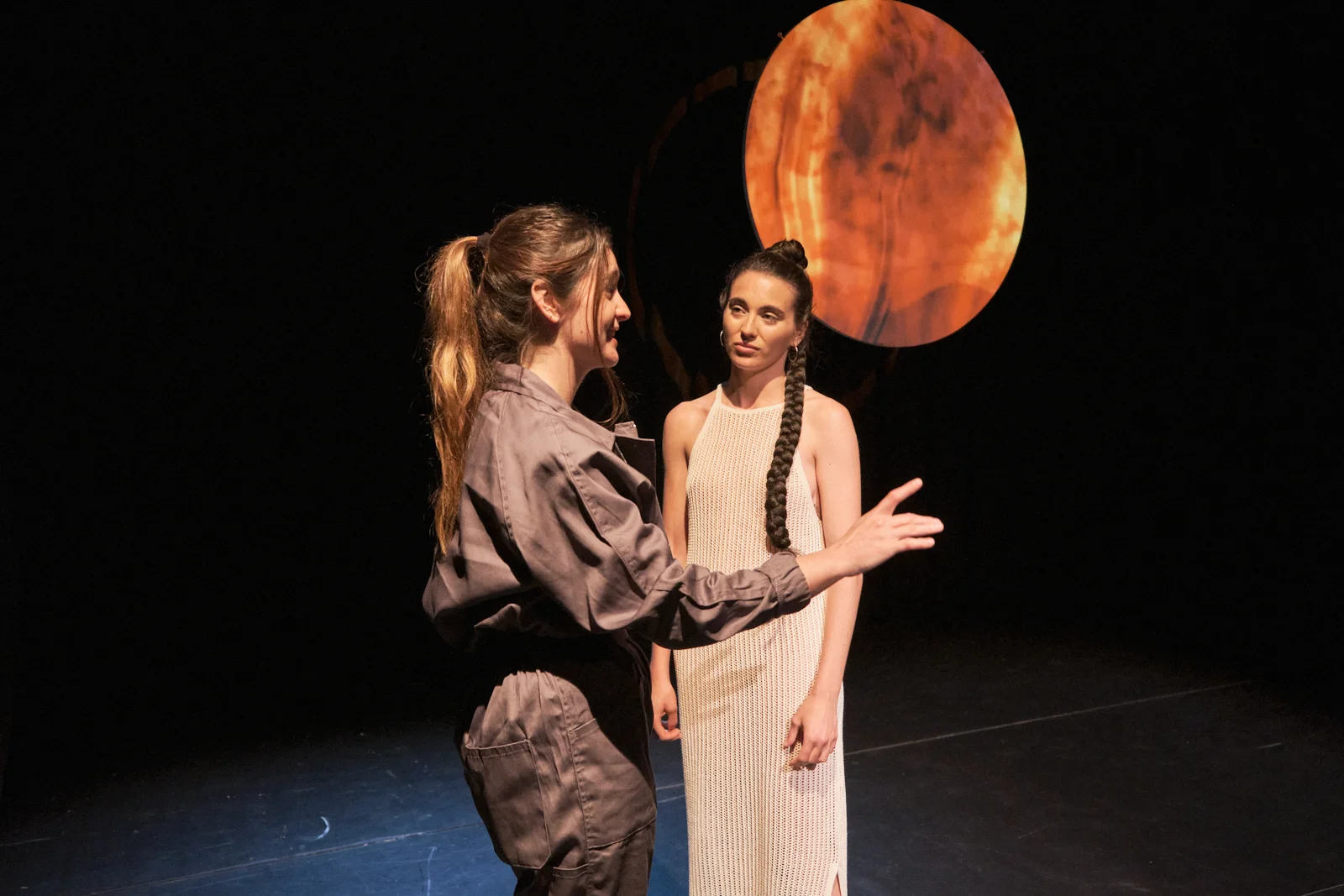
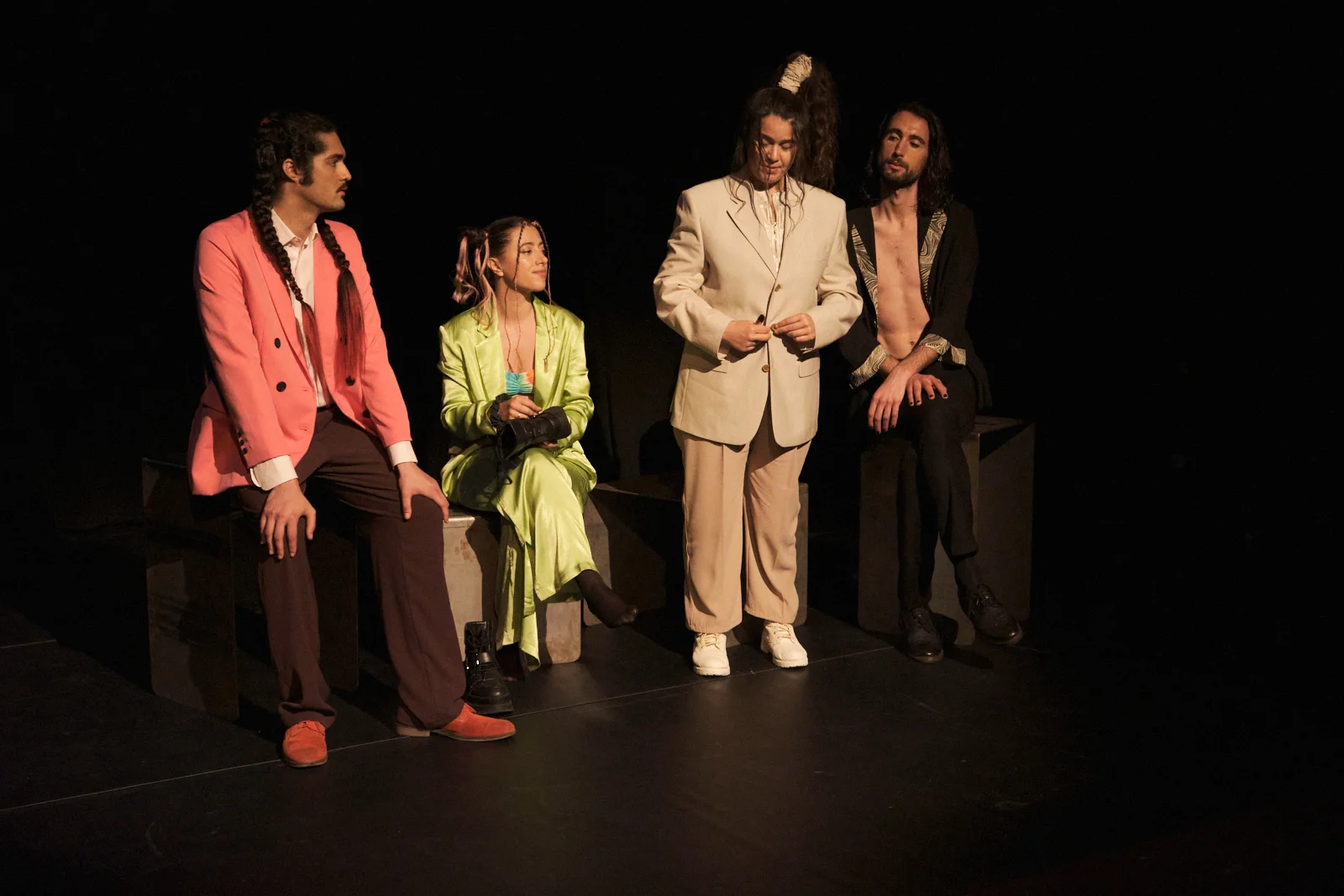
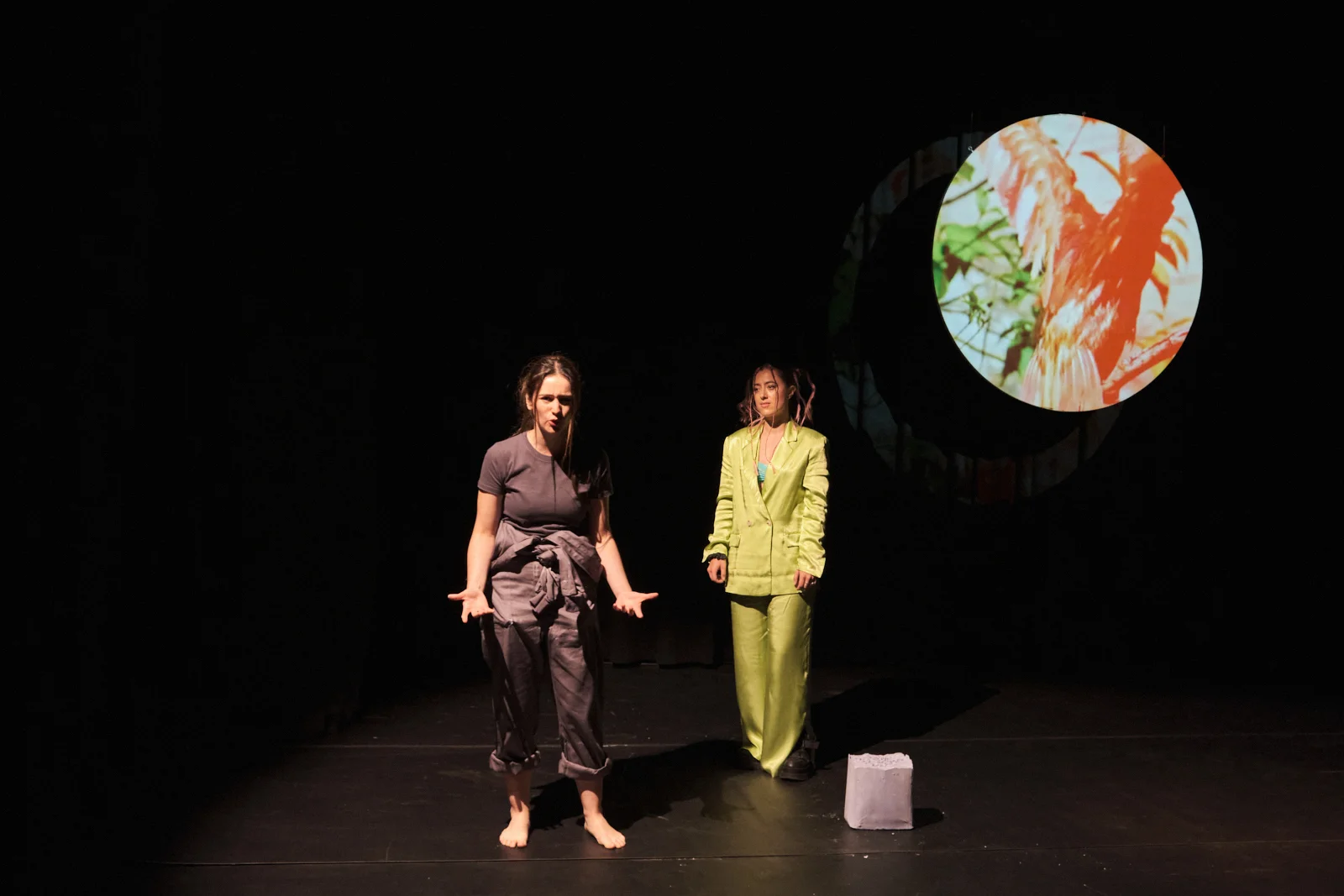
Por Siglos en Eros was presented at the Espai Jove Boca Nord on Sant Jordi Day within the first edition of the Festival de Poesia Jove del Carmel. This performance presents a love story charged with emotion between the goddess Atenea and a mortal artist that extends for centuries due to a situation that unsettles four of the Perpetuos: Muerte, Eros, Porvenir y Locura (eternal personifications of human passions).
Seeking a way to reverse the Greek myths that show gods of Olimpo pursuing nymphs and hatching far-fetched plans to seduce them, Por Siglos en Eros advocates love between women. A risky and unconditional love that materializes through an allegorical character without a name, the artist; and it inverts the role of the goddess Atenea as a tragic heroine.
Mixing comedy and lyricism, the story draws on overflowing art, presenting itself as a creator of meaning and a metaphor for a possible world shaped by emotions.
In November 2021, l'Espai Jove Boca Nord, starting from the watercolor and poetry exhibition of Monica Kopatschek and Ana López Serrano Se acabaron las bacanales, offered the artists the opportunity to organize the Festival de Poesia Jove del Carmel. Thus Estúpido Venus was born, which shaped the project by bringing together a team of actresses, visual artists, theater and performance specialists who joined on a non-profit basis and with the will to strengthen their creations by joining with other artists in a single show. The participants found in Por Siglos en Eros an opportunity to collaborate and grow with a project in common.
The team had the lyrical dramaturgy entirely written by A. López, with M. Kopatschek as art director, J. Casanovas as stage director, M. Marin and I. Espinilla as actresses (Institut del Teatre), A. Pino as actor (Escola Massana, @elnoviodevenus), and video art by M. Papadopoulos and S. Sborlino (Escola Grisart).
SUMMARY VIDEO Instagram Estupido Venus Summary video 1 Summary video 2 Summary video 3 Summary video 4