sobre el agua
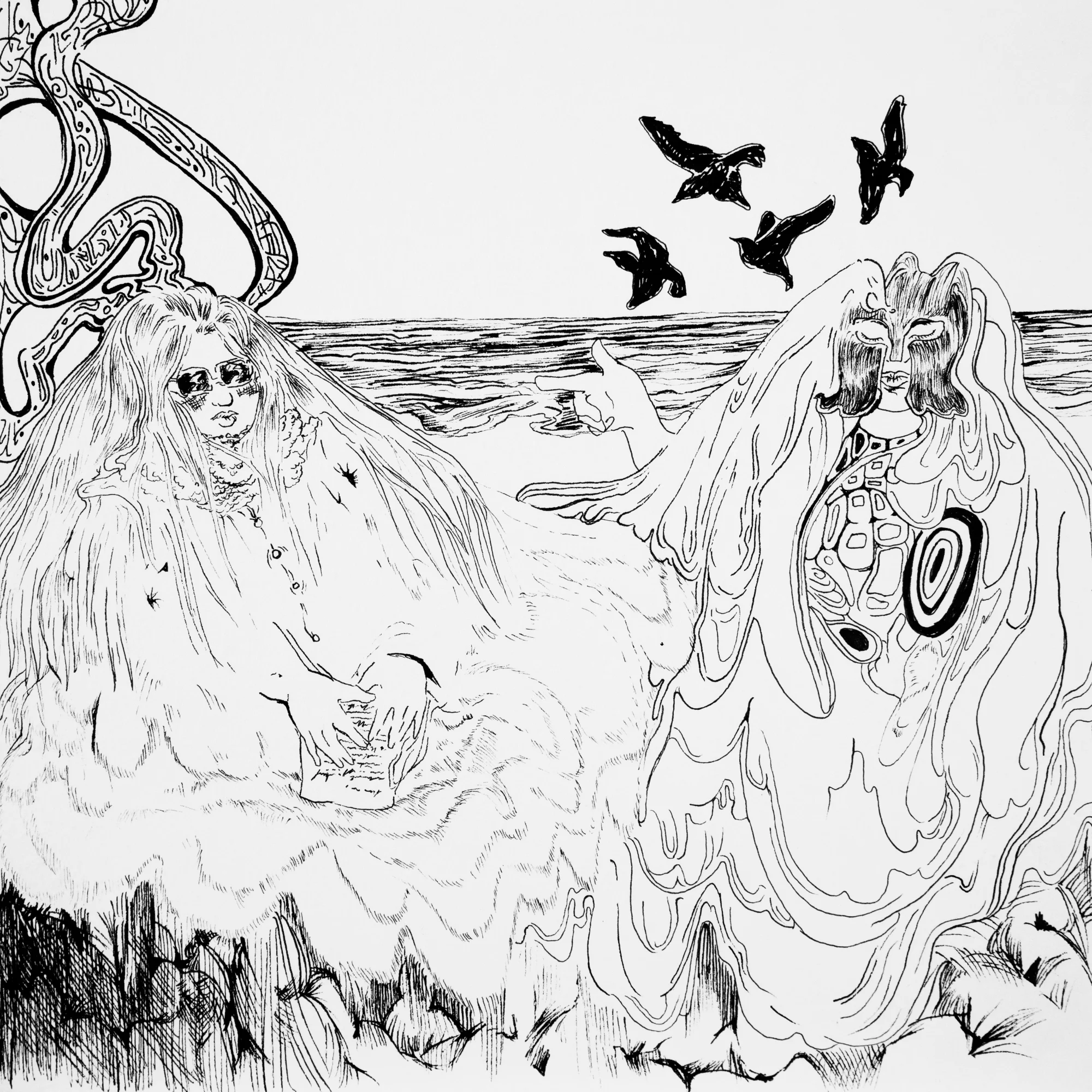
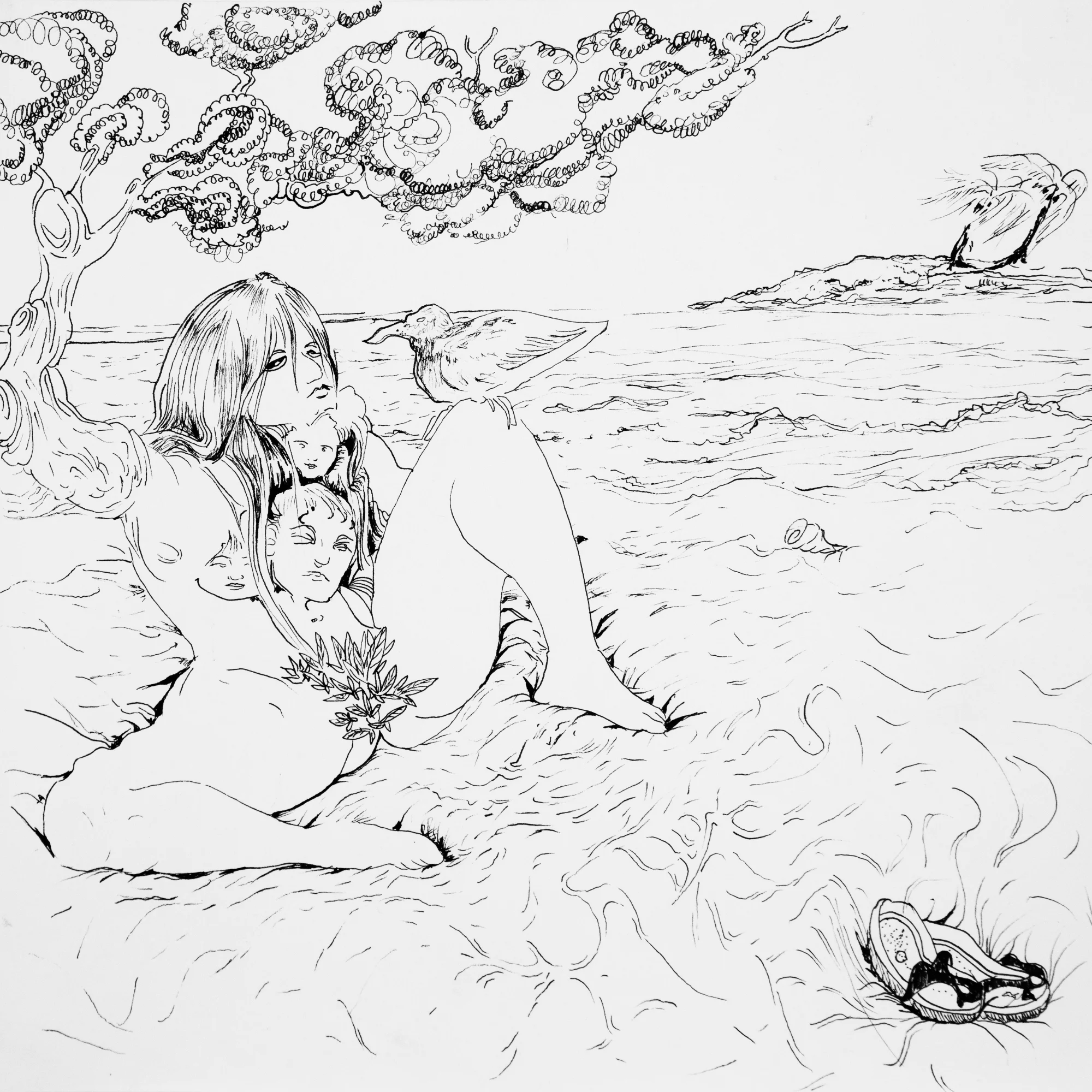
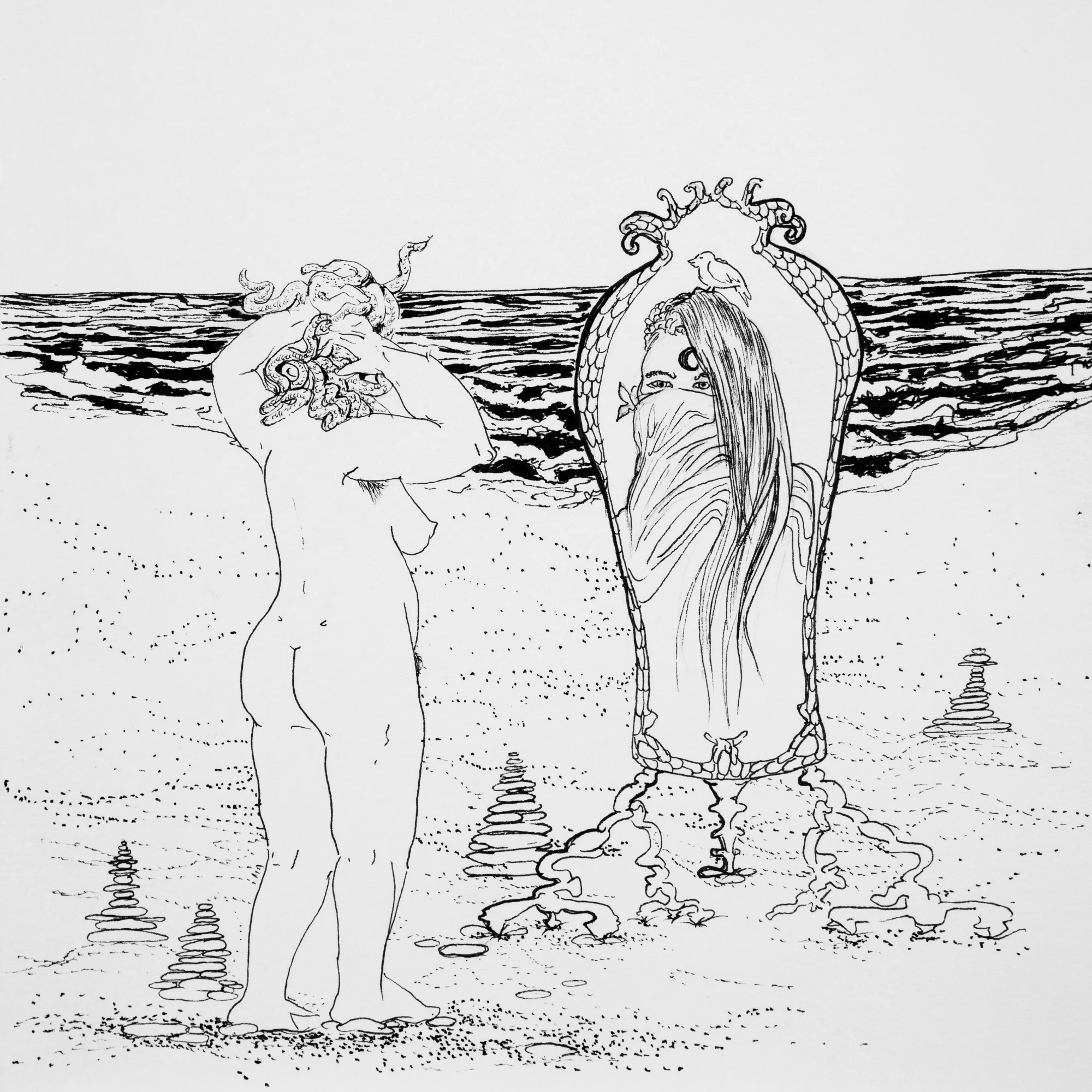
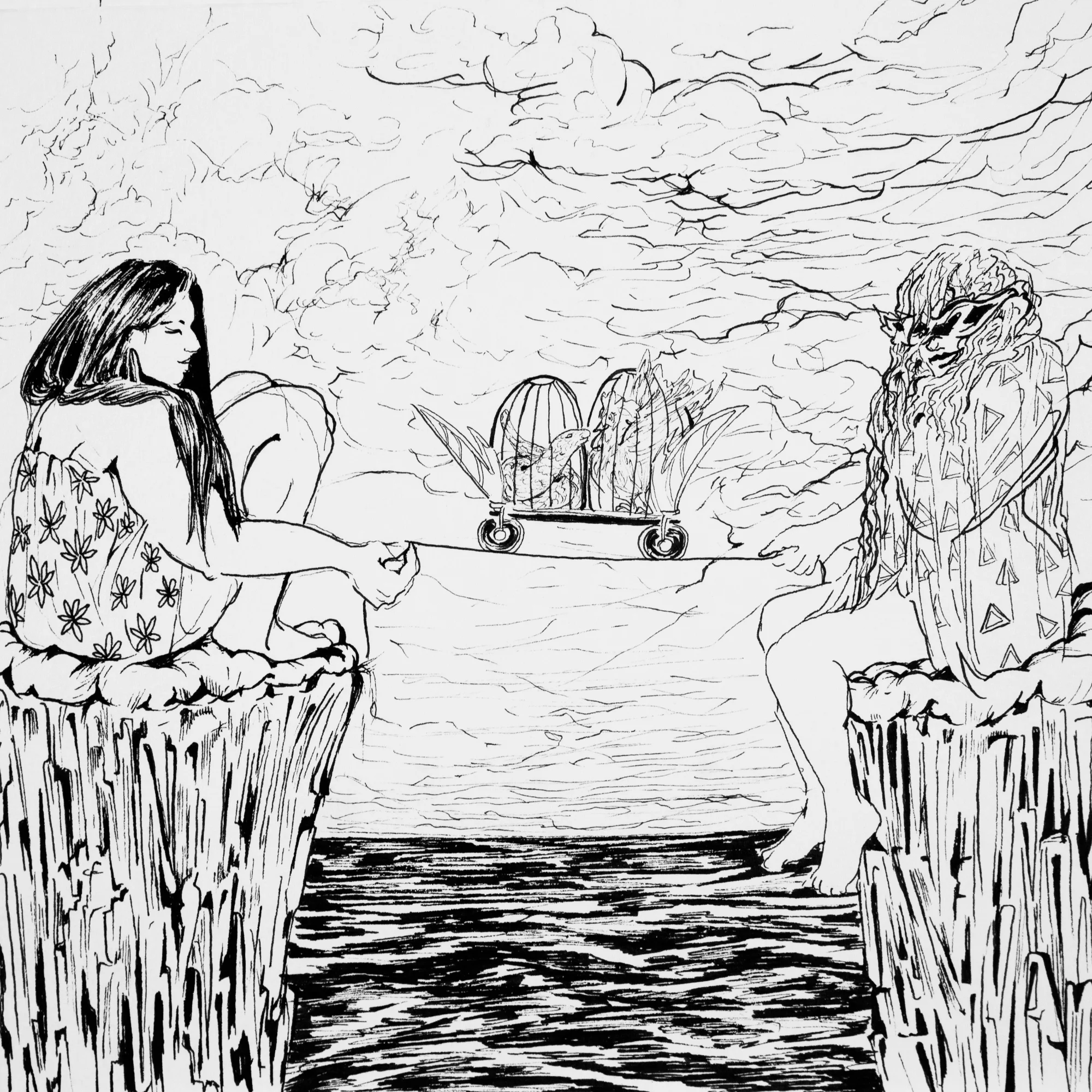
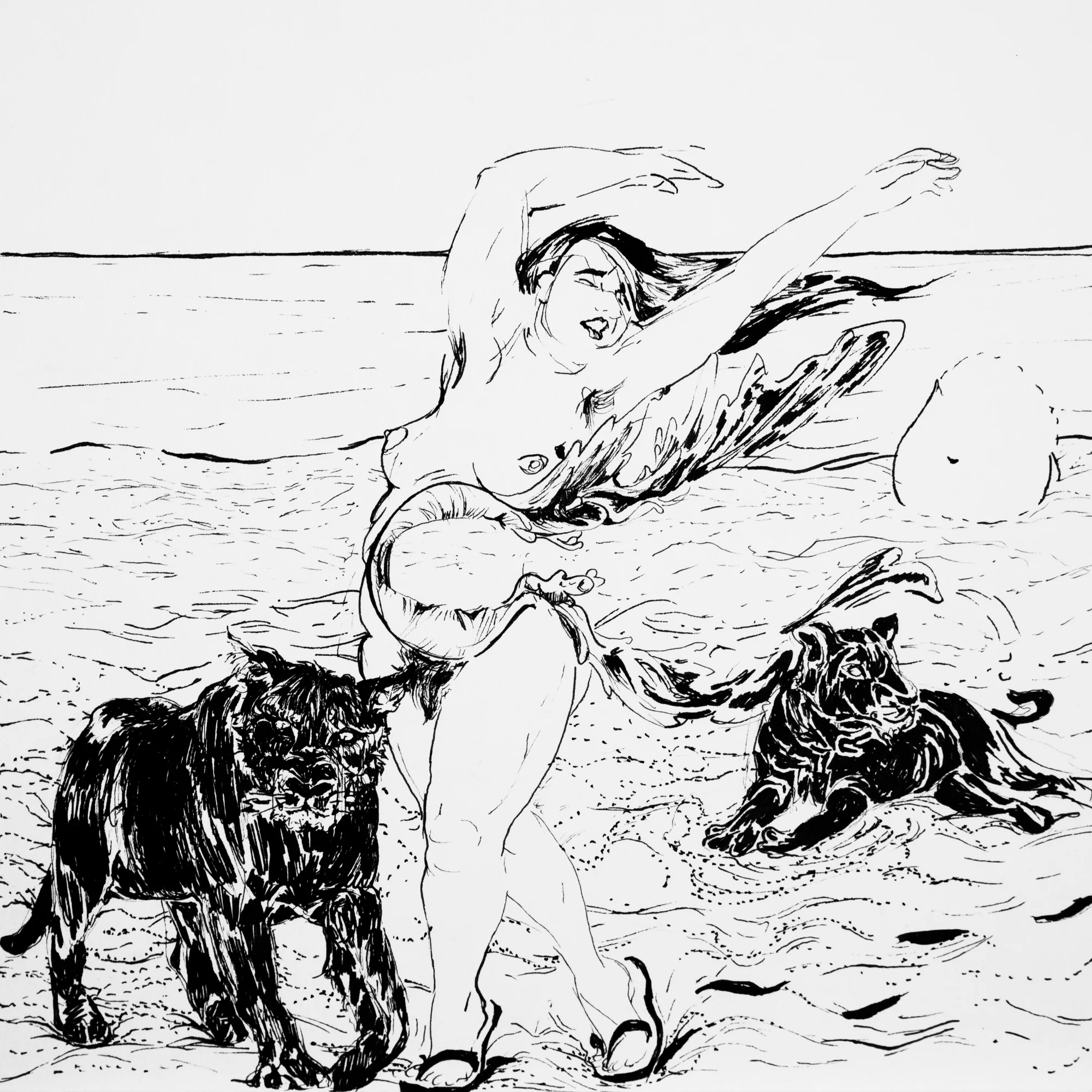
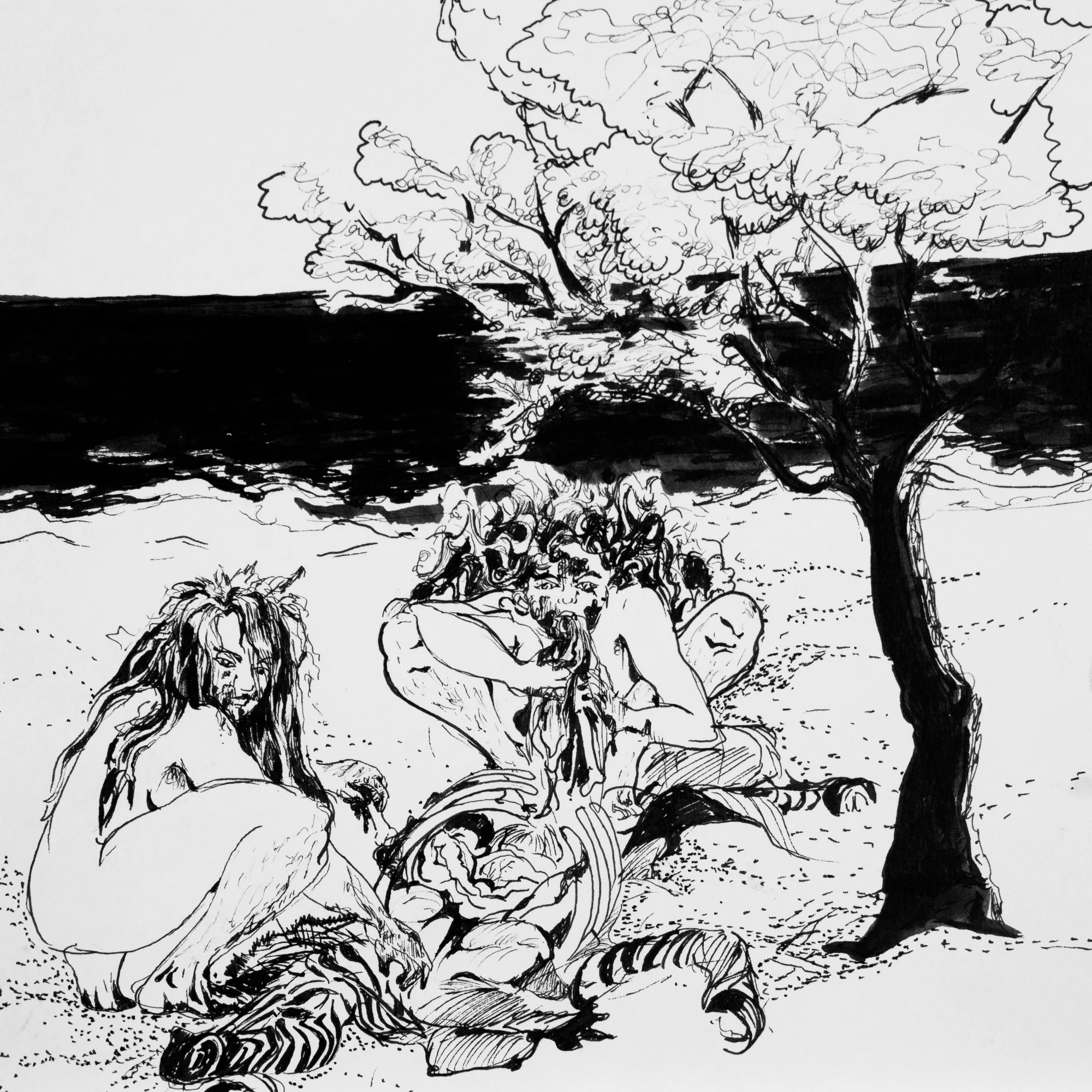
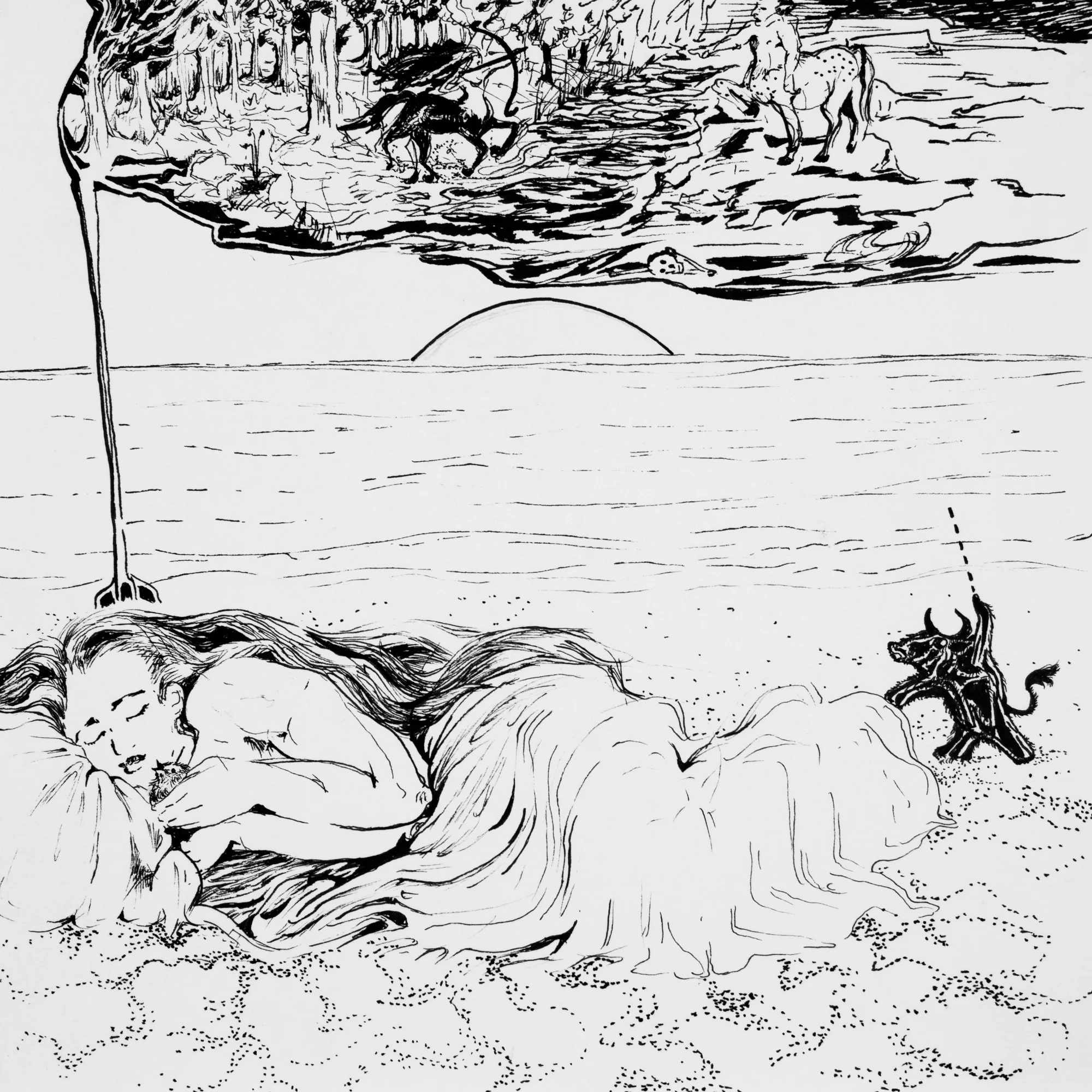
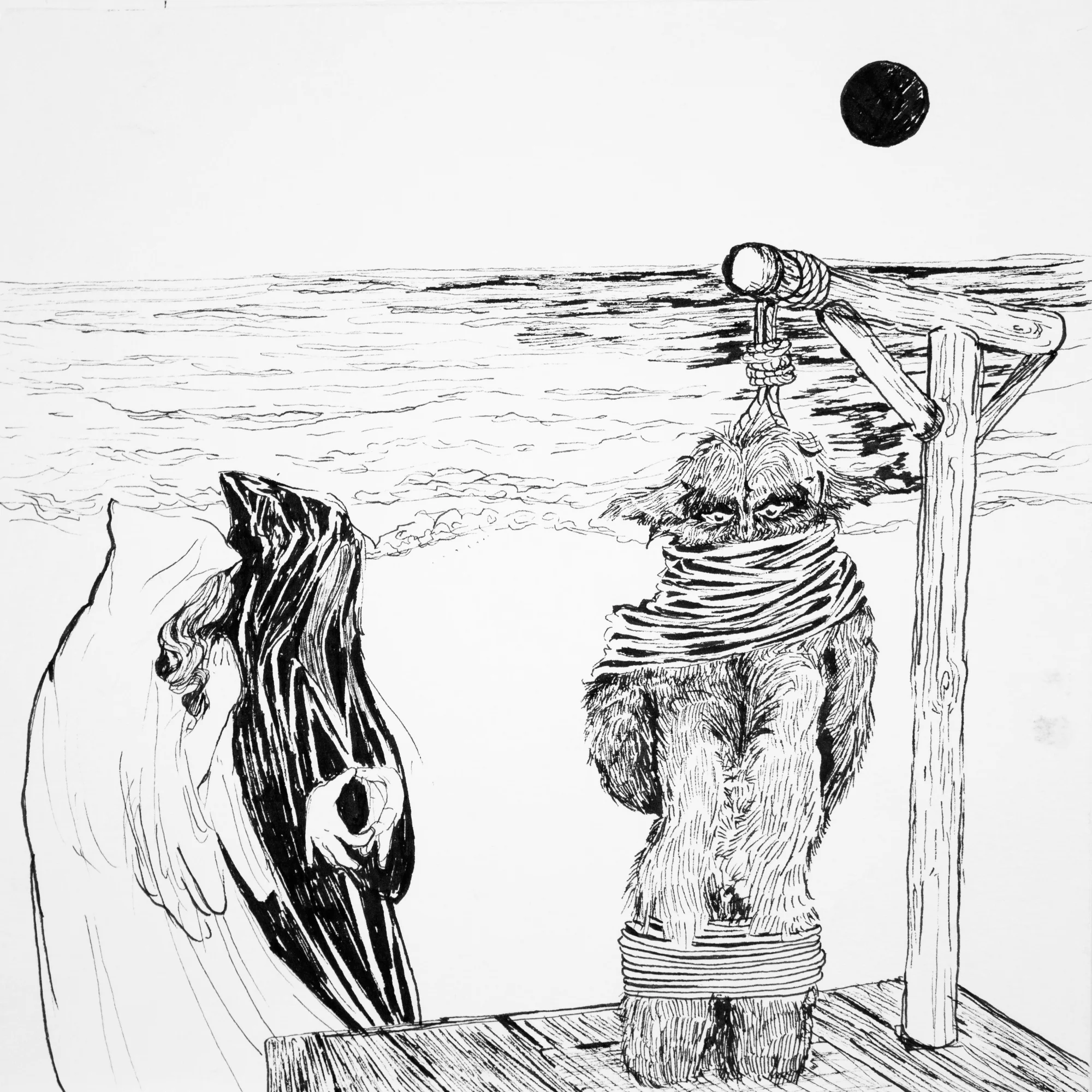
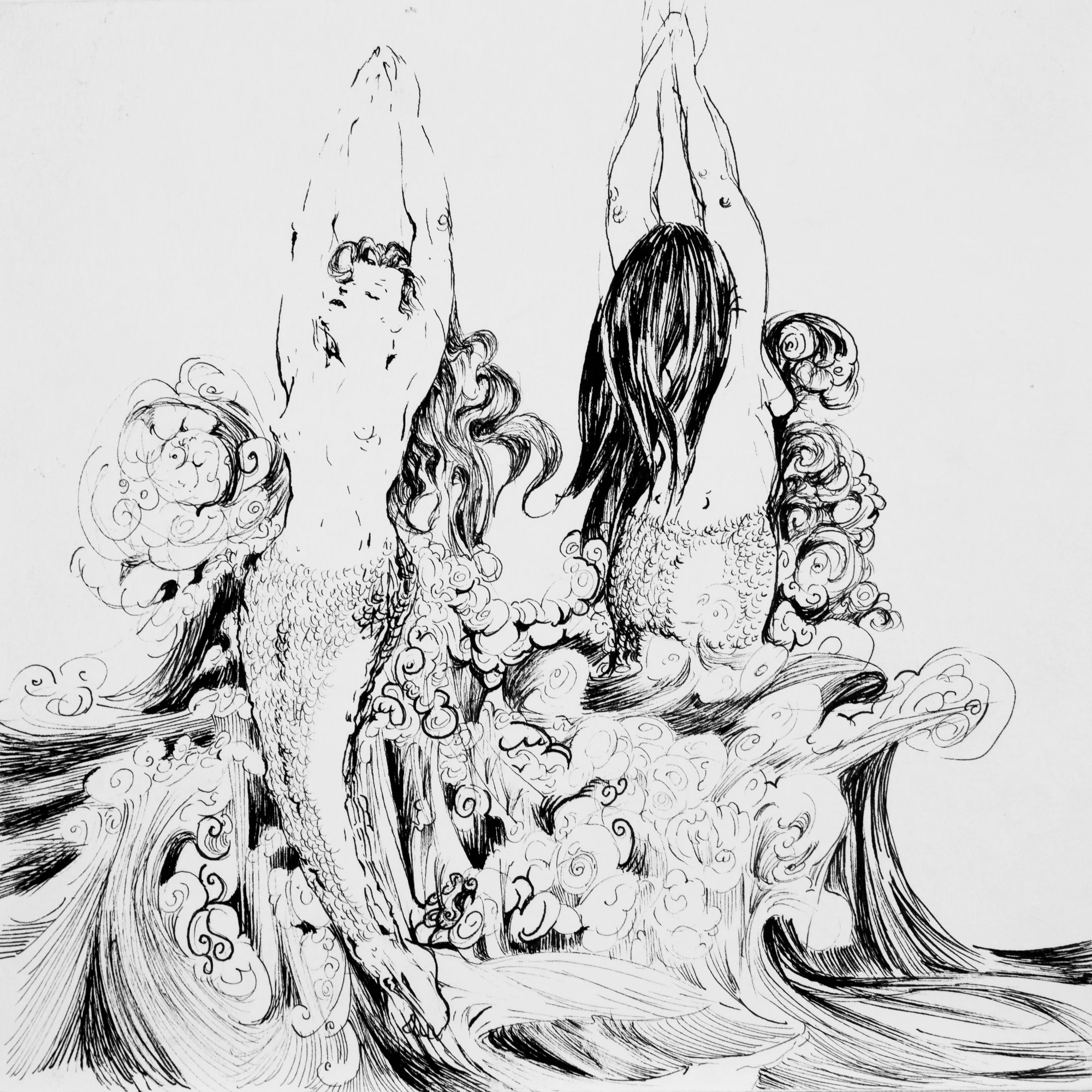
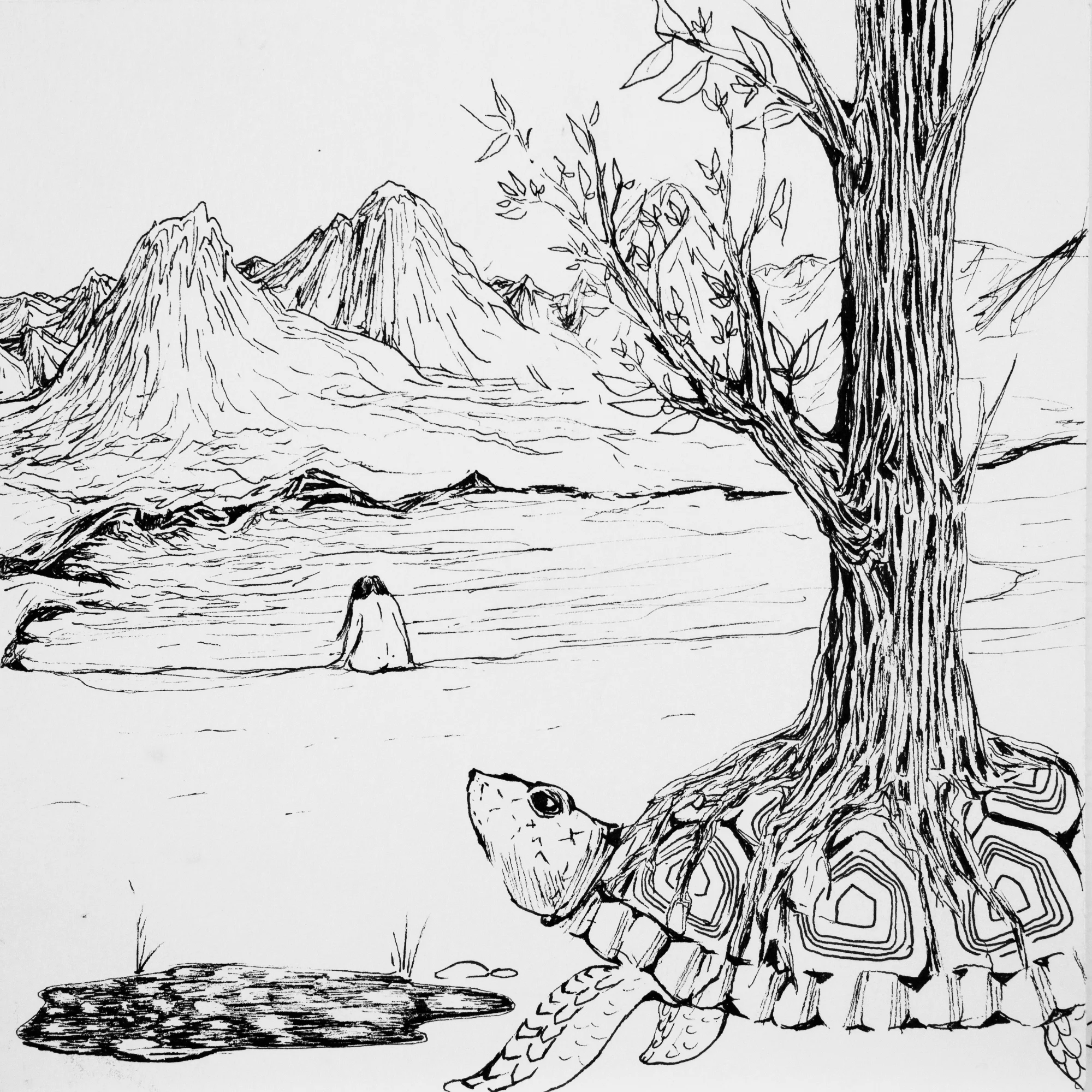
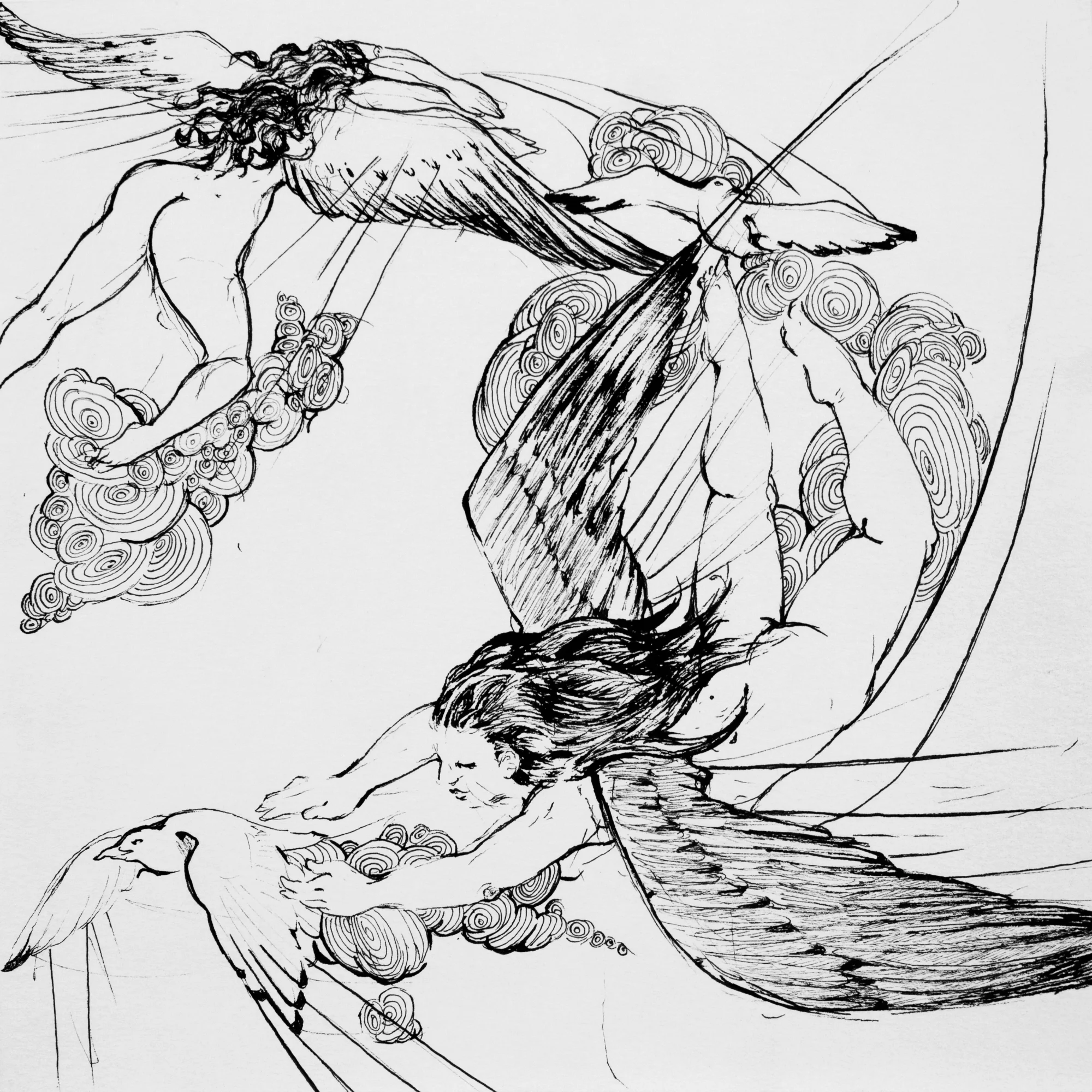
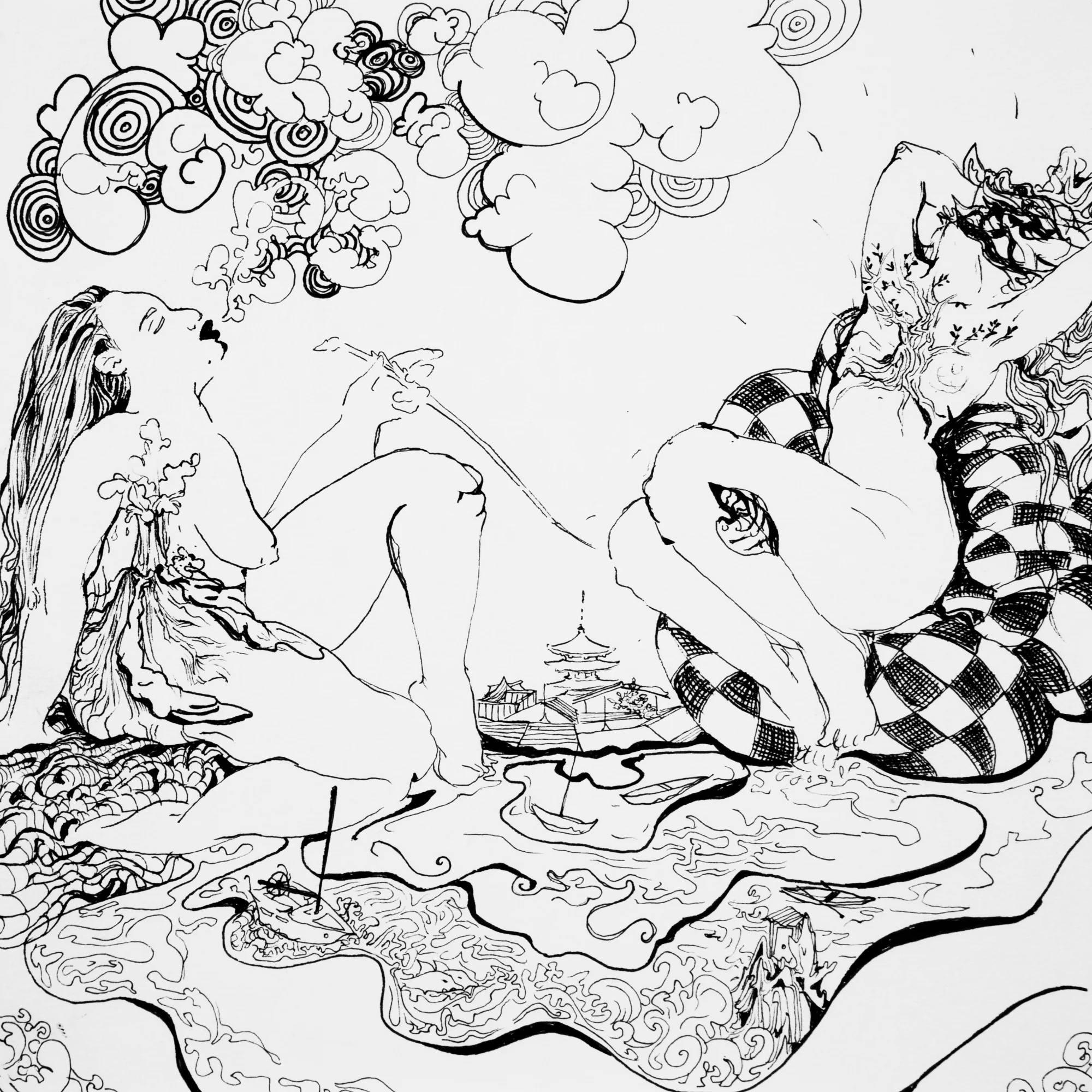
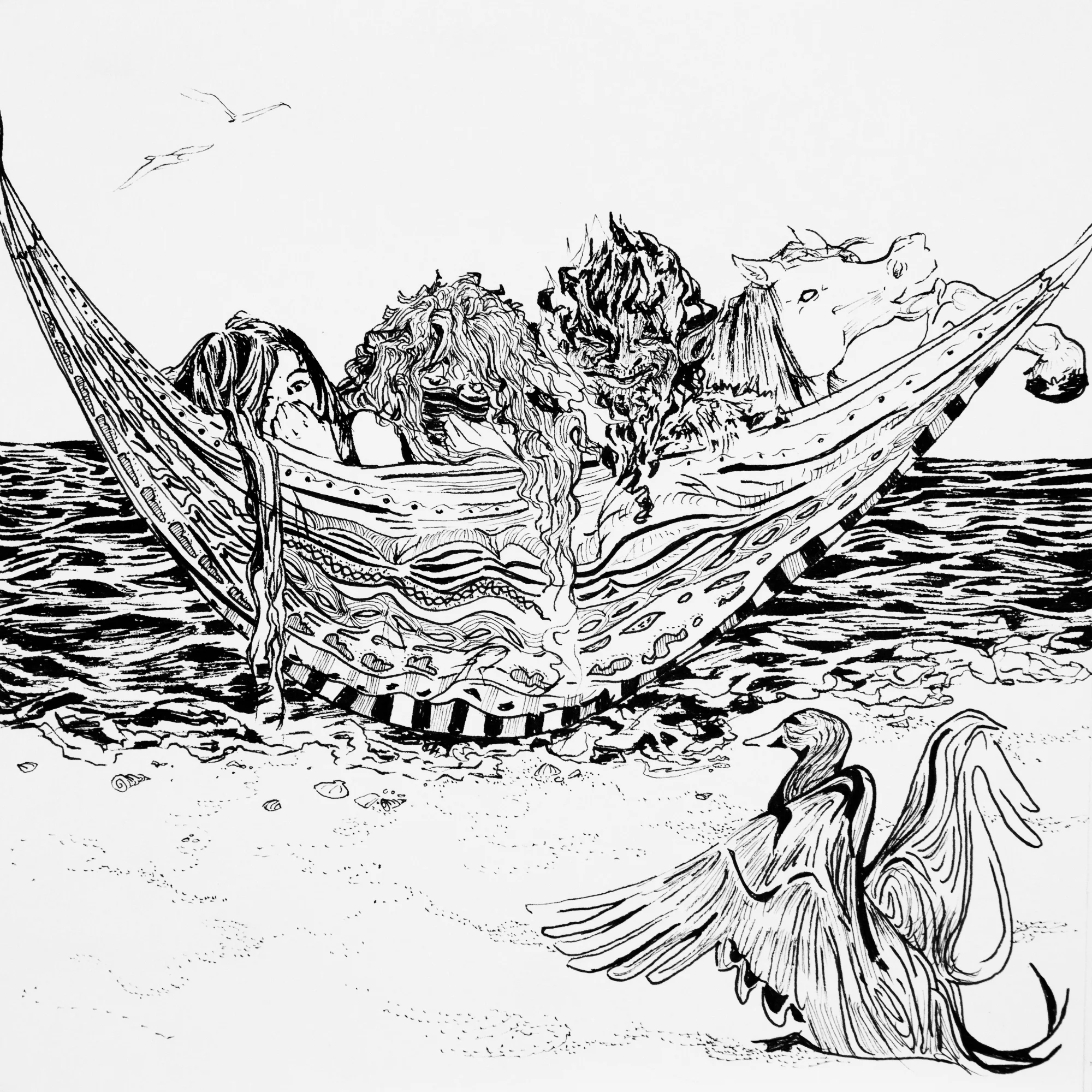
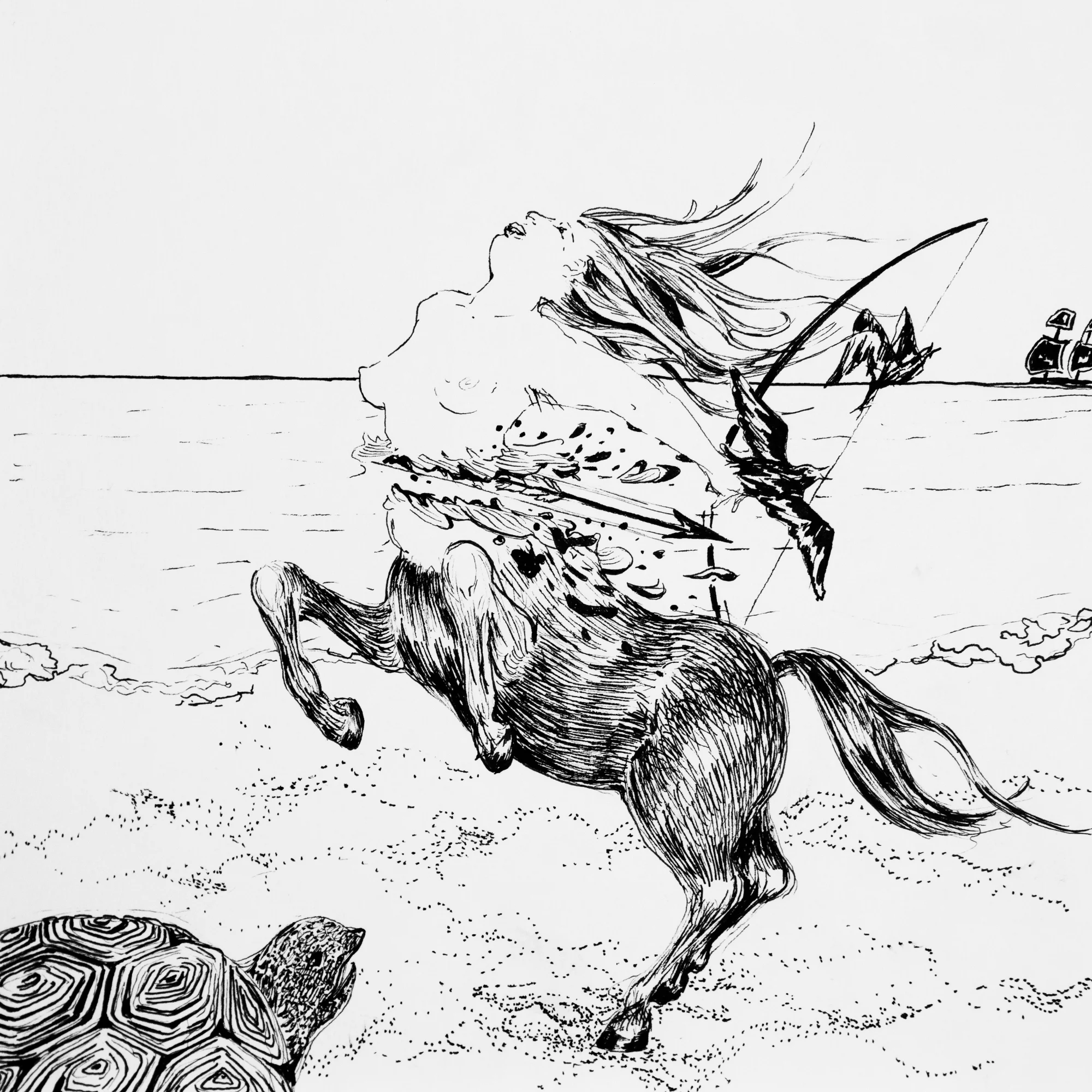
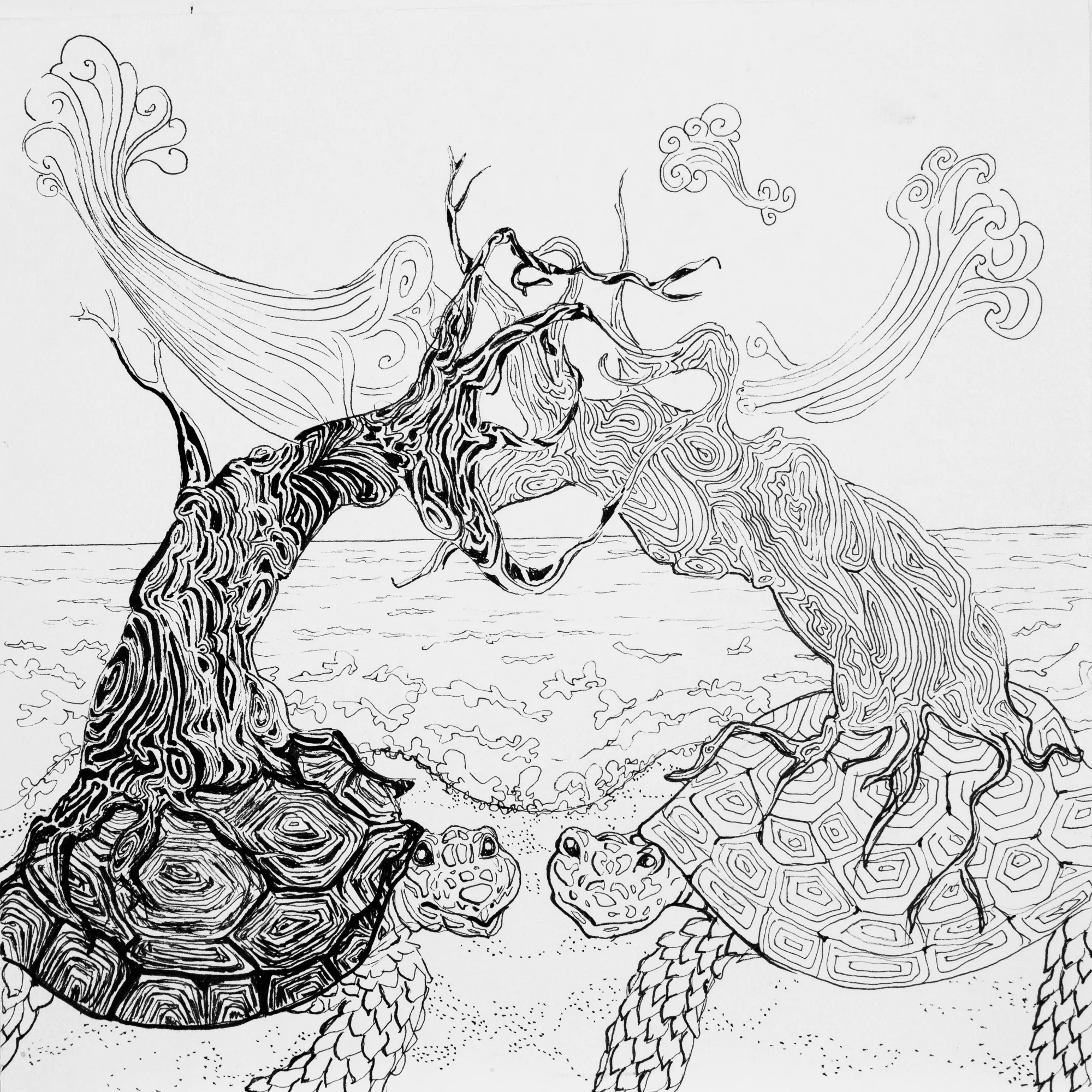
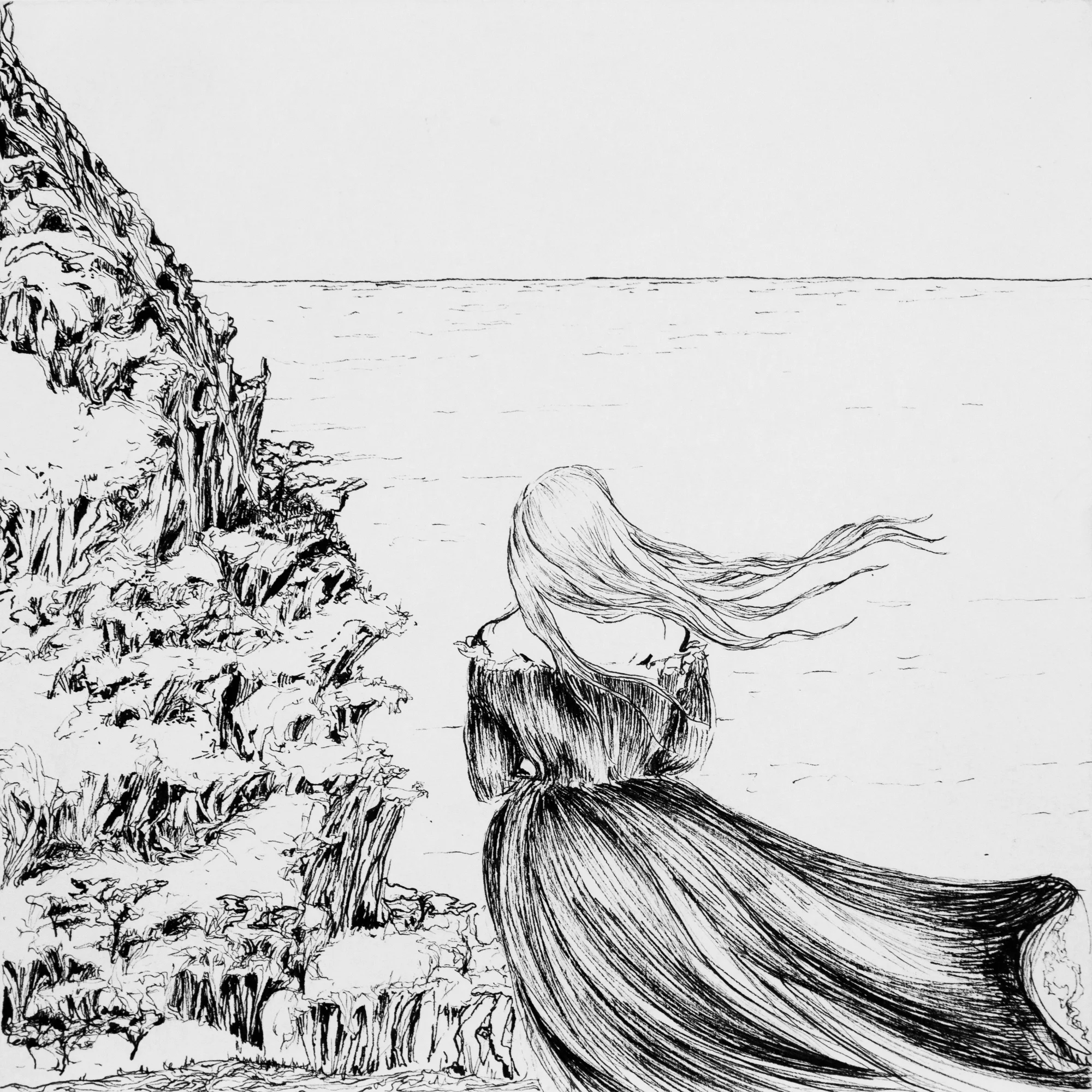
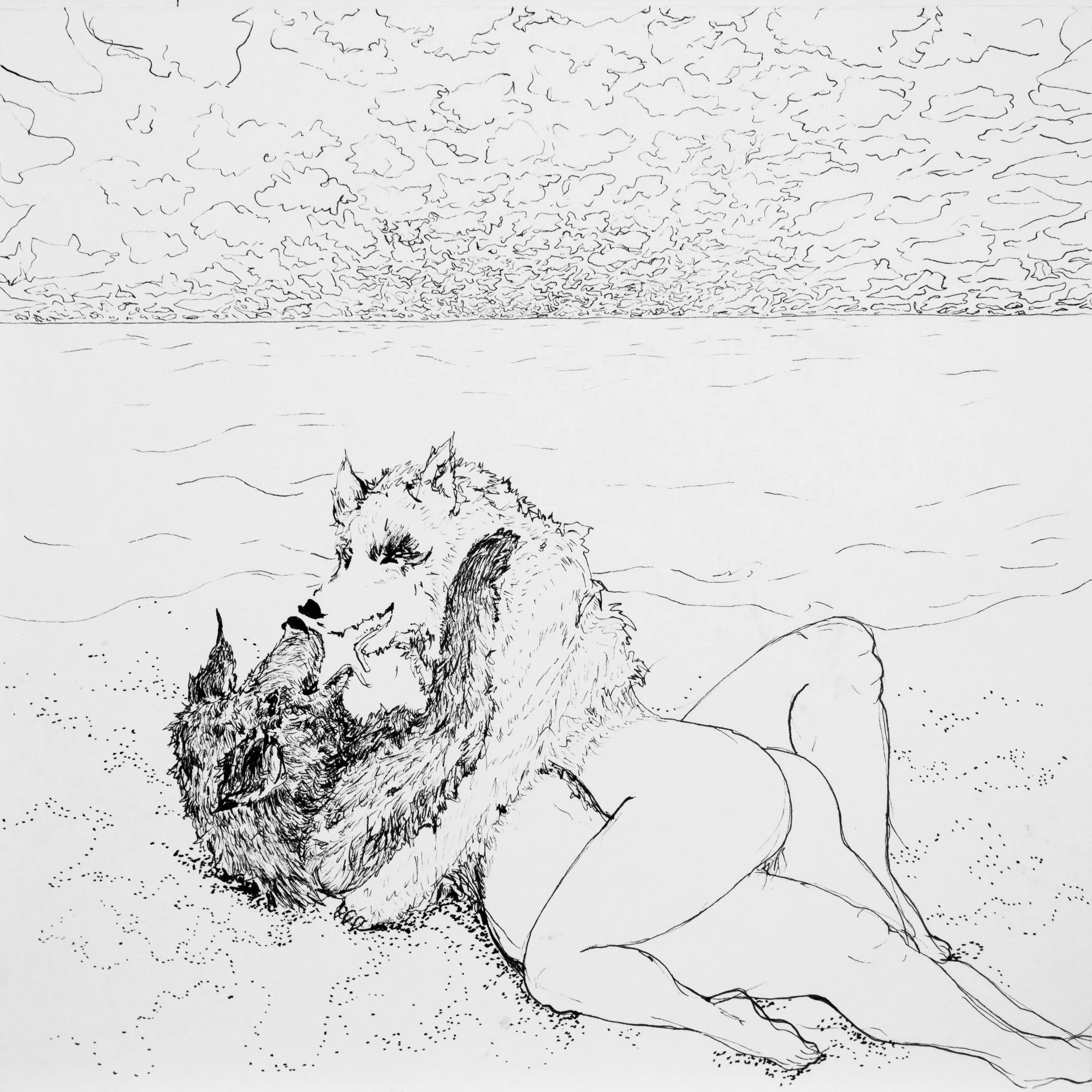
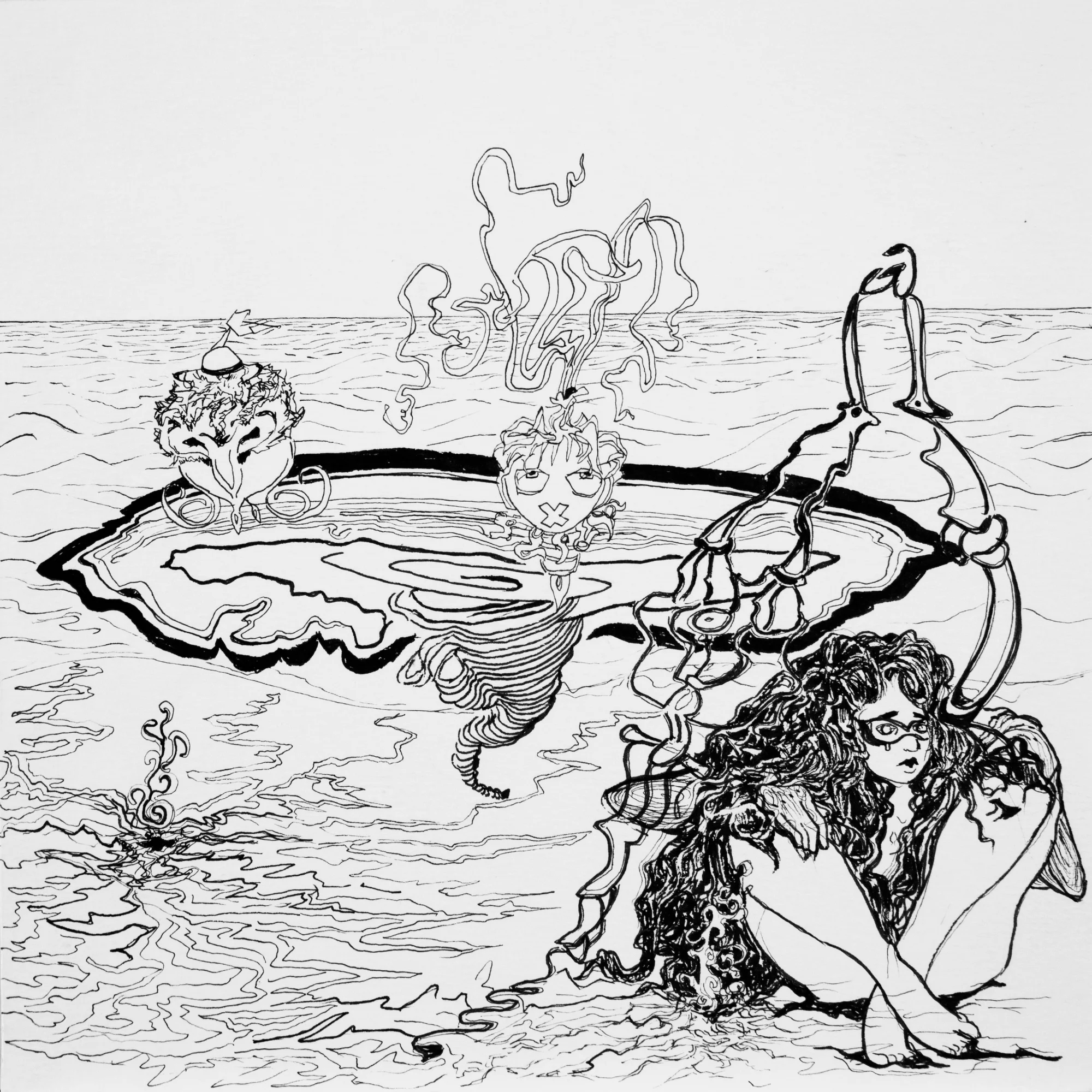
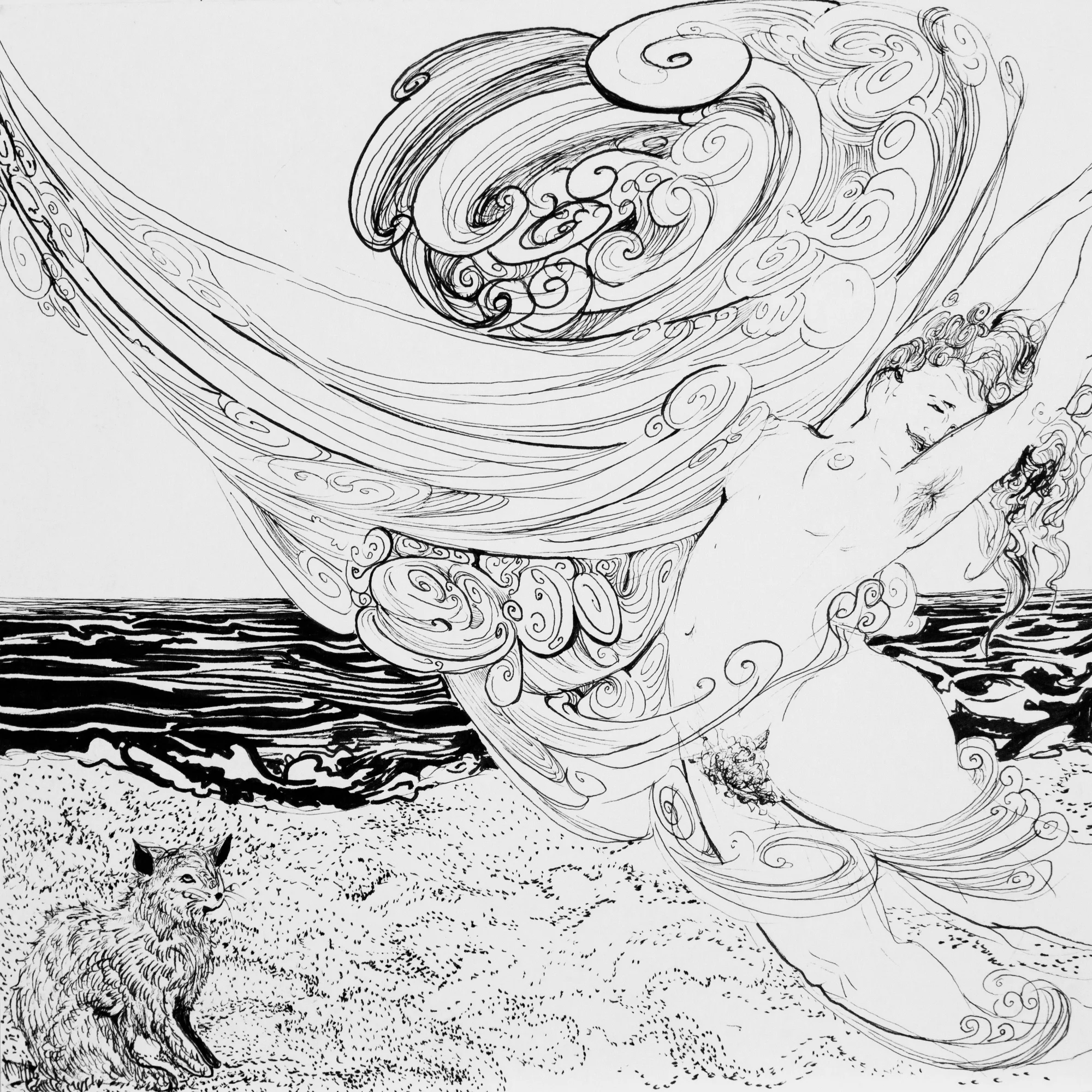
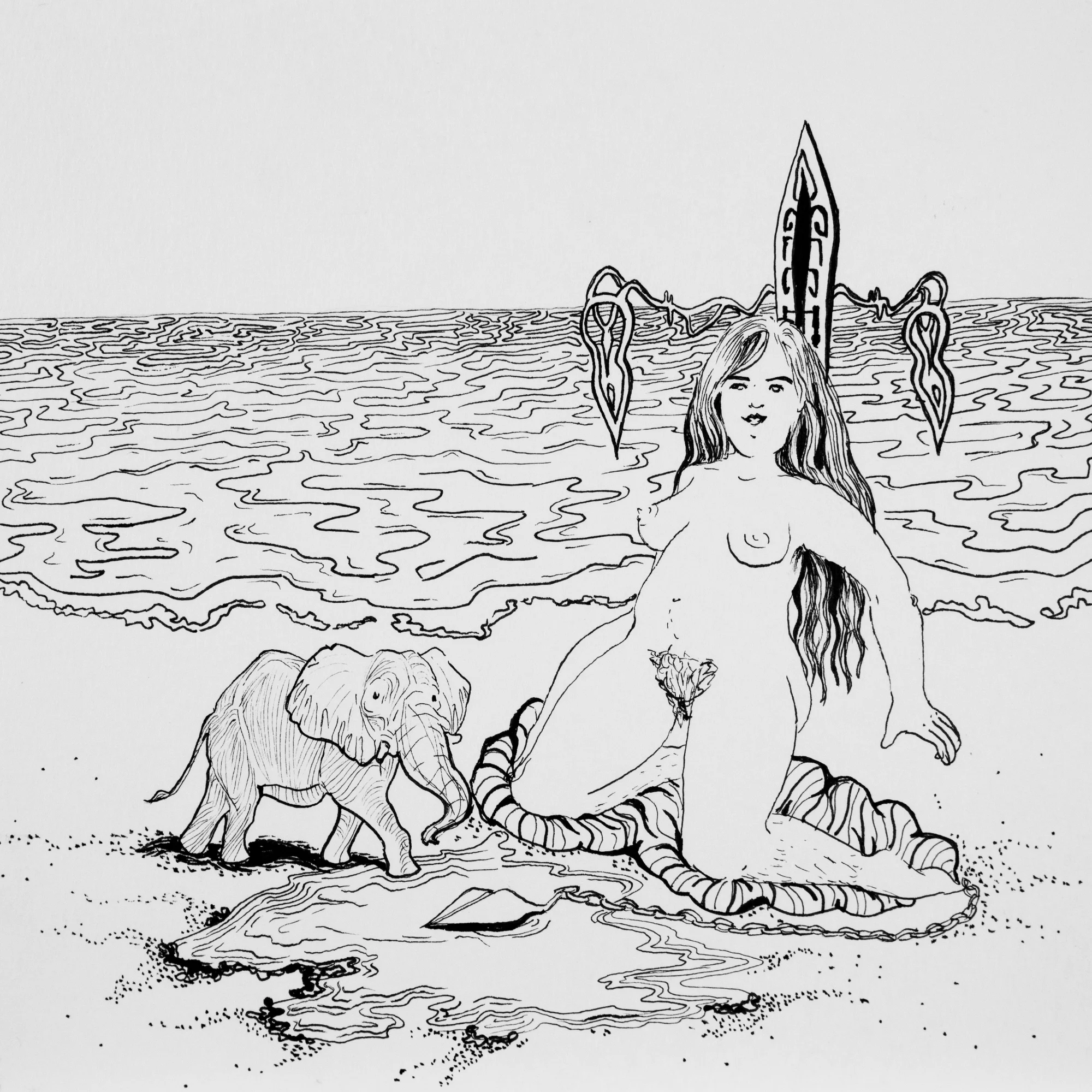
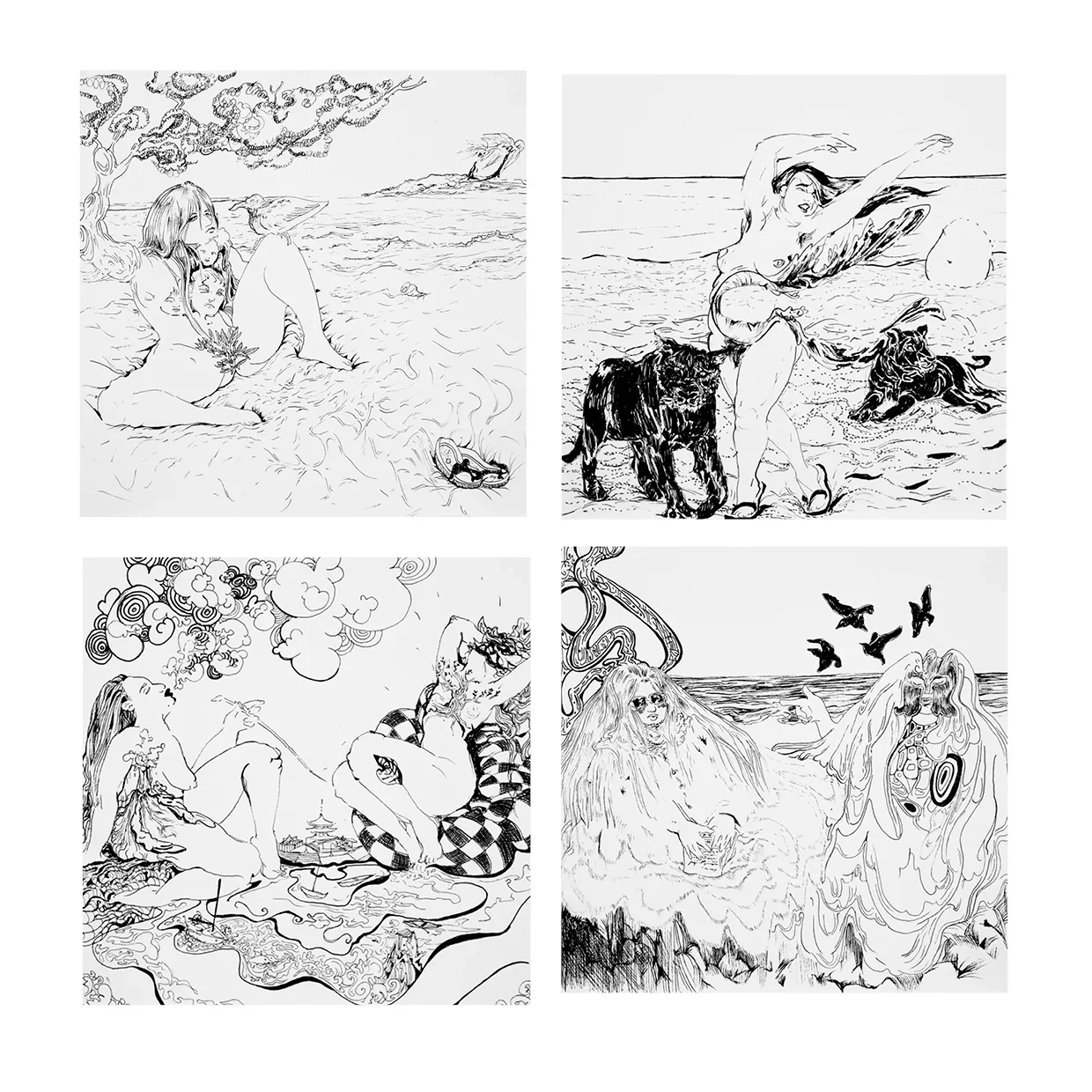
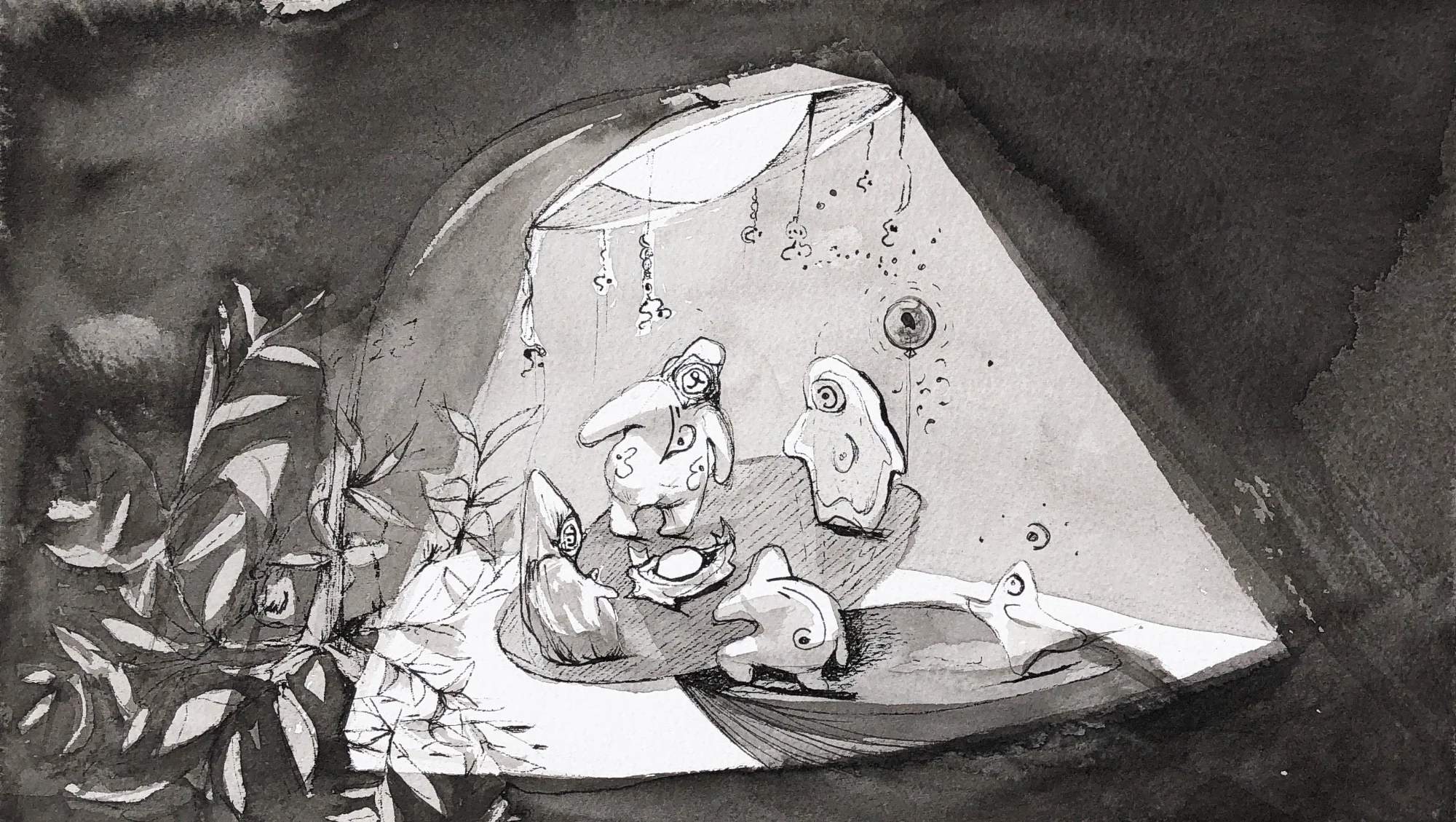
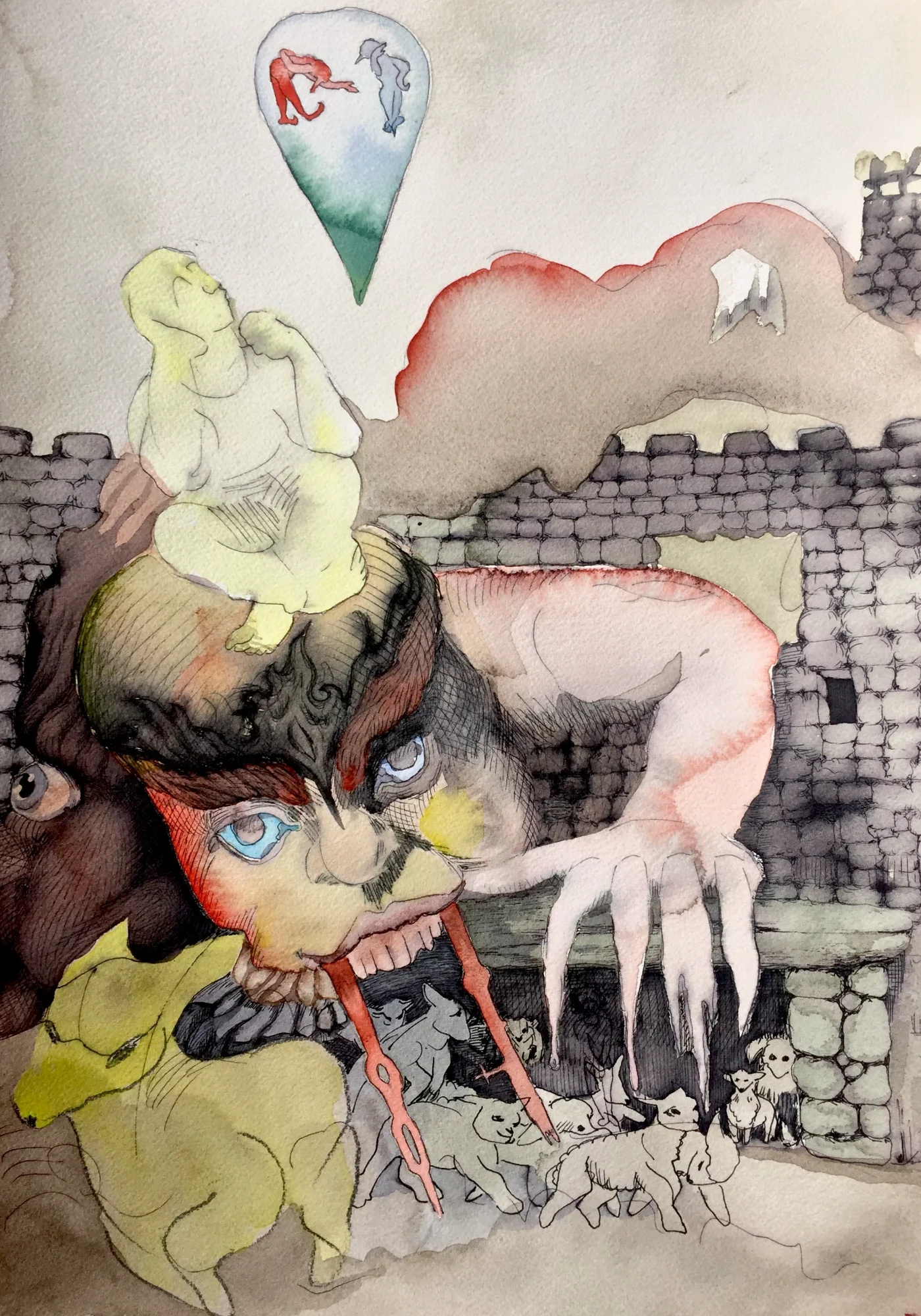
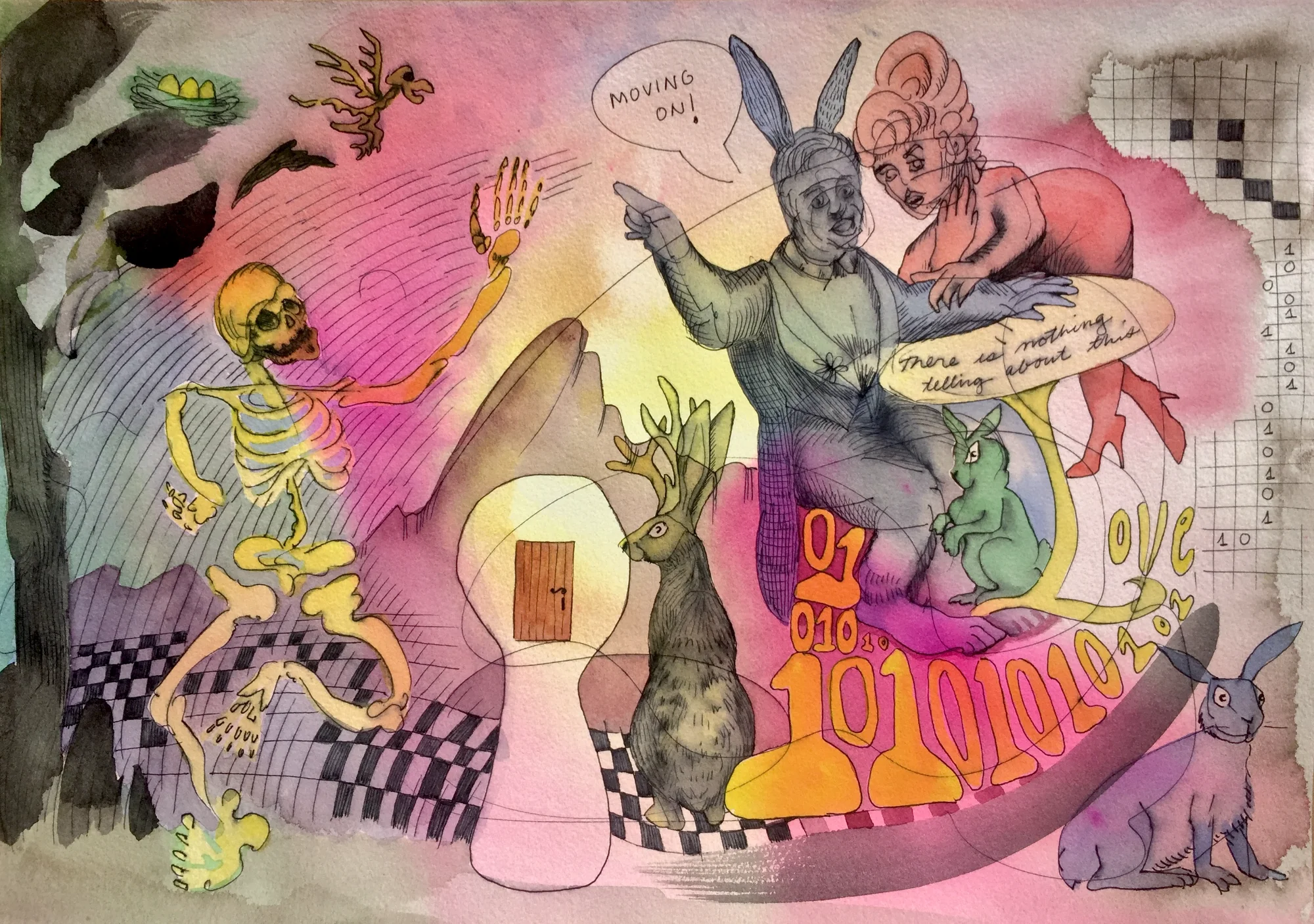
Sobre l’aigua és un missatge d’amor encriptat. Comença quan la protagonista descobreix que llegir els seus apassionats poemes és ara inviable: s’ha declarat quarantena indefinida per la COVID-19 i enamorar-se de la seva millor amiga, amb qui comparteix pis, no és la trama més adequada per al seu nou projecte artístic. Les seves emocions desbordades aniquilarien, com la mirada de Medusa, la fràgil harmonia de convivència entre els inquilins.
Com tots sabem, tot i que una lesbiana pacient sap esquivar la literalitat, l’amor es desborda en noves línies. Al menjador, tancadxs per la pandèmia, la nostra protagonista dibuixa la immensa sort de passar cada hora del dia amb la seva enamorada. Es traslladen a una platja deserta i allà ballen amb les onades, devoren zebres acabades de caçar o s’enreden en símbols complexos.
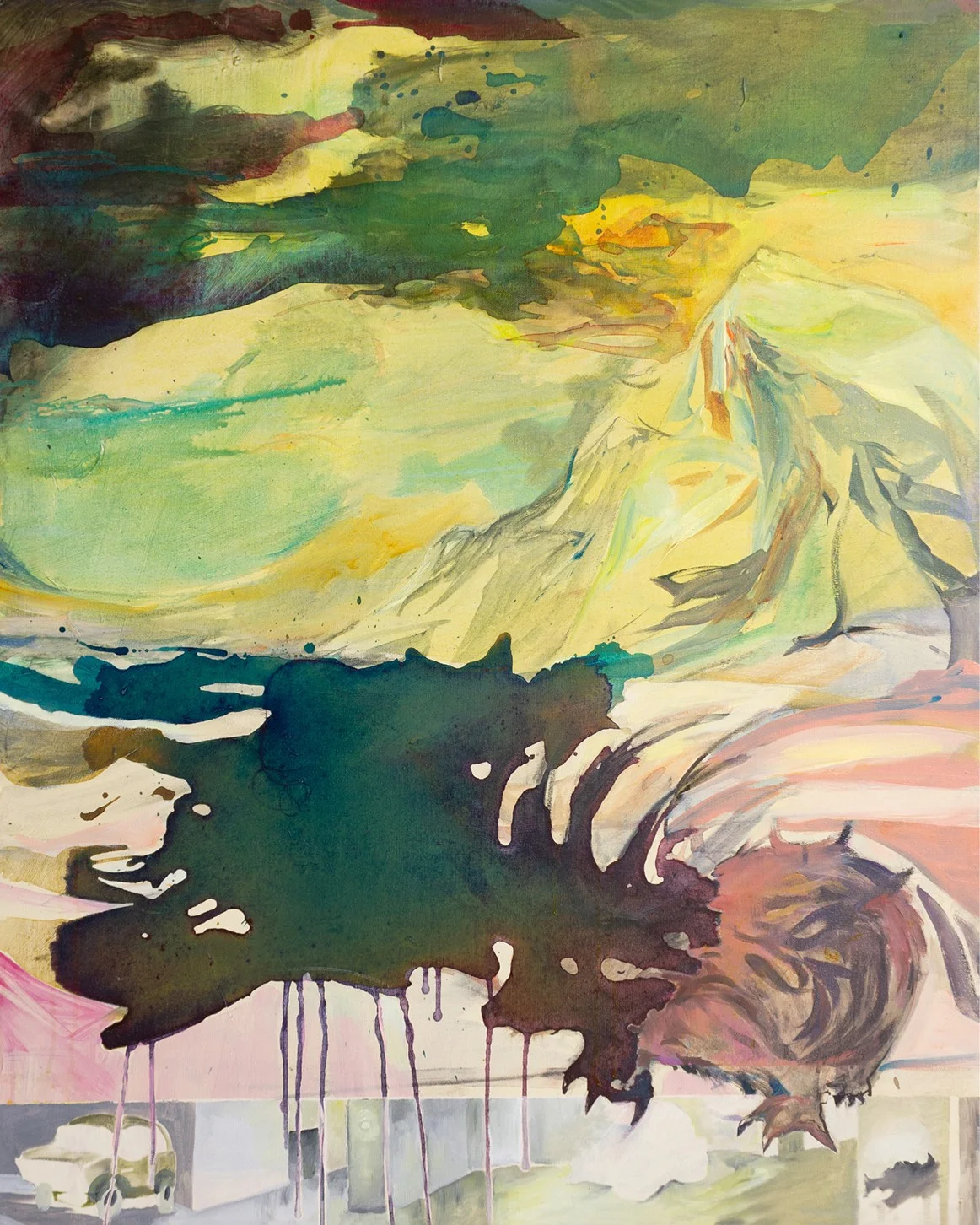
Sobre l’aigua desenvolupa un univers de mitologia i llenguatge gràfic a través de símbols, escenaris desolats i personatges que els habiten. Hi trobem una barreja de mons terrorífics i dolços, plens de contrastos i emocions desbordants. Constitueix un diari d’experiències viscudes i de maneres de trobar històries paral·leles com a resposta a les condicions adverses, l’aïllament i la incomunicació.
megalosignes
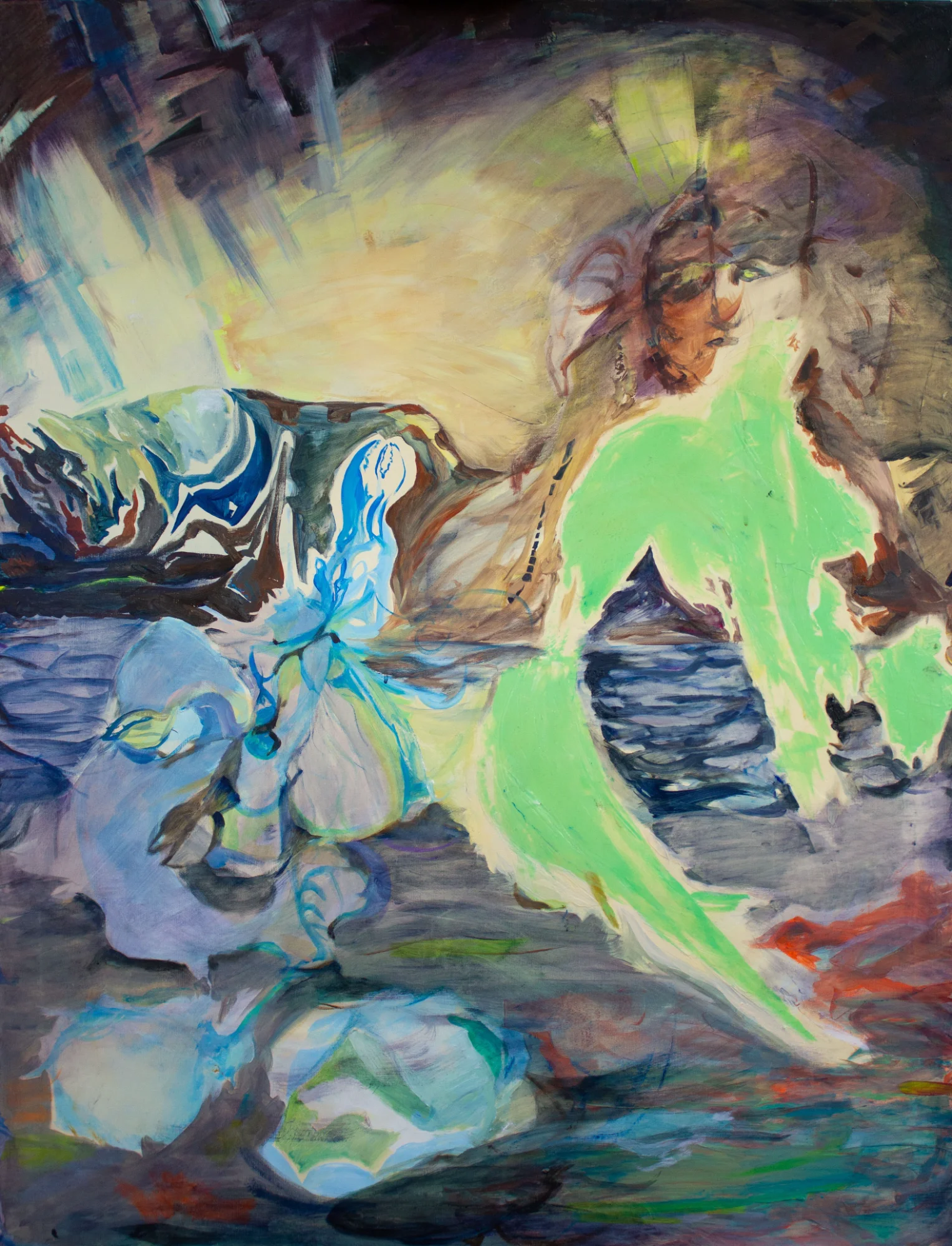
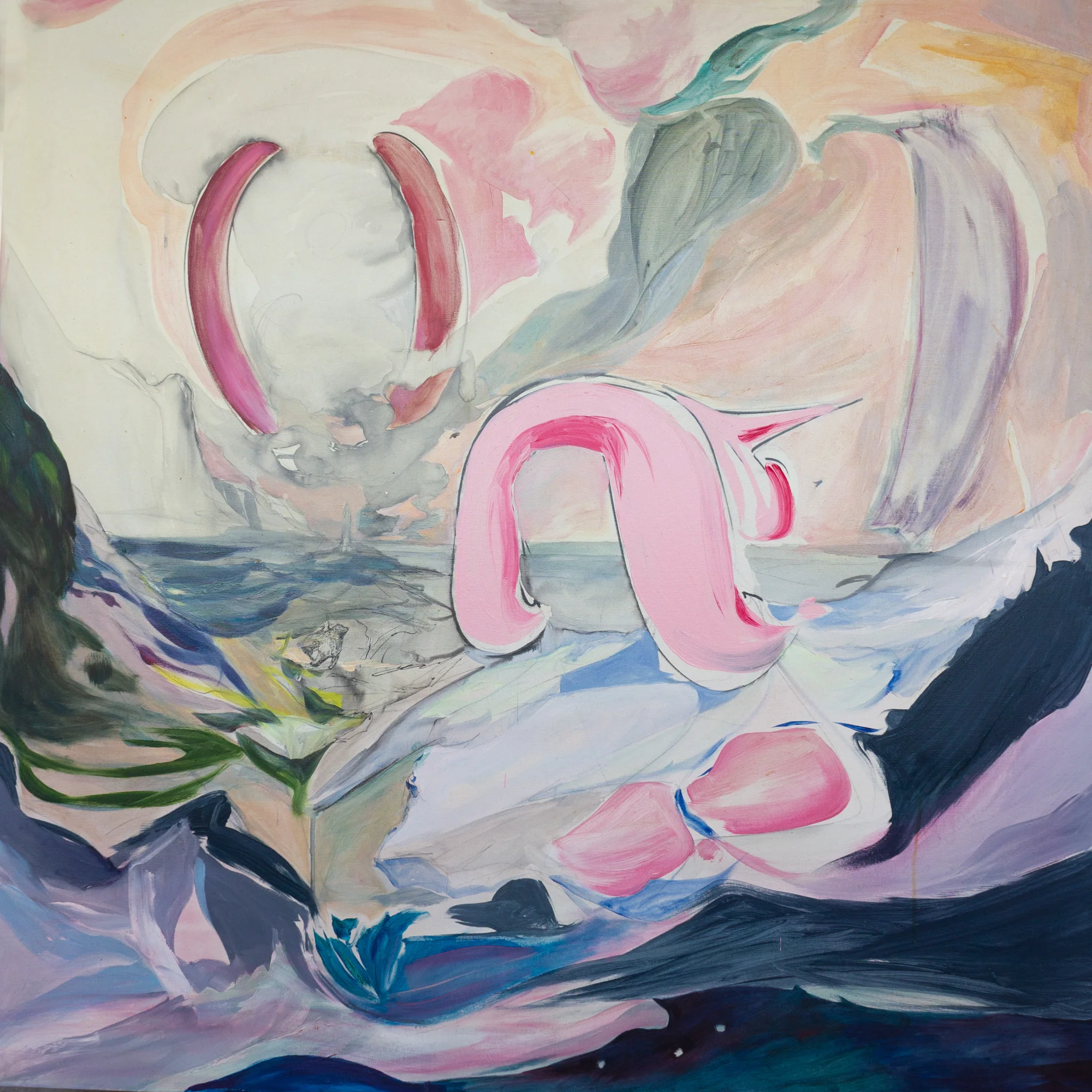
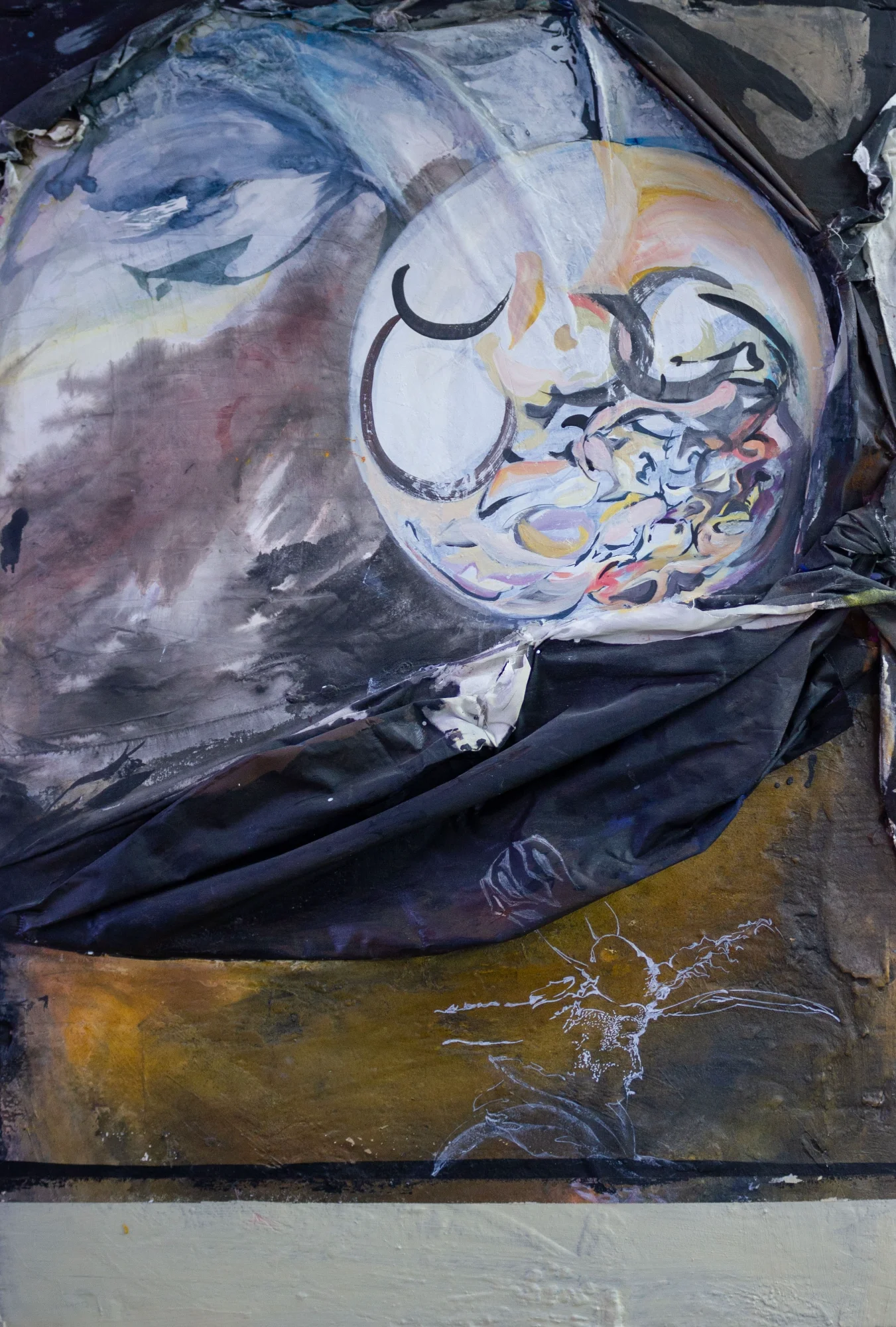
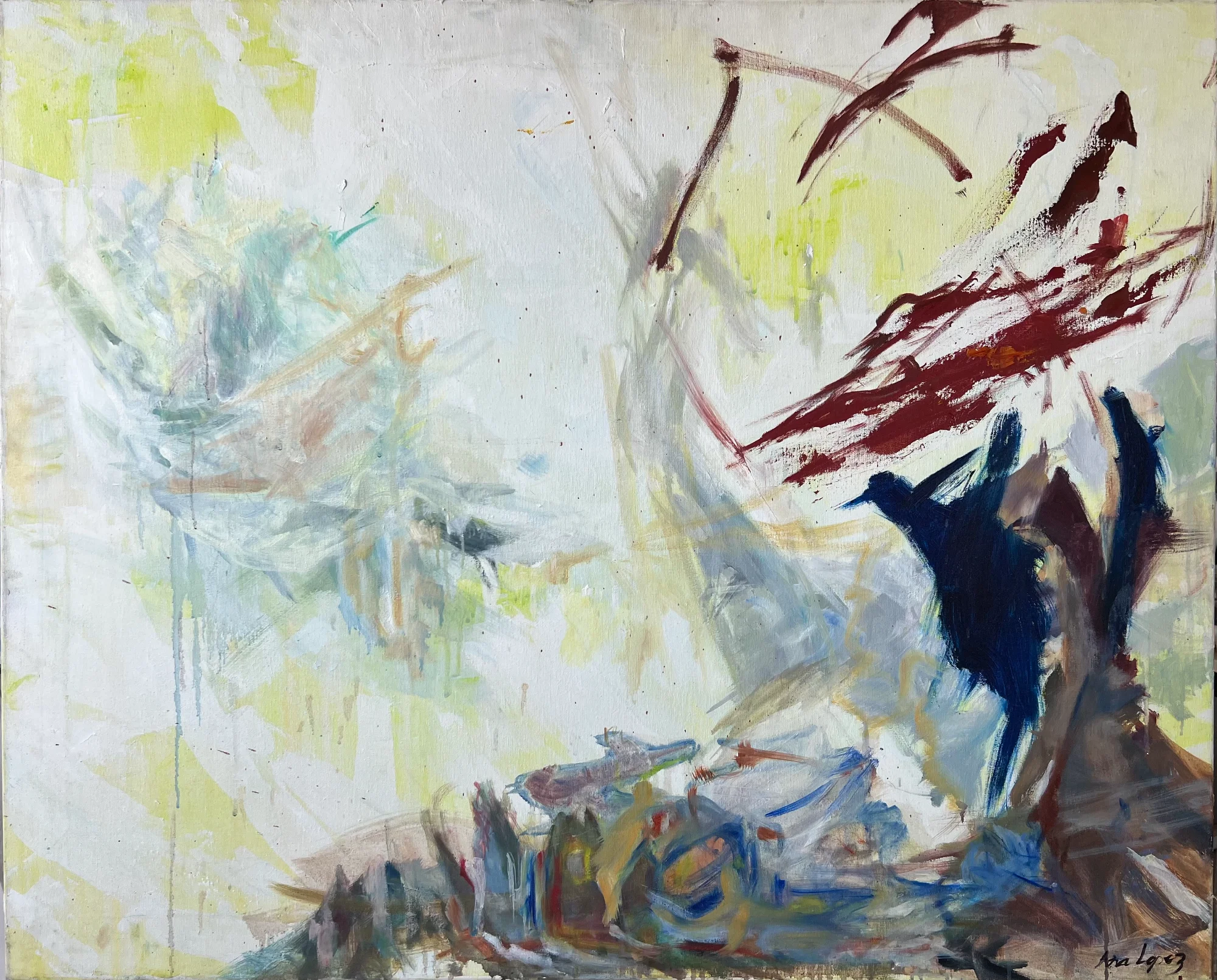
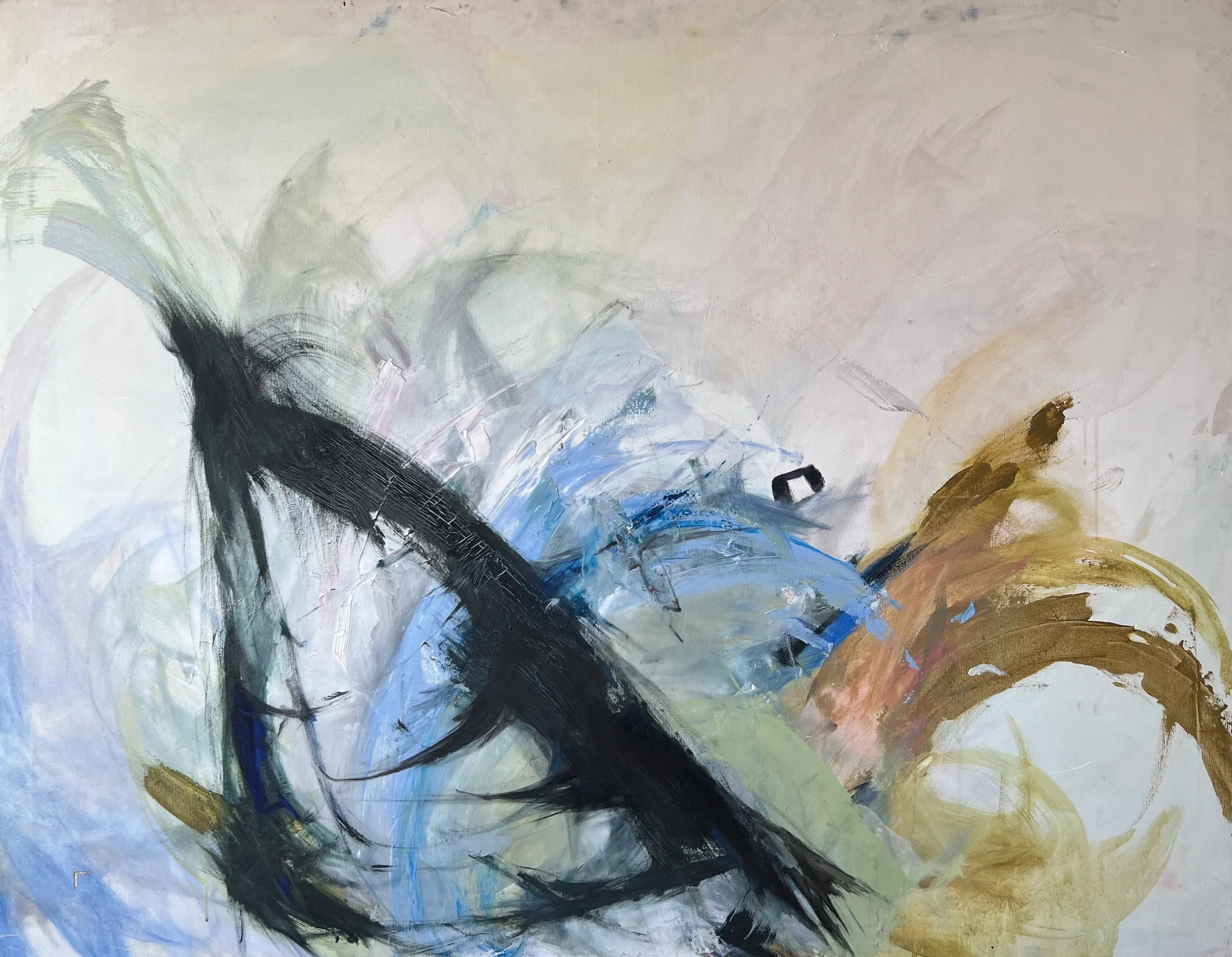
This large-format project is in a phase of constant material experimentation. I use large supports such as wood panels and canvases, and in many cases I model the surface I will paint on (mixtures of plaster, latex, fabrics, crushed materials, varnishes). I use different processes to paint the image, taking classical processes and palettes as a starting point and adapting them to the scenes I pursue.
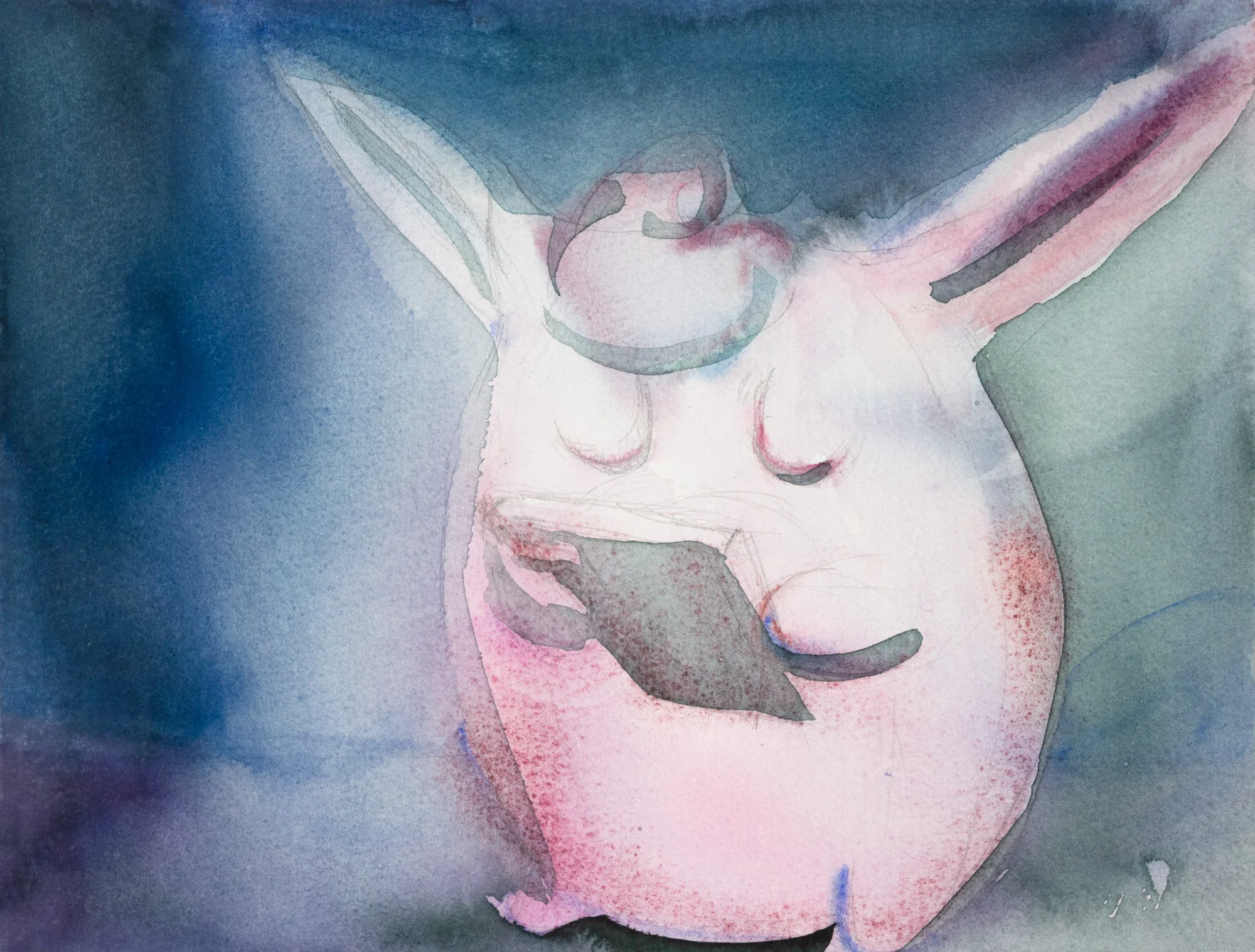
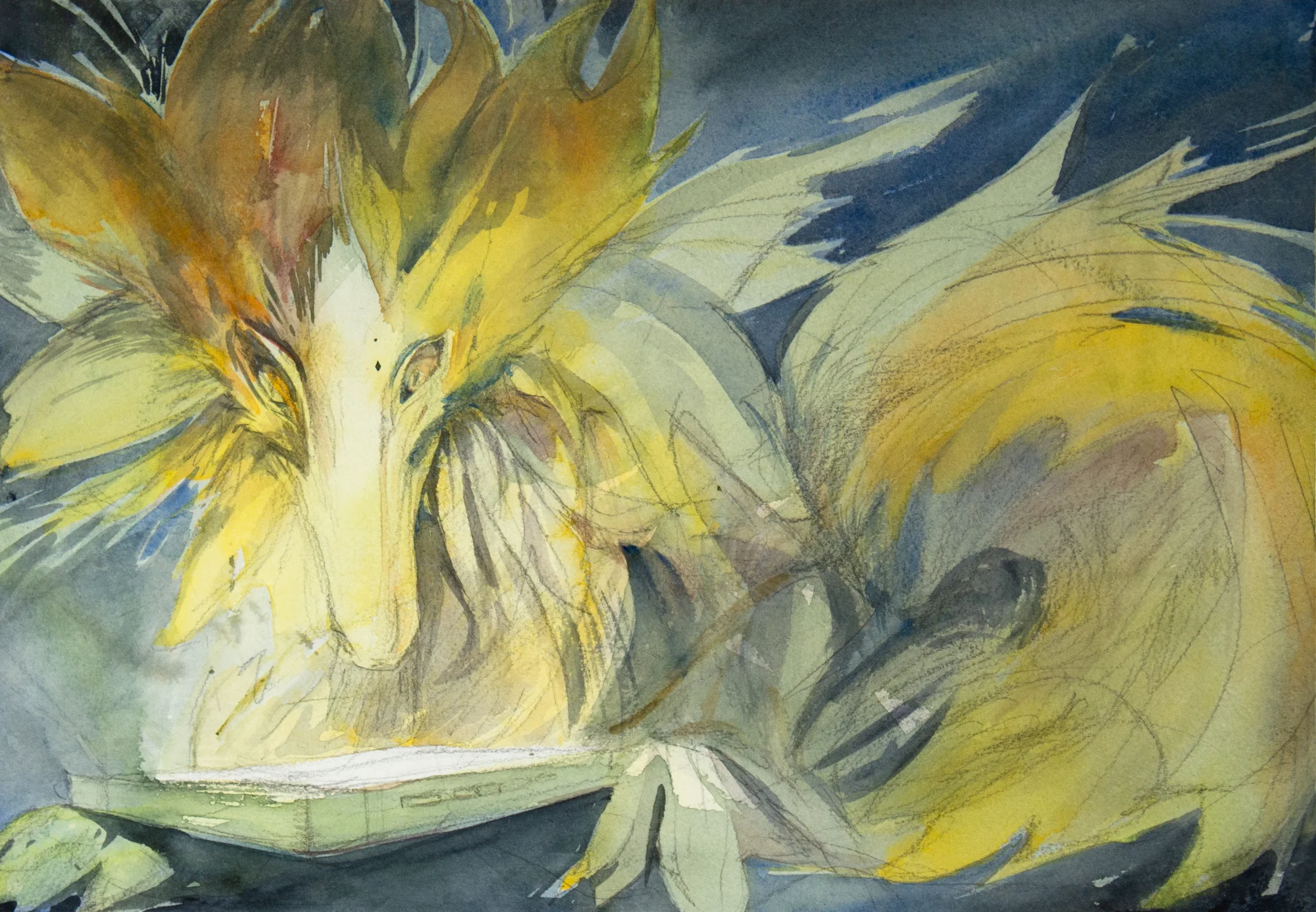
tecnofauna
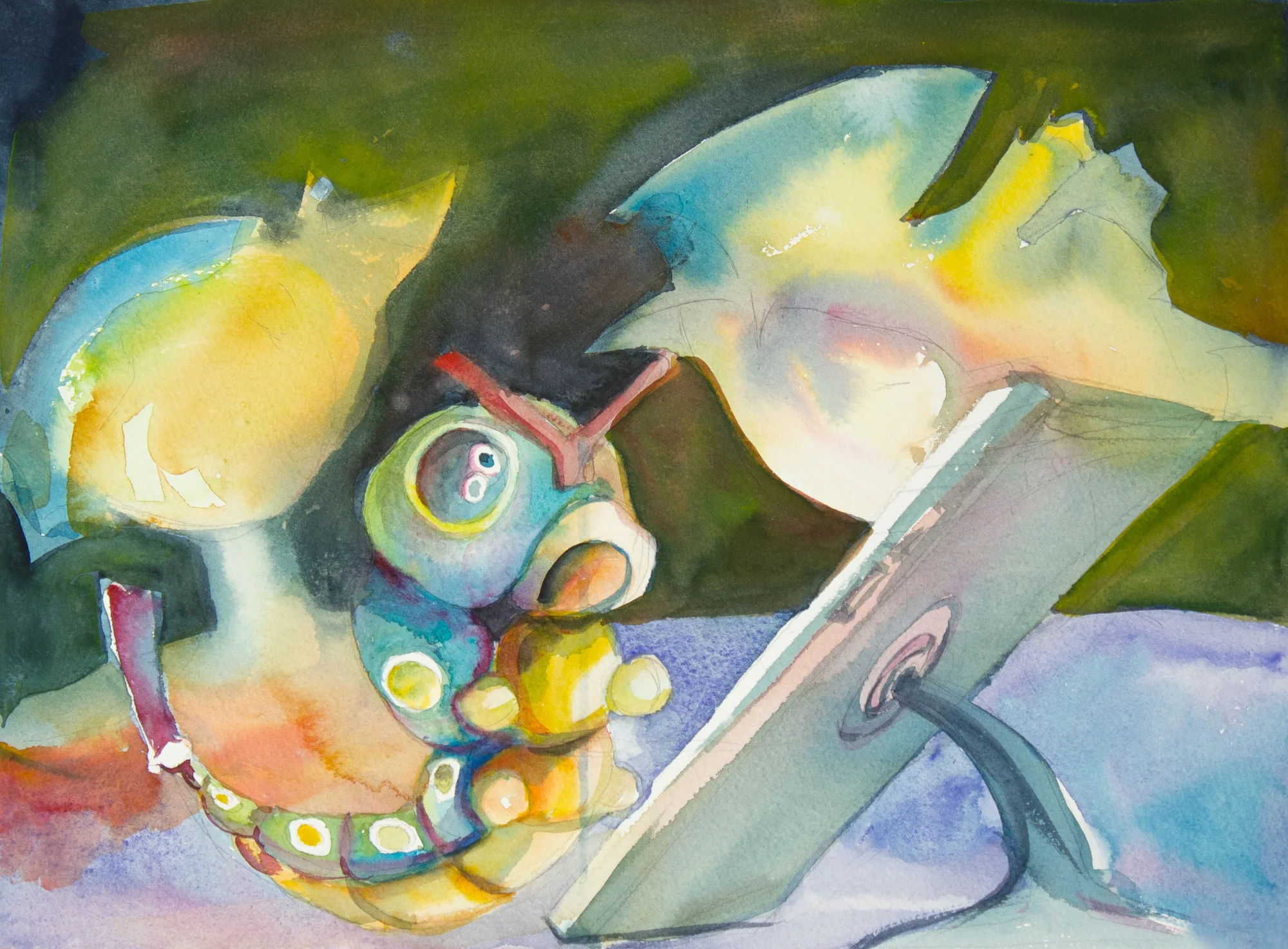
Watercolor on paper. 2026
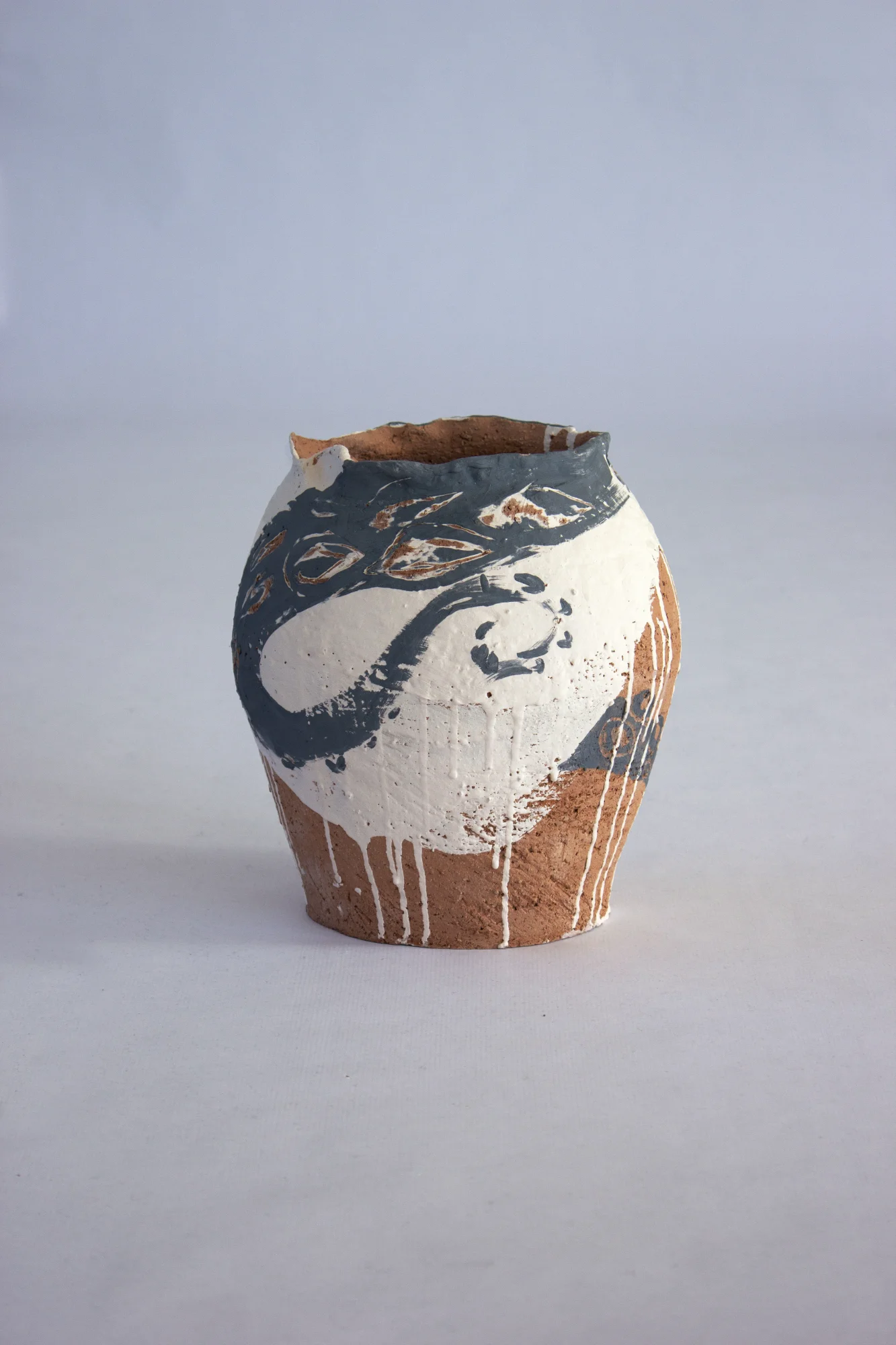
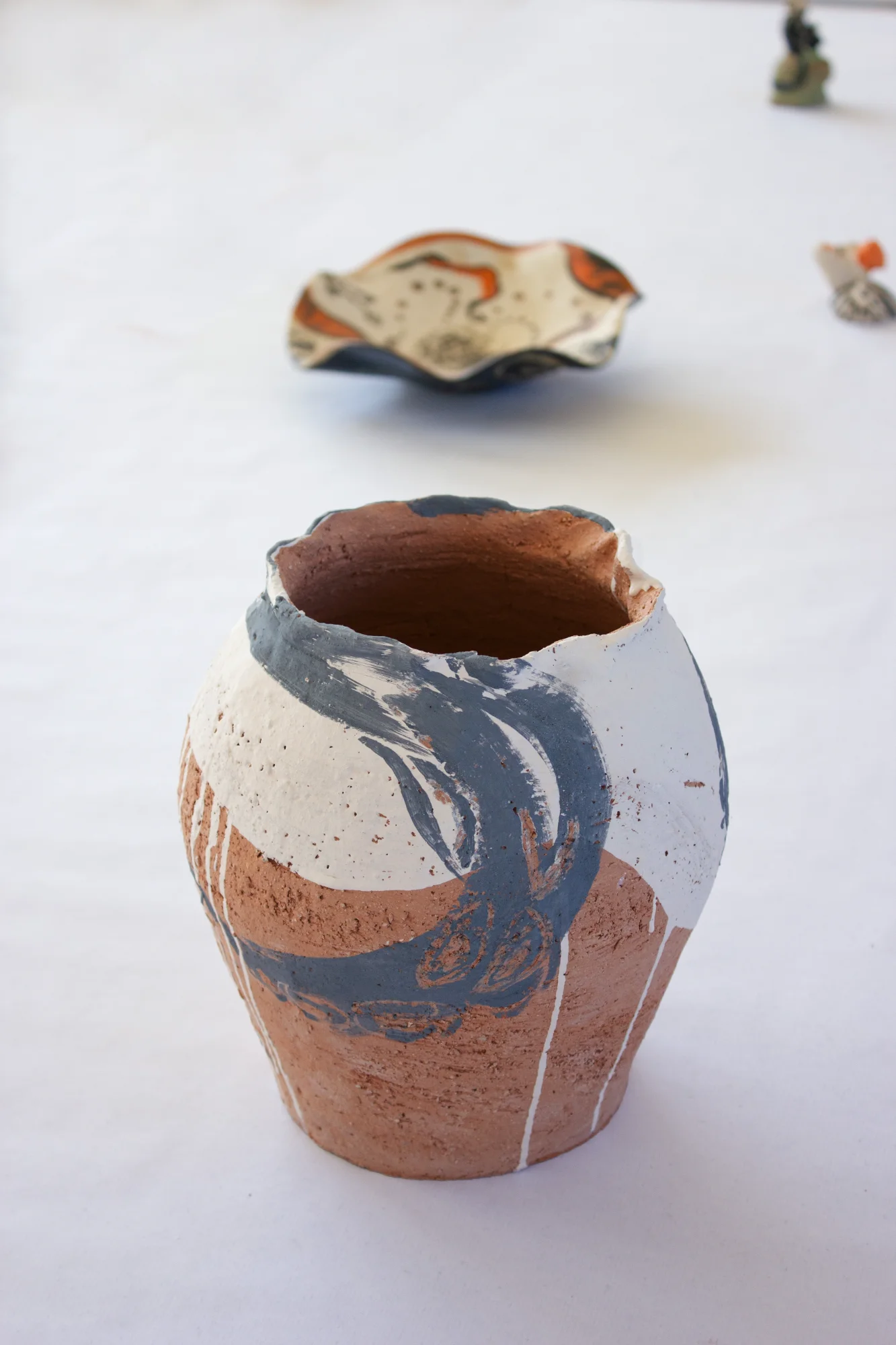
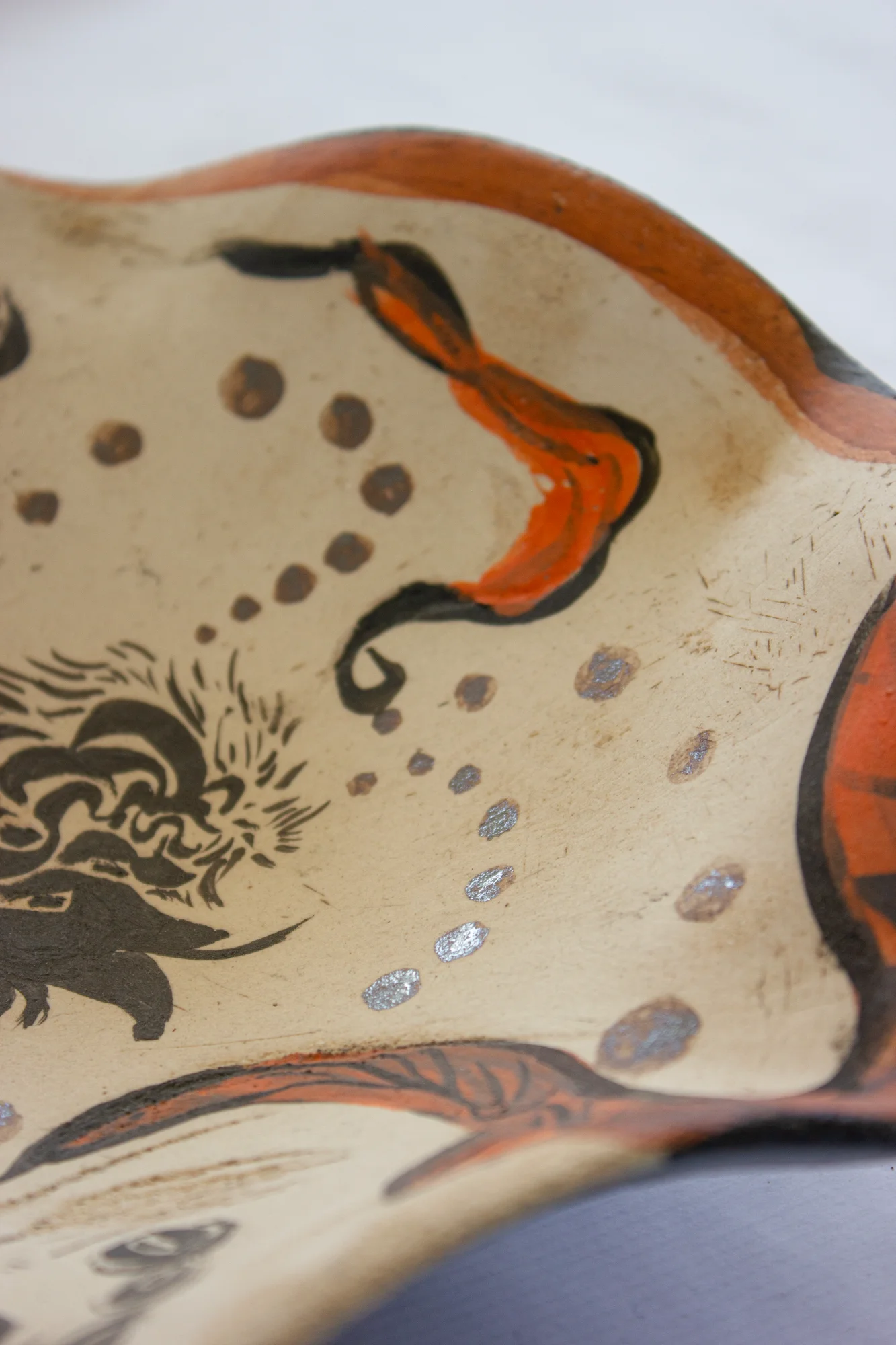
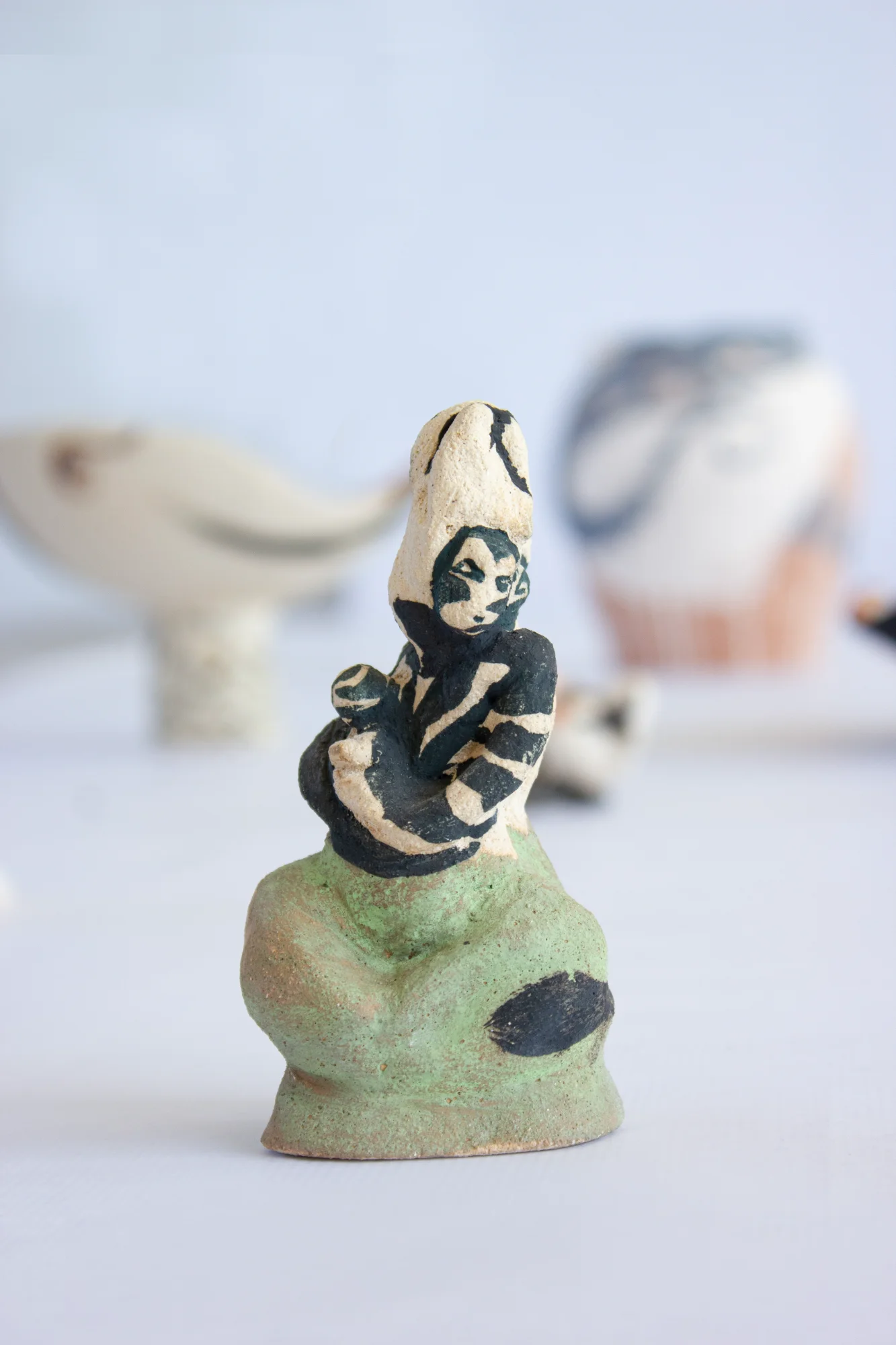
restis arqueològiquis
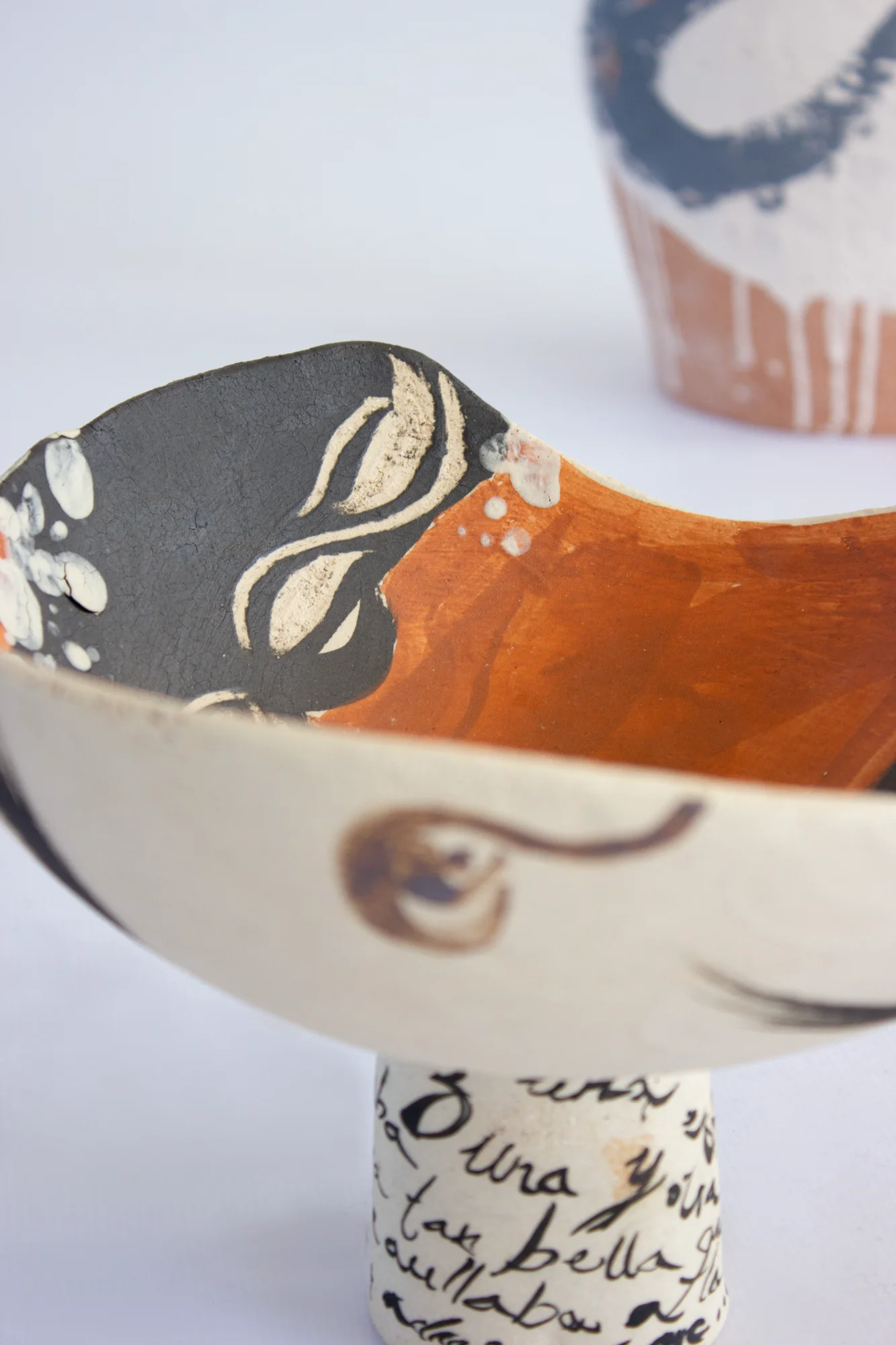
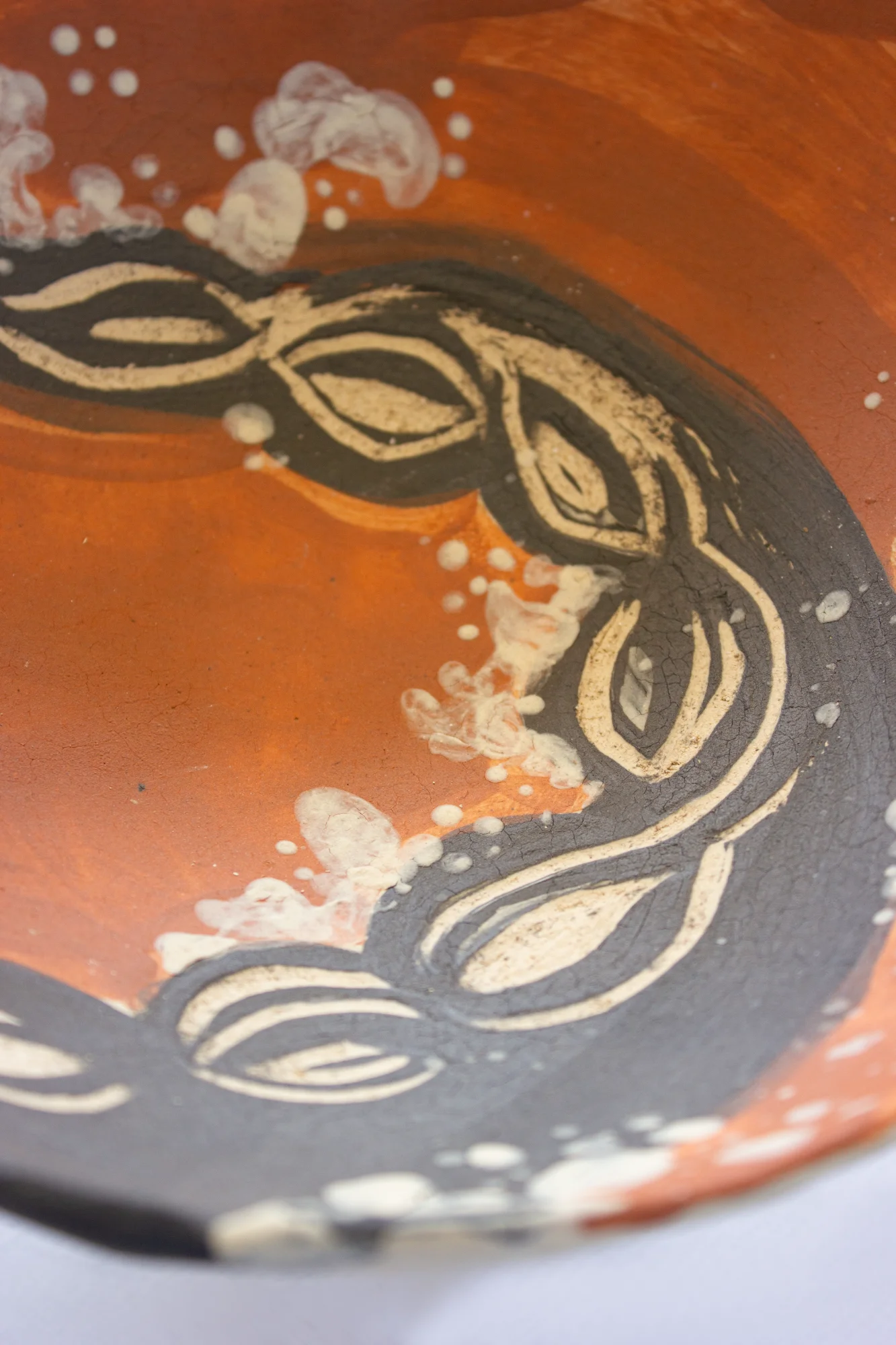
Restis arquòlogiquis
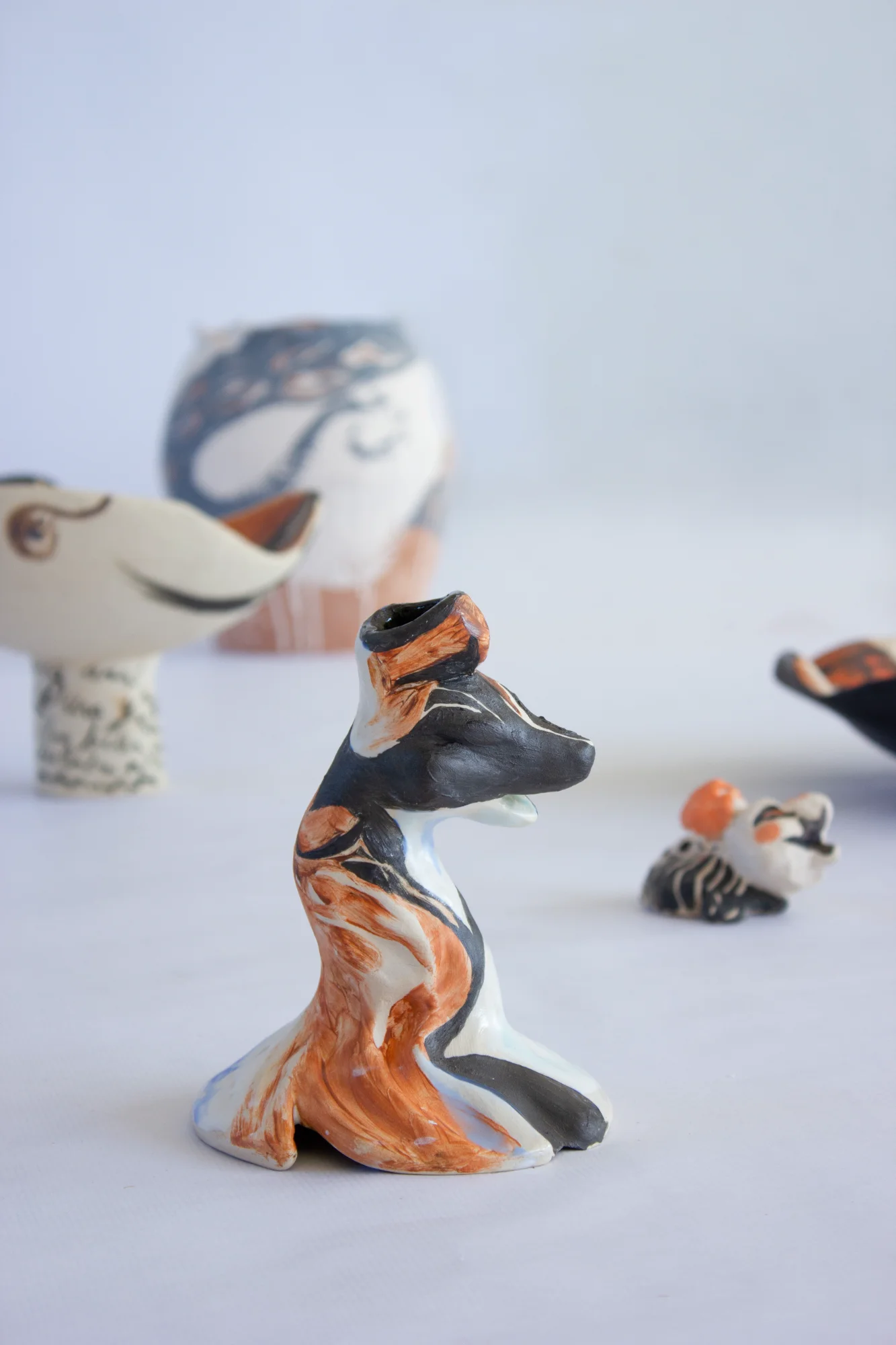
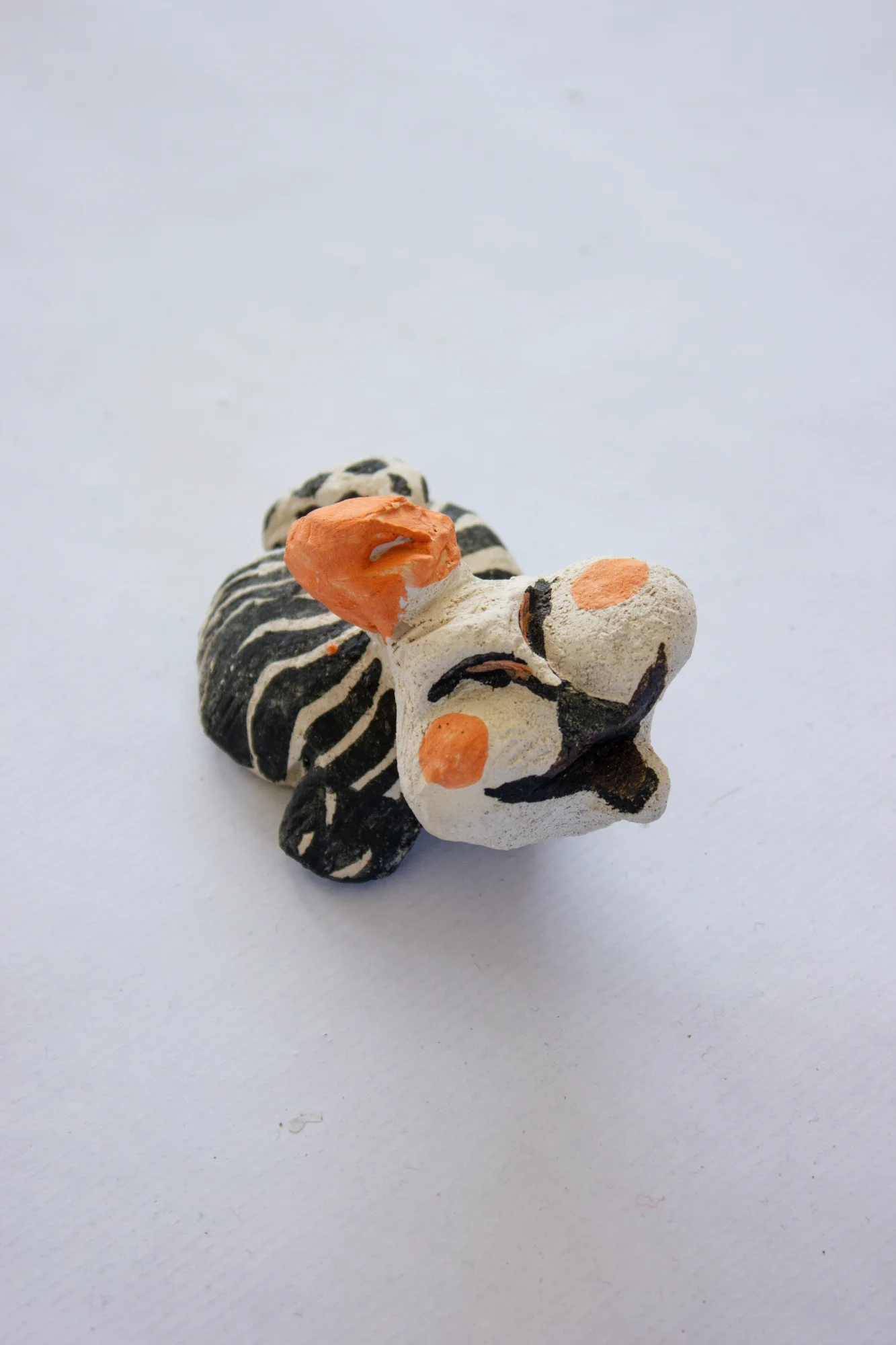
What is more enduring than rock? What remains do we have from our earliest ancestors other than bones, stones, and the first ceramics? Restis arquòlogiquis presents the archaeological site of a factory entirely controlled by octopuses. About this singular place, we only know that the octopuses themselves had opened the factory to visitors during restricted hours, yet not even the human guides truly knew what the octopuses were actually producing in those ruined and flooded facilities. Restis arquòlogiquis plays with the idea of coexistence between hybrid cultures, the discovery of surprising fossils, and builds bridges toward possible civilizations far in the future or deep in the past.
el sueño de la emocion
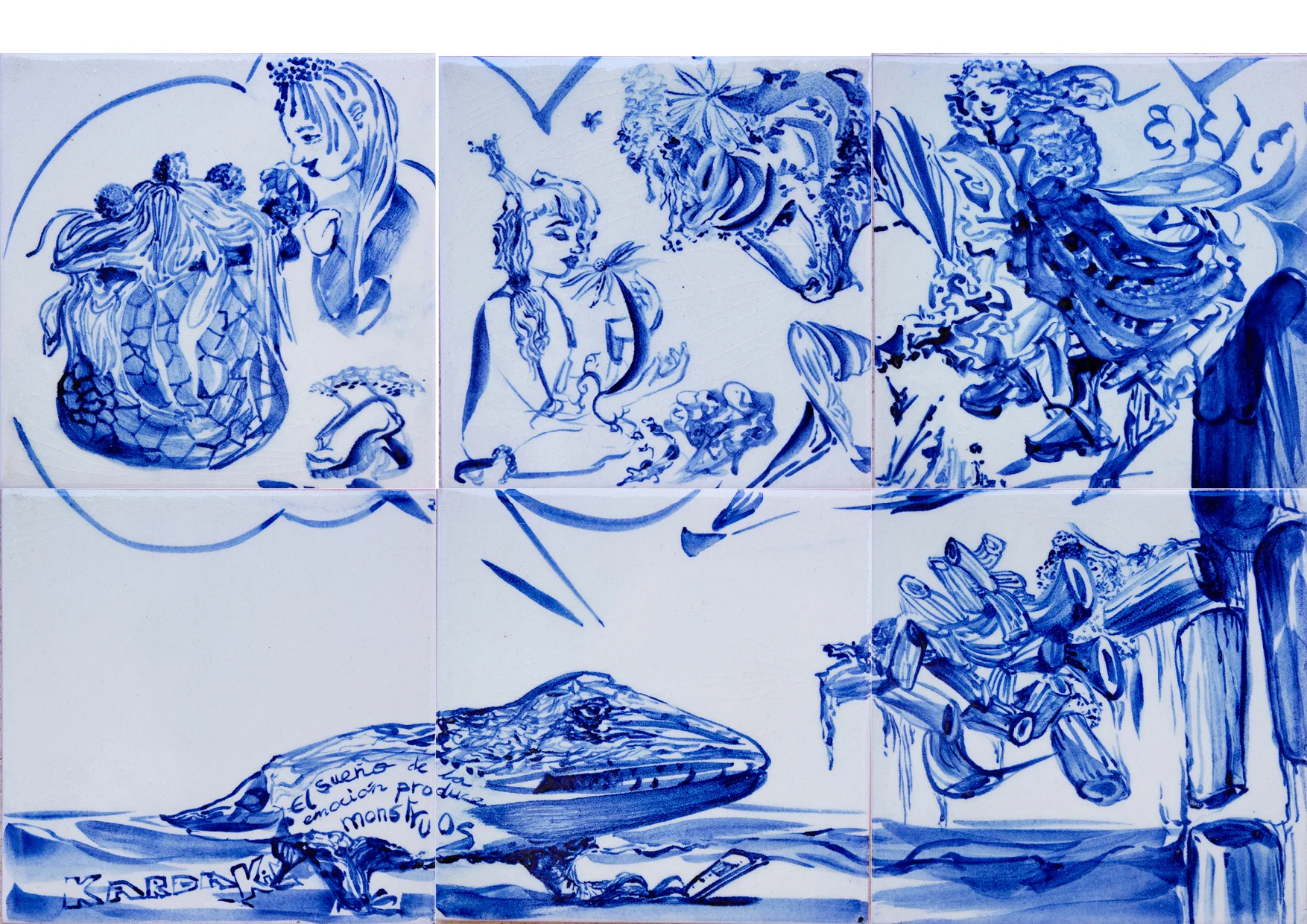
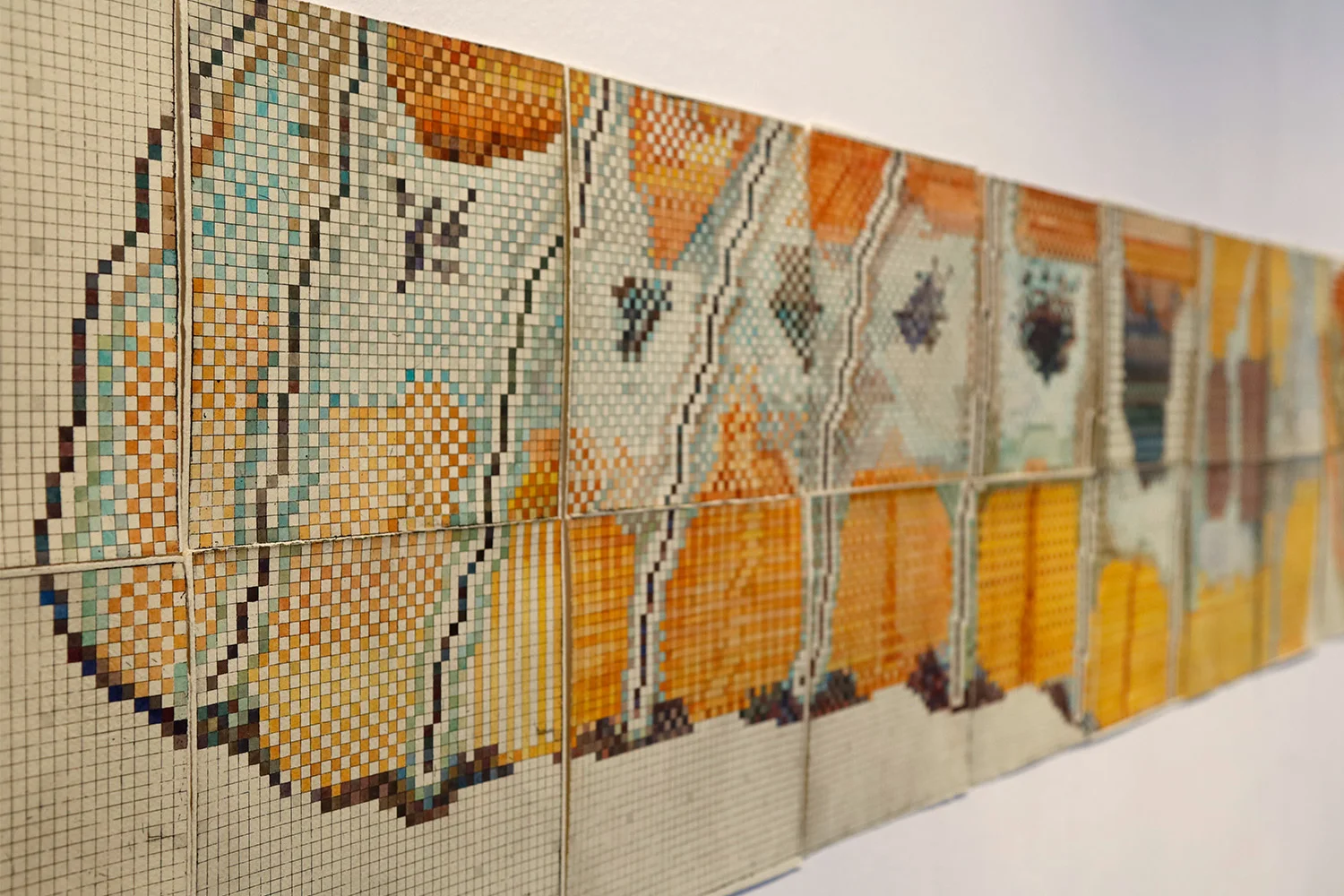
the dream of emotion produces monsters year 2025 mural of painted tiles with oxides and glazed 30 x 45 cm
fugas legendarias
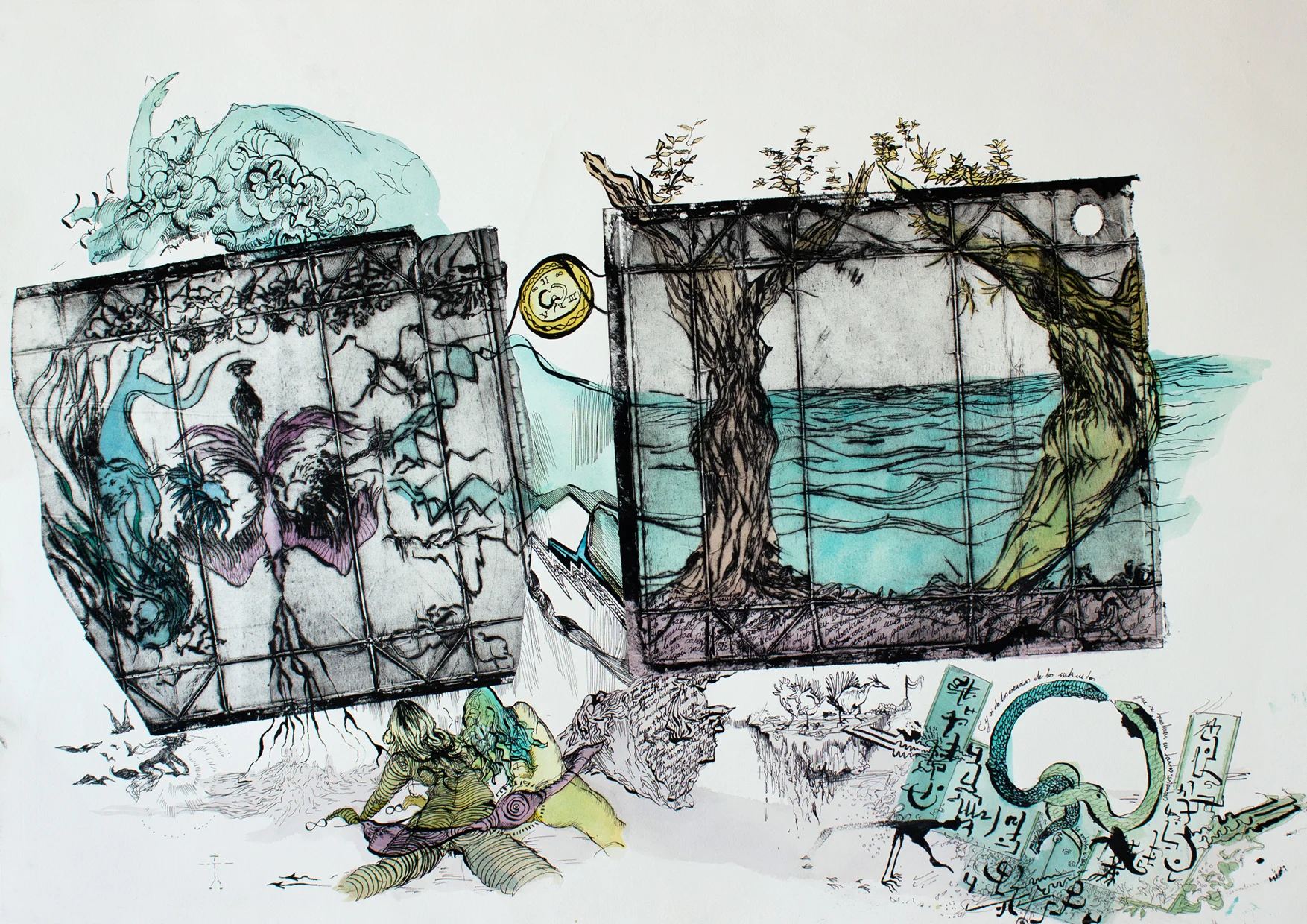
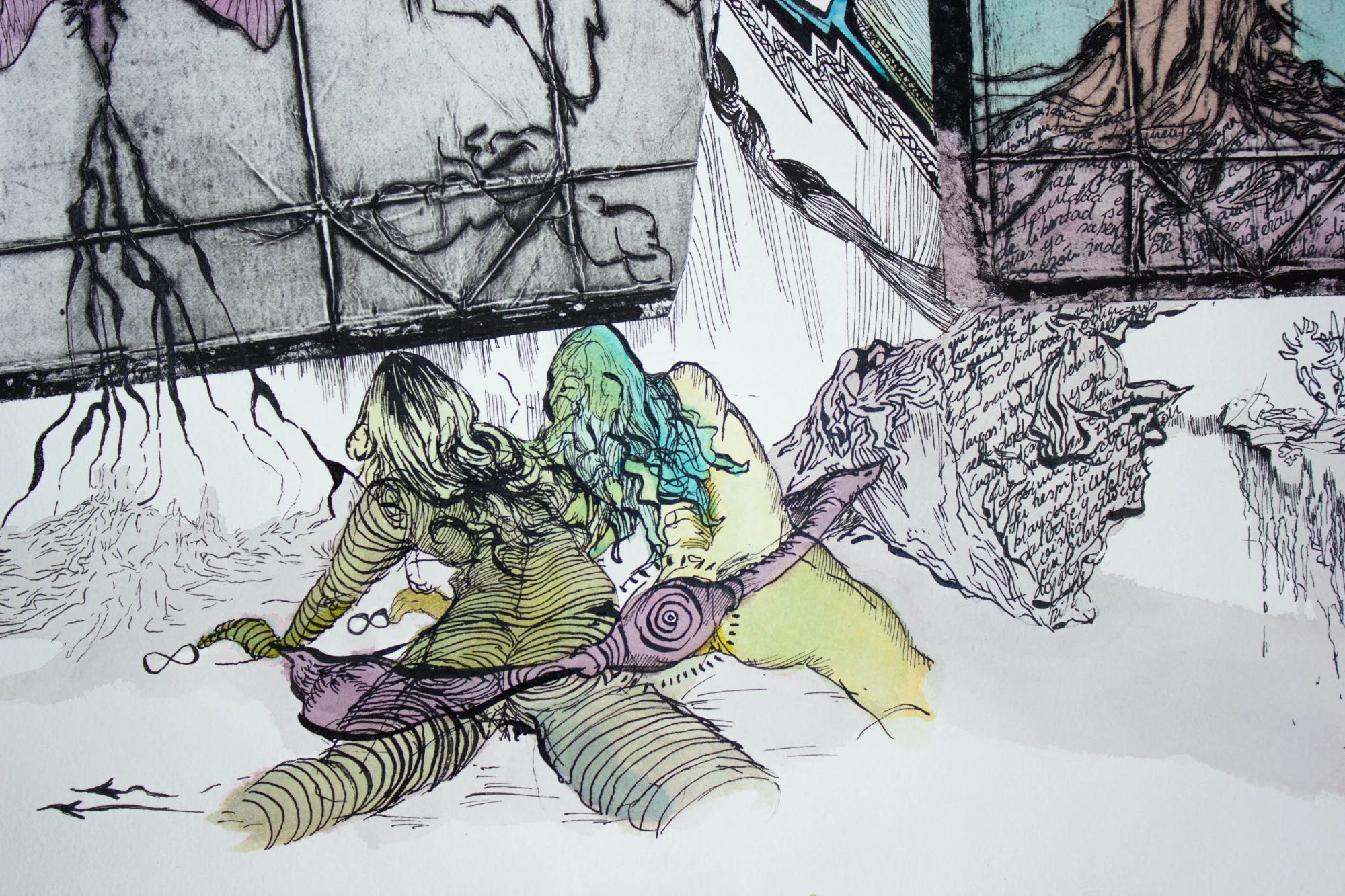
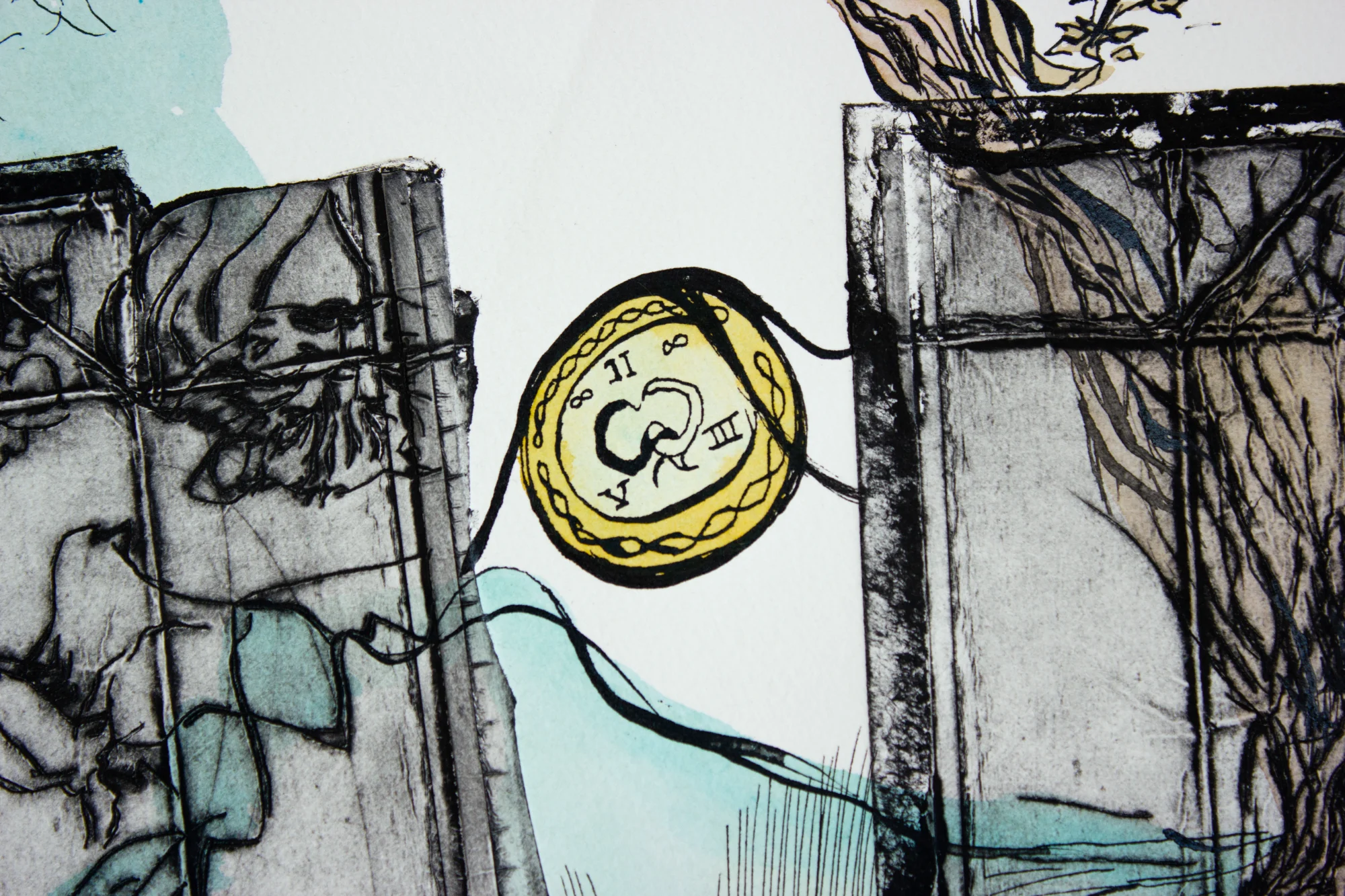
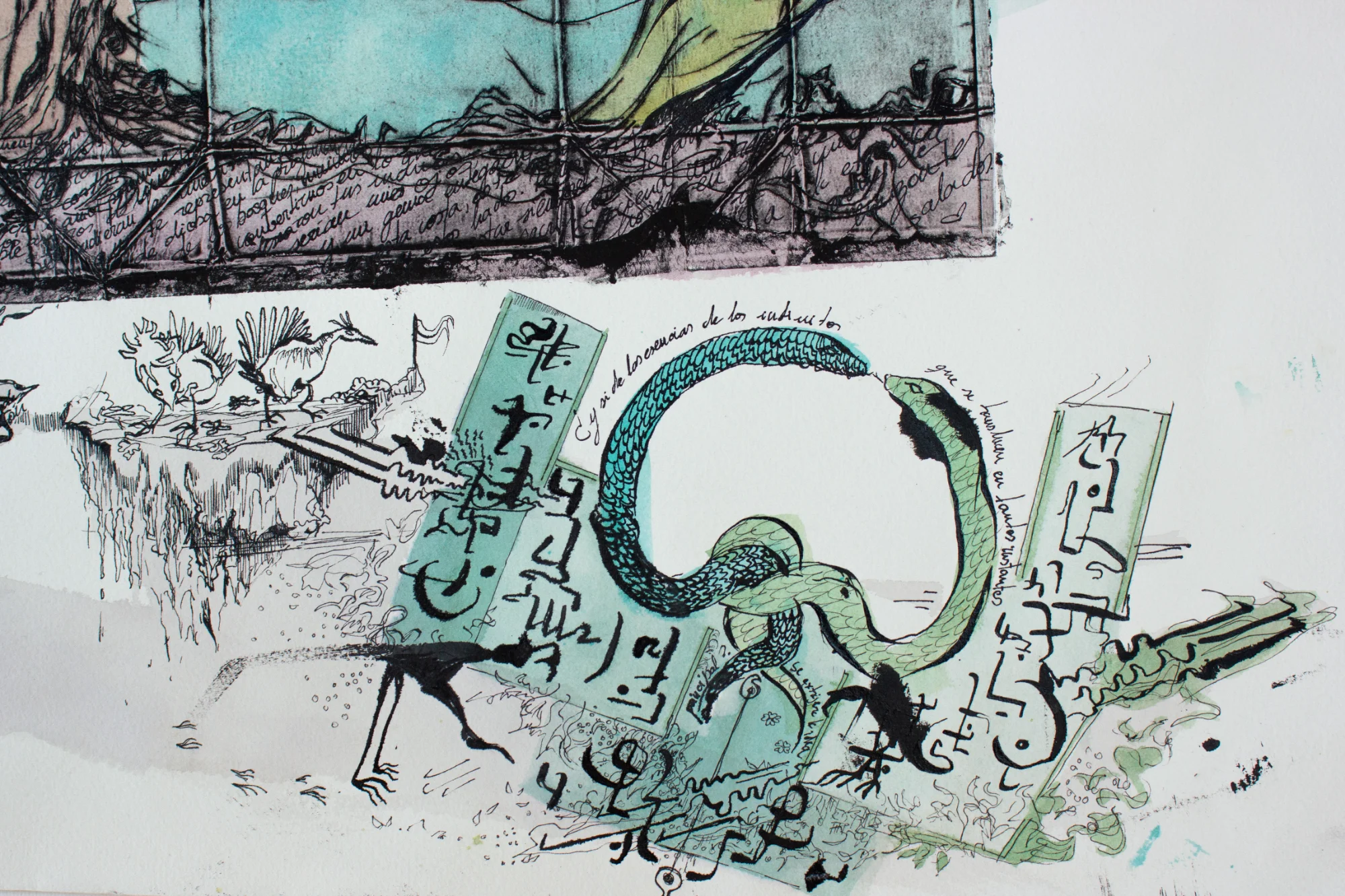
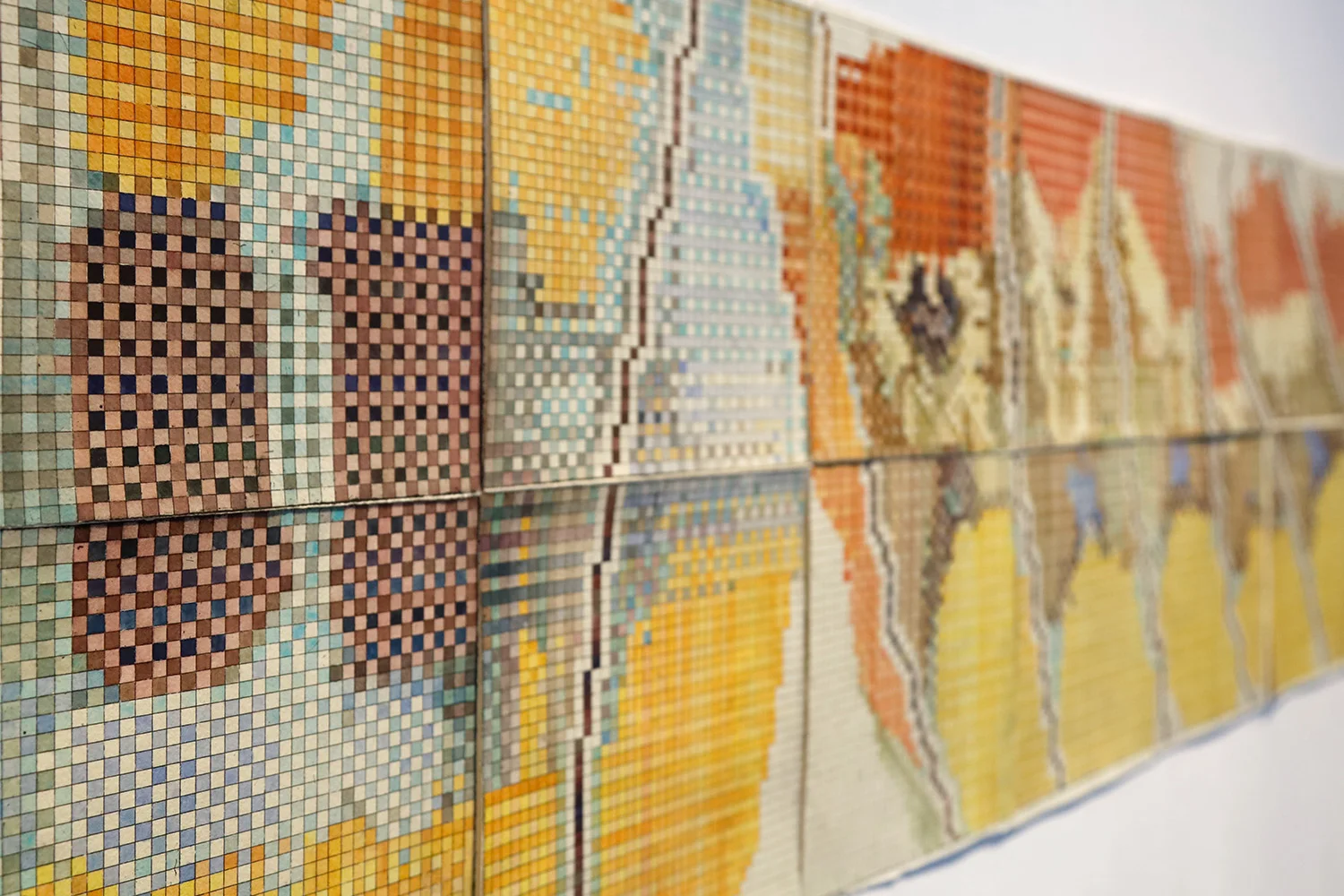
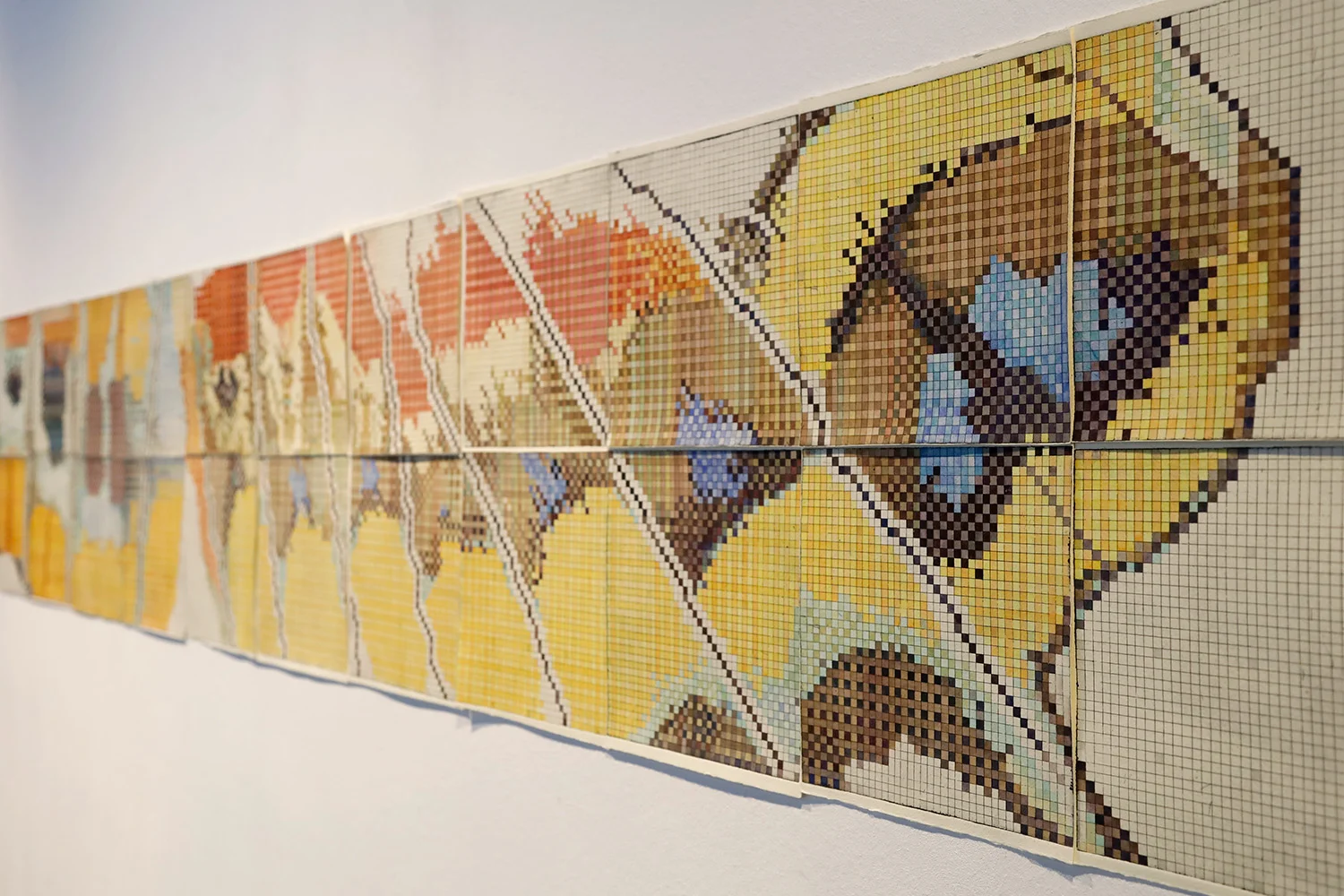
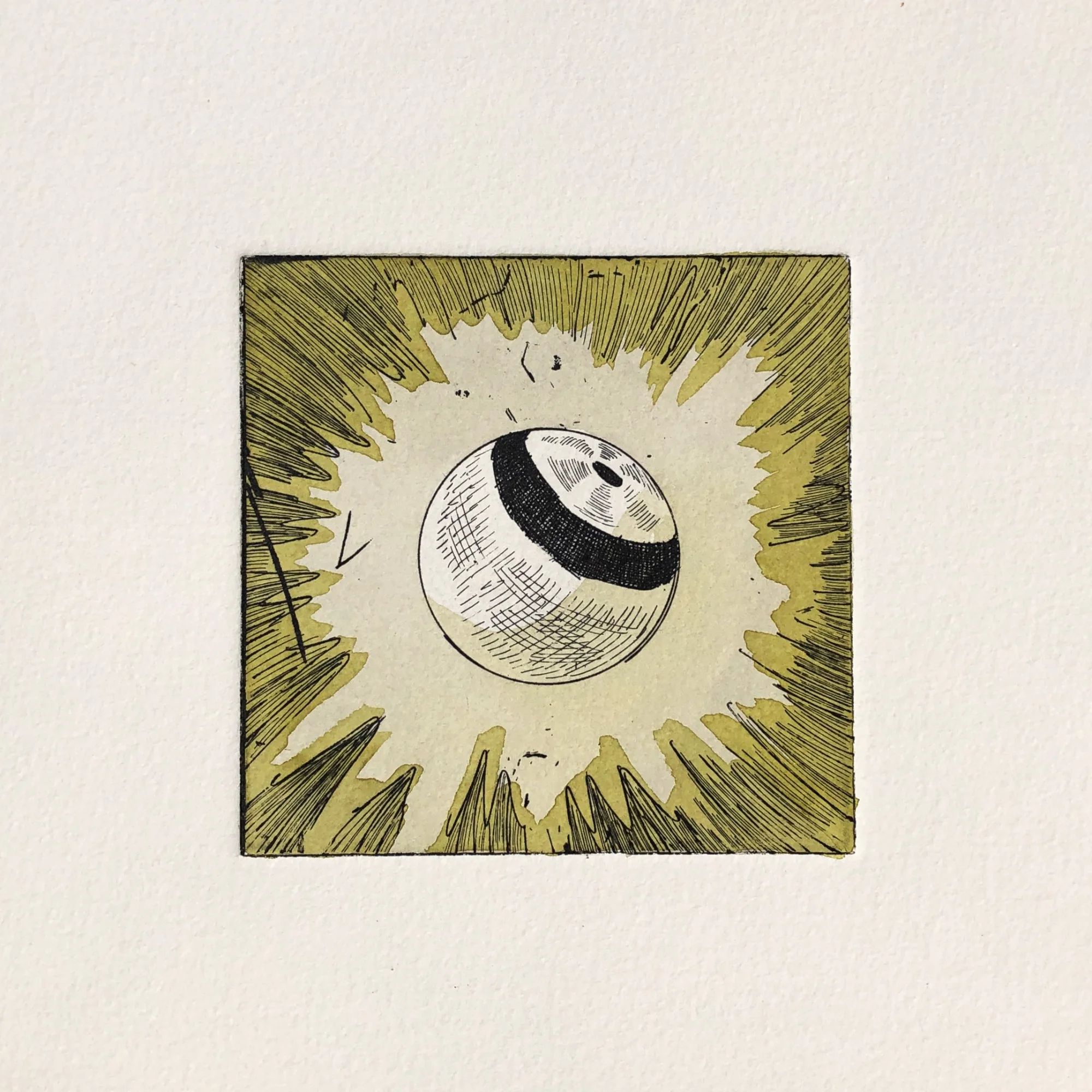
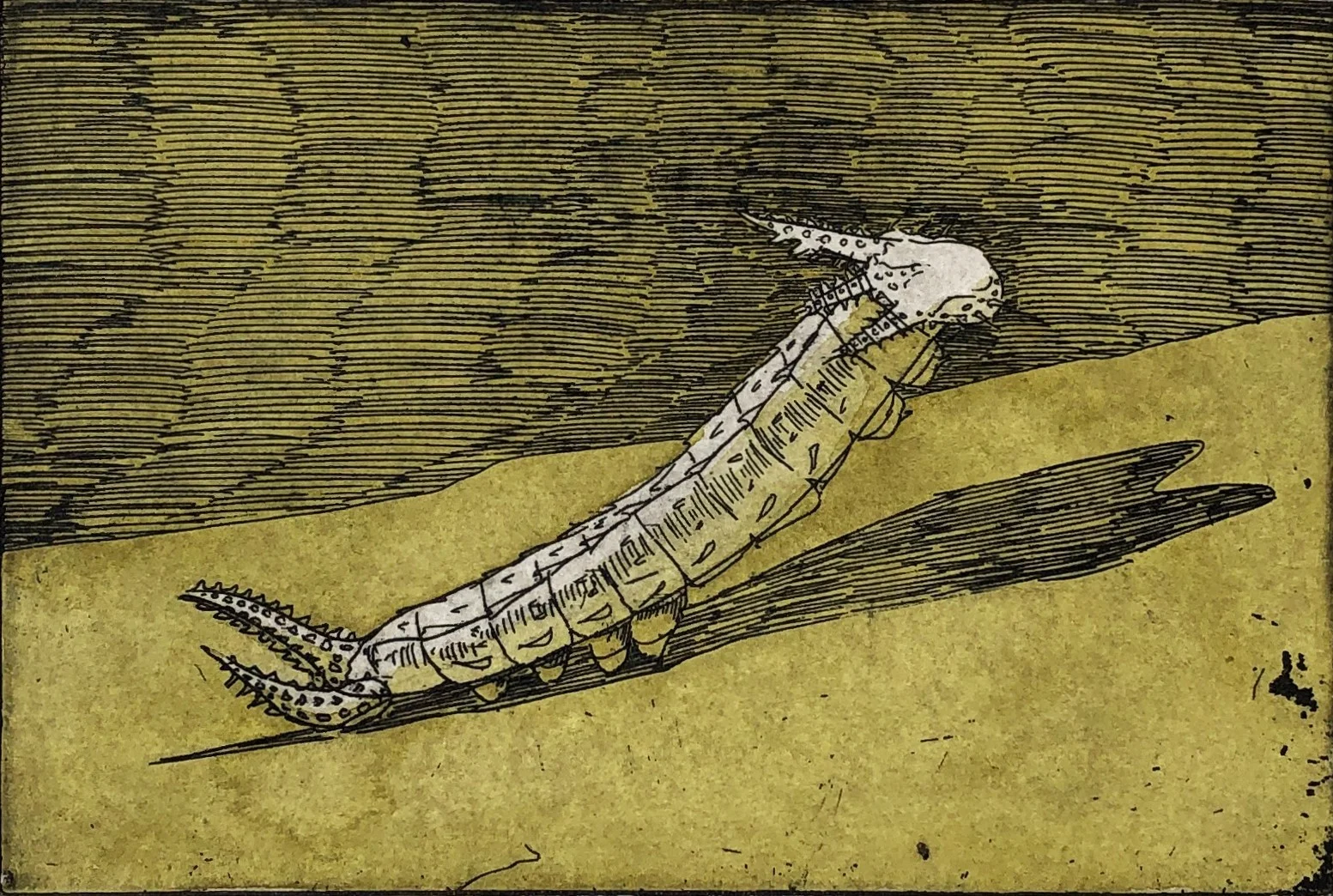
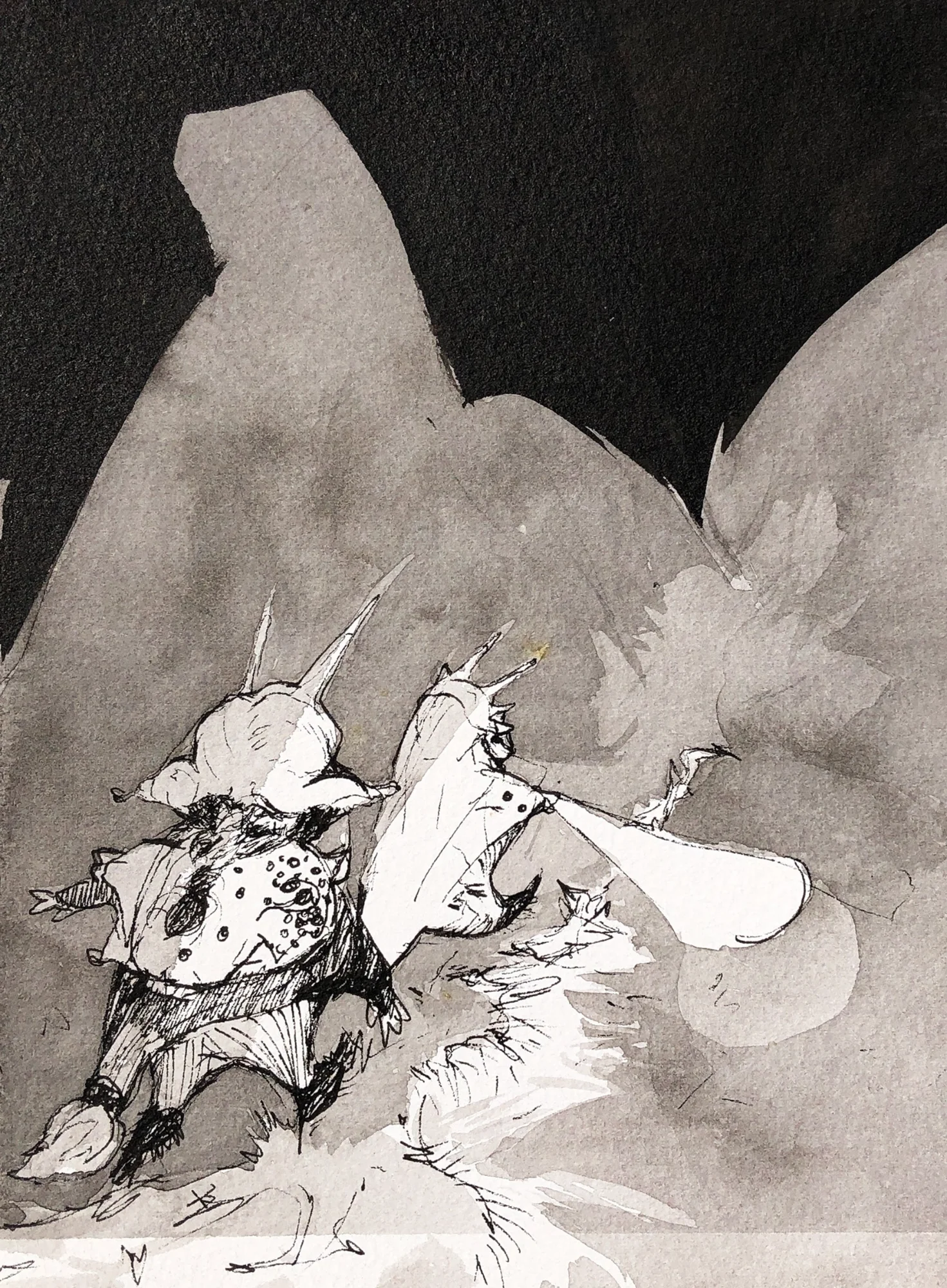
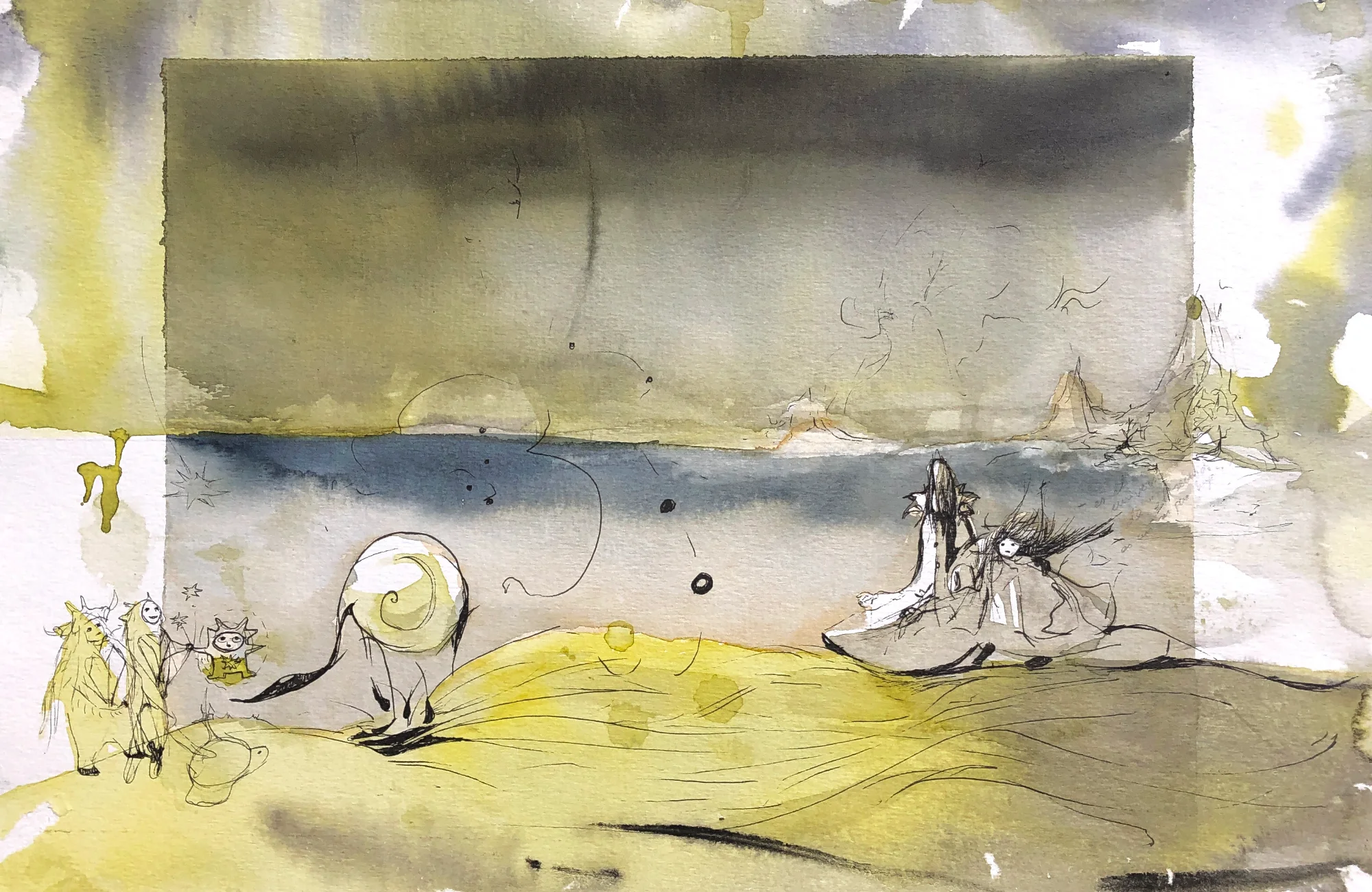
year 2022 drypoint on brick, printed on fabriano paper. print intervened with ink and watercolor. 50 x 70 cm
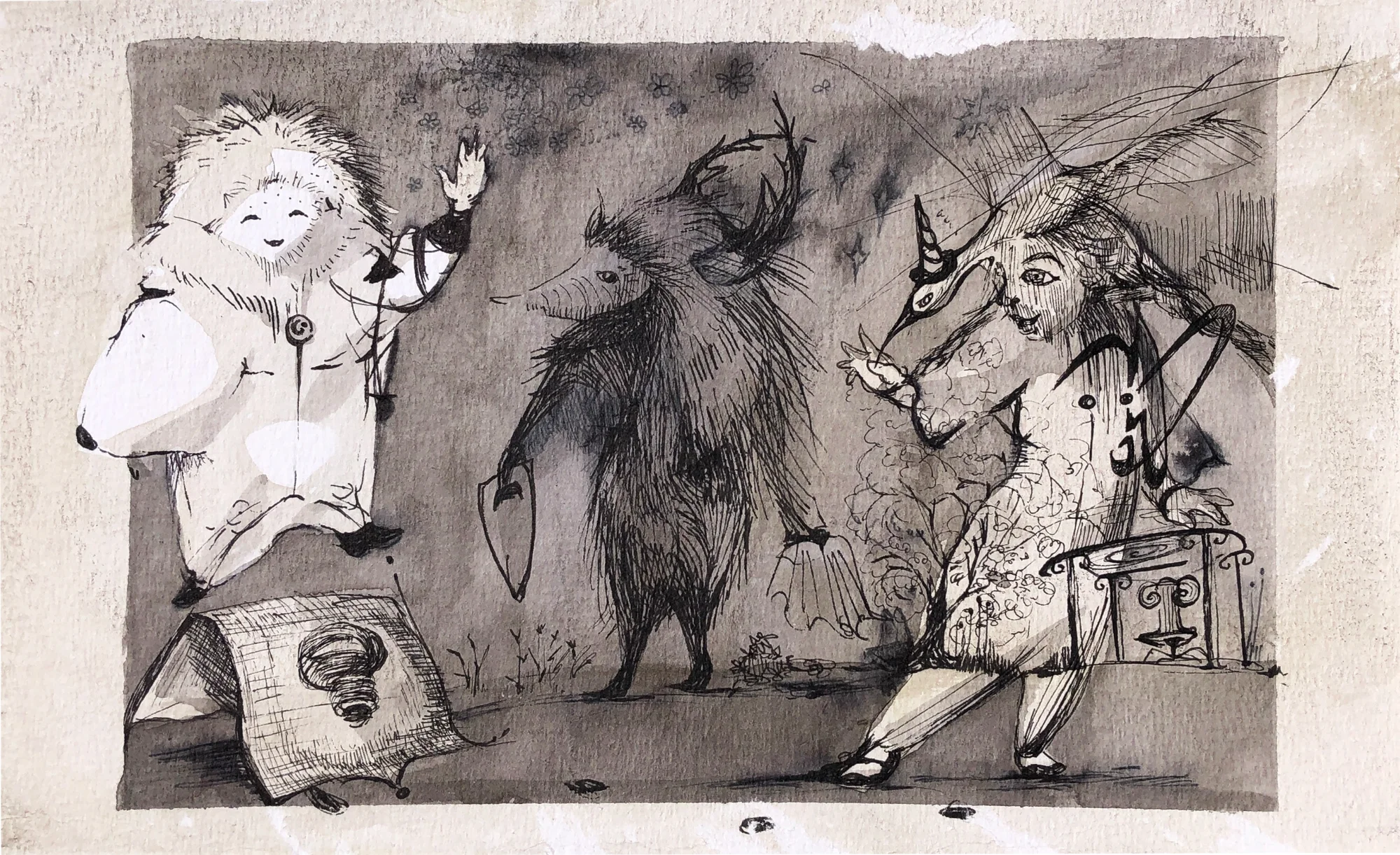
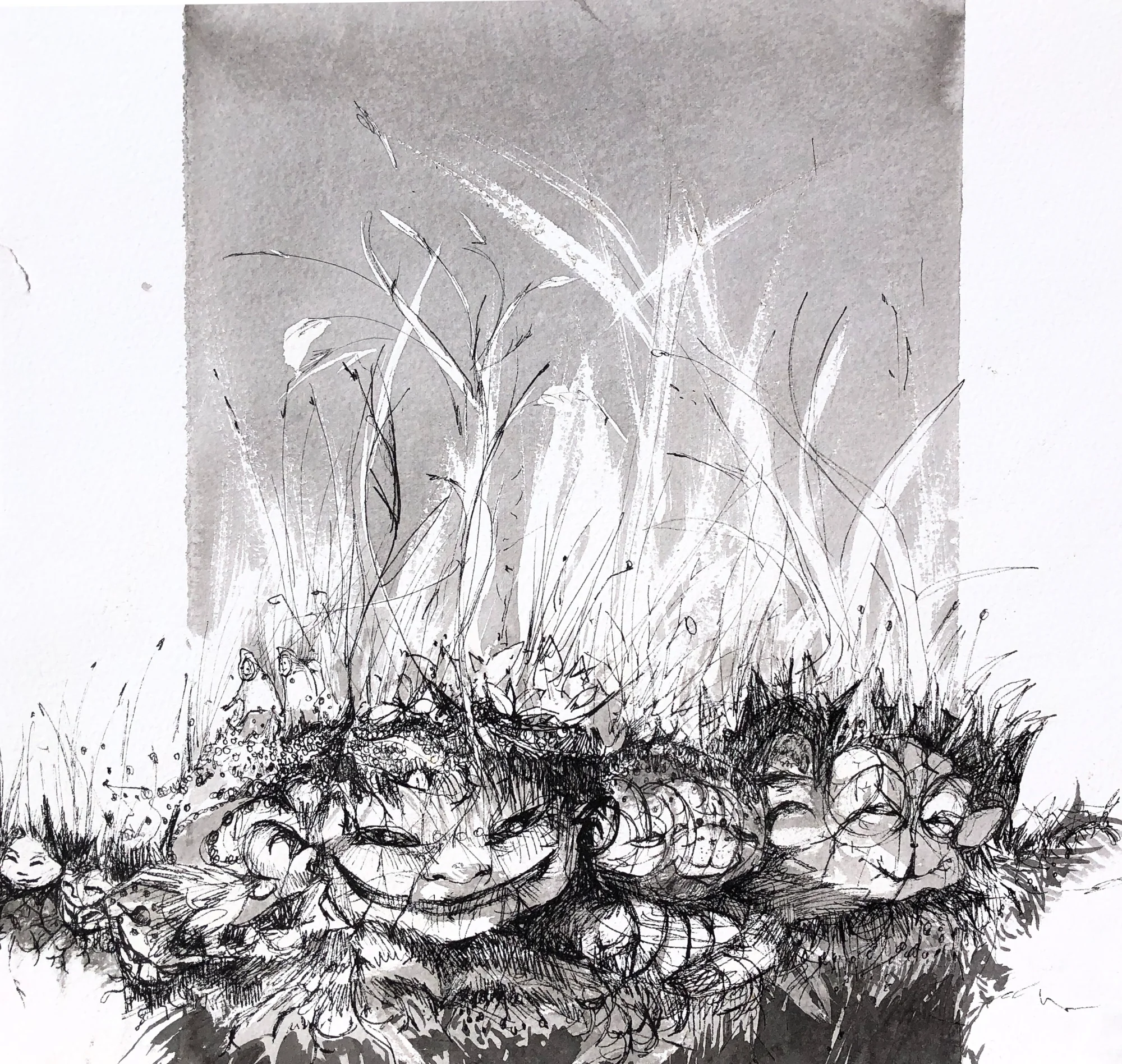
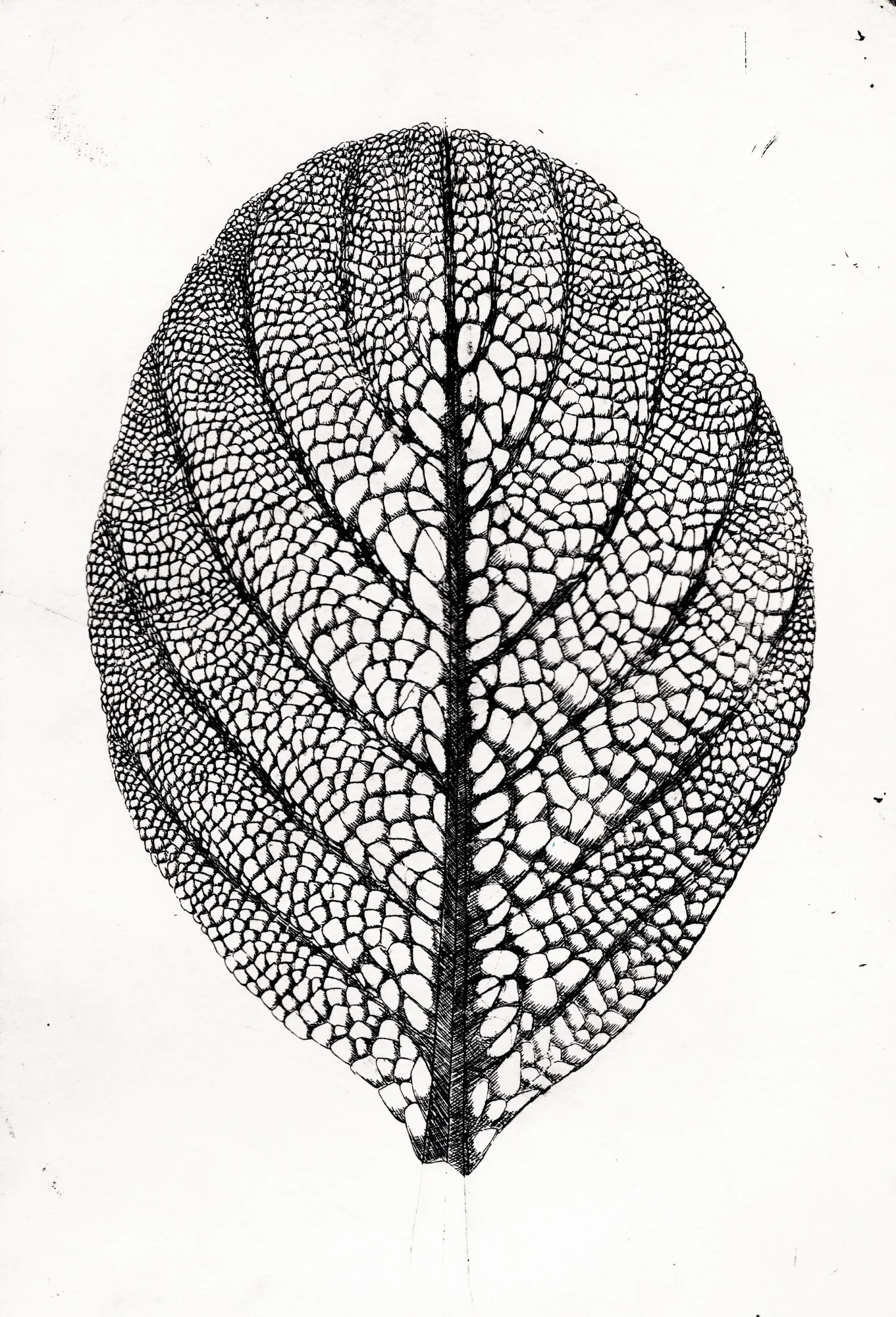
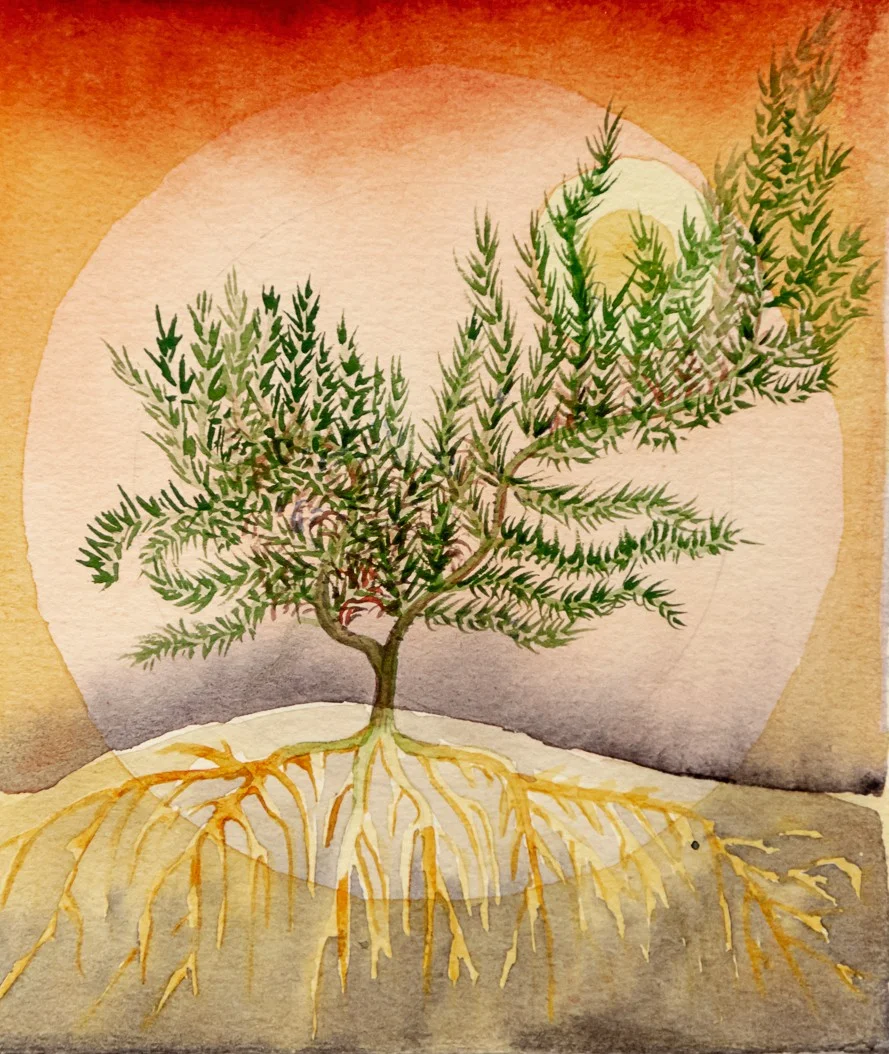
el teatre de les plantes
This project consists of the creation of botanical engravings and poetic texts following the etching illustration techniques of 18th-century botanical treatises. Both the images and the texts are based on ideas—demonstrated throughout history and ultimately recognized in recent studies—that plants are sensitive beings, capable of communication and information exchange, and also able to solve the problems they encounter. Our process recovers the observational methodologies of authors such as Maria Sibylla Merian (1647–1717), Anne Pratt (1806–1893), Marianne North (1830–1890), among others. Most of the works are developed using copper etching, later hand-colored with watercolor, based on an approach that understands plant beings as sensitive organisms. Through the images, we explore the narrative and poetic possibilities that arise when attempting to imagine existence from perceptions different from human temporality and movement. Engraving was one of the main vehicles for the study and representation of botany before the invention of photography. This project aims to recover that function while incorporating aspects of our own visual language. The Theatre of Plants also considers art and writing as vehicles for expressing and imagining the revolutionary ideas through which various authors—from Plato and Democritus, through Linnaeus and Darwin, Fechner and Bose, to contemporary plant neurobiologists such as Monica Gagliano and Stefano Mancuso—have expressed their conviction that plants possess far more refined abilities and sensitivities than commonly observed. Project by Ana López and Monica Kopatschek. Exhibition selected in the Projectes de Ciutat 2023 call. With the support of Sorea and the Department of Culture of the Generalitat de Catalunya.
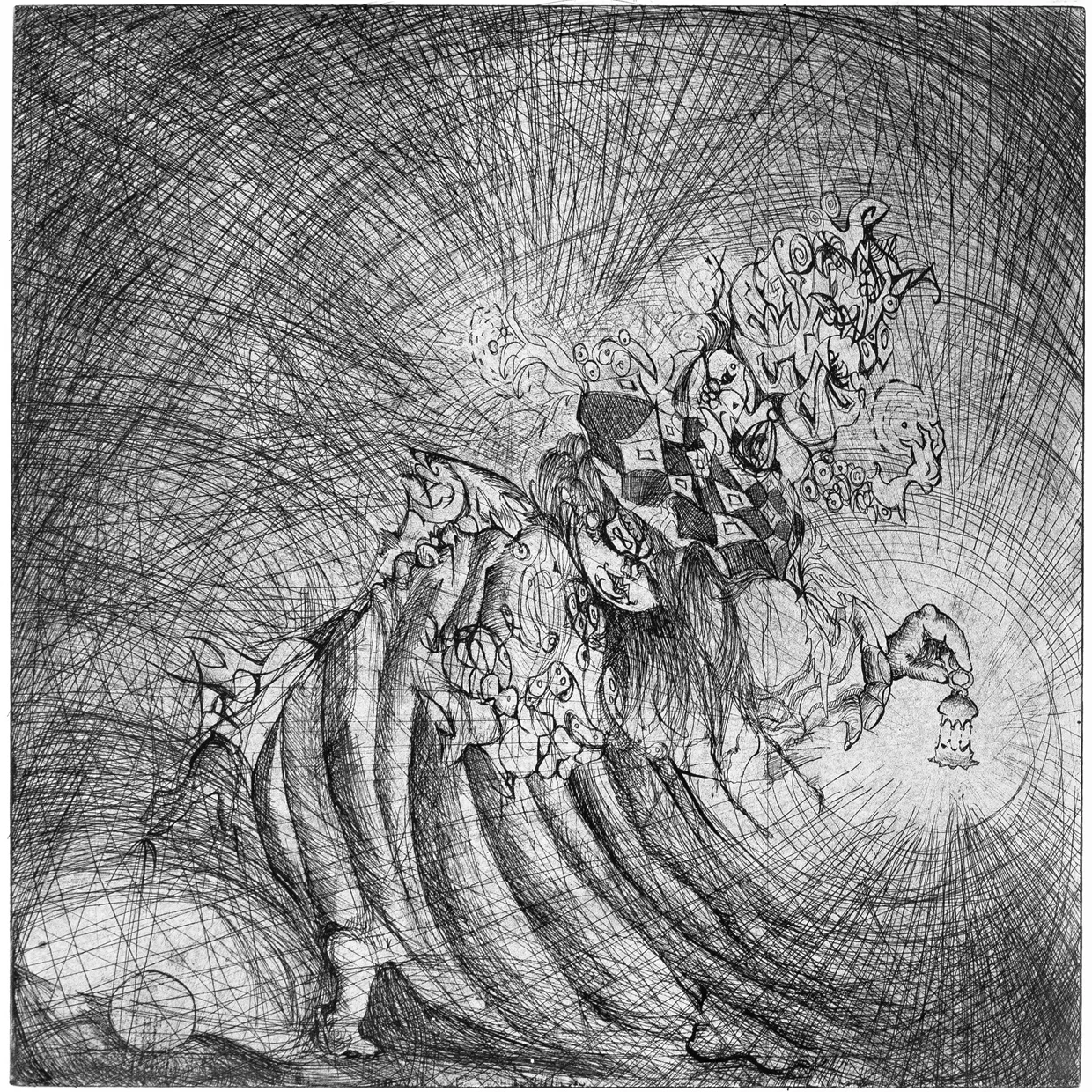
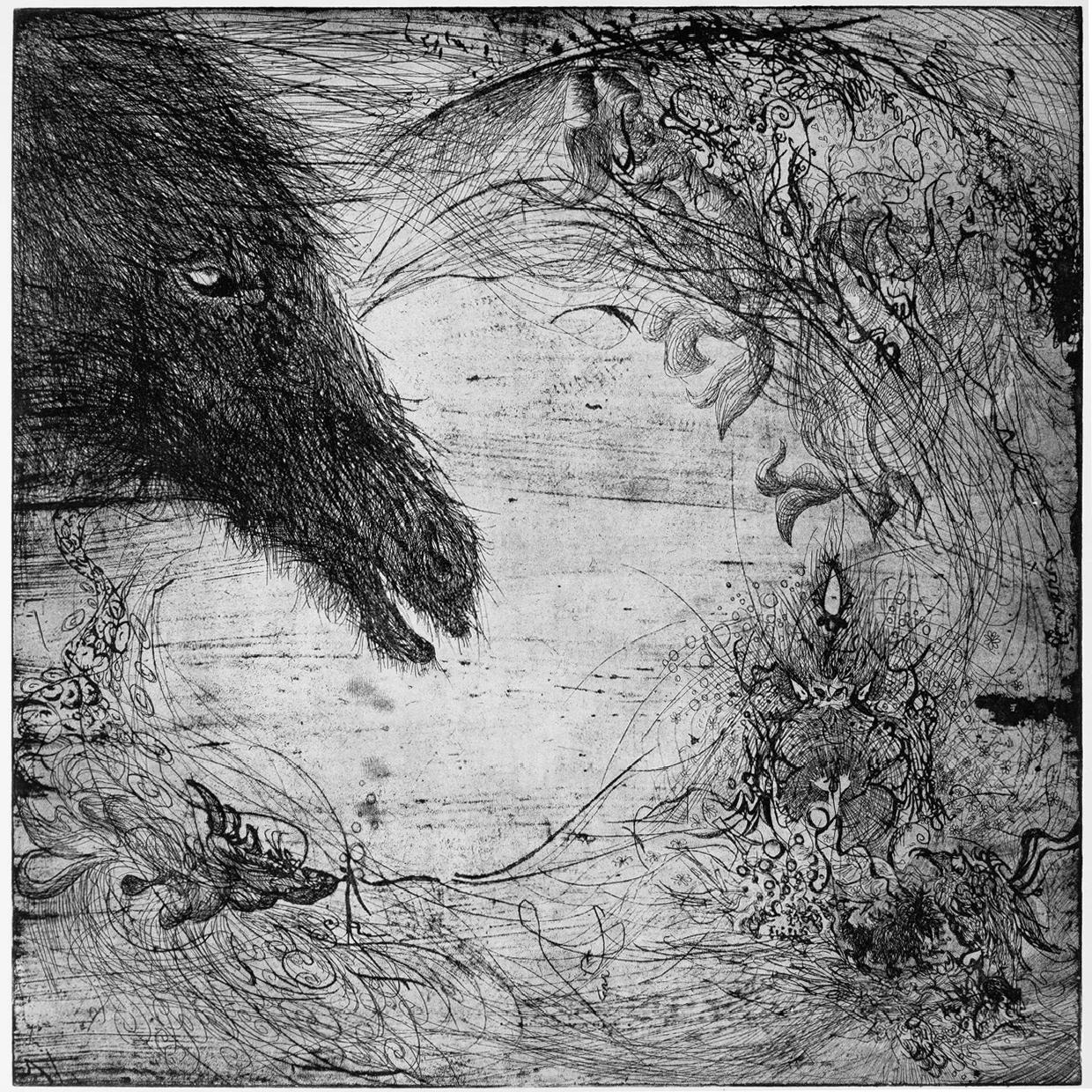
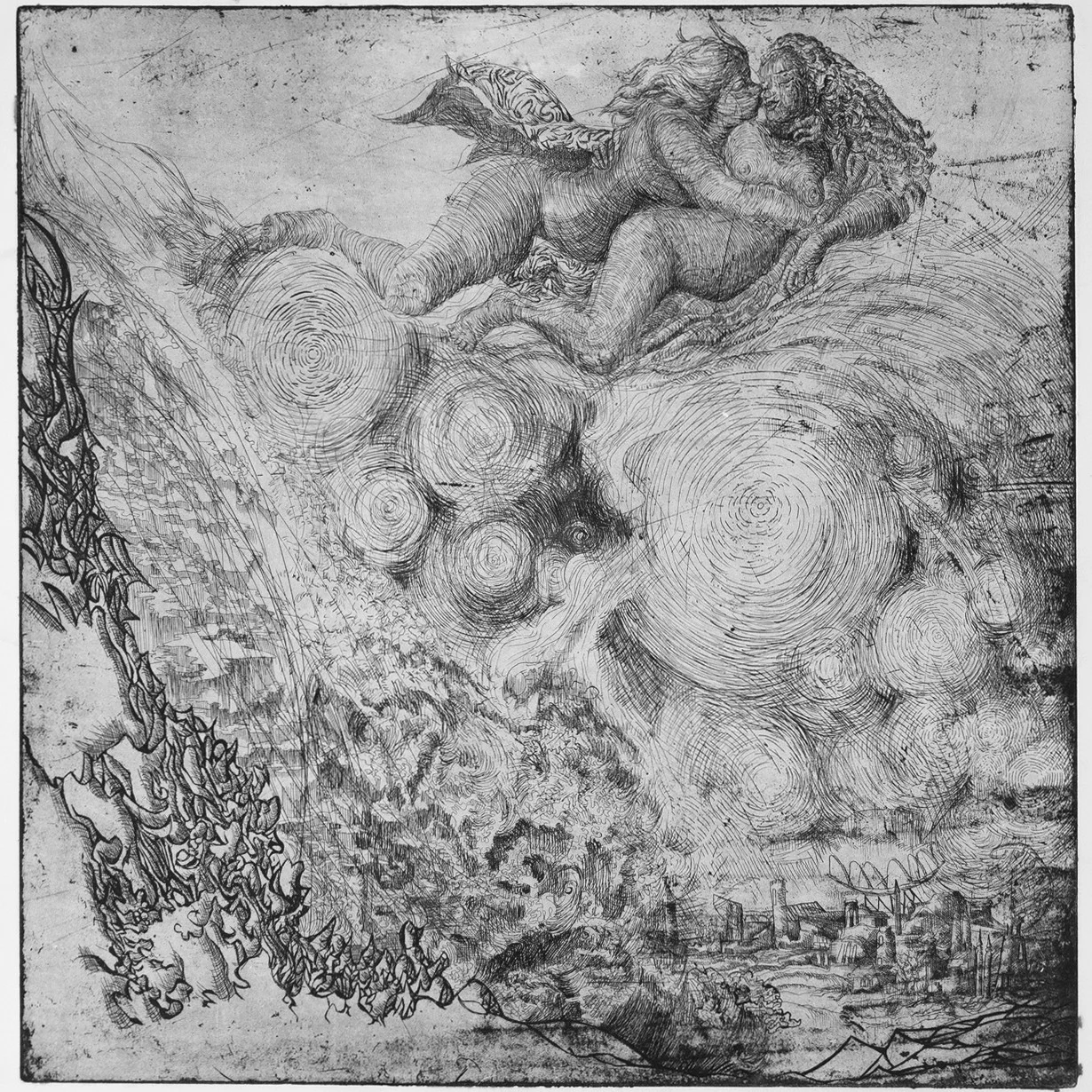
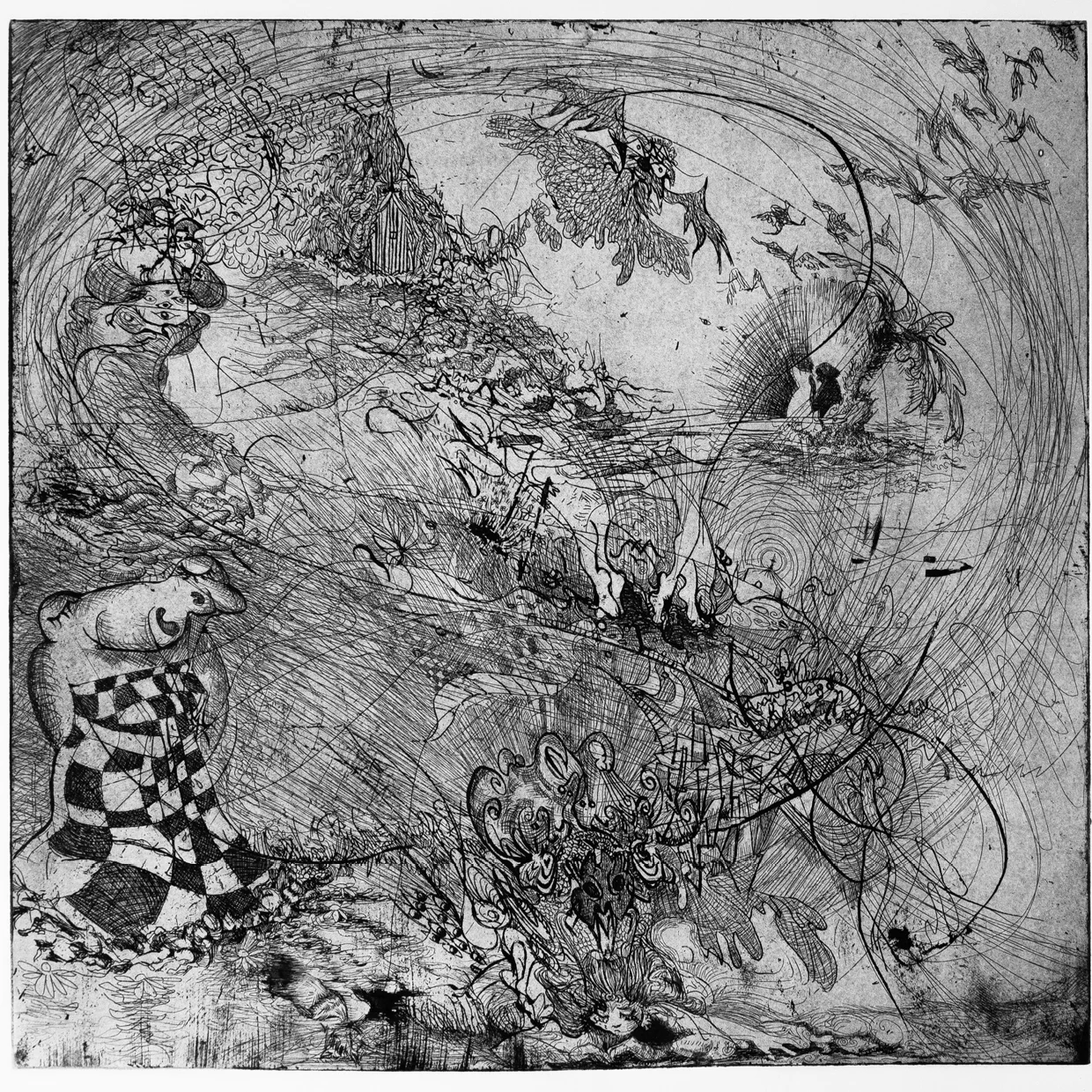
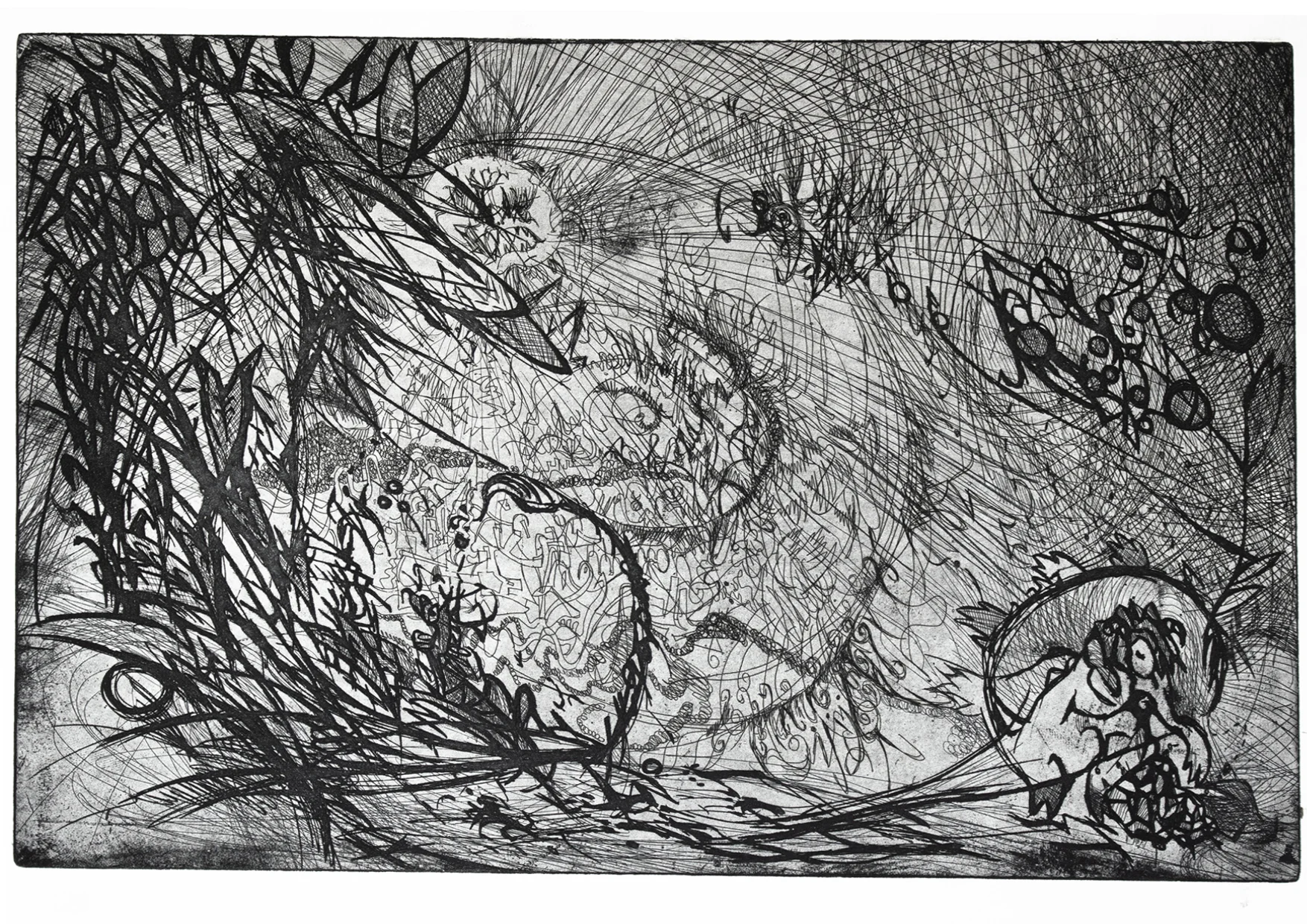
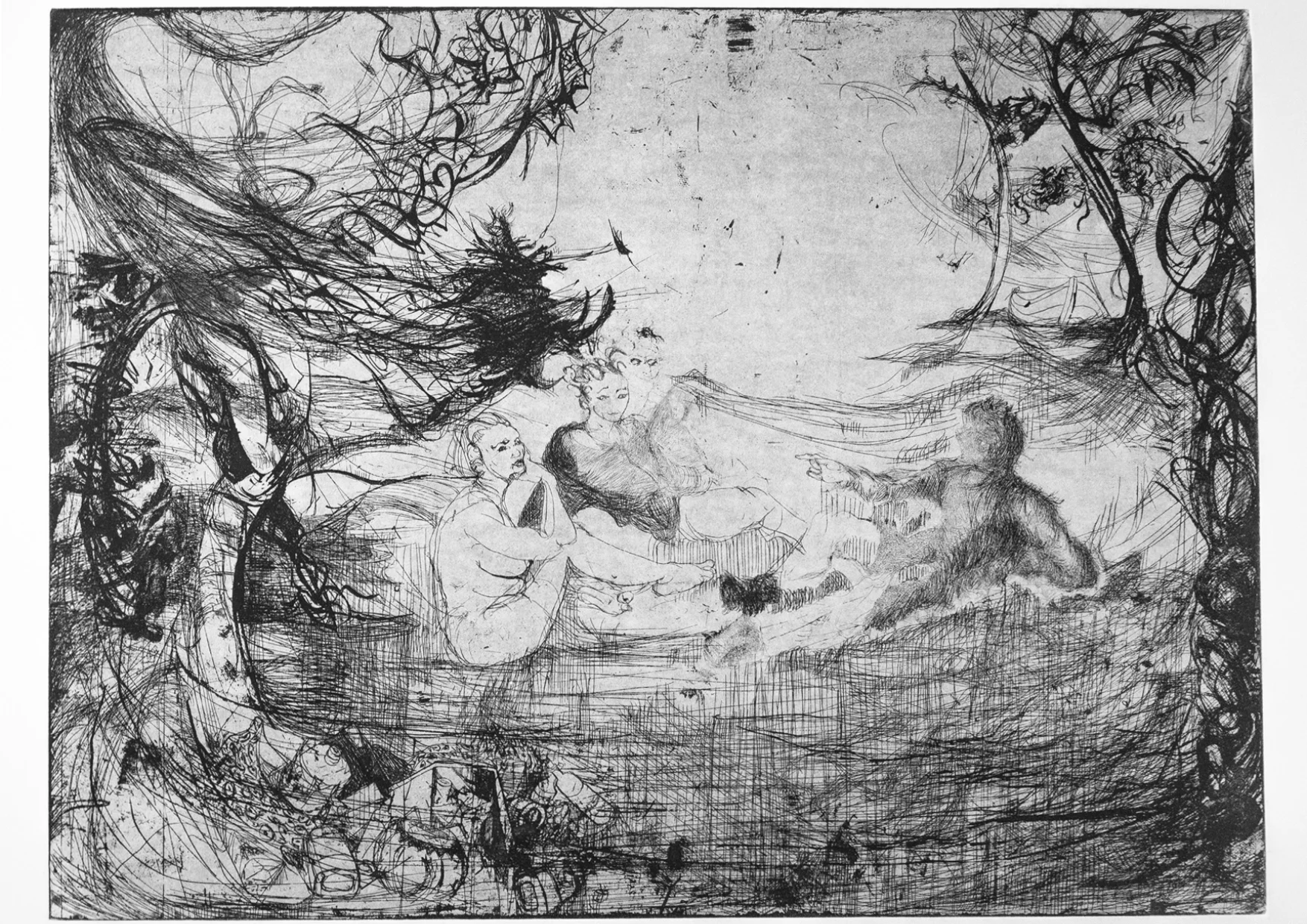
insomnio
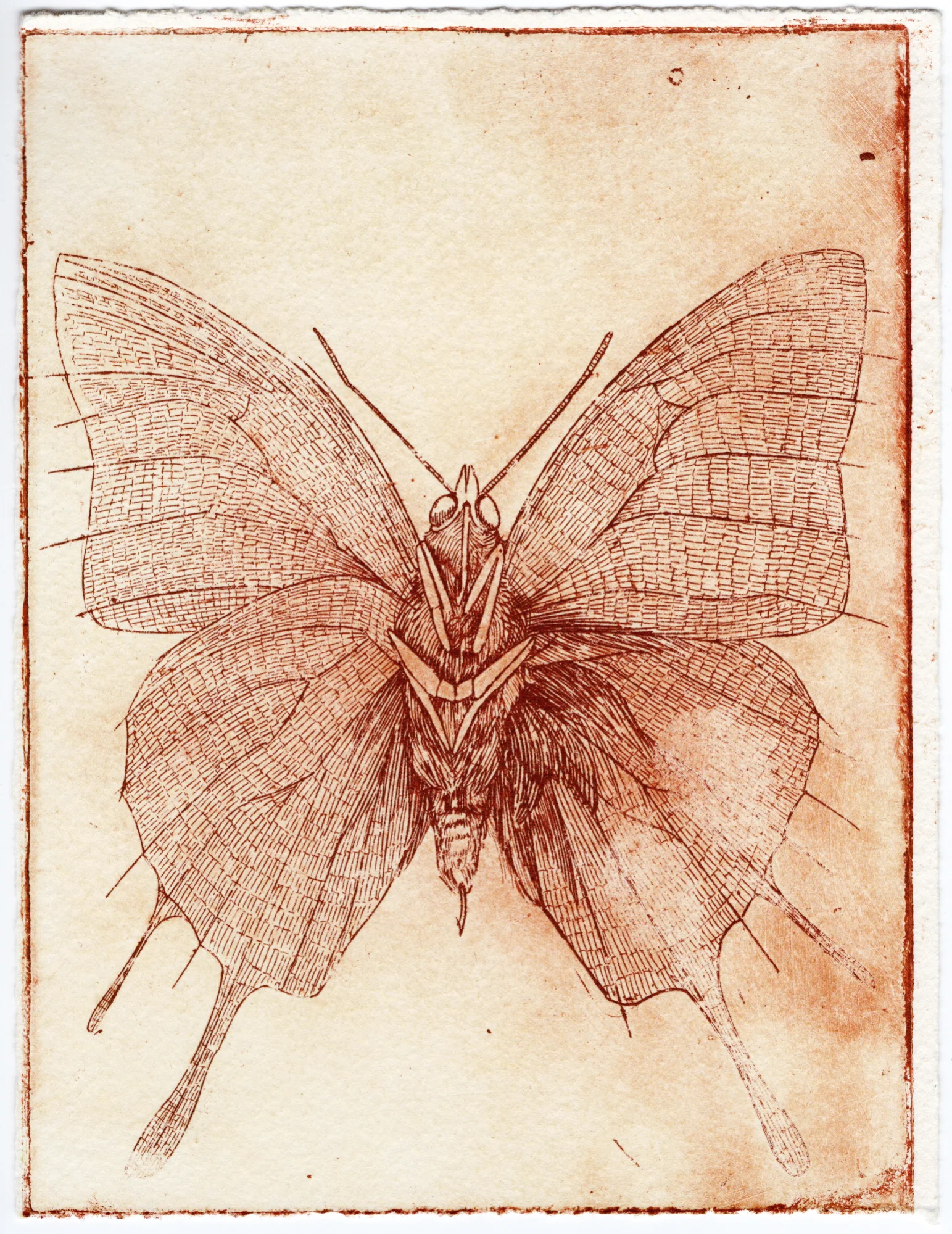
year 2021 etching on iron, printed on fabriano paper. maximum dimensions: plate 50 x 50 cm and paper 80 x 80 cm
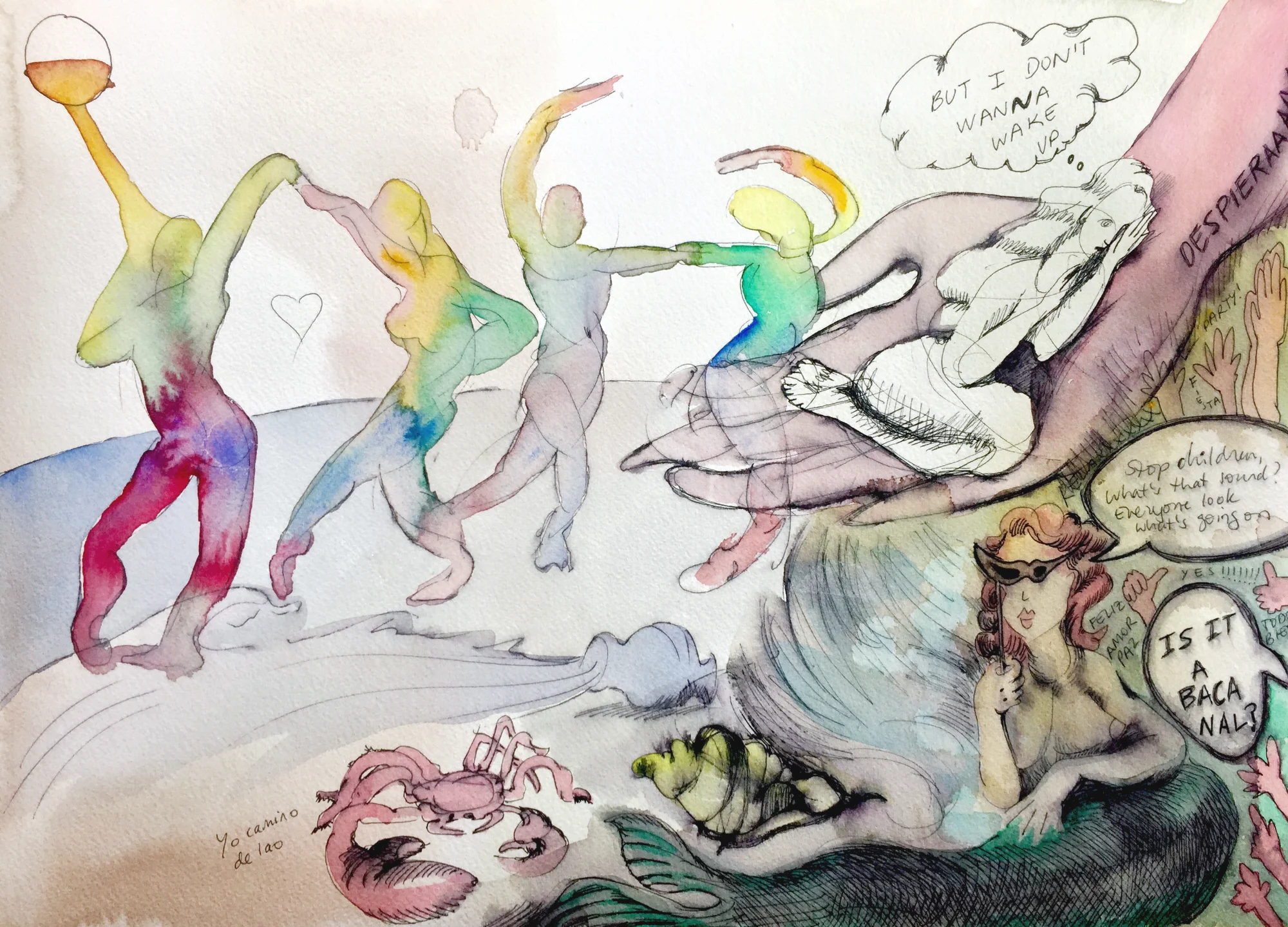
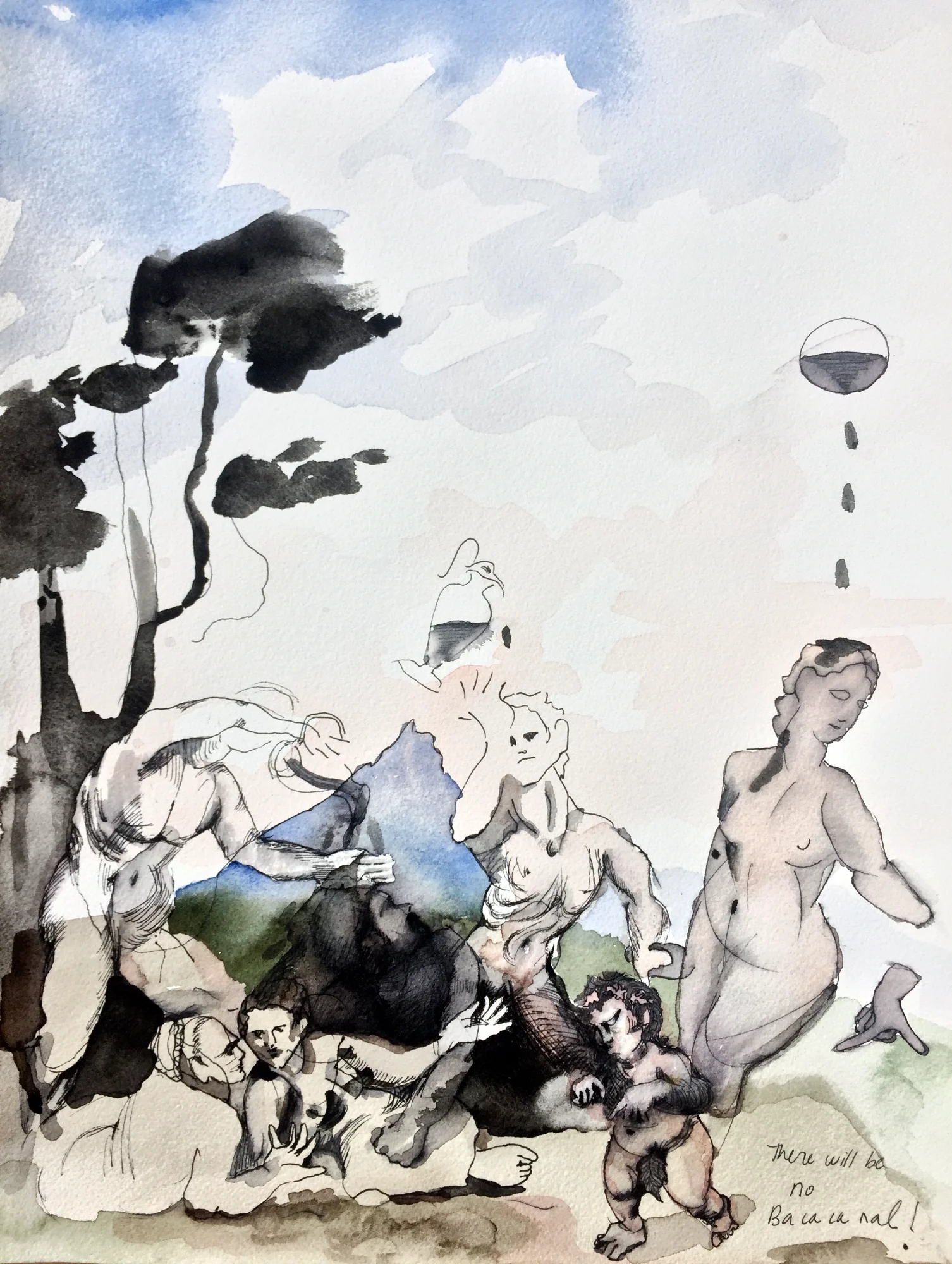
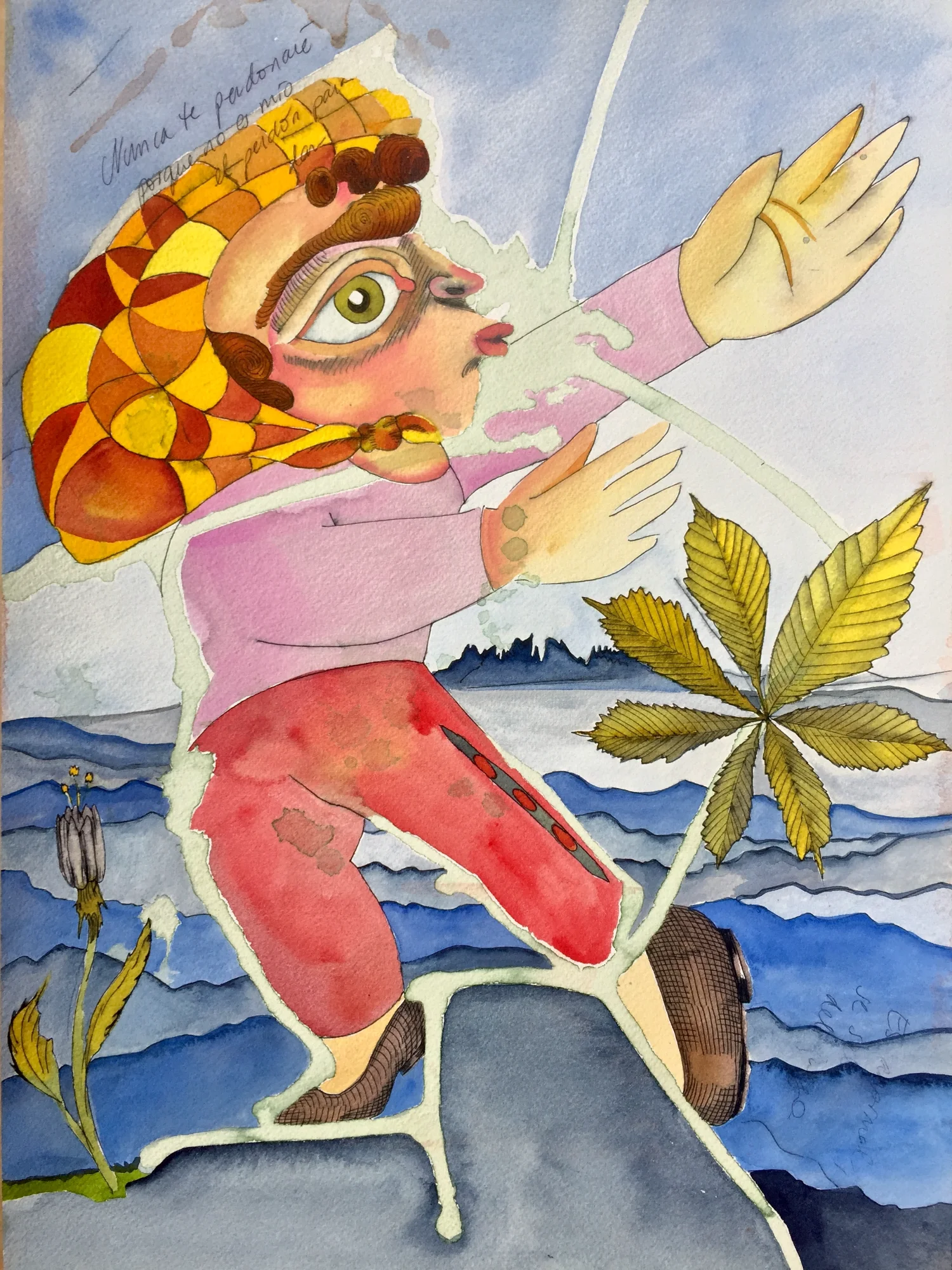
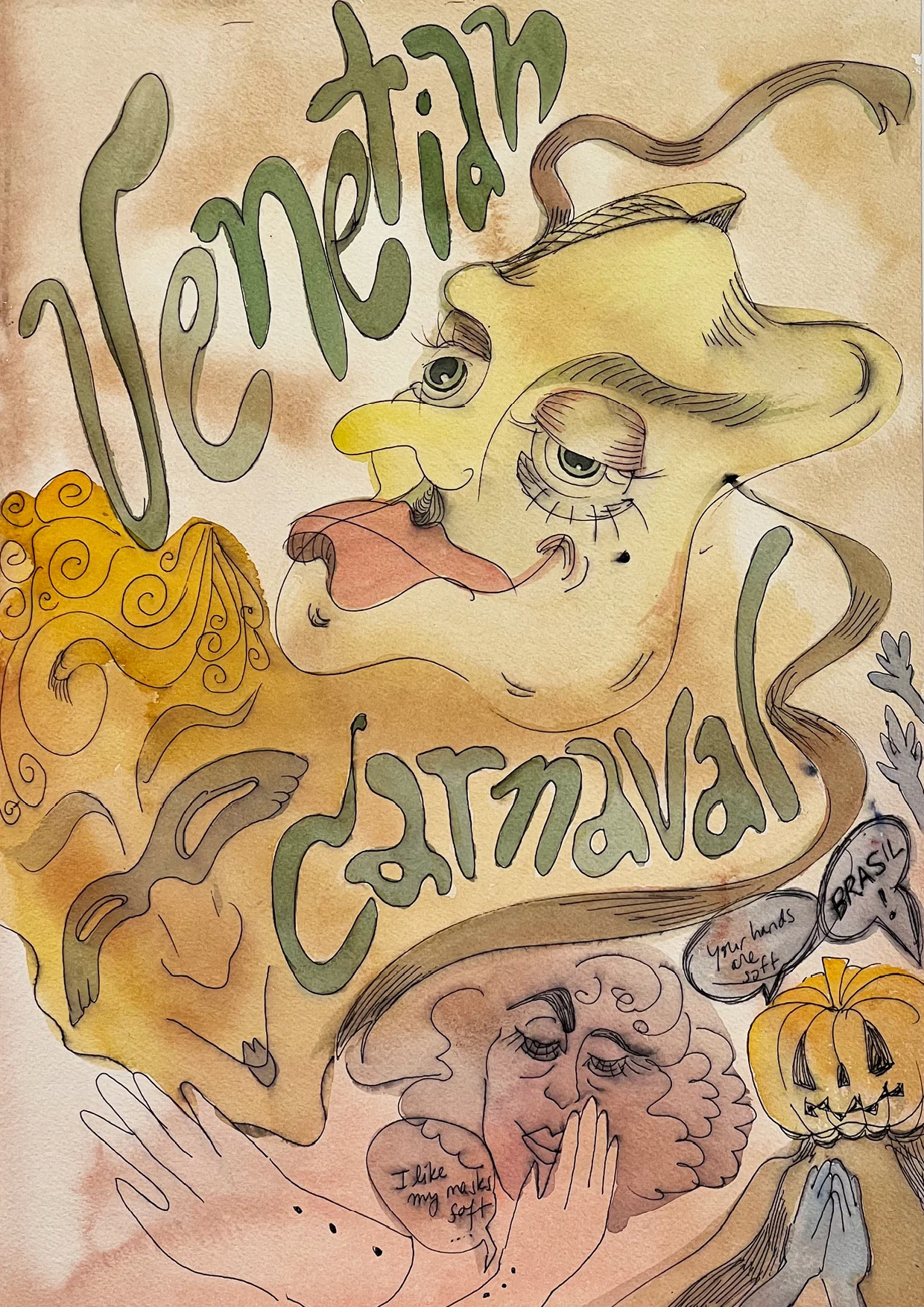
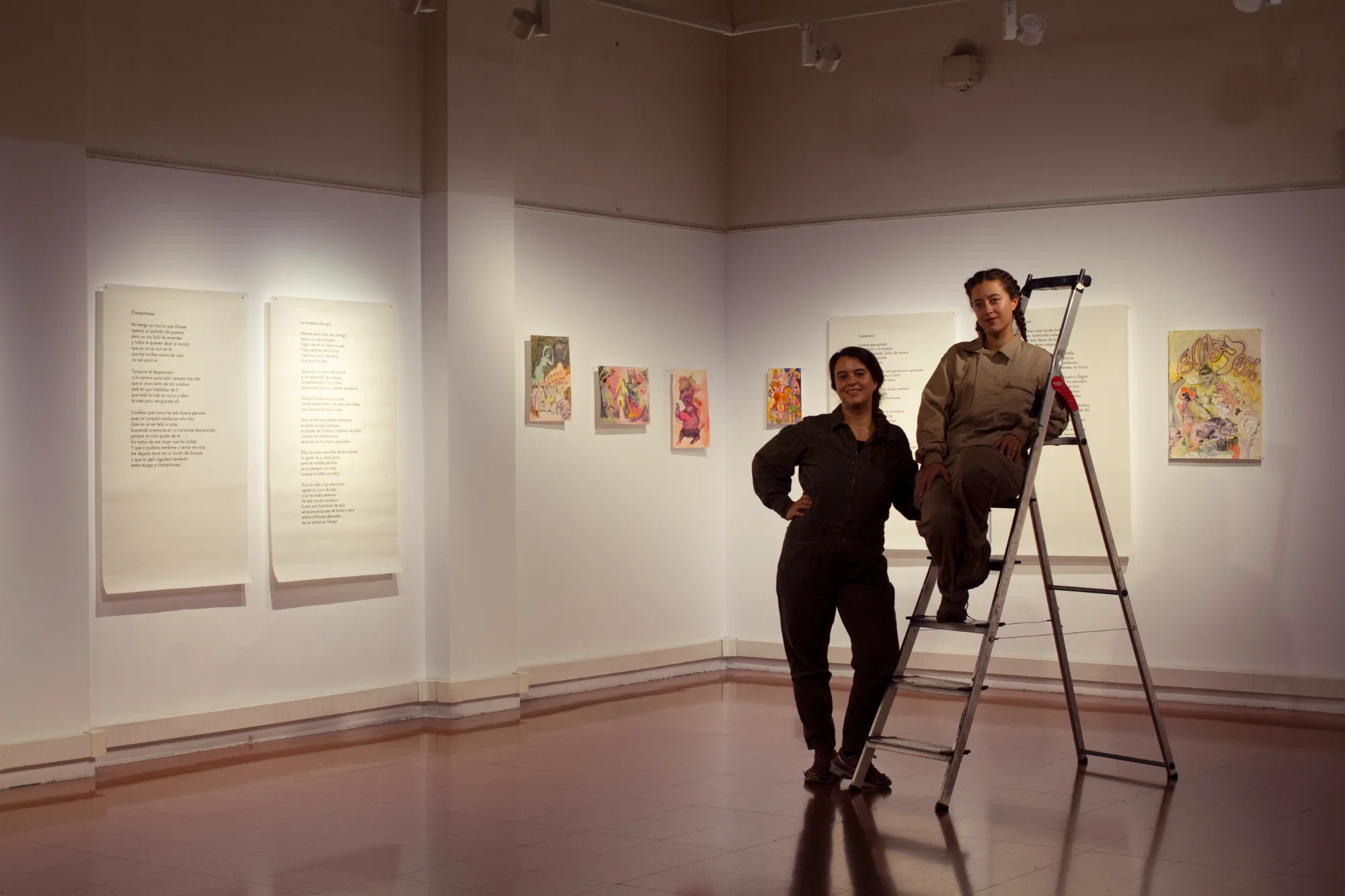
se acabaron las bacanales
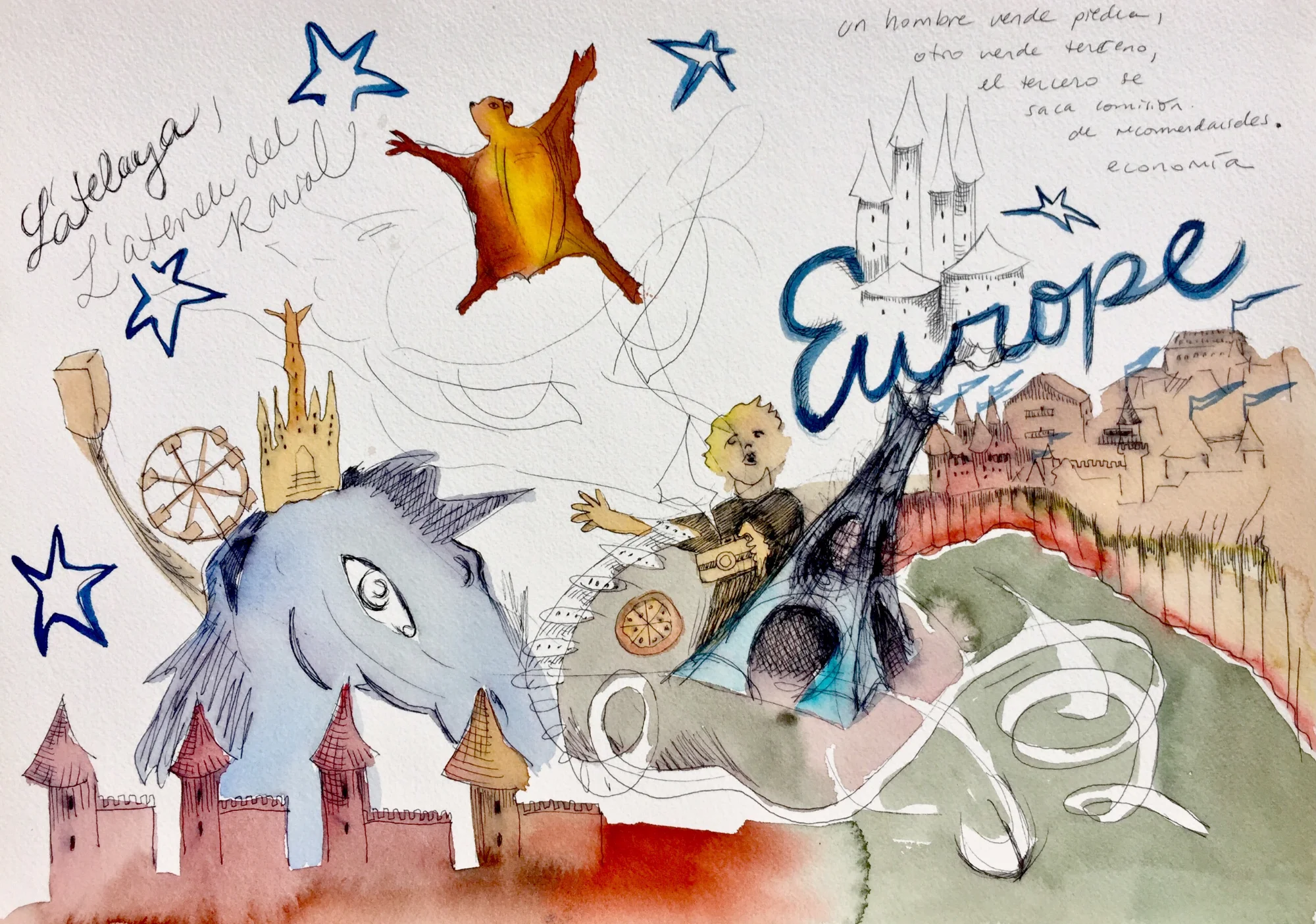
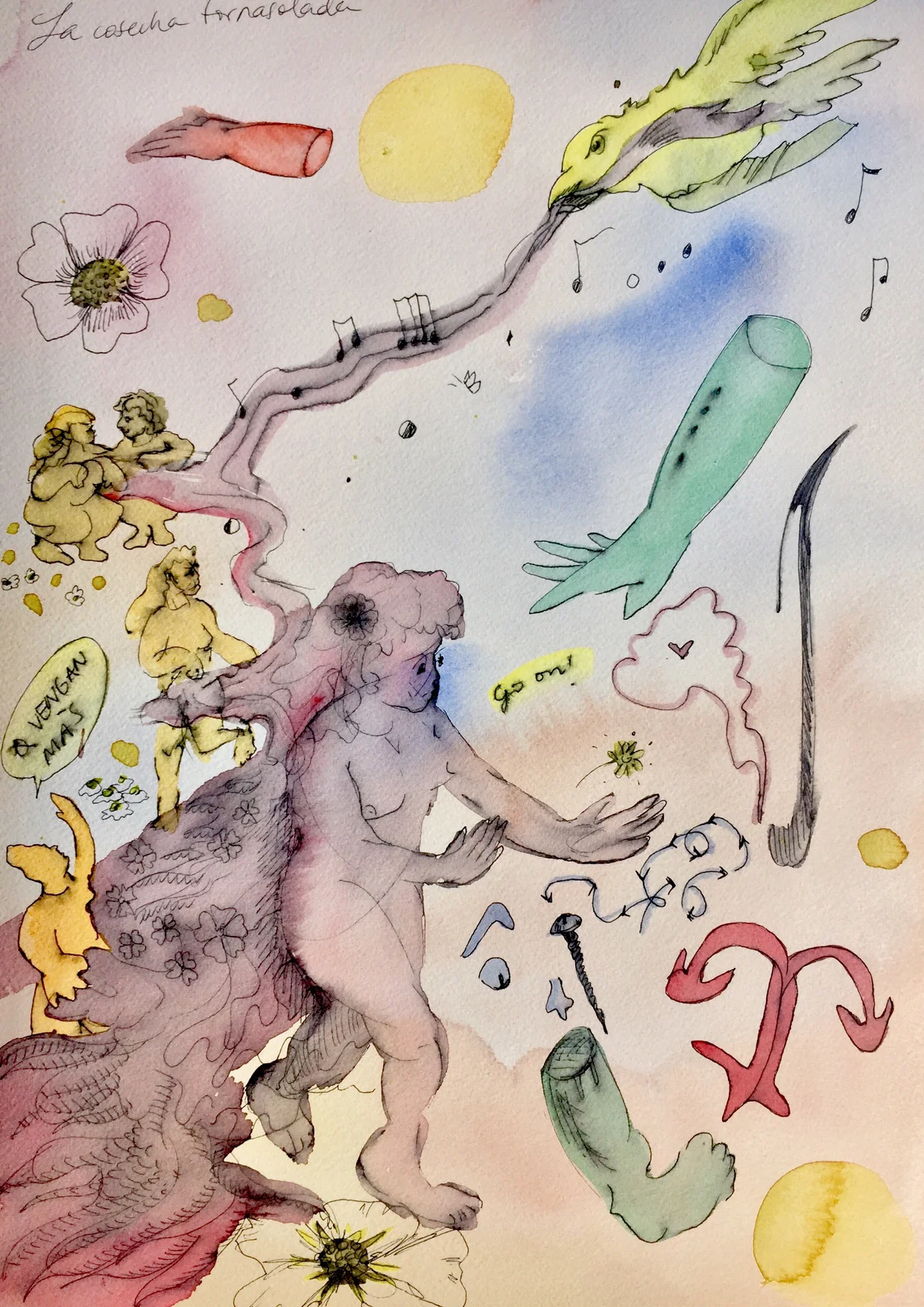
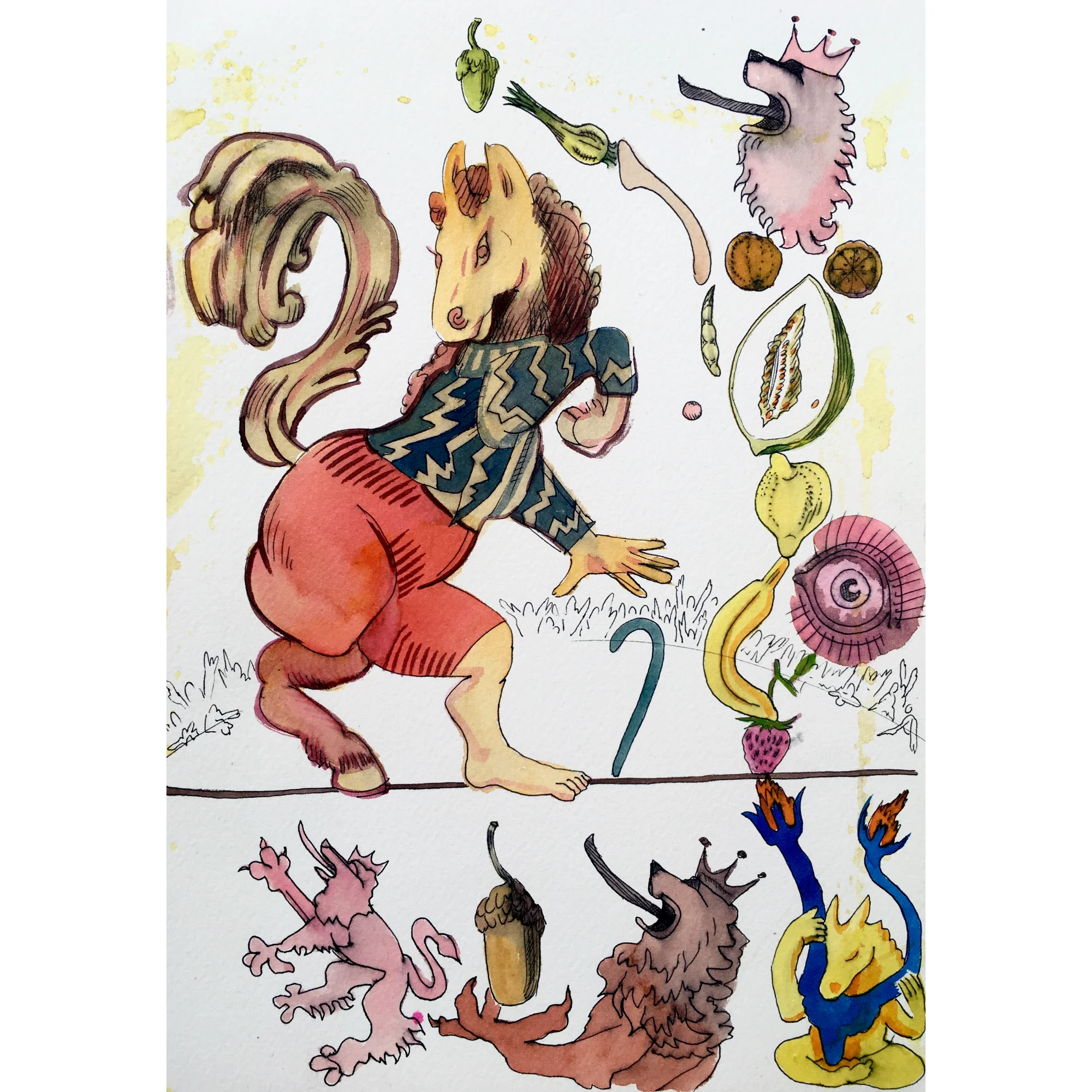
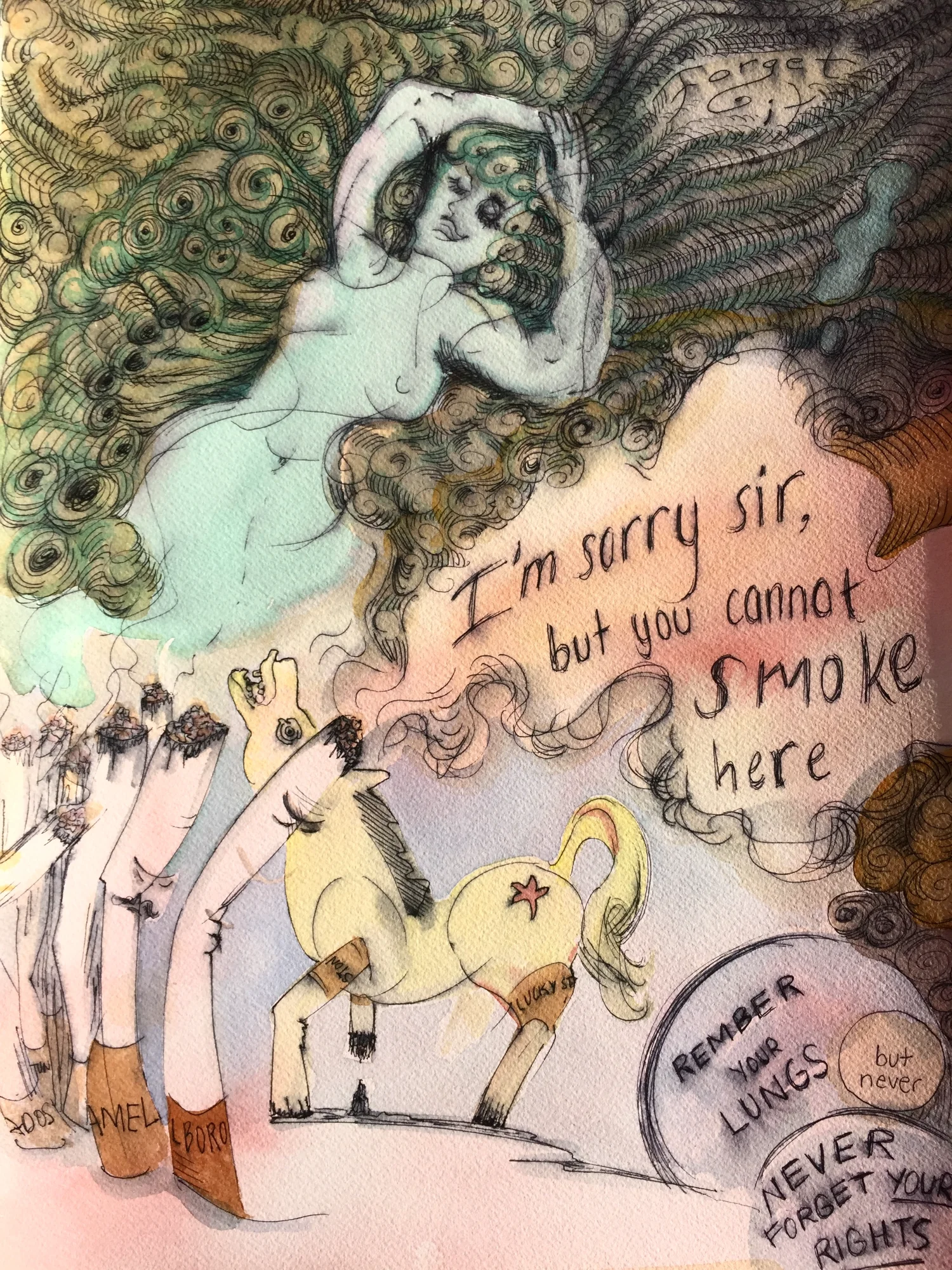
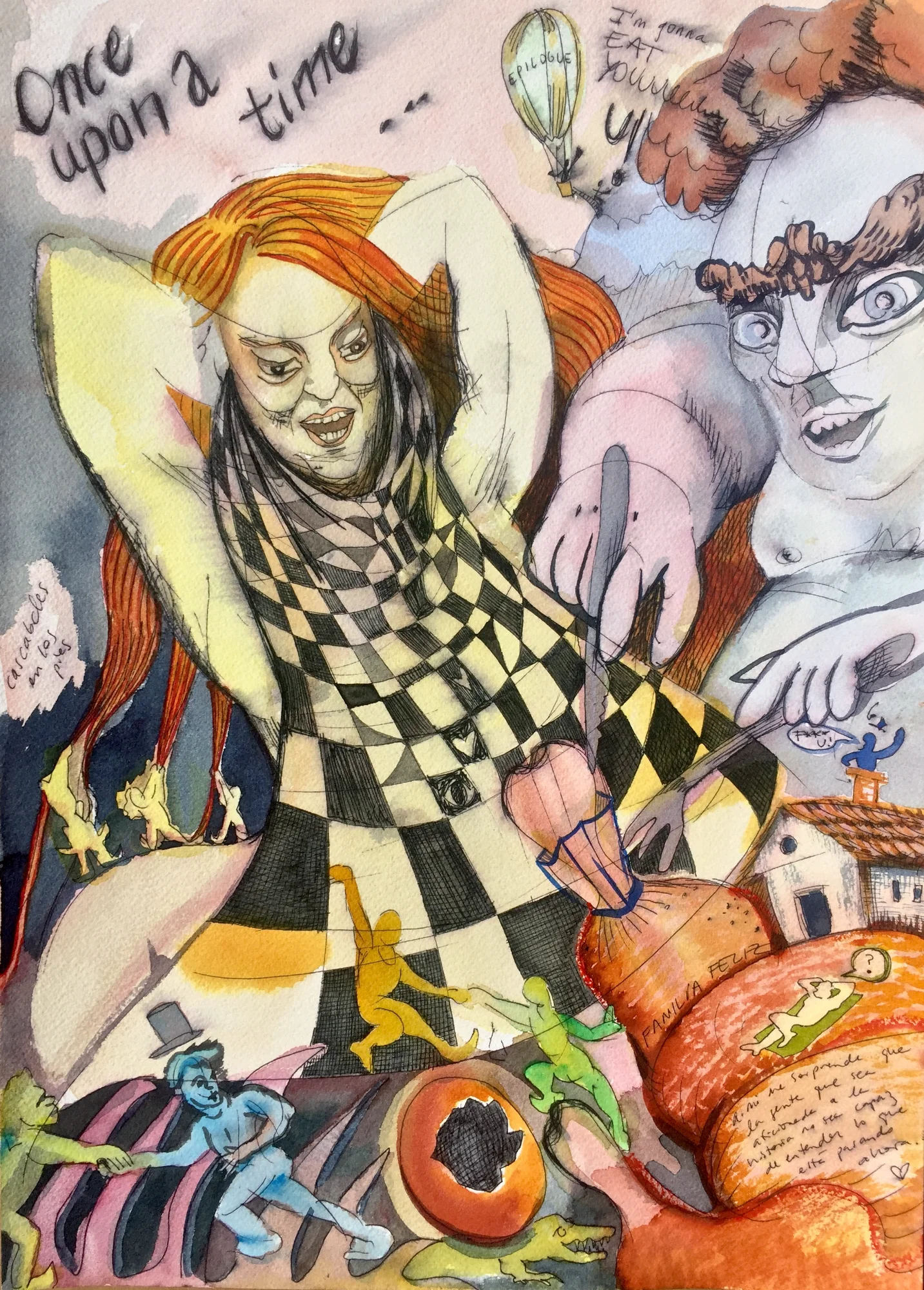
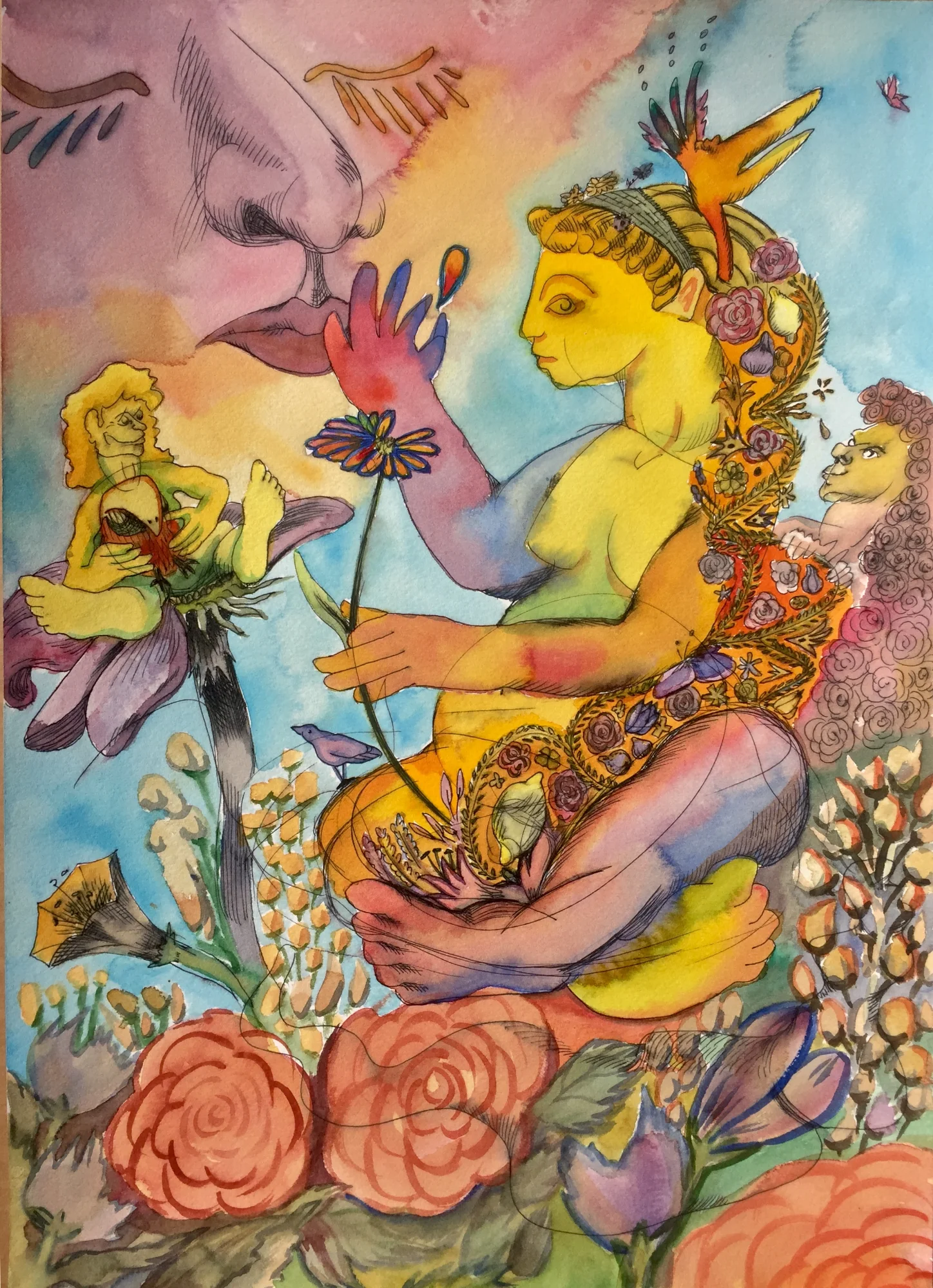
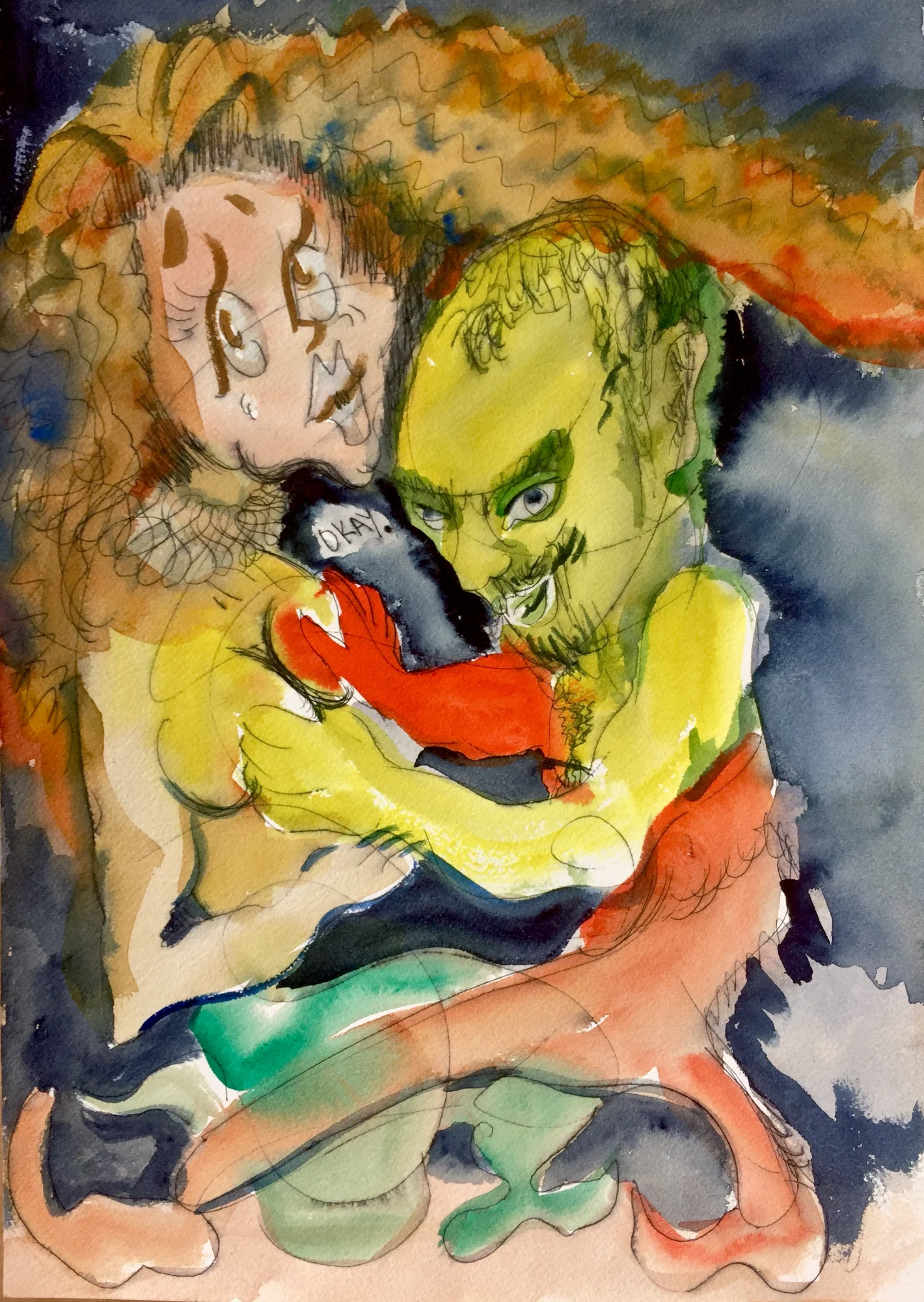
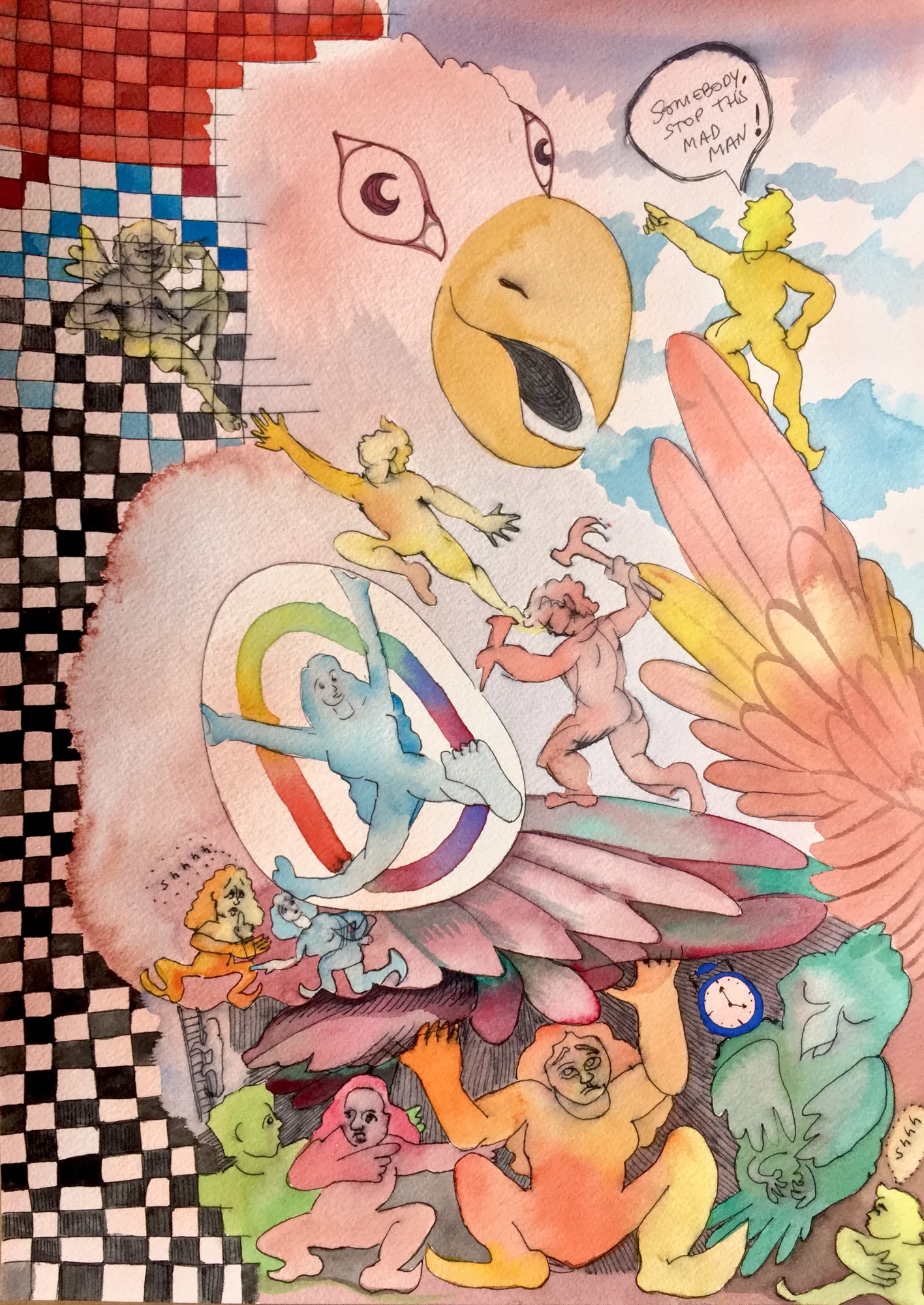
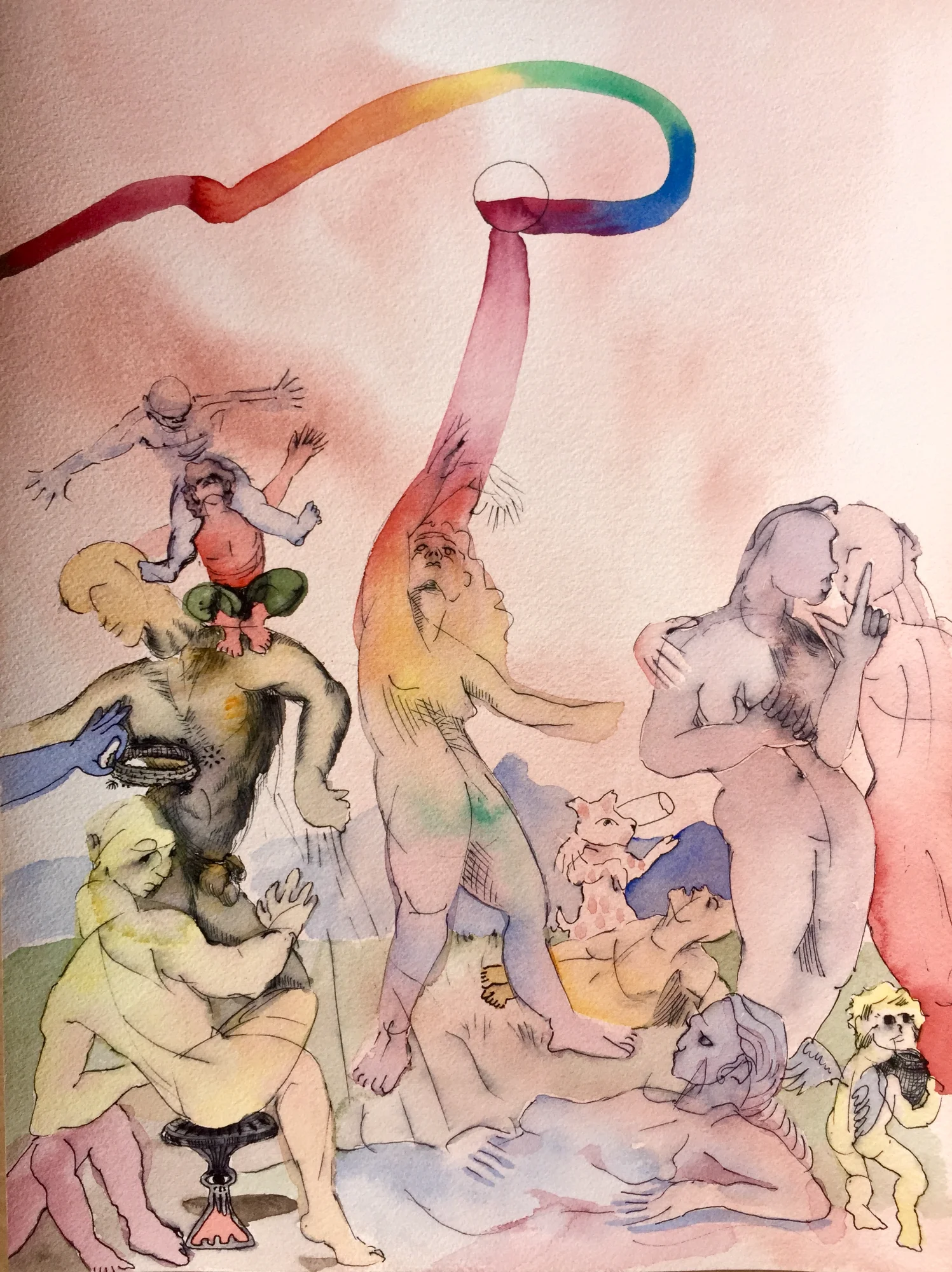
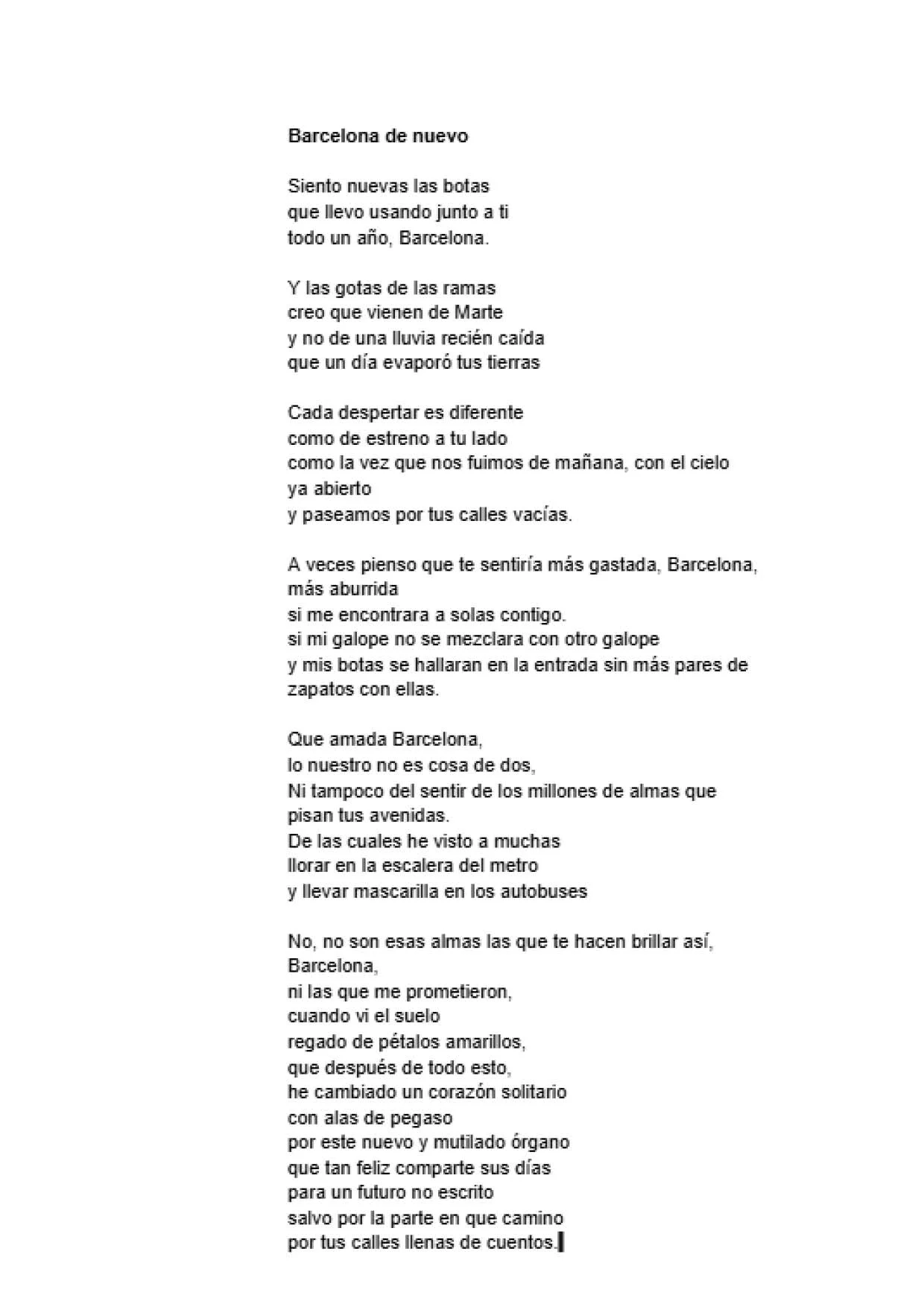
L’exposició Se acabaron las bacanales reuneix les aquarel·les de Monica Kopatschek i els poemes d’Ana López, realitzats entre agost i setembre de 2020 en un context de convivència creativa. Concebuda a partir de l’impacte de la crisi sanitària global, la mostra sorgeix com a resposta a les restriccions que van interrompre les celebracions col·lectives i l’experiència compartida fora de l’espai digital. Presentada en el marc d’Art Jove 2021, la proposta es configura com un gest de reivindicació davant la pèrdua dels rituals comunitaris que estructuren la vida social. Les aquarel·les despleguen composicions complexes de cossos que riuen i reposen sobre l’herba, suspesos en una atmosfera d’aparent ensoniació. Tanmateix, sota aquesta lluminositat subjau la consciència d’un final irrevocable: s’han acabat les bacanals. Les imatges, travessades per la ràbia i la decepció, esdevenen així un arxiu nostàlgic d’un temps en què la trobada i la dansa constituïen formes elementals d’existència. En paral·lel, els poemes d’Ana López construeixen una narració lírica que transcriu els instants d’aquell “daurat final d’estiu” de 2020. Ambdues pràctiques dialoguen des de processos de creació entrellaçats i des d’una voluntat comuna de ficcionalitzar l’experiència per dotar-la de sentit. L’exposició proposa, en última instància, una defensa de les expressions humanes col·lectives com a necessitat vital, afirmant l’art com a espai de resistència simbòlica i reconstrucció després de la fractura històrica. Proposta guanyadora del premi Art Jove Creació 2021 (Barcelona).
por siglos en eros
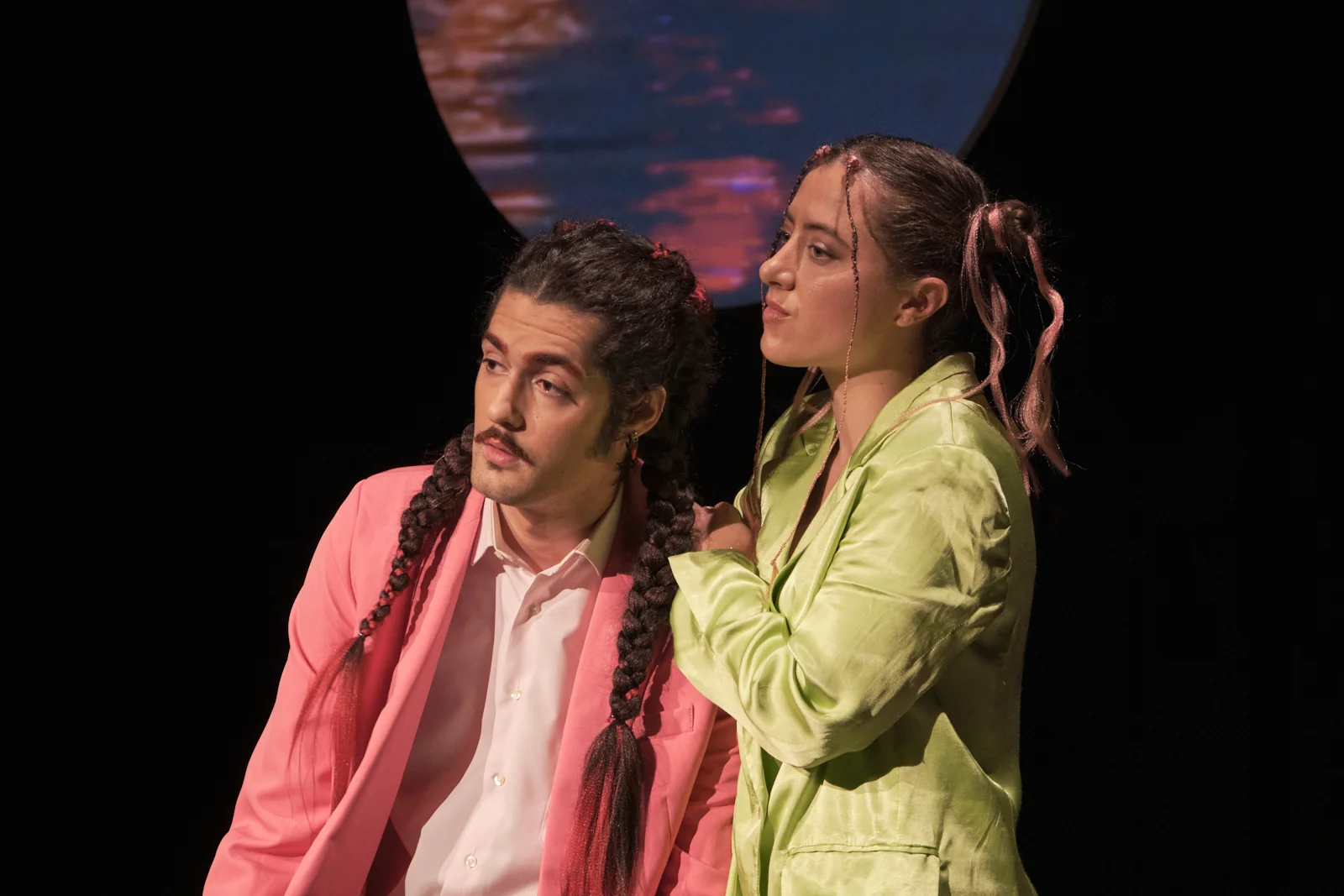
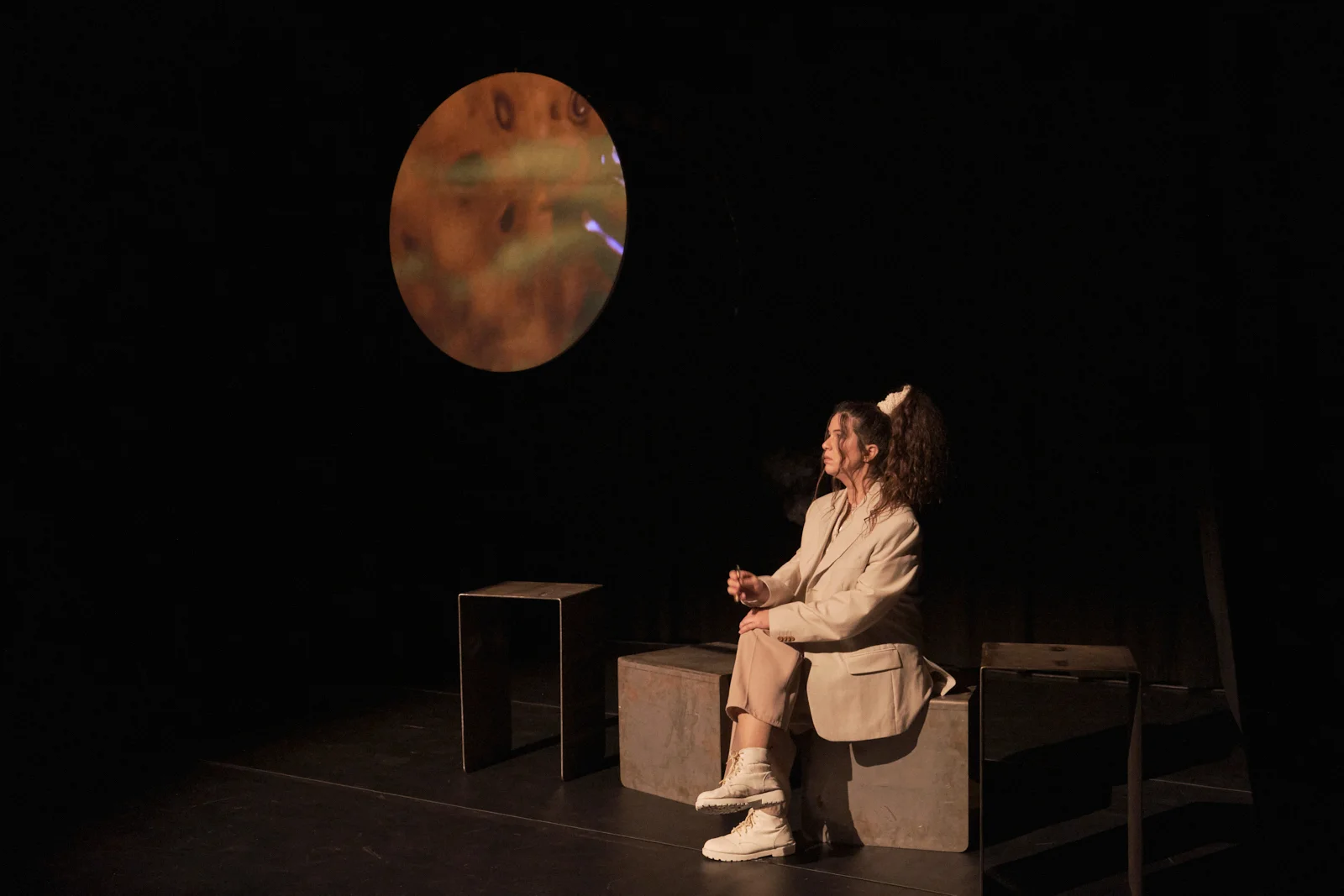
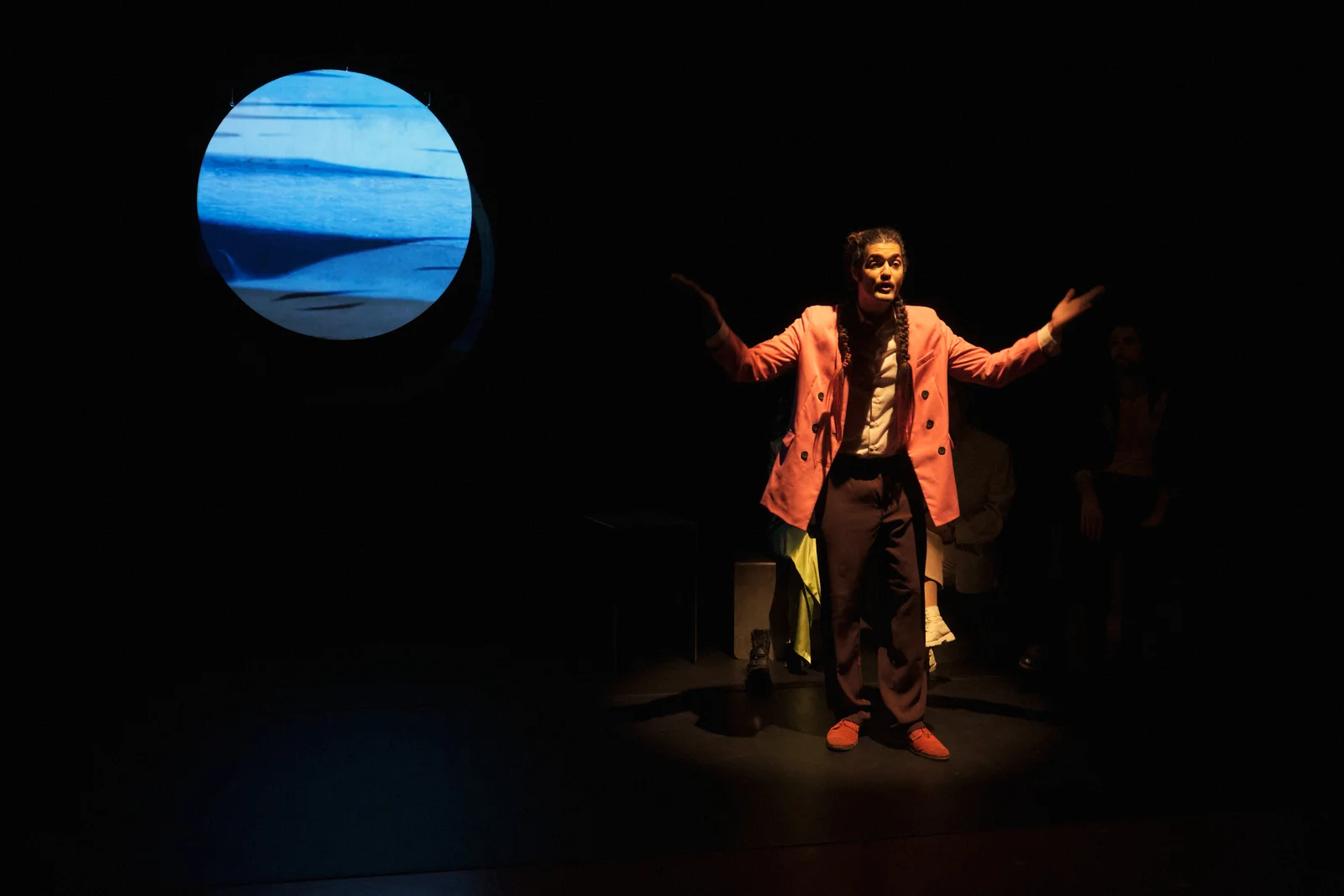
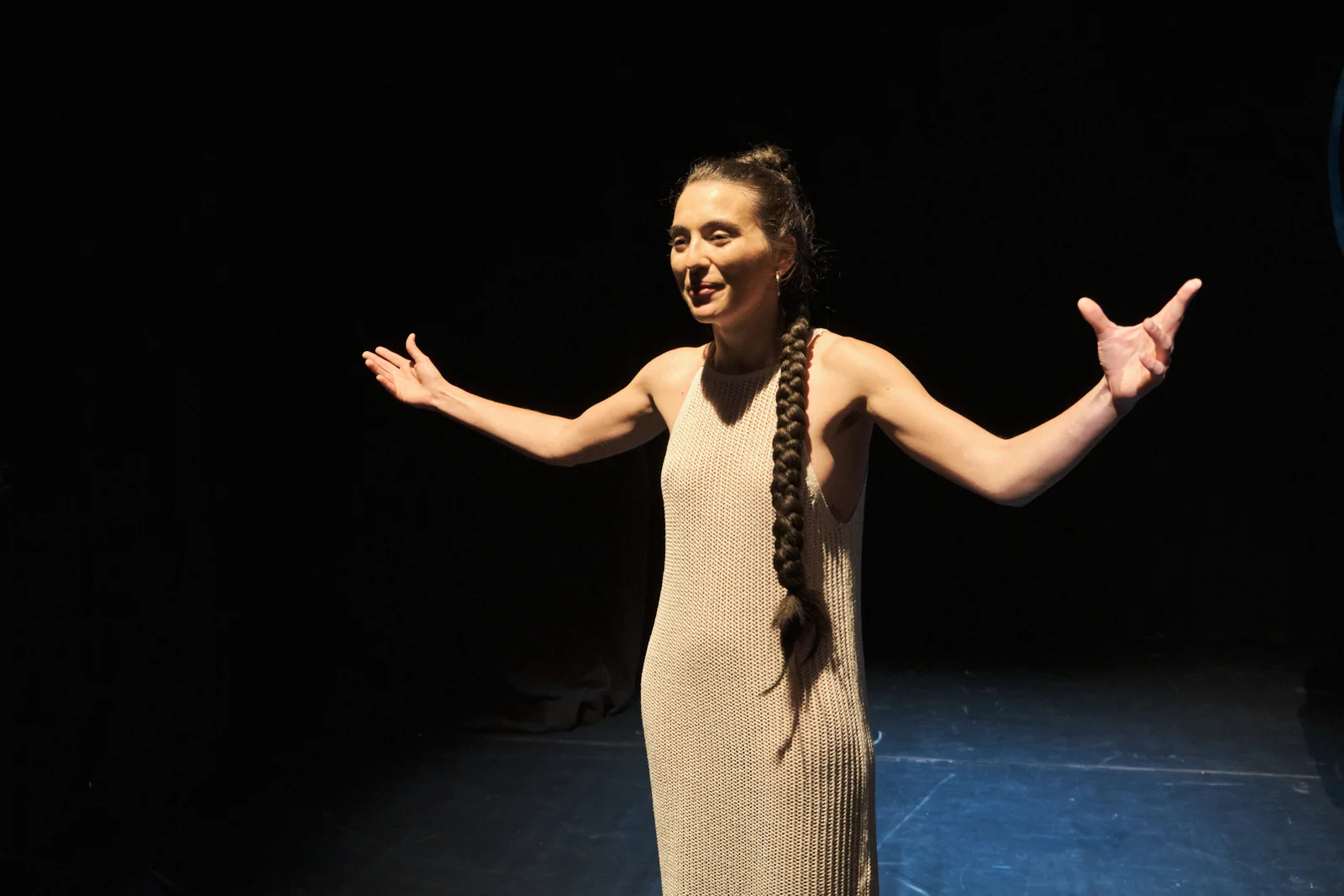
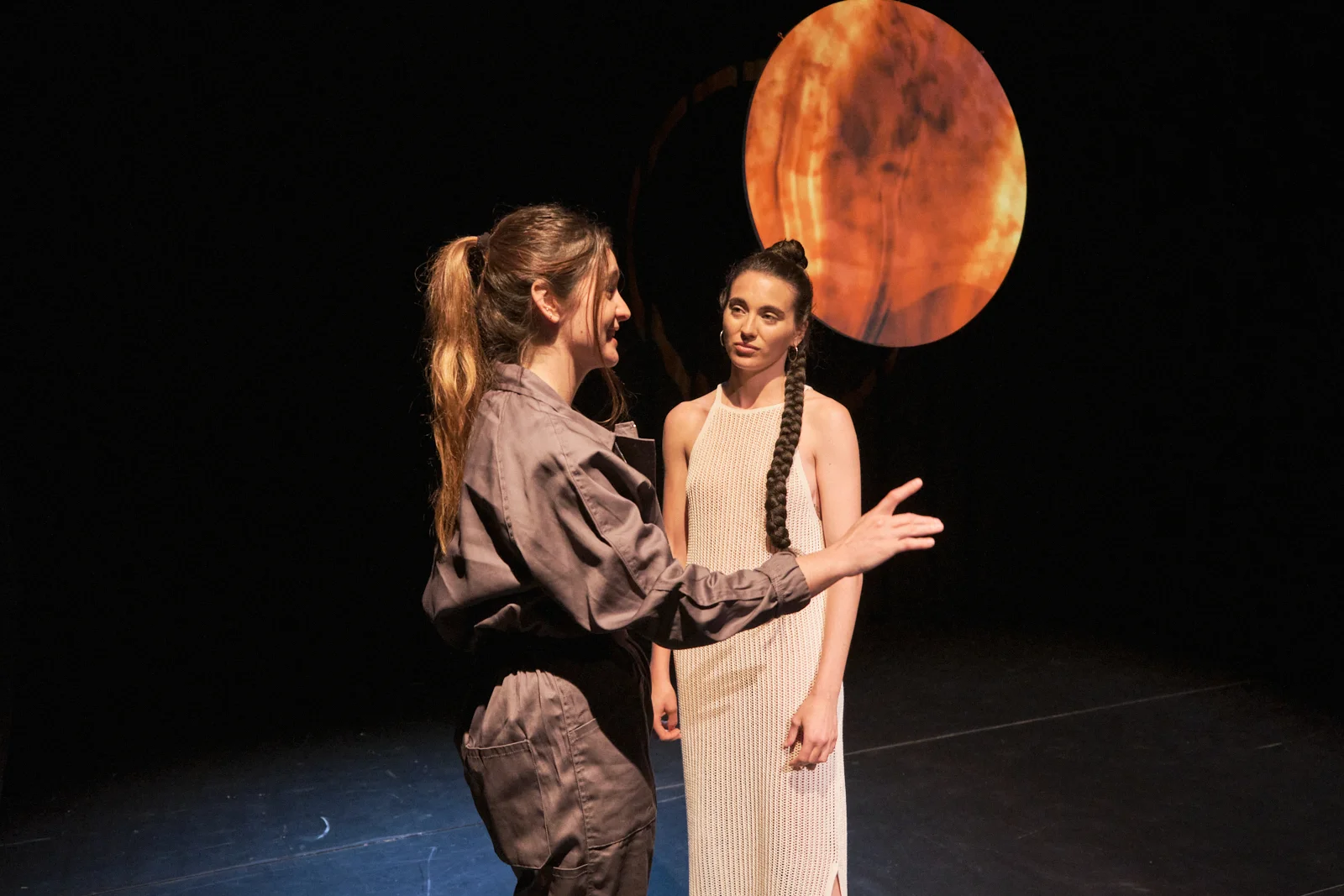
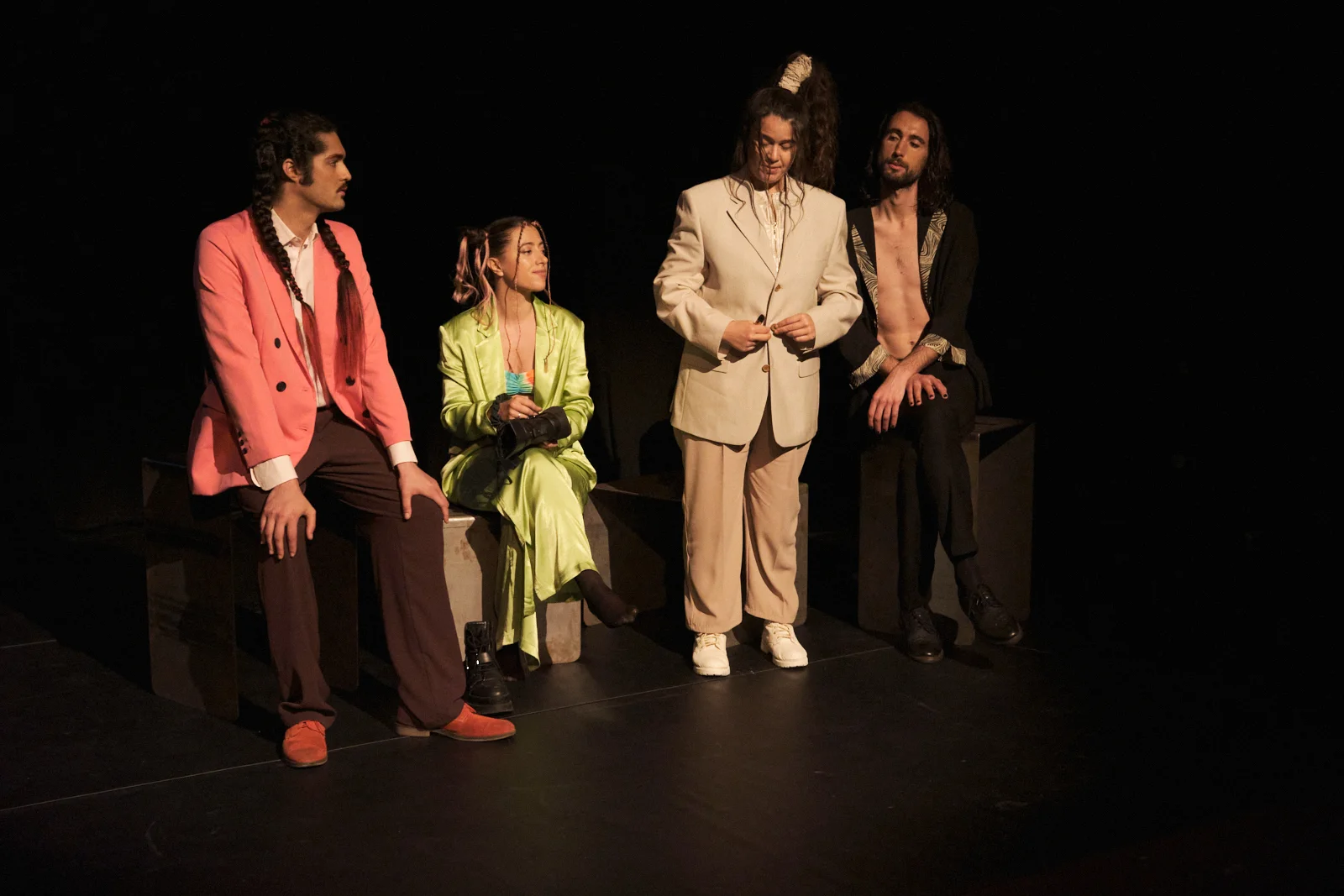
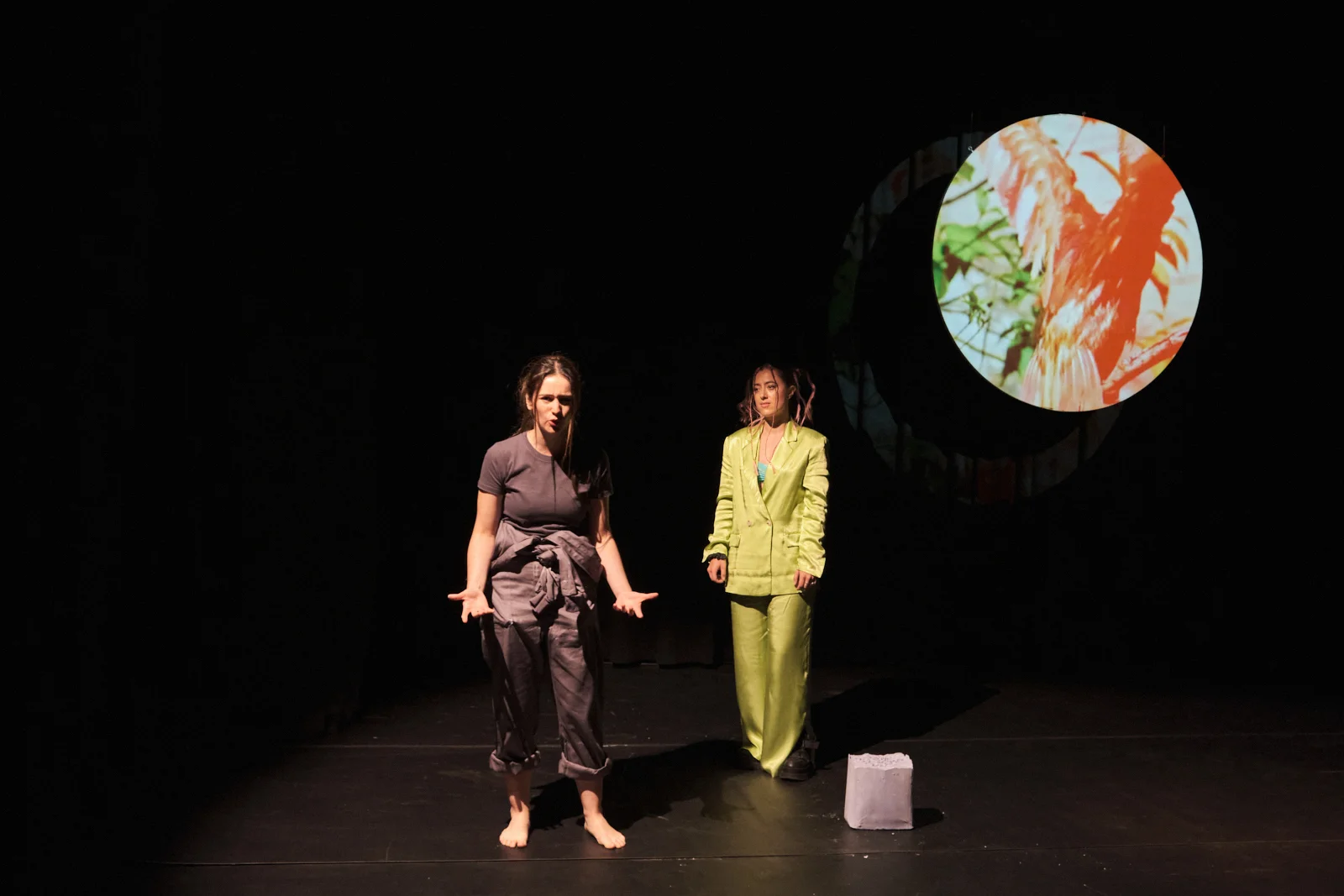
For Centuries in Eros is a play written entirely in verse that reinterprets Greek mythology from a feminist and cultural critique perspective. The piece tells the love story between the goddess Athena and a mortal artist, a bond that extends across centuries under the restless observation of four allegorical figures—Death, Eros, Future, and Madness—personifications of the passions that structure human experience. The project inverts classical narratives in which male desire is legitimized as a divine force that pursues and subjugates female figures. In contrast, the play reclaims love between women as both an emotional and political gesture, proposing it as a form of resistance to the heterosexual economy of myth. This inversion is embodied in an unnamed character—the artist—whose open identity destabilizes the notion of fixed authorship and allows Athena to be reimagined as a tragic heroine, caught between norm and desire. By combining comedy and lyricism, the performance dismantles the solemnity of myth and exposes it as a cultural construction open to intervention. Here, art appears as a device for symbolic production: it does not illustrate inherited narratives but generates meaning and proposes a possible world shaped by emotion, care, and shared desire.